

Marlina the Murderer in Four Acts (2017)

mchec.org – “Marlina si Pembunuh dalam Empat Babak,” internationally known as “Marlina the Murderer in Four Acts,” is a 2017 Indonesian film directed by Mouly Surya. This critically acclaimed film combines elements of Western and feminist cinema to tell a powerful story of survival and empowerment. Premiering at the Cannes Film Festival in the Directors’ Fortnight section, the film has been celebrated for its unique narrative style and striking visual storytelling.

Plot Summary

Set against the arid landscapes of Sumba, Indonesia, the film follows Marlina, a widow living in isolation. Her life takes a dramatic turn when a gang of robbers invades her home, threatening her and her possessions. In an act of self-defense, Marlina kills the leader of the gang, setting off on a transformative journey to seek justice. The film is structured into four distinct acts, each exploring different facets of Marlina’s quest and her evolving sense of empowerment.

Themes and Symbolism

“Marlina the Murderer in Four Acts” tackles themes of justice, female empowerment, and resilience. It presents Marlina’s journey as a metaphor for reclaiming autonomy and confronting societal oppression. The film’s narrative structure and visual language draw heavily from the Western genre, with Marlina cast in the role of a lone, determined figure seeking retribution. This blend of cultural elements creates a rich tapestry that challenges traditional gender roles and highlights the strength of its protagonist.

Cinematography and Style

The film is renowned for its breathtaking cinematography, capturing the stark beauty of Sumba’s landscapes. Cinematographer Yunus Pasolang uses wide shots and natural lighting to enhance the film’s atmospheric quality, creating a visual contrast between the vastness of the environment and Marlina’s intimate personal journey. The film’s pacing and minimalist dialogue further emphasize the tension and emotional depth of the story.

Reception and Impact

“Marlina the Murderer in Four Acts” received widespread acclaim for its innovative storytelling and strong feminist message. It was praised for its bold direction, compelling performances, and its ability to blend genre conventions with cultural narratives. The film’s success at international film festivals helped bring Indonesian cinema to a global audience, showcasing the diversity and creativity of the country’s filmmakers.

Conclusion

“Marlina the Murderer in Four Acts” is a landmark film in Indonesian cinema, offering a compelling narrative of empowerment and justice. Through its unique blend of Western and feminist elements, the film challenges viewers to reconsider notions of strength and autonomy. Mouly Surya’s masterful direction and the film’s evocative storytelling continue to resonate with audiences, solidifying its place as a powerful and influential work in contemporary cinema.

A Cinematic Journey into “Vizontele”

mchec.org – “Vizontele” is a celebrated Turkish film that captures the essence of rural life in Turkey during the 1970s. Directed by Yılmaz Erdoğan and Ömer Faruk Sorak, the film blends comedy and drama to tell a poignant story about the arrival of a new technology in a small Anatolian village. In this article, we will explore the film’s narrative, its cultural impact, and the themes that make it a timeless classic.

The Story of “Vizontele”

Set in the early 1970s, “Vizontele” revolves around the introduction of television to a remote Turkish village. The film’s title is a humorous take on how the villagers mispronounce “vision tele,” reflecting the novelty and mystery of television. The arrival of this new technology creates a stir in the village, sparking curiosity, excitement, and a bit of chaos.

The story centers on the village’s quirky inhabitants, including the mayor, Nazmi, who is determined to bring television to the village, and the eccentric Deli Emin, whose mechanical skills are put to the test as he attempts to make the television work. Through their eyes, we witness the village’s transformation and the varied reactions of its residents.

Themes of Change and Tradition

At its core, “Vizontele” explores the tension between tradition and modernity. The film depicts how the introduction of television—a symbol of progress and change—affects the villagers’ way of life. While some embrace the new technology with enthusiasm, others are skeptical, fearing the erosion of traditional values and customs.

This theme is further highlighted through the characters’ interactions and personal stories, illustrating the broader societal changes taking place in Turkey during this period. The film captures the bittersweet nature of progress, acknowledging both its potential benefits and the disruption it can cause.

Cultural Impact

“Vizontele” holds a special place in Turkish cinema for its authentic portrayal of rural life and its insightful commentary on societal change. The film resonated with audiences for its humor, heartfelt storytelling, and relatable characters, becoming a box-office success and a beloved classic.

The film’s cultural impact extends beyond its humor and entertainment value. It offers a window into the lives of ordinary people, reflecting the hopes, fears, and dreams of a community on the brink of change. Its universal themes of adaptation and resilience continue to resonate with audiences both in Turkey and internationally.

The Charm of “Vizontele”

One of the film’s enduring charms is its rich tapestry of characters, each with their own quirks and personalities. From the earnest mayor to the lovable Deli Emin, the characters bring warmth and humor to the story, making the village feel like a place the audience knows and loves.

The film’s use of humor is both lighthearted and insightful, offering a gentle critique of societal norms and the challenges of modernization. This balance of comedy and drama allows “Vizontele” to explore complex themes while remaining accessible and entertaining.

Conclusion

“Vizontele” is a cinematic gem that captures the spirit of a bygone era with humor, heart, and insight. Its portrayal of change in a small village serves as a microcosm of broader societal shifts, offering timeless lessons about adaptation, community, and the enduring power of human connection. As viewers, we are invited to reflect on our own experiences with change and progress, making “Vizontele” a film that continues to resonate across generations.

The Exploratory Essays of James Baldwin

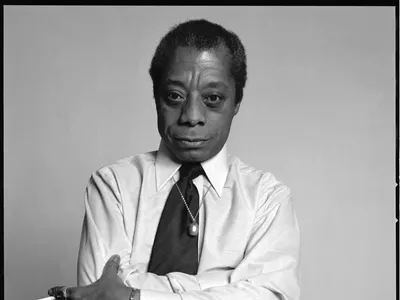
mchec.org – James Baldwin, one of the most profound and insightful writers of the 20th century, used his essays as a platform to explore complex issues of race, identity, and social justice. His essays, characterized by their eloquence and intellectual depth, remain powerful commentaries on American society. This article delves into the exploratory nature of Baldwin’s essays and their enduring impact.

A Voice of Clarity and Conscience

James Baldwin was born in Harlem, New York, in 1924, a time and place that profoundly shaped his perspective on race and identity. As a writer, Baldwin’s essays tackled the intricate dynamics of racial tension and the African American experience with unparalleled clarity and emotional honesty. His writing was not just a reflection of his personal experiences but a broader commentary on societal issues.

Themes of Race and Identity

Baldwin’s essays often explore the theme of race, examining the complexities of identity, belonging, and the pervasive impact of racism. In essays like “Notes of a Native Son” and “The Fire Next Time,” Baldwin dissects the psychological and social ramifications of being black in America. His eloquent prose challenges readers to confront uncomfortable truths about prejudice and injustice.

Narrative Style and Personal Insight

Baldwin’s narrative style is both intimate and analytical, combining personal anecdotes with broader social critique. This approach allows readers to connect deeply with his experiences while gaining insight into larger systemic issues. Baldwin’s ability to weave personal narratives with philosophical reflections gives his essays a unique power and resonance.

Confronting Injustice and Advocating Change

Baldwin’s essays are not just explorations of society’s flaws; they are calls to action. He challenged readers to recognize and dismantle systemic racism, advocating for social change and equality. His work encouraged dialogue and reflection, urging individuals to question their own beliefs and roles in perpetuating injustice.

Legacy and Influence

The exploratory essays of James Baldwin continue to influence writers, activists, and thinkers. His fearless examination of race and identity provides a timeless lens through which to view contemporary issues. Baldwin’s work remains a touchstone for those seeking to understand and address the complexities of social justice.

In conclusion, James Baldwin’s exploratory essays are a testament to his intellectual rigor and moral courage. Through his poignant and incisive writing, Baldwin challenged societal norms and inspired generations to seek truth and justice. His legacy as a writer and thinker endures, offering invaluable insights into the human condition and the ongoing struggle for equality.