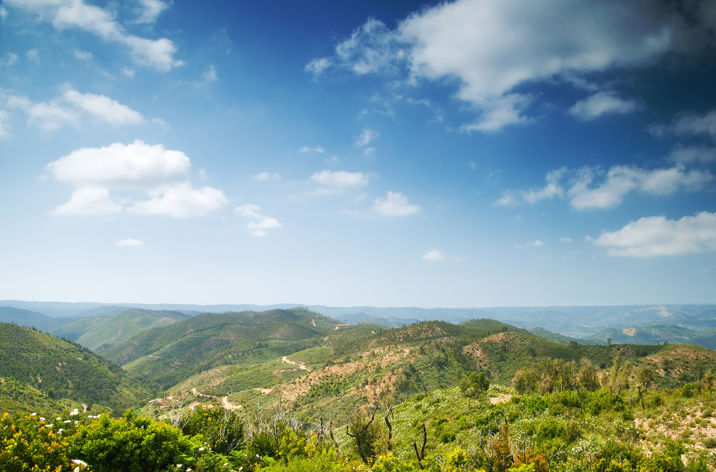
Serra de Monchique: A Natural Gem in the Algarve

mchec.org – Serra de Monchique, a mountain range nestled in the heart of the Algarve region of Portugal, is a hidden gem that offers breathtaking natural beauty, serene landscapes, and a wealth of outdoor activities.

A Lush Green Oasis

The range is renowned for its lush, green forests, primarily composed of cork oak trees. These forests play a vital role in the region’s ecosystem, providing habitat for diverse wildlife and contributing to the production of high-quality cork. Hiking and biking trails wind through these forests, offering opportunities to immerse oneself in nature and enjoy stunning views of the surrounding countryside.

Panoramic Views

One of the highlights of Serra de Monchique is the opportunity to enjoy panoramic views of the Algarve coast. From the mountain peaks, visitors can admire the dramatic cliffs, pristine beaches, and sparkling blue waters of the Atlantic Ocean.

Thermal Springs and Wellness

The mountain range is also home to several thermal springs, known for their therapeutic properties. Visitors can relax in the warm, mineral-rich waters and rejuvenate their bodies and minds.

A Culinary Delight

The region around Serra de Monchique is renowned for its delicious cuisine, which features fresh, locally sourced ingredients. Visitors can savor traditional dishes such as grilled sardines, cataplana, and regional wines.

A Peaceful Retreat

Serra de Monchique offers a peaceful retreat from the hustle and bustle of city life. The serene atmosphere, stunning scenery, and abundance of outdoor activities make it a perfect destination for relaxation and rejuvenation.

Black Virgin Mountain: A Spiritual and Scenic Marvel

mchec.org – Black Virgin Mountain, known as Núi Bà Đen in Vietnamese, is a captivating destination located in Tây Ninh Province, southern Vietnam. Standing at 986 meters (3,235 feet), it is the highest peak in the region and offers a blend of natural beauty, cultural significance, and spiritual allure.

A Landmark of Legends

Black Virgin Mountain is steeped in legend and local folklore. The most famous tale tells of a young woman named Ba Den, who faced numerous challenges and ultimately disappeared on the mountain. In honor of her story, the mountain was named Núi Bà Đen, or Black Virgin Mountain, and it has since become a place of pilgrimage and spiritual reflection.

Trekking and Exploration

For adventurers and nature lovers, Black Virgin Mountain provides an array of activities and experiences. The mountain is crisscrossed with trails that cater to hikers of all levels, from casual walkers to experienced trekkers. As you ascend, you’ll be rewarded with breathtaking views of the surrounding countryside, lush forests, and the intricate network of rivers and canals that characterize the region.

Spiritual Significance

Black Virgin Mountain is not only known for its natural beauty but also for its spiritual importance. At the base of the mountain lies the Ba Den Pagoda, a sacred site that attracts thousands of pilgrims and visitors each year, especially during the annual Ba Den Mountain Festival. The area is dotted with temples, shrines, and statues that reflect the deep-rooted religious traditions of the region, providing a peaceful setting for meditation and contemplation.

Modern Access

In recent years, accessibility to Black Virgin Mountain has been enhanced with the introduction of a cable car system. This modern addition allows visitors to effortlessly reach the summit, offering panoramic views of the lush landscapes below. The cable car ride is an attraction in itself, providing a scenic and leisurely way to experience the mountain’s beauty.

A Cultural Experience

Visiting Black Virgin Mountain is also an opportunity to immerse yourself in the local culture. The surrounding area is home to vibrant markets, traditional food stalls, and community events that offer insights into the daily life and customs of the people living in Tây Ninh Province. Whether you’re sampling local delicacies or engaging with friendly locals, the cultural richness of the region adds depth to your visit.

Conclusion

Black Virgin Mountain is a destination that captivates with its blend of natural splendor, spiritual significance, and cultural richness. Whether you’re trekking its trails, exploring its sacred sites, or enjoying the modern comforts of the cable car, a visit to Black Virgin Mountain promises a memorable and enriching experience in the heart of southern Vietnam.

Cho Oyu: The Gentle Giant of the Himalayas

mchec.org – Cho Oyu, meaning “Turquoise Goddess” in Tibetan, is the sixth-highest mountain in the world, standing at an elevation of 8,188 meters (26,864 feet) above sea level. This majestic peak is located in the Himalayas, on the border between Nepal and the Tibet Autonomous Region of China. Despite its formidable height, Cho Oyu is considered one of the more accessible 8,000-meter peaks, making it a popular destination for experienced climbers seeking to summit their first high-altitude mountain.

Geographical Significance

Cho Oyu is part of the Mahalangur Himal sub-range of the Himalayas and is situated just 20 kilometers west of Mount Everest. The mountain’s graceful pyramidal shape and relatively gentle slopes make it a visually striking addition to the Himalayan skyline. Its proximity to Everest and other high peaks, such as Lhotse and Makalu, offers climbers and trekkers breathtaking panoramic views of some of the world’s highest mountains.

Historical Overview

Cho Oyu was first identified in 1849 by the British survey team led by Andrew Waugh, who was also responsible for determining the height of Mount Everest. However, it wasn’t until 1954 that the mountain was successfully climbed. The first ascent was achieved by a team of Austrian climbers, which included Herbert Tichy, Joseph Jöchler, and Pasang Dawa Lama. Their successful summit marked a significant milestone in mountaineering history and paved the way for future expeditions to the peak.

Climbing Cho Oyu

Climbing Cho Oyu requires a high level of mountaineering experience, physical fitness, and acclimatization to high altitudes. The most common route to the summit is the Northwest Ridge, which offers a more gradual ascent compared to other 8,000-meter peaks. The climbing season typically runs from late September to early October, when the weather is most stable and the winds are less severe.

Despite its reputation as a more accessible 8,000-meter peak, Cho Oyu should not be underestimated. The mountain’s high altitude and unpredictable weather can pose significant challenges, and climbers must be prepared for extreme conditions. The ascent requires careful planning, the support of experienced guides and Sherpas, and a deep respect for the mountain’s power.

Cultural and Environmental Impact

Cho Oyu is sacred to the local Sherpa people, who have a deep connection to the Himalayan mountains. The region around Cho Oyu is rich in cultural heritage, with ancient monasteries and traditional villages dotting the landscape. The mountain itself is considered a deity, and local traditions play a significant role in the lives of those who live in its shadow.

As with other high-altitude peaks, Cho Oyu faces environmental challenges due to increasing tourism and climbing expeditions. Efforts are being made to minimize the impact of human activity on the mountain and its surroundings, including waste management and the preservation of the delicate alpine ecosystem.

Conclusion

Cho Oyu stands as a testament to the beauty and majesty of the Himalayas. Its relatively accessible nature and stunning location make it a sought-after destination for climbers from around the world. Whether viewed from afar or experienced up close, Cho Oyu continues to inspire awe and respect for the natural world’s wonders. As we continue to explore and appreciate these high peaks, it is crucial to do so responsibly, ensuring that future generations can also marvel at the “Turquoise Goddess” of the Himalayas.