
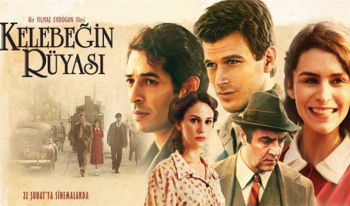
Kelebeğin Rüyası (The Butterfly’s Dream)

mchec.org – Yılmaz Erdoğan’s 2013 film Kelebeğin Rüyası (“The Butterfly’s Dream”) is a poignant and beautifully crafted historical drama set during World War II in the small Turkish town of Zonguldak. The film tells the story of two young poets, Rüştü Onur and Muzaffer Tayyip Uslu, whose passion for poetry and unwavering friendship provide solace amidst the hardships of war and the looming threat of tuberculosis. Kelebeğin Rüyası is a moving tribute to the power of art, the resilience of the human spirit, and the enduring bonds of friendship in the face of adversity.

Zonguldak, 1941: A Town Touched by War

The film is set in Zonguldak, a coal mining town on the Black Sea coast of Turkey, in 1941. While Turkey remained neutral during World War II, the war’s impact was still felt, with shortages, rationing, and a general sense of uncertainty pervading daily life. The town’s bleak industrial landscape, with its coal mines and harsh weather, reflects the difficult circumstances faced by its inhabitants.

The film’s visual style, with its muted colors and melancholic atmosphere, effectively captures the mood of the time. The setting becomes a character in itself, emphasizing the isolation and hardship faced by the two young poets.

Rüştü and Muzaffer: A Shared Passion for Poetry

The central relationship of the film is between Rüştü Onur and Muzaffer Tayyip Uslu, two young men with a deep passion for poetry. They find solace and inspiration in their shared love of words, using poetry as a means of expressing their emotions, their dreams, and their observations of the world around them.

The film beautifully portrays the power of art to transcend difficult circumstances. Poetry becomes a refuge for Rüştü and Muzaffer, a way to escape the harsh realities of their lives and to connect with something beautiful and meaningful.

Tuberculosis and War: Facing Mortality

The film doesn’t shy away from depicting the harsh realities of the time, particularly the prevalence of tuberculosis, a deadly disease that claimed many lives, including those of both poets at a young age. The looming threat of the disease adds another layer of tension and poignancy to the narrative.

The war, while not directly depicted on screen, casts a long shadow over the characters’ lives. The constant threat of conscription, the economic hardships, and the general sense of uncertainty all contribute to the film’s melancholic atmosphere.

A Love Story and a Friendship: Finding Beauty in Adversity

Kelebeğin Rüyası is not just a story about disease and war; it is also a story about love and friendship. Rüştü’s burgeoning romance with Suzan, a young woman from a wealthy family, adds a touch of tenderness and hope to the narrative. The unwavering friendship between Rüştü and Muzaffer is the film’s emotional core, providing them with mutual support and understanding during difficult times.

The film emphasizes the importance of human connection in the face of adversity. The love and friendship shared by the characters provide them with strength and resilience, allowing them to find beauty and meaning even in the midst of suffering.

A Touching Tribute to Art and Friendship: Lasting Impact

Kelebeğin Rüyası is a beautifully crafted and emotionally resonant film that pays tribute to the power of art and the enduring bonds of friendship. The film’s poetic dialogue, its evocative visuals, and its powerful performances create a truly moving cinematic experience. It serves as a reminder of the importance of finding beauty and meaning even in the darkest of times and the power of art to transcend human suffering. The film is a fitting tribute to the legacy of these two talented poets, ensuring that their words and their story continue to resonate with audiences.

Les Grandes Manœuvres (1955): A Romance Amidst Military Preparations

mchec.org – “Les Grandes Manœuvres,” directed by René Clair, is a classic French romantic comedy-drama released in 1955. Set in a picturesque French garrison town at the turn of the 20th century, the film weaves a charming tale of love, pride, and the whims of fate. With an impressive cast that includes Michèle Morgan and Gérard Philipe, it remains a beloved piece of French cinema.

Plot Summary

The story unfolds around the dashing Lieutenant Armand de La Verne, played by Gérard Philipe, who makes a wager with his fellow officers that he can seduce any woman of their choosing before the commencement of military maneuvers. The chosen target is Marie-Louise Rivière, a beautiful and independent divorcee portrayed by Michèle Morgan. As Armand sets out to win her heart, he finds himself genuinely falling in love, leading to unexpected complications and emotional turmoil.

Characters and Performances

Gérard Philipe delivers a charismatic performance as Lieutenant Armand, capturing the character’s transformation from a confident seducer to a man deeply in love. Michèle Morgan brings grace and depth to her role as Marie-Louise, skillfully portraying her character’s initial skepticism and eventual vulnerability. The supporting cast, including Jean Desailly and Brigitte Bardot in a smaller role, enhances the film’s charm and wit.

Cinematic Significance

“Les Grandes Manœuvres” is celebrated for its elegant blend of comedy and drama, set against the backdrop of military life. René Clair’s direction is marked by a keen sense of timing and visual style, effectively capturing the nuances of romance and societal norms of the early 20th century. The film’s period setting, costumes, and set design contribute to its nostalgic and enchanting atmosphere.

Conclusion

In summary, “Les Grandes Manœuvres” is a delightful exploration of love and honor, set within the confines of military tradition. The film’s engaging storyline, coupled with outstanding performances by its lead actors, ensures its status as a classic in French cinema. For audiences seeking a blend of romance, humor, and historical charm, “Les Grandes Manœuvres” offers a captivating experience.

The Colors of the Mountain: Innocence Amidst Conflict

mchec.org – “Los Colores de la Montaña” (The Colors of the Mountain) is a poignant Colombian-Panamanian film directed by Carlos César Arbeláez, released in 2010. It provides a vivid portrayal of childhood innocence juxtaposed against the harsh realities of life in a conflict-ridden rural village in Colombia. The film is celebrated for its authentic depiction of the social and political turmoil in the region, seen through the eyes of a young boy and his friends. This article delves into the film’s narrative, themes, and its broader cultural implications.

A Story Set Against the Backdrop of Conflict

The narrative follows Manuel, a nine-year-old boy with a passion for soccer. He lives in a mountainous region of Colombia, where the daily lives of the villagers are disrupted by the ongoing conflict between guerrilla forces and paramilitary groups. Despite the omnipresent danger, Manuel and his friends are determined to retrieve their soccer ball, which lands in a minefield—a poignant metaphor for the innocence and resilience of childhood amidst chaos.

Themes of Innocence and Resilience

One of the central themes of “Los Colores de la Montaña” is the endurance of childhood innocence. The film captures the children’s unwavering spirit and their ability to find joy and hope in the simplest of pleasures, such as playing soccer. This contrasts sharply with the adults’ world, filled with fear and uncertainty. The film also addresses the impact of violence on communities, highlighting the struggles of rural families caught in the crossfire.

Cinematic Techniques and Storytelling

Arbeláez’s direction uses naturalistic cinematography to highlight the breathtaking beauty of the Colombian landscape, which stands in stark contrast to the grim reality of the characters’ lives. The film’s use of non-professional actors adds authenticity and depth to the portrayal of rural Colombian life. Through its subtle storytelling and powerful visuals, the movie evokes empathy and reflection, encouraging viewers to consider the broader socio-political issues at play.

Cultural and Social Impact

“Los Colores de la Montaña” has been praised for shedding light on the often-overlooked stories of rural Colombia. It provides a platform for discussing the effects of armed conflict on children and the importance of education and peace in transforming societies. The film’s international acclaim has helped raise awareness about Colombia’s internal struggles and the resilience of its people.

Conclusion

“Los Colores de la Montaña” is not just a film about the hardships of life in a conflict zone; it is a celebration of the unyielding spirit of childhood and the enduring hope for a better future. Through its compelling narrative and authentic portrayal of Colombian life, it invites audiences worldwide to reflect on the universal themes of innocence, resilience, and the quest for peace.