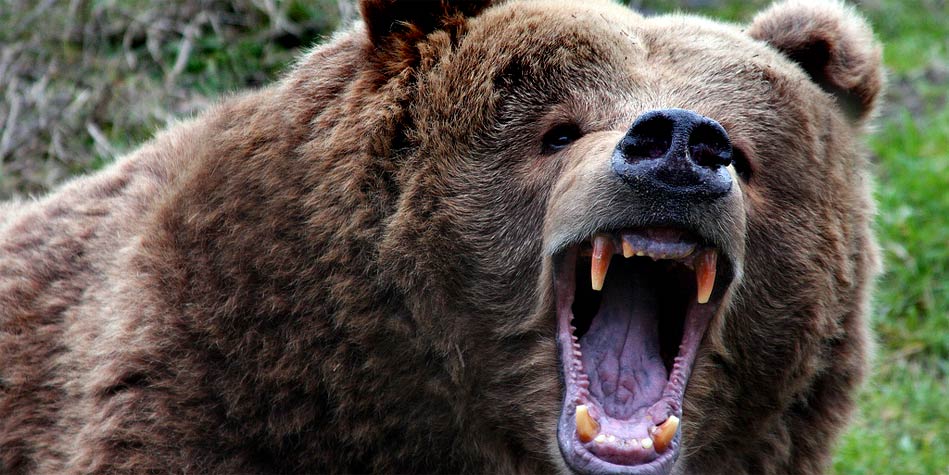
mchec.org – The Kodiak bear (Ursus arctos middendorffi) is a unique subspecies of brown bear found exclusively on the Kodiak Archipelago in southwestern Alaska. Renowned for its immense size, the Kodiak bear is one of the two largest bear species in the world, rivaled only by the polar bear. These powerful omnivores play a vital role in the Kodiak Archipelago’s ecosystem. This article delves into the fascinating world of the Kodiak bear, exploring its biology, behavior, ecological role, and the conservation efforts that ensure its continued presence in this remote and rugged landscape.
Taxonomy and Physical Characteristics: A Subspecies of Brown Bear
The Kodiak bear is a subspecies of the brown bear (Ursus arctos). Its scientific name, Ursus arctos middendorffi, honors the Russian naturalist Alexander von Middendorff. Key physical characteristics that define the Kodiak bear include:
- Exceptional Size: Kodiak bears are among the largest living bears, with males typically weighing between 300 and 600 kg (660 and 1,320 lb), and sometimes exceeding 700 kg (1,540 lb). Females are generally smaller, weighing between 200 and 300 kg (440 and 660 lb). Their size is attributed to the rich food resources available on the archipelago.
- Robust Build: Like other brown bears, Kodiak bears have a powerful, muscular build with a pronounced shoulder hump, which is a mass of muscle that provides strength for digging and foraging.
- Large Paws and Claws: Their large paws with long, non-retractable claws are well-suited for digging, capturing prey, and navigating the varied terrain of the archipelago.
- Fur Coloration: Their fur color ranges from light blond to dark brown, sometimes with grizzled tips on the guard hairs.
Behavior and Social Structure: Solitary Except During Breeding and Rearing
Kodiak bears are generally solitary animals, except for mothers with cubs and during the breeding season.
- Solitary Nature: They typically roam individually, establishing home ranges that can vary in size depending on food availability.
- Maternal Care: Female Kodiak bears are devoted mothers, caring for their cubs for about two to three years. Cubs learn essential survival skills from their mothers, including foraging techniques and how to avoid danger.
- Breeding Season: The breeding season typically occurs in the spring. Males compete for access to females, and after mating, the fertilized egg undergoes delayed implantation, meaning it does not implant in the uterus until the fall.
- Denning: During the winter months, Kodiak bears hibernate in dens, which they excavate in hillsides or under tree roots. They enter a state of dormancy to conserve energy during periods of food scarcity.
Diet and Foraging: Opportunistic Omnivores
Kodiak bears are opportunistic omnivores with a varied diet that changes seasonally.
- Salmon: Salmon are a crucial food source for Kodiak bears, especially during the summer months when salmon return to the rivers to spawn. Bears congregate along rivers and streams, catching salmon with their powerful paws and jaws.
- Berries and Vegetation: Berries, roots, grasses, and other vegetation are important food sources, especially in the spring and fall.
- Other Prey: They also consume other prey, such as deer, elk (on Afognak Island), small mammals, birds, and carrion.
Ecological Role: Keystone Species and Ecosystem Engineers
Kodiak bears play a crucial role in the Kodiak Archipelago’s ecosystem.
- Top Predators: As apex predators, they help regulate populations of prey species.
- Nutrient Cycling: By consuming salmon and other prey and then depositing their scat throughout the ecosystem, they contribute to nutrient cycling.
- Seed Dispersal: They also disperse seeds of berries and other fruits through their scat.
- Habitat Modification: Their digging and foraging activities can influence vegetation patterns and create habitat for other species.
Threats and Conservation: A Well-Managed Population
Unlike many other bear populations, Kodiak bear populations are currently healthy and well-managed.
- Historical Overhunting: In the past, Kodiak bears were subject to overhunting, which led to population declines. However, strict hunting regulations and conservation efforts have helped to restore their numbers.
- Habitat Protection: The establishment of Kodiak National Wildlife Refuge in 1941 has played a vital role in protecting crucial bear habitat.
- Sustainable Hunting Management: Hunting is carefully regulated to ensure that it does not negatively impact the bear population.
- Human-Bear Interactions: Managing human-bear interactions is important to minimize conflicts and ensure the safety of both humans and bears.
Current Population and Distribution: Confined to the Kodiak Archipelago
Kodiak bears are found exclusively on the Kodiak Archipelago, which includes Kodiak Island, Afognak Island, and several smaller islands. The population is estimated to be around 3,500 bears, making it one of the densest brown bear populations in the world.
Conclusion: A Success Story of Wildlife Management
The Kodiak bear stands as a success story of wildlife management and conservation. Through careful regulation of hunting, habitat protection, and ongoing research and monitoring, these magnificent giants continue to thrive in their unique island ecosystem. The continued commitment to responsible management and minimizing human-bear conflicts will be essential to ensure that the Kodiak bear remains a powerful symbol of the Alaskan wilderness for generations to come. Preserving the Kodiak bear is not just about protecting a single subspecies; it’s about safeguarding the integrity of the entire Kodiak Archipelago ecosystem and appreciating the power and beauty of the natural world.