
A Cinematic Journey into “Vizontele”

mchec.org – “Vizontele” is a celebrated Turkish film that captures the essence of rural life in Turkey during the 1970s. Directed by Yılmaz Erdoğan and Ömer Faruk Sorak, the film blends comedy and drama to tell a poignant story about the arrival of a new technology in a small Anatolian village. In this article, we will explore the film’s narrative, its cultural impact, and the themes that make it a timeless classic.

The Story of “Vizontele”

Set in the early 1970s, “Vizontele” revolves around the introduction of television to a remote Turkish village. The film’s title is a humorous take on how the villagers mispronounce “vision tele,” reflecting the novelty and mystery of television. The arrival of this new technology creates a stir in the village, sparking curiosity, excitement, and a bit of chaos.

The story centers on the village’s quirky inhabitants, including the mayor, Nazmi, who is determined to bring television to the village, and the eccentric Deli Emin, whose mechanical skills are put to the test as he attempts to make the television work. Through their eyes, we witness the village’s transformation and the varied reactions of its residents.

Themes of Change and Tradition

At its core, “Vizontele” explores the tension between tradition and modernity. The film depicts how the introduction of television—a symbol of progress and change—affects the villagers’ way of life. While some embrace the new technology with enthusiasm, others are skeptical, fearing the erosion of traditional values and customs.

This theme is further highlighted through the characters’ interactions and personal stories, illustrating the broader societal changes taking place in Turkey during this period. The film captures the bittersweet nature of progress, acknowledging both its potential benefits and the disruption it can cause.

Cultural Impact

“Vizontele” holds a special place in Turkish cinema for its authentic portrayal of rural life and its insightful commentary on societal change. The film resonated with audiences for its humor, heartfelt storytelling, and relatable characters, becoming a box-office success and a beloved classic.

The film’s cultural impact extends beyond its humor and entertainment value. It offers a window into the lives of ordinary people, reflecting the hopes, fears, and dreams of a community on the brink of change. Its universal themes of adaptation and resilience continue to resonate with audiences both in Turkey and internationally.

The Charm of “Vizontele”

One of the film’s enduring charms is its rich tapestry of characters, each with their own quirks and personalities. From the earnest mayor to the lovable Deli Emin, the characters bring warmth and humor to the story, making the village feel like a place the audience knows and loves.

The film’s use of humor is both lighthearted and insightful, offering a gentle critique of societal norms and the challenges of modernization. This balance of comedy and drama allows “Vizontele” to explore complex themes while remaining accessible and entertaining.

Conclusion

“Vizontele” is a cinematic gem that captures the spirit of a bygone era with humor, heart, and insight. Its portrayal of change in a small village serves as a microcosm of broader societal shifts, offering timeless lessons about adaptation, community, and the enduring power of human connection. As viewers, we are invited to reflect on our own experiences with change and progress, making “Vizontele” a film that continues to resonate across generations.
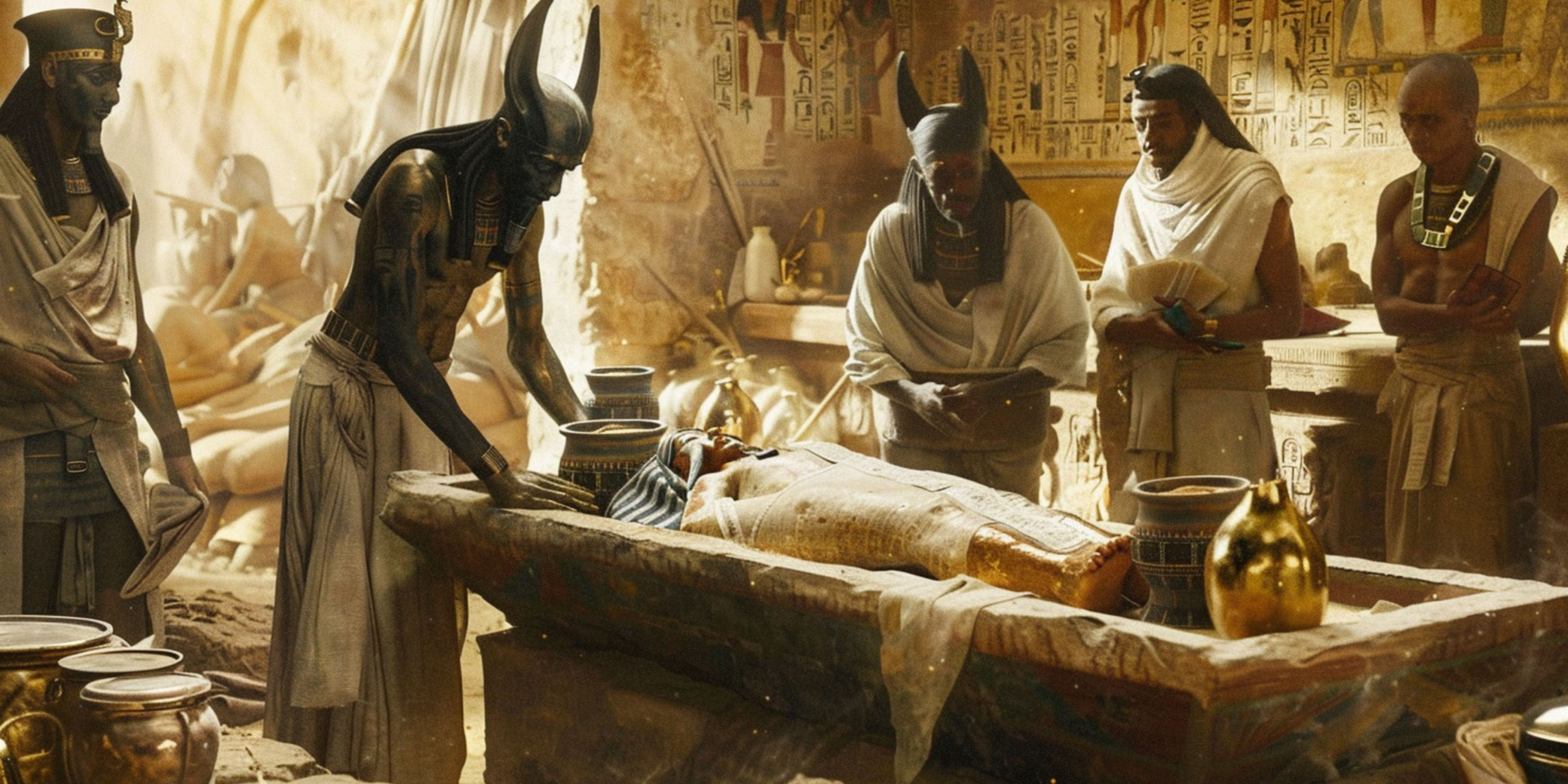
The Journey to the Afterlife: Mummies in Ancient Beliefs

mchec.org – The concept of an afterlife has been a cornerstone of many ancient cultures, shaping their rituals and practices surrounding death. Mummification, a process intricately linked to these beliefs, was seen as a vital step in preparing the deceased for their journey beyond the mortal realm. This article delves into the fascinating ways different civilizations perceived the afterlife and the role mummies played in these beliefs.

Egyptian Afterlife: The Eternal Journey

In ancient Egypt, the afterlife was viewed as a continuation of life on earth, known as the “Field of Reeds.” The preservation of the body through mummification was essential for the soul’s journey. Egyptians believed that the soul consisted of several parts, including the “ka” and “ba,” which needed a preserved body to return to. Elaborate burial rituals, including the placement of goods and amulets in the tomb, were meant to protect and guide the deceased in the afterlife.

The Mummies of the Andes: Ancestors and Guardians

For the Andean cultures, such as the Inca and the Chinchorro, mummification was a way to honor ancestors and maintain a connection with them. The mummified bodies were often treated as living family members, playing roles in ceremonies and decision-making processes. These cultures believed that the spirits of the dead could offer protection and guidance, making mummies integral to both religious and social practices.

Chinese Beliefs: Immortality and Preservation

In ancient China, beliefs about the afterlife were closely tied to the concept of immortality. The wealthy and powerful sought to preserve their bodies through intricate burial practices, including jade suits and elaborate tombs filled with goods for the afterlife. The Chinese believed that proper burial and preservation could ensure a favorable position in the afterlife, reflecting their deep respect for ancestors and the continuation of lineage.

The Influence of Mummification on Modern Perspectives

While the practice of mummification has largely faded, its influence persists in modern perspectives on death and the afterlife. The fascination with mummies continues to inspire literature, art, and film, reflecting humanity’s enduring curiosity about what lies beyond death. The study of ancient mummies also provides valuable insights into the cultural and spiritual lives of past civilizations, enriching our understanding of their beliefs and values.

Conclusion

Mummies offer a unique window into the ancient world’s views on death and the afterlife. By preserving the body, these cultures sought to ensure a safe and prosperous journey beyond the grave. As we continue to explore these ancient practices, we gain a deeper appreciation for the diverse ways humans have sought to understand and navigate the mysteries of the afterlife, reflecting timeless questions about existence and continuity.

Lunana: A Yak in the Classroom – A Heartwarming

mchec.org – “Lunana: A Yak in the Classroom” is a 2019 Bhutanese drama film directed by Pawo Choyning Dorji. The film tells the story of Ugyen Dorji, an unmotivated teacher from the capital city of Thimphu, who is assigned to teach in the remote village of Lunana. This film not only captures the essence of Bhutan’s philosophy of Gross National Happiness (GNH) but also offers a poignant narrative of personal growth and community connection.

The Story

Ugyen Dorji, an aspiring musician, is less than thrilled about his assignment to teach in Lunana, a village so remote that it is often referred to as the “dark valley.” The village is home to only 56 people, and the schoolhouse is a simple wooden hut with mud walls. Ugyen’s initial reluctance is palpable as he struggles to adapt to the harsh conditions and the stark contrast between his urban life and the rural simplicity of Lunana.

However, as Ugyen begins to engage with the community and his students, he starts to see the value in his role as a teacher. The children’s enthusiasm for learning and their dreams of a better future gradually awaken Ugyen to the importance of his mission. The presence of a yak named Norbu in the classroom, which serves as a source of warmth during the cold winters, symbolizes the community’s resilience and the transformative power of education.

Themes and Messages

Gross National Happiness (GNH)

One of the central themes of the film is Bhutan’s philosophy of Gross National Happiness, which prioritizes psychological well-being and community vitality over economic prosperity. This philosophy is reflected in the film’s portrayal of the village’s contentment despite its lack of modern amenities. Ugyen’s journey from a disinterested teacher to a dedicated educator mirrors the film’s broader message about finding happiness and fulfillment in unexpected places.

Personal Growth and Community Connection

The film beautifully illustrates the transformative power of personal growth and community connection. Ugyen’s initial reluctance and eventual acceptance of his role in Lunana highlight the importance of embracing new experiences and the impact one can have on others. The bond that forms between Ugyen and the children, as well as the broader community, underscores the film’s message about the interconnectedness of human experiences.

Critical Acclaim and Impact

“Lunana: A Yak in the Classroom” has received widespread acclaim for its gentle narrative and authentic portrayal of Bhutanese life. The film was nominated for Best International Feature Film at the 93rd Academy Awards, bringing international attention to Bhutan and its unique cultural values. Critics have praised the film for its ability to engage audiences with its simple yet profound storytelling.

Conclusion

“Lunana: A Yak in the Classroom” is a heartwarming tale of transformation and connection. Through the journey of Ugyen Dorji, the film explores themes of personal growth, community, and the pursuit of happiness. It serves as a reminder of the power of education and the importance of embracing new experiences with an open heart. The film’s success at the Oscars and its critical acclaim highlight its universal appeal and the timeless messages it conveys.