
The Journey to the Afterlife: Mummies in Ancient Beliefs

mchec.org – The concept of an afterlife has been a cornerstone of many ancient cultures, shaping their rituals and practices surrounding death. Mummification, a process intricately linked to these beliefs, was seen as a vital step in preparing the deceased for their journey beyond the mortal realm. This article delves into the fascinating ways different civilizations perceived the afterlife and the role mummies played in these beliefs.

Egyptian Afterlife: The Eternal Journey

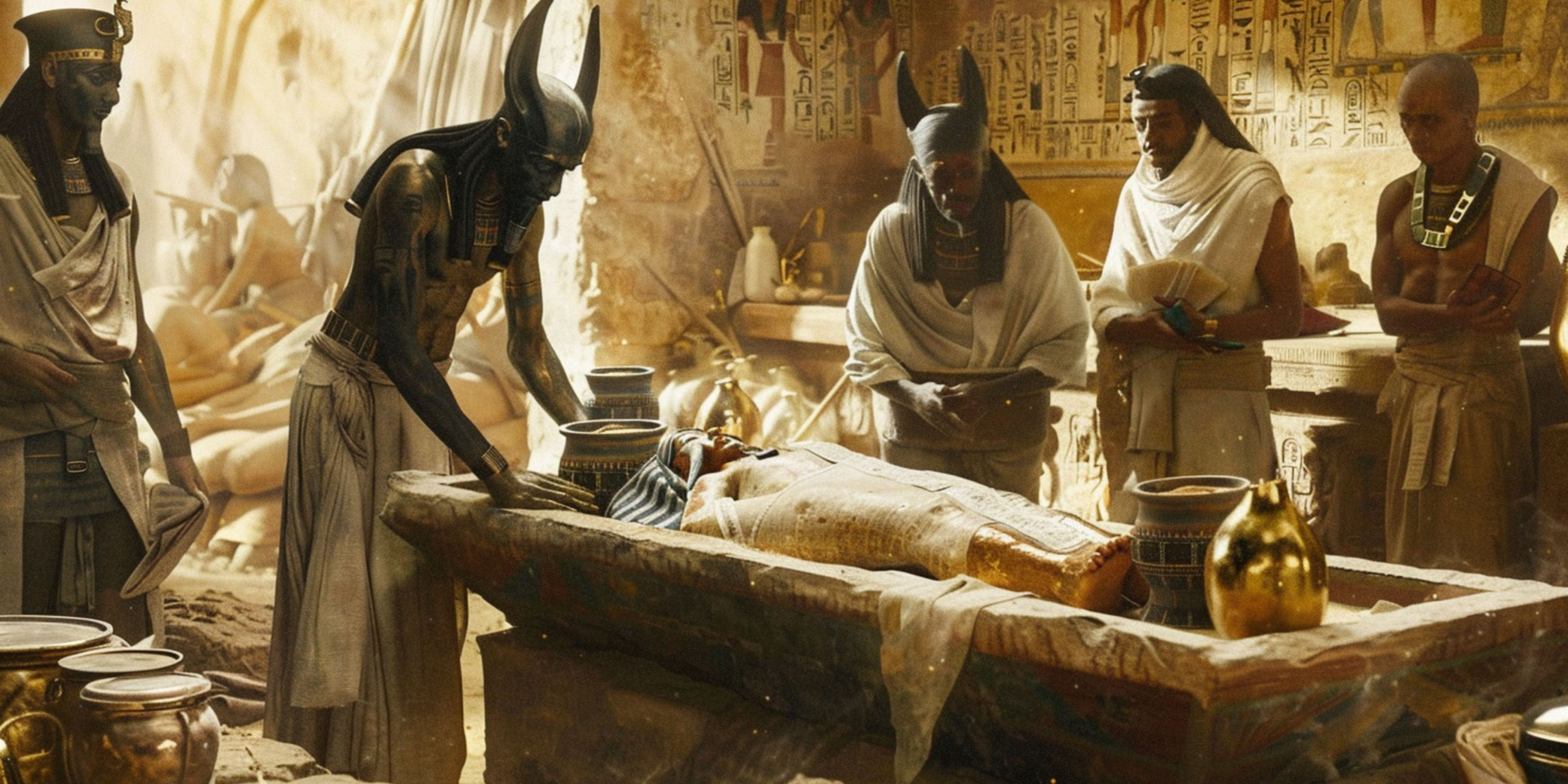
In ancient Egypt, the afterlife was viewed as a continuation of life on earth, known as the “Field of Reeds.” The preservation of the body through mummification was essential for the soul’s journey. Egyptians believed that the soul consisted of several parts, including the “ka” and “ba,” which needed a preserved body to return to. Elaborate burial rituals, including the placement of goods and amulets in the tomb, were meant to protect and guide the deceased in the afterlife.

The Mummies of the Andes: Ancestors and Guardians

For the Andean cultures, such as the Inca and the Chinchorro, mummification was a way to honor ancestors and maintain a connection with them. The mummified bodies were often treated as living family members, playing roles in ceremonies and decision-making processes. These cultures believed that the spirits of the dead could offer protection and guidance, making mummies integral to both religious and social practices.

Chinese Beliefs: Immortality and Preservation

In ancient China, beliefs about the afterlife were closely tied to the concept of immortality. The wealthy and powerful sought to preserve their bodies through intricate burial practices, including jade suits and elaborate tombs filled with goods for the afterlife. The Chinese believed that proper burial and preservation could ensure a favorable position in the afterlife, reflecting their deep respect for ancestors and the continuation of lineage.

The Influence of Mummification on Modern Perspectives

While the practice of mummification has largely faded, its influence persists in modern perspectives on death and the afterlife. The fascination with mummies continues to inspire literature, art, and film, reflecting humanity’s enduring curiosity about what lies beyond death. The study of ancient mummies also provides valuable insights into the cultural and spiritual lives of past civilizations, enriching our understanding of their beliefs and values.

Conclusion

Mummies offer a unique window into the ancient world’s views on death and the afterlife. By preserving the body, these cultures sought to ensure a safe and prosperous journey beyond the grave. As we continue to explore these ancient practices, we gain a deeper appreciation for the diverse ways humans have sought to understand and navigate the mysteries of the afterlife, reflecting timeless questions about existence and continuity.
Cyprus: Land of Contrasts and Ancient History Meets Modern Life

mchec.org – Cyprus, an island nation in the eastern Mediterranean, is a captivating destination that seamlessly blends the old with the new, the natural with the man-made, and the serene with the vibrant. This unique juxtaposition of contrasts creates a rich tapestry of experiences that make Cyprus a truly unique destination.

Ancient History Meets Modern Life

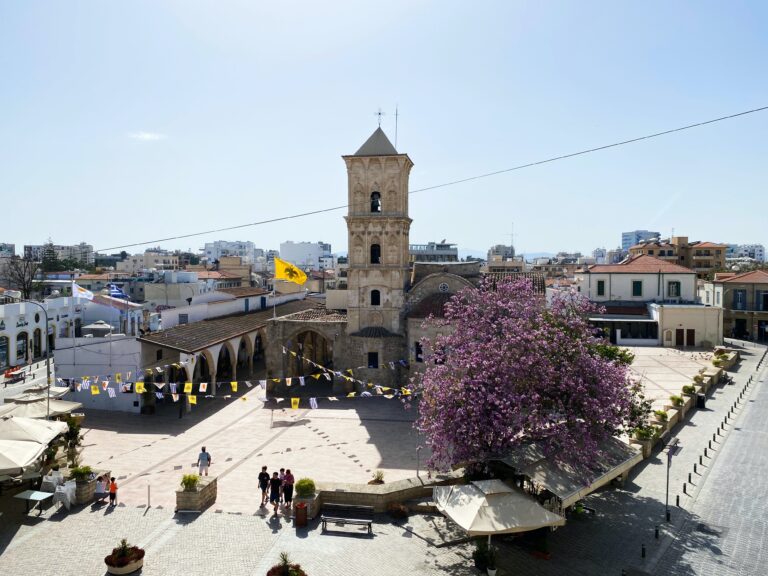
One of the most striking contrasts in Cyprus is the seamless integration of ancient history with modern life. The island is dotted with archaeological sites that date back thousands of years, such as the ancient city-kingdoms of Paphos, Kourion, and Salamis. Yet, these historical gems coexist harmoniously with the bustling cities of Nicosia, Limassol, and Larnaca, which are centers of commerce, culture, and contemporary living.

Paphos: A UNESCO World Heritage Site

Paphos, with its well-preserved ruins and stunning mosaics, offers a glimpse into the life of ancient Cyprus. Yet, just a stone’s throw away, visitors can enjoy the modern amenities and vibrant nightlife of the city, making Paphos a unique blend of the past and present.

Nicosia: The Divided Capital

Nicosia, the capital of Cyprus, is the last divided capital in the world, with the northern part of the city under the control of the Turkish Republic of Northern Cyprus and the southern part being the capital of the Republic of Cyprus. This division is a stark reminder of the island’s complex history and ongoing political situation. Despite this division, both parts of the city are vibrant and modern, with a mix of historical sites, museums, and modern shopping centers.

Natural Beauty and Urban Development

Cyprus is renowned for its natural beauty, with stunning beaches, rugged mountains, and lush valleys. However, this natural splendor is complemented by well-developed urban areas that offer a high standard of living and modern amenities.

The Troodos Mountains

The Troodos Mountains, with their pine forests, hiking trails, and traditional villages, offer a serene escape from the hustle and bustle of city life. Yet, these natural wonders are easily accessible from the island’s main cities, making it possible to experience both the tranquility of nature and the convenience of urban life in a single day.

Coastal Development

The Cypriot coastline is a prime example of how natural beauty and urban development can coexist. Towns like Ayia Napa and Protaras have developed into popular tourist destinations, with a plethora of resorts, restaurants, and nightlife options. However, these areas have managed to preserve their natural charm, with beautiful beaches and clear waters that remain unspoiled.

Cultural Traditions and International Influences

Cyprus’s culture is a rich blend of traditions that have been passed down through generations, alongside international influences that have shaped the island’s modern identity.

Traditional Customs and Festivals

The island’s cultural calendar is filled with traditional customs and festivals, such as the flower festival in spring and the cultural events that take place throughout the year. These celebrations are a testament to the enduring strength of Cypriot traditions and the importance of community and family.

Culinary Delights

Cypriot cuisine is another area where tradition meets innovation. Traditional dishes like meze, souvla, and halloumi cheese are enjoyed alongside international cuisine, reflecting the island’s diverse culinary influences. The fusion of flavors and cooking styles creates a unique gastronomic experience that is both authentic and cosmopolitan.

Conclusion

Cyprus is a land of contrasts, where ancient history and modern life, natural beauty and urban development, and cultural traditions and international influences coexist in perfect harmony. This unique blend creates a rich tapestry of experiences that make Cyprus a truly special destination. Whether you’re exploring ancient ruins, relaxing on a sun-drenched beach, or indulging in delicious cuisine, Cyprus promises an unforgettable journey through its many contrasts.