mchec.org – The ermine (Mustela erminea), also known as the stoat in its summer coat, is a small yet highly efficient predator belonging to the Mustelidae family. Renowned for its remarkable fur color change during the winter months, the ermine is an iconic animal in the wild. This article will explore the ermine’s physical characteristics, behavior, ecological significance, and cultural importance.
1. What is the Ermine?
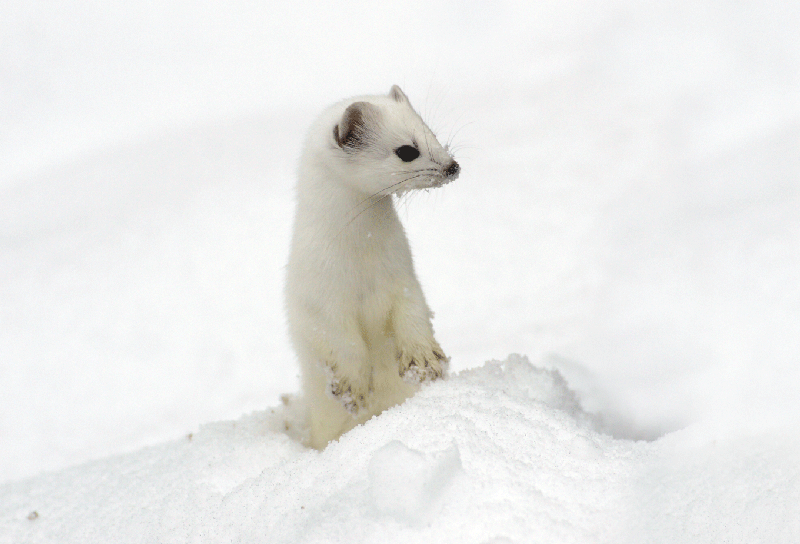
The ermine is a small carnivorous mammal in the Mustela genus, related to other mustelids such as weasels, ferrets, and minks. Found across northern regions of the globe, including North America, Europe, and parts of Asia, the ermine is a versatile and adaptive predator. It is particularly notable for its winter coat, which turns a pure white, except for the black-tipped tail.
Despite its small size, the ermine is a fierce and efficient hunter, preying on small mammals, birds, and insects. Its diet, hunting techniques, and unique seasonal coat make it an exceptional example of evolution’s ingenuity in adaptation to changing environments.
2. Physical Characteristics of the Ermine
The ermine’s small, elongated body and sharp features make it a skilled and stealthy predator. It typically measures 8 to 13 inches in length, with an additional tail length of 3 to 5 inches. In the summer months, the ermine’s fur is a rich brown with a pale yellowish belly, allowing it to blend into its woodland and grassland habitats.
However, the most striking feature of the ermine is its winter transformation. As the temperature drops and winter sets in, the ermine’s brown fur changes to an all-white coat, providing excellent camouflage against the snow-covered landscape. The only part of the coat that retains its color is the black-tipped tail, a signature characteristic of the ermine. This seasonal transformation not only aids in survival but also serves as a natural marvel of adaptation.
3. The Ermine’s Hunting and Diet
Ermines are carnivorous animals that primarily hunt small mammals such as mice, voles, and rabbits. They are also known to prey on birds, eggs, and insects. Despite their small size, ermines are efficient and fearless hunters, capable of tackling prey much larger than themselves. They often hunt by stealth, using their agility and speed to chase and ambush their targets.
The ermine’s hunting style is characterized by quick, precise movements. It relies on its sharp senses of sight and smell to locate prey. Their slender bodies enable them to chase their quarry into burrows, cracks, and other narrow spaces, making escape difficult for their prey. Once caught, the ermine kills its prey quickly by targeting vital areas, such as the neck.
4. Behavior and Social Life of the Ermine
The ermine is primarily a solitary animal, only coming together with others during the breeding season. It is highly territorial and will mark its territory using scent markings from glands located near its tail. These markings help communicate its presence to other ermines and deter potential rivals from entering its territory.
During the mating season, which typically occurs in late spring or early summer, male ermines seek out females, and after a brief courtship, mating occurs. Female ermines give birth to litters of up to 10 kits, which are born blind and helpless. After several weeks, the young begin to grow and venture out of the den, learning to hunt and fend for themselves.
5. Ecological Role of the Ermine
Ermines play a crucial role in their ecosystem as predators of small mammals. By controlling populations of rodents and other small animals, ermines help to maintain a balance in the food web. Their hunting activity helps prevent the overpopulation of prey species, which could otherwise lead to overgrazing and disruption of plant life.
Additionally, ermines are an important food source for larger predators, such as foxes, birds of prey, and owls. This makes the ermine an essential part of the food chain, contributing to the biodiversity and stability of ecosystems.
6. The Ermine’s Conservation Status
Overall, the ermine is not considered to be at risk. However, certain populations of ermines face threats due to habitat loss, changes in climate, and human activities. In some regions, habitat destruction or the introduction of non-native species can reduce the ermine’s natural range and food sources.
Despite these threats, the ermine is often found in relatively stable populations, and conservation efforts typically focus on habitat preservation and ensuring the sustainability of local ecosystems. Protecting the ermine’s habitat helps safeguard not only the ermine itself but also the many other species that share its environment.
7. Fun Facts About the Ermine
- The ermine’s fur has been historically prized for its beauty, particularly the white winter coat, which was once worn by European royalty in ceremonial robes.
- Ermines are incredibly agile and can leap up to 3 feet in a single bound, allowing them to easily chase down or escape from predators.
- The black tip of the ermine’s tail is often used as a distinguishing feature, especially in the fur trade and in cultural depictions.
- Despite their small size, ermines are known to hunt prey that can be much larger than themselves, such as rabbits and large birds.
8. Conclusion
The ermine is a remarkable creature, with its striking fur transformation, incredible hunting skills, and role in maintaining ecological balance. As a symbol of adaptability, the ermine demonstrates the power of nature to evolve and thrive in a range of environments. Whether blending into a snowy landscape or chasing down prey with remarkable agility, the ermine continues to be a symbol of survival, strength, and beauty in the natural world.