
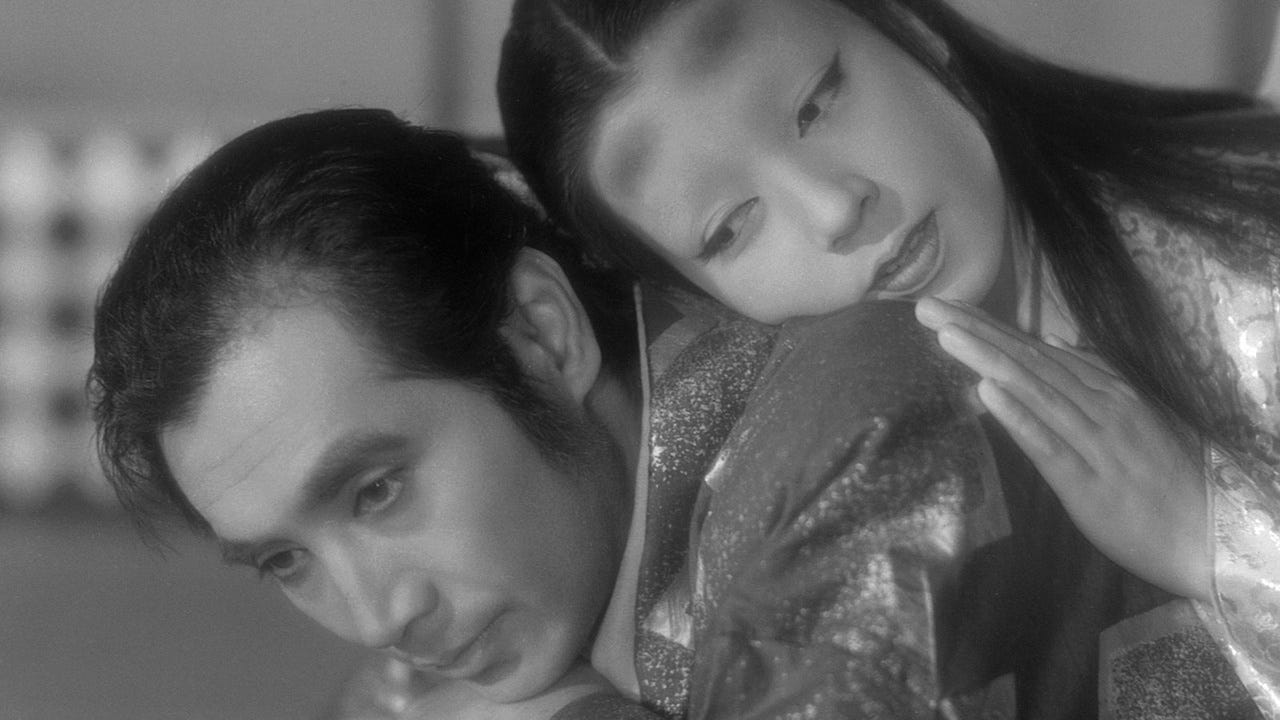
Ugetsu (1953): A Haunting Tale of Love, and Ambition

mchec.org – Ugetsu (1953), directed by Kenji Mizoguchi, is a landmark film in Japanese cinema that blends historical drama, romance, and the supernatural to create an unforgettable narrative. Set during Japan’s Warring States period, Ugetsu tells the story of two peasant families whose lives are changed by ambition, desire, and supernatural forces. Known for its striking cinematography, powerful performances, and exploration of timeless themes, Ugetsu is widely regarded as one of the greatest films of its era and a key work in Mizoguchi’s illustrious career.

The film’s mix of realism and supernatural elements, combined with its profound commentary on the human condition, gives it a timeless quality that resonates with audiences even today. Ugetsu is not just a story about the supernatural—it is a meditation on the destructive power of ambition, the fragility of human relationships, and the consequences of human desires.

Plot Overview: A Tale of Two Families

The film follows two main characters: Genjuro (played by Masayuki Mori), a poor potter, and his friend Tobei (played by Eitaro Ozawa), a farmer with dreams of becoming a samurai. The two men, along with their wives, live in a small village ravaged by the chaos of war. Driven by the hope of securing wealth and status, both Genjuro and Tobei leave their families behind and venture to the battlefield, where their lives take tragic and supernatural turns.

Genjuro’s journey begins when he is seduced by the promise of fortune and a better life. His wife, Miyagi (played by Kinuyo Tanaka), pleads with him to stay and care for their son, but Genjuro is determined to make something of himself. He finds success as a potter, but his ambition and growing desire for power lead him into dangerous and morally compromising situations. His life becomes intertwined with the ghostly and tragic Lady Wakasa (played by Machiko Kyo), who embodies both beauty and danger.

Meanwhile, Tobei, obsessed with his dream of becoming a samurai, also abandons his wife, Ohama (played by Miyoshi Umeki), and ventures off to fight in the war. His journey takes him into the world of deception and illusion, where his dreams of honor and glory collide with reality, leading to devastating consequences.

The film weaves together the fates of these two families, with both Genjuro and Tobei falling prey to their desires, ultimately paying a heavy price. At the core of Ugetsu is the theme of human folly—the characters are driven by their own selfish ambitions, which blind them to the love and connections they leave behind.

Themes of Desire, Ambition, and Tragic Consequences

Ugetsu is a powerful exploration of the destructive forces of ambition and desire. Both Genjuro and Tobei are motivated by the belief that they can improve their lives by abandoning their families and seeking wealth, status, and glory. However, the film shows how these desires ultimately lead to their downfall. Genjuro’s pursuit of wealth and power through his pottery and his affair with Lady Wakasa leaves him emotionally distant from his wife and son. His ambition drives him to make morally questionable choices, and he ultimately loses everything that truly matters.

Tobei, too, is consumed by his ambition to become a samurai, even if it means abandoning his wife and risking his life in battle. In the end, his dreams are shattered, and he is left to reflect on the futility of his aspirations. Mizoguchi’s direction emphasizes the vulnerability and transience of human desires, suggesting that the pursuit of fame, power, and wealth often comes at the expense of true happiness and personal fulfillment.

At its heart, Ugetsu is a meditation on the fragility of human relationships. The film explores the way in which ambition, selfishness, and greed can tear apart the bonds between individuals, leaving behind only regret and loss. The supernatural elements in the film serve to underscore the emotional and psychological toll of these destructive desires, adding a layer of otherworldly mystery to the characters’ fates.

Supernatural Elements: Ghosts and Illusions

The supernatural elements in Ugetsu are integral to its emotional and thematic impact. Mizoguchi blends the realism of the historical setting with ghostly apparitions and eerie visions, creating a haunting atmosphere that reflects the characters’ internal struggles. The ghosts in Ugetsu are not simply traditional spirits seeking revenge—they embody the emotional and moral consequences of the characters’ actions.

Lady Wakasa, for example, is a spectral figure who lures Genjuro with promises of beauty and wealth, but her ghostly nature reveals the danger and illusion behind her allure. The relationship between Genjuro and Lady Wakasa is symbolic of his own moral decay and the consequences of his obsession with worldly desires. Similarly, Tobei’s encounter with the ghostly figures of his past reflects the emptiness and disillusionment of his own dreams of becoming a samurai.

The supernatural elements also serve to highlight the emotional and spiritual emptiness that the characters experience. Mizoguchi uses the ghosts and visions to symbolize the emotional toll of war, ambition, and personal loss, blending reality and the supernatural to create a sense of unease and tragedy.

Cinematic Style: Visual Elegance and Symbolism

Mizoguchi’s direction in Ugetsu is a masterclass in visual storytelling. The film’s cinematography, by Kazuo Miyagawa, is both elegant and expressive, with striking compositions that emphasize the emotional depth of the characters’ experiences. The use of light and shadow, particularly in the scenes involving Lady Wakasa and the supernatural elements, adds to the film’s haunting atmosphere.

The film’s mise-en-scène is equally powerful, with the stark contrast between the rural poverty of the characters’ village and the opulence of the ghostly world serving as a visual metaphor for the characters’ internal conflicts. The scenes in the misty, moonlit landscapes create a sense of otherworldliness, blending the mundane with the ethereal.

Mizoguchi’s careful use of long takes and restrained camera movement allows the emotional weight of the story to unfold gradually, building a sense of inevitability and tragedy. The director’s subtle yet powerful use of symbolism, such as the recurring motif of water, further enhances the film’s themes of fleeting life and the destructive power of desire.

Legacy and Influence

Ugetsu is widely regarded as one of the greatest films in the history of Japanese cinema. It won the Silver Lion at the Venice Film Festival in 1953 and was nominated for the Academy Award for Best Foreign Language Film. Its success helped solidify Mizoguchi’s reputation as one of Japan’s most important filmmakers and introduced his work to international audiences.

The film’s blend of historical realism, supernatural elements, and psychological depth has influenced filmmakers around the world, and it remains a key reference for those exploring themes of ambition, love, and loss. The eerie beauty and emotional complexity of Ugetsu have made it a timeless classic that continues to be studied and admired by cinephiles and scholars alike.

Conclusion: A Timeless Story of Human Folly and Redemption

Ugetsu is a haunting and poetic film that explores the darker aspects of human nature—ambition, desire, and the consequences of our actions. Mizoguchi’s masterful direction, combined with his ability to blend the supernatural with the real, makes Ugetsu a deeply affecting and thought-provoking film. It is a story of love, loss, and the eternal struggle between desire and responsibility. Through its timeless themes and unforgettable imagery, Ugetsu remains a cornerstone of Japanese cinema and a cinematic masterpiece that continues to resonate with audiences around the world.
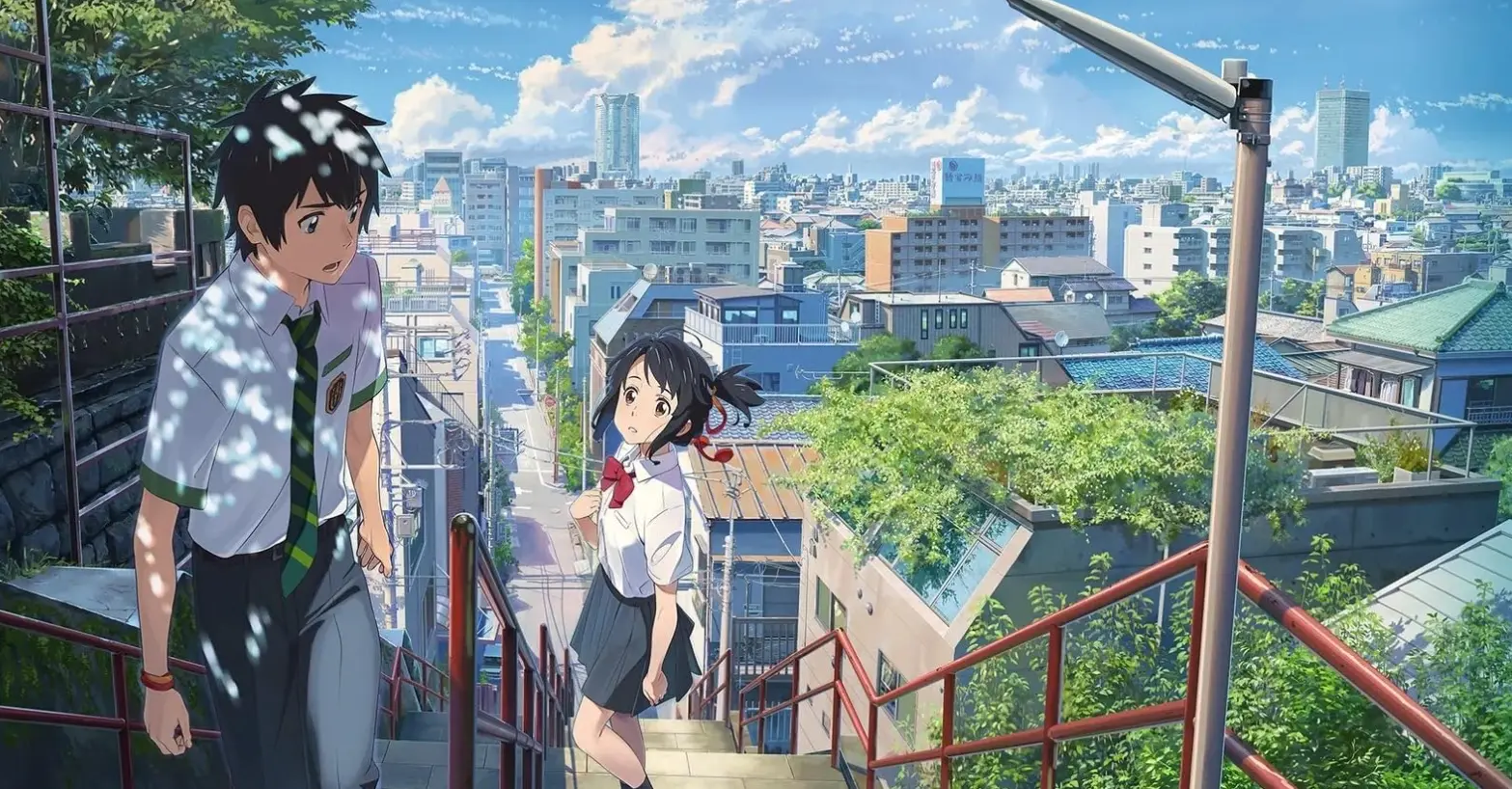
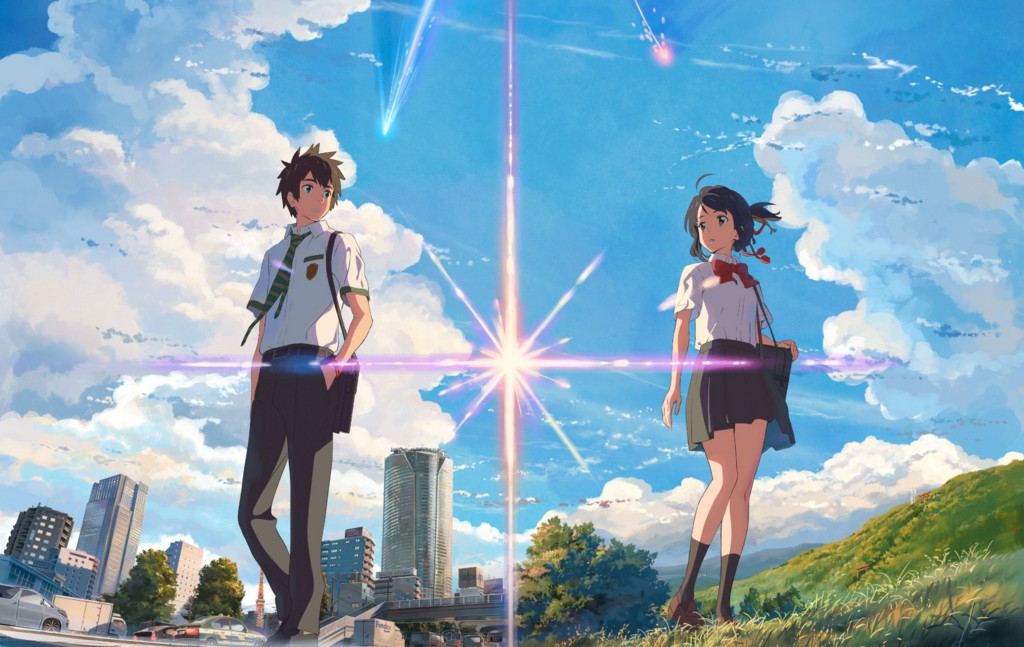
Your Name (2016): A Beautifully Tale of Love, Time, & Fate

mchec.org – Your Name (Kimi no Na wa), directed by Makoto Shinkai, is a breathtaking anime film that captivated audiences worldwide with its stunning animation, emotionally resonant story, and exploration of time, identity, and love. Released in 2016, Your Name became a global phenomenon, quickly becoming one of the highest-grossing anime films of all time. The film is not only a visual masterpiece but also a deeply emotional and thought-provoking narrative that explores the connection between two young people who are mysteriously linked across time and space.

At its core, Your Name is a love story, but it is also much more than that. The film delves into the themes of destiny, memory, and the fleeting nature of time, with its two protagonists—Mitsuha and Taki—learning about each other’s lives in an unexpected and mystical way. The emotional depth, combined with Shinkai’s signature art direction and innovative storytelling, has made Your Name a landmark in modern anime cinema and a cultural touchstone for audiences both in Japan and abroad.

Plot Overview

The story of Your Name revolves around two high school students: Mitsuha Miyamizu (voiced by Mone Kamishiraishi), a girl living in the rural town of Itomori, and Taki Tachibana (voiced by Ryunosuke Kamiki), a boy from the bustling city of Tokyo. The two are living separate lives, each dealing with their own set of personal challenges, when one day they inexplicably begin swapping bodies. This strange phenomenon occurs without warning and without any understanding of how or why it’s happening.

As Mitsuha and Taki exchange places, they must navigate the other’s life, learning about each other’s routines, friendships, and family dynamics. Initially, the two are disoriented and confused, but they gradually adapt to the situation by leaving notes for each other and setting guidelines to make the swaps more manageable. Over time, their relationship deepens, and they begin to care for one another, even though they have never met face-to-face.

The film’s plot takes a significant turn when Taki, in Mitsuha’s body, visits her small town of Itomori, only to discover that it has been destroyed by a meteor impact three years earlier. The shock of this revelation forces Taki and Mitsuha to confront the nature of their connection and the powerful forces of fate and time that bind them together.

Themes: Time, Fate, and Connection

The Power of Time and Memory

At its heart, Your Name is a film about the passage of time and the way memories shape our identities and relationships. The concept of time plays a crucial role in the narrative, with Taki and Mitsuha living in separate timelines—one that is present and one that is three years in the past. This temporal disconnect creates a sense of urgency and longing in the film, as the two characters try to understand how they are connected despite the barriers of time.

The film’s portrayal of memory is also central to the story. Mitsuha and Taki’s memories of their body-swapping experiences are fragmented and elusive, adding to the mystery of their connection. The fleeting nature of their memories echoes the theme of impermanence, and the idea that time, once lost, cannot be recovered. This sense of time slipping away creates a deep emotional resonance, as both characters struggle to retain the bond they share despite the forces that seem to pull them apart.

Fate and the Unseen Connections Between People

Fate is another prominent theme in Your Name, as it explores the idea that some connections are predestined, transcending time and space. The film weaves a complex narrative that questions the role of fate in shaping our lives and relationships. Mitsuha and Taki’s bond is not merely coincidental—it is the result of an unexplainable, almost mystical force that ties them together across time. This force is embodied in the meteor that connects the two characters’ timelines, suggesting that certain events and people are destined to intersect, even if we are unaware of it.

As the plot unfolds, the characters begin to realize that their connection is not a random occurrence. It is a result of some larger, cosmic design, hinting at the idea that even in the most chaotic and unpredictable of lives, there may be an invisible hand guiding us toward one another. The film suggests that the threads of fate weave us together in unexpected ways, and even when we are separated by time, we may still find ways to reconnect.

Love and Longing

Love is perhaps the most poignant and universal theme explored in Your Name. The film is, at its core, a love story that transcends physical boundaries and defies the constraints of time. Despite the initial confusion of body swapping, Mitsuha and Taki form a deep emotional bond, and their feelings for each other grow stronger with every exchange. The longing to meet face-to-face and the uncertainty of their connection create a sense of yearning and desire that runs through the entire film.

Their love story is marked by a sense of lost time—by the time Taki and Mitsuha are finally able to meet, years have passed, and the connection they shared in the past is not easily reclaimed. This adds an element of tragedy to their relationship, as the characters must navigate the difficulties of fate, memory, and time in order to be together. Your Name beautifully captures the bittersweet nature of love, showing how it can be elusive and fleeting, yet powerful enough to transcend time itself.

Identity and Self-Discovery

As Mitsuha and Taki switch bodies, they are forced to confront aspects of themselves that they have never considered before. The body-swap trope in the film serves as a powerful metaphor for self-discovery, as the two characters learn to see the world through each other’s eyes. Mitsuha, who lives in the rural countryside, gains a new perspective on life in the city through Taki’s experiences, while Taki, who is used to the fast-paced life of Tokyo, learns about the quiet, traditional life that Mitsuha leads.

This exploration of identity is particularly poignant as both characters struggle with their sense of self. Mitsuha feels disconnected from her town and family, desiring a different life, while Taki, though seemingly content, feels that something is missing in his own life. Through their experiences of living in each other’s bodies, they come to a greater understanding of themselves and the people around them, ultimately realizing that they must work together to overcome the obstacles that separate them.

Animation and Visual Style

One of the most striking aspects of Your Name is its breathtaking animation. Makoto Shinkai, known for his attention to detail and his ability to create visually stunning works, elevates the film to new heights with its vibrant and meticulously crafted scenes. The landscapes in Your Name are some of the most beautifully rendered in modern anime, with the breathtaking cityscapes of Tokyo and the serene beauty of Itomori’s rural countryside providing a stunning contrast.

Shinkai’s use of light and color is particularly noteworthy, with the film’s use of sunset and sunrise imagery serving as a metaphor for the passage of time and the emotional arcs of the characters. The film also makes creative use of visual motifs, such as the red string of fate, to symbolize the deep connections between the characters.

The animation of the body-swapping sequences is fluid and dynamic, capturing the confusion and disorientation that Mitsuha and Taki experience as they navigate each other’s lives. The smooth transitions between their bodies emphasize the intimate nature of their connection and make their eventual reunion all the more impactful.

The score, composed by Radwimps, complements the film’s visual beauty with its emotionally charged music. The soundtrack enhances the mood of each scene, from the gentle piano melodies that evoke a sense of nostalgia to the powerful, sweeping orchestrations that accompany the film’s more dramatic moments. The music serves as a key emotional driver, reinforcing the themes of longing, love, and time.

Legacy and Reception

Upon its release, Your Name received widespread acclaim for its emotional depth, stunning animation, and intricate storytelling. It was praised for its ability to resonate with audiences worldwide, transcending cultural boundaries and appealing to viewers of all ages. The film became a box office sensation, grossing over $350 million globally and becoming the highest-grossing anime film ever at the time of its release.

Your Name has also been recognized for its contribution to the world of anime and cinema in general, with many critics and audiences citing it as a modern classic. Its success has brought Shinkai international recognition, solidifying his place as one of the leading directors in contemporary anime. The film’s blend of fantasy, romance, and science fiction has inspired numerous works of art, fan fiction, and even live-action adaptations.

Conclusion

Your Name (2016) is a powerful and visually stunning film that explores themes of love, time, fate, and self-discovery. Through its intricate narrative, beautiful animation, and emotionally resonant story, the film has captured the hearts of audiences around the world. Makoto Shinkai’s direction and storytelling mastery make Your Name a timeless exploration of the ways in which our lives are intertwined by forces beyond our control. It is a film that celebrates the fleeting nature of time, the power of human connection, and the enduring hope that love can transcend all obstacles.

Your Name. (Kimi no Na wa.): A Tale of Connection & Fate

mchec.org Your Name. (Kimi no Na wa.) is a 2016 Japanese animated romantic fantasy film written and directed by Makoto Shinkai. Produced by CoMix Wave Films, the film tells the story of Taki Tachibana, a high school boy living in Tokyo, and Mitsuha Miyamizu, a high school girl living in the rural town of Itomori, who inexplicably begin to swap bodies intermittently.   

A Strange Phenomenon: Body Swapping

The narrative opens with a peculiar phenomenon: Taki and Mitsuha find themselves waking up in each other’s bodies. Taki, accustomed to the bustling metropolis of Tokyo, suddenly finds himself in the serene, rural setting of Itomori, living as Mitsuha, a shrine maiden. Conversely, Mitsuha experiences the fast-paced life of a Tokyo high school student, navigating unfamiliar social dynamics and urban environments. Initially bewildered and disoriented, they gradually realize that these experiences are not mere dreams but actual body swaps, occurring sporadically and without warning. They begin leaving notes for each other on their phones, in notebooks, and even on their hands, creating a system of communication to navigate these disorienting episodes.   

Two Different Worlds: City and Countryside

The film beautifully contrasts the distinct lifestyles of Taki and Mitsuha. Taki’s life in Tokyo is depicted with vibrant cityscapes, crowded trains, and a focus on urban social interactions. He works part-time in an Italian restaurant and spends time with his friends. Mitsuha’s life in Itomori, nestled amidst picturesque mountains and a tranquil lake, reflects a slower pace of life, deeply intertwined with local traditions and customs, particularly those related to her family’s role as caretakers of the local shrine. This contrast emphasizes the cultural and personal differences between the two protagonists, making their connection even more compelling.

A Deepening Connection: Beyond Body Swapping

As the body swaps continue, Taki and Mitsuha begin to influence each other’s lives in profound ways. They inadvertently improve each other’s social standing, mend broken relationships, and even experience romantic interests through the other’s perspective. They start to anticipate the swaps, leaving detailed instructions and advice for each other. Through these shared experiences, a strong, albeit intangible, bond forms between them, transcending the physical distance and the strangeness of their situation. They begin to feel a deep sense of connection, a longing for someone they’ve never truly met.

The Comet Tiamat: A Catalyst for Tragedy

The backdrop of the story is the impending arrival of Comet Tiamat, a celestial event anticipated with excitement by the residents of Itomori. Mitsuha and her town are preparing for a traditional festival to celebrate the comet’s close approach. However, the comet becomes a harbinger of tragedy when a fragment breaks off and strikes Itomori, causing a devastating impact and obliterating the town.

A Race Against Time: Searching for a Lost Connection

After the comet’s impact, the body swapping abruptly ceases. Taki, deeply disturbed by a growing sense of unease and fragmented memories, decides to travel to Itomori, seeking to understand what has happened to Mitsuha and her town. He discovers the horrifying truth: Itomori was destroyed three years prior, and Mitsuha, along with many other residents, perished in the disaster. This realization throws Taki into despair, as he grapples with the loss of someone he felt deeply connected to, despite never having met her in her own time.   

The Twilight Time: A Moment of Reunion

Desperate to find a connection to Mitsuha, Taki visits the mountain shrine where she performed traditional rituals. He stumbles upon kuchikamizake (a type of sake made through a traditional method involving chewing rice), which Mitsuha had left as an offering. By drinking it, Taki experiences a final, brief body swap, allowing him to inhabit Mitsuha’s body in the past, just before the comet’s impact. This crucial moment enables Mitsuha, in Taki’s body, to warn the townspeople and initiate an evacuation plan, potentially saving many lives.

A Fated Reunion: The Red String of Fate

The film culminates in a poignant and ambiguous ending. Years later, Taki and Mitsuha, now young adults living in Tokyo, pass each other on a staircase. They experience a powerful sense of déjà vu, a feeling of having known each other deeply. They both turn back, drawn by an invisible force, and Taki hesitantly asks, “Excuse me… haven’t we met somewhere before?” This final scene encapsulates the film’s central theme: the enduring power of connection and the possibility of fated encounters, even across time and space. The red string of fate, a common motif in East Asian mythology, symbolizes the invisible thread that connects destined lovers, suggesting that their connection transcends even the loss of memory.   

Themes of Connection, Memory, and Fate

Your Name. explores profound themes of connection, memory, fate, and the power of human relationships. The body swapping serves as a powerful metaphor for empathy and the ability to understand and connect with others on a deeper level. The film also explores the fragility of memory and the enduring power of emotional connections, suggesting that even when memories fade, the feelings they evoke can persist. The concept of fate plays a crucial role, suggesting that certain connections are destined to occur, regardless of time or circumstance.

Stunning Visuals and Emotional Storytelling

Makoto Shinkai’s signature visual style is on full display in Your Name., characterized by breathtaking landscapes, vibrant colors, and meticulous attention to detail. The animation is stunning, creating a visually captivating and emotionally resonant experience. The use of light and atmospheric effects further enhances the film’s emotional impact, creating a dreamlike and ethereal quality. The musical score by Radwimps perfectly complements the visuals and storytelling, amplifying the emotional intensity of key scenes. 

A Critically Acclaimed and Commercially Successful Film

Your Name. achieved phenomenal success both critically and commercially, becoming one of the highest-grossing anime films of all time. Its universal themes, compelling narrative, and breathtaking visuals resonated with audiences worldwide, solidifying Makoto Shinkai’s reputation as a master storyteller in the world of animation.   

In Conclusion, Your Name. is a beautifully crafted and emotionally resonant film that explores the profound themes of connection, memory, and fate. The story of Taki and Mitsuha’s intertwined destinies, their struggle to remember each other, and their eventual reunion is a testament to the enduring power of human connection and the enduring mysteries of destiny. The film’s stunning visuals and emotional storytelling have cemented its place as a modern classic in the world of animation.

Giant: An Epic Tale of Texas and Transformation

mchec.org – George Stevens’ 1956 epic drama, Giant, is a sprawling and ambitious film that explores the changing landscape of Texas in the mid-20th century. The film follows the lives of the Benedict family, a wealthy Texas ranching family, as they grapple with the challenges of modernization and social change.

A Cast of Titans

The film boasts an all-star cast, including Rock Hudson, Elizabeth Taylor, and James Dean. Hudson portrays Bick Benedict, the stoic and conservative patriarch of the family, while Taylor plays Leslie Benedict, a refined Eastern woman who challenges the traditional values of Texas society. James Dean delivers a powerful performance as Jett Rink, a rebellious oilman who challenges the Benedict family’s dominance.

A Timeless Tale of Change

Giant is a timeless tale of change and transformation. The film explores the impact of industrialization, urbanization, and social progress on the American Southwest. The characters’ struggles to adapt to a changing world reflect the broader societal shifts of the mid-20th century.

A Technical Marvel

The film’s stunning cinematography captures the vast and rugged beauty of the Texas landscape. The epic scale of the production, combined with the powerful performances of the cast, makes Giant a truly unforgettable cinematic experience.

A Legacy of Cinematic Greatness

Giant is a cinematic masterpiece that continues to inspire and entertain audiences. Its exploration of timeless themes, such as love, loss, and the American Dream, makes it a relevant and enduring film. The film’s legacy is cemented by its iconic performances, stunning visuals, and its portrayal of the changing face of America.

The Tragic Tale of Nathaniel Brazill: The Honor Roll Shooter

mchec.org – The story of Nathaniel Brazill is a heart-wrenching example of a promising life derailed by a moment of violence. Known as the “Honor Roll Shooter,” Brazill’s actions on May 26, 2000, shocked the nation and sparked widespread debate about youth violence, gun control, and the criminal justice system’s handling of juvenile offenders.

Early Life and Background

Nathaniel Brazill was born on September 22, 1986, in West Palm Beach, Florida. Known for his academic achievements, he was an honor roll student at Lake Worth Middle School. Despite a challenging home life, Brazill was well-liked by teachers and peers, and he showed potential for a bright future.

The Incident

On the last day of school in 2000, 13-year-old Brazill returned to Lake Worth Middle School after being sent home for throwing water balloons. He came back armed with a gun he had taken from his grandfather’s house. In a confrontation with a teacher, Barry Grunow, Brazill fired a single fatal shot. The motive behind the shooting remains unclear, though it was suggested that Brazill was upset about being sent home earlier in the day.

Legal Proceedings

Brazill was charged as an adult with first-degree murder. The decision to try him as an adult was controversial, sparking debates about the appropriate legal response to juvenile crime. During the trial, his defense argued that the shooting was unintentional, but the prosecution presented it as a deliberate act. Ultimately, Brazill was convicted of second-degree murder and sentenced to 28 years in prison without the possibility of parole, followed by seven years of probation.

Psychological and Social Analysis

Brazill’s case raised important questions about the factors that drive young people to commit violent acts. It highlighted issues such as access to firearms, the impact of home environments, and the role of mental health in adolescent behavior. Many experts pointed to the need for more comprehensive support systems for at-risk youth to prevent such tragedies.

Impact and Legacy

The shooting had a profound impact on the Lake Worth community and beyond. It underscored the urgent need for improved school safety measures and gun control legislation. The case also prompted discussions on the treatment of juveniles in the criminal justice system, particularly regarding the balance between punishment and rehabilitation.

Reflections on Youth and Violence

Nathaniel Brazill’s story is a stark reminder of the potential for violence in unexpected places. It challenges us to consider the underlying issues that contribute to juvenile crime and to seek solutions that address these root causes. By focusing on prevention, education, and support, society can work towards reducing the likelihood of similar incidents in the future.

Conclusion

The tale of Nathaniel Brazill serves as a poignant example of how a single moment can alter the course of many lives. As we reflect on the lessons from this case, it is crucial to strive for a justice system that not only holds individuals accountable but also fosters opportunities for growth and redemption.