
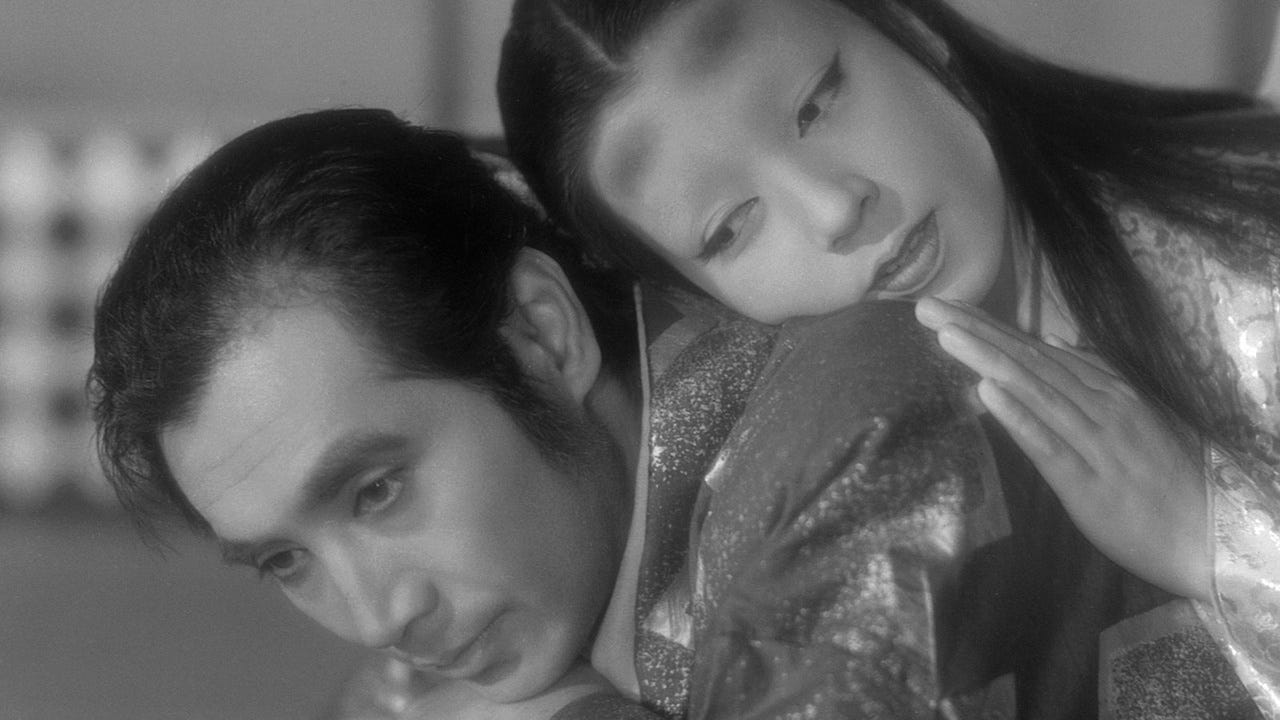
Ugetsu (1953): A Haunting Tale of Love, and Ambition

mchec.org – Ugetsu (1953), directed by Kenji Mizoguchi, is a landmark film in Japanese cinema that blends historical drama, romance, and the supernatural to create an unforgettable narrative. Set during Japan’s Warring States period, Ugetsu tells the story of two peasant families whose lives are changed by ambition, desire, and supernatural forces. Known for its striking cinematography, powerful performances, and exploration of timeless themes, Ugetsu is widely regarded as one of the greatest films of its era and a key work in Mizoguchi’s illustrious career.

The film’s mix of realism and supernatural elements, combined with its profound commentary on the human condition, gives it a timeless quality that resonates with audiences even today. Ugetsu is not just a story about the supernatural—it is a meditation on the destructive power of ambition, the fragility of human relationships, and the consequences of human desires.

Plot Overview: A Tale of Two Families

The film follows two main characters: Genjuro (played by Masayuki Mori), a poor potter, and his friend Tobei (played by Eitaro Ozawa), a farmer with dreams of becoming a samurai. The two men, along with their wives, live in a small village ravaged by the chaos of war. Driven by the hope of securing wealth and status, both Genjuro and Tobei leave their families behind and venture to the battlefield, where their lives take tragic and supernatural turns.

Genjuro’s journey begins when he is seduced by the promise of fortune and a better life. His wife, Miyagi (played by Kinuyo Tanaka), pleads with him to stay and care for their son, but Genjuro is determined to make something of himself. He finds success as a potter, but his ambition and growing desire for power lead him into dangerous and morally compromising situations. His life becomes intertwined with the ghostly and tragic Lady Wakasa (played by Machiko Kyo), who embodies both beauty and danger.

Meanwhile, Tobei, obsessed with his dream of becoming a samurai, also abandons his wife, Ohama (played by Miyoshi Umeki), and ventures off to fight in the war. His journey takes him into the world of deception and illusion, where his dreams of honor and glory collide with reality, leading to devastating consequences.

The film weaves together the fates of these two families, with both Genjuro and Tobei falling prey to their desires, ultimately paying a heavy price. At the core of Ugetsu is the theme of human folly—the characters are driven by their own selfish ambitions, which blind them to the love and connections they leave behind.

Themes of Desire, Ambition, and Tragic Consequences

Ugetsu is a powerful exploration of the destructive forces of ambition and desire. Both Genjuro and Tobei are motivated by the belief that they can improve their lives by abandoning their families and seeking wealth, status, and glory. However, the film shows how these desires ultimately lead to their downfall. Genjuro’s pursuit of wealth and power through his pottery and his affair with Lady Wakasa leaves him emotionally distant from his wife and son. His ambition drives him to make morally questionable choices, and he ultimately loses everything that truly matters.

Tobei, too, is consumed by his ambition to become a samurai, even if it means abandoning his wife and risking his life in battle. In the end, his dreams are shattered, and he is left to reflect on the futility of his aspirations. Mizoguchi’s direction emphasizes the vulnerability and transience of human desires, suggesting that the pursuit of fame, power, and wealth often comes at the expense of true happiness and personal fulfillment.

At its heart, Ugetsu is a meditation on the fragility of human relationships. The film explores the way in which ambition, selfishness, and greed can tear apart the bonds between individuals, leaving behind only regret and loss. The supernatural elements in the film serve to underscore the emotional and psychological toll of these destructive desires, adding a layer of otherworldly mystery to the characters’ fates.

Supernatural Elements: Ghosts and Illusions

The supernatural elements in Ugetsu are integral to its emotional and thematic impact. Mizoguchi blends the realism of the historical setting with ghostly apparitions and eerie visions, creating a haunting atmosphere that reflects the characters’ internal struggles. The ghosts in Ugetsu are not simply traditional spirits seeking revenge—they embody the emotional and moral consequences of the characters’ actions.

Lady Wakasa, for example, is a spectral figure who lures Genjuro with promises of beauty and wealth, but her ghostly nature reveals the danger and illusion behind her allure. The relationship between Genjuro and Lady Wakasa is symbolic of his own moral decay and the consequences of his obsession with worldly desires. Similarly, Tobei’s encounter with the ghostly figures of his past reflects the emptiness and disillusionment of his own dreams of becoming a samurai.

The supernatural elements also serve to highlight the emotional and spiritual emptiness that the characters experience. Mizoguchi uses the ghosts and visions to symbolize the emotional toll of war, ambition, and personal loss, blending reality and the supernatural to create a sense of unease and tragedy.

Cinematic Style: Visual Elegance and Symbolism

Mizoguchi’s direction in Ugetsu is a masterclass in visual storytelling. The film’s cinematography, by Kazuo Miyagawa, is both elegant and expressive, with striking compositions that emphasize the emotional depth of the characters’ experiences. The use of light and shadow, particularly in the scenes involving Lady Wakasa and the supernatural elements, adds to the film’s haunting atmosphere.

The film’s mise-en-scène is equally powerful, with the stark contrast between the rural poverty of the characters’ village and the opulence of the ghostly world serving as a visual metaphor for the characters’ internal conflicts. The scenes in the misty, moonlit landscapes create a sense of otherworldliness, blending the mundane with the ethereal.

Mizoguchi’s careful use of long takes and restrained camera movement allows the emotional weight of the story to unfold gradually, building a sense of inevitability and tragedy. The director’s subtle yet powerful use of symbolism, such as the recurring motif of water, further enhances the film’s themes of fleeting life and the destructive power of desire.

Legacy and Influence

Ugetsu is widely regarded as one of the greatest films in the history of Japanese cinema. It won the Silver Lion at the Venice Film Festival in 1953 and was nominated for the Academy Award for Best Foreign Language Film. Its success helped solidify Mizoguchi’s reputation as one of Japan’s most important filmmakers and introduced his work to international audiences.

The film’s blend of historical realism, supernatural elements, and psychological depth has influenced filmmakers around the world, and it remains a key reference for those exploring themes of ambition, love, and loss. The eerie beauty and emotional complexity of Ugetsu have made it a timeless classic that continues to be studied and admired by cinephiles and scholars alike.

Conclusion: A Timeless Story of Human Folly and Redemption

Ugetsu is a haunting and poetic film that explores the darker aspects of human nature—ambition, desire, and the consequences of our actions. Mizoguchi’s masterful direction, combined with his ability to blend the supernatural with the real, makes Ugetsu a deeply affecting and thought-provoking film. It is a story of love, loss, and the eternal struggle between desire and responsibility. Through its timeless themes and unforgettable imagery, Ugetsu remains a cornerstone of Japanese cinema and a cinematic masterpiece that continues to resonate with audiences around the world.
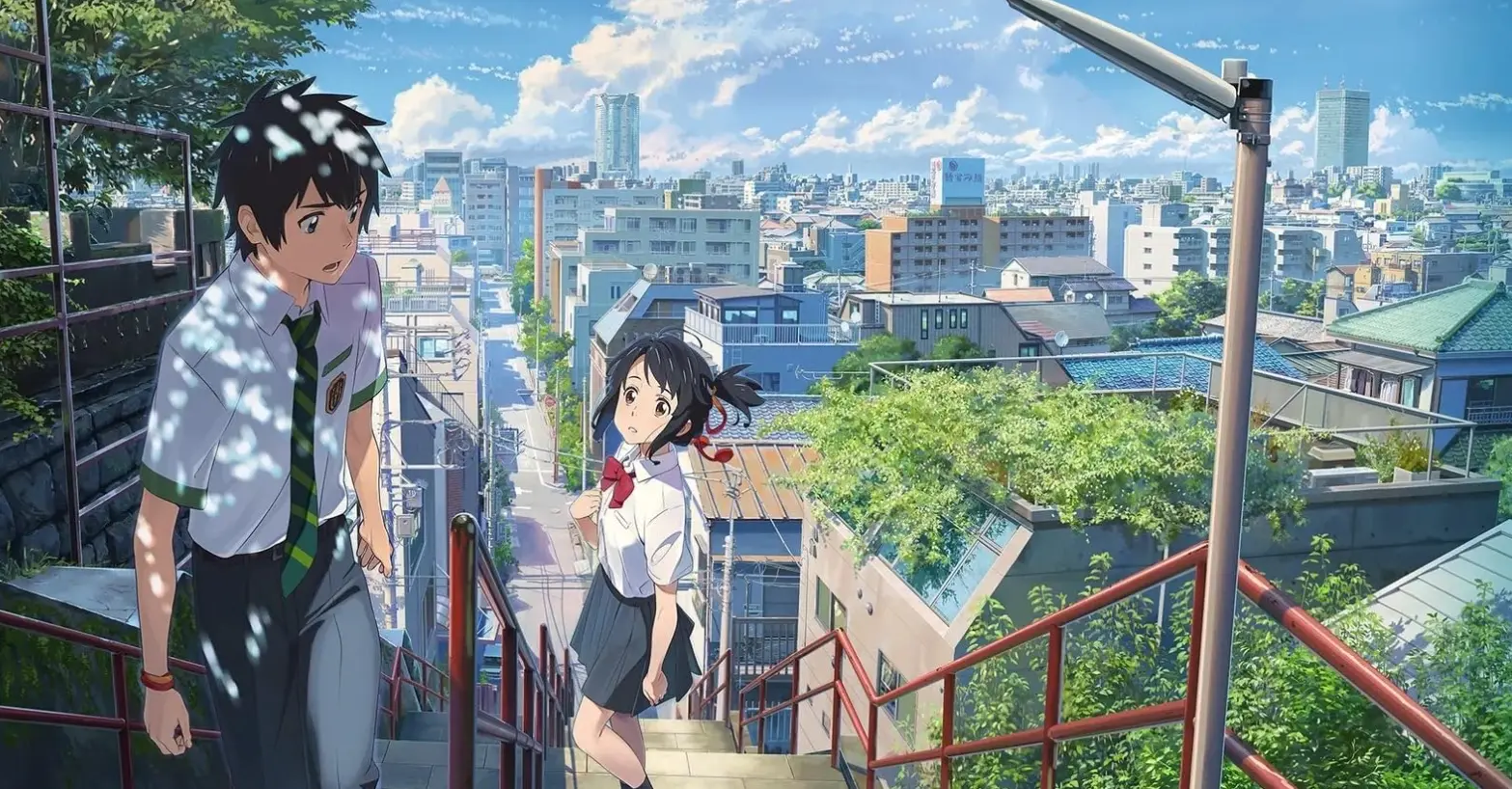
Your Name (2016): A Beautifully Tale of Love, Time, & Fate

mchec.org – Your Name (Kimi no Na wa), directed by Makoto Shinkai, is a breathtaking anime film that captivated audiences worldwide with its stunning animation, emotionally resonant story, and exploration of time, identity, and love. Released in 2016, Your Name became a global phenomenon, quickly becoming one of the highest-grossing anime films of all time. The film is not only a visual masterpiece but also a deeply emotional and thought-provoking narrative that explores the connection between two young people who are mysteriously linked across time and space.

At its core, Your Name is a love story, but it is also much more than that. The film delves into the themes of destiny, memory, and the fleeting nature of time, with its two protagonists—Mitsuha and Taki—learning about each other’s lives in an unexpected and mystical way. The emotional depth, combined with Shinkai’s signature art direction and innovative storytelling, has made Your Name a landmark in modern anime cinema and a cultural touchstone for audiences both in Japan and abroad.

Plot Overview

The story of Your Name revolves around two high school students: Mitsuha Miyamizu (voiced by Mone Kamishiraishi), a girl living in the rural town of Itomori, and Taki Tachibana (voiced by Ryunosuke Kamiki), a boy from the bustling city of Tokyo. The two are living separate lives, each dealing with their own set of personal challenges, when one day they inexplicably begin swapping bodies. This strange phenomenon occurs without warning and without any understanding of how or why it’s happening.

As Mitsuha and Taki exchange places, they must navigate the other’s life, learning about each other’s routines, friendships, and family dynamics. Initially, the two are disoriented and confused, but they gradually adapt to the situation by leaving notes for each other and setting guidelines to make the swaps more manageable. Over time, their relationship deepens, and they begin to care for one another, even though they have never met face-to-face.

The film’s plot takes a significant turn when Taki, in Mitsuha’s body, visits her small town of Itomori, only to discover that it has been destroyed by a meteor impact three years earlier. The shock of this revelation forces Taki and Mitsuha to confront the nature of their connection and the powerful forces of fate and time that bind them together.

Themes: Time, Fate, and Connection

The Power of Time and Memory

At its heart, Your Name is a film about the passage of time and the way memories shape our identities and relationships. The concept of time plays a crucial role in the narrative, with Taki and Mitsuha living in separate timelines—one that is present and one that is three years in the past. This temporal disconnect creates a sense of urgency and longing in the film, as the two characters try to understand how they are connected despite the barriers of time.

The film’s portrayal of memory is also central to the story. Mitsuha and Taki’s memories of their body-swapping experiences are fragmented and elusive, adding to the mystery of their connection. The fleeting nature of their memories echoes the theme of impermanence, and the idea that time, once lost, cannot be recovered. This sense of time slipping away creates a deep emotional resonance, as both characters struggle to retain the bond they share despite the forces that seem to pull them apart.

Fate and the Unseen Connections Between People

Fate is another prominent theme in Your Name, as it explores the idea that some connections are predestined, transcending time and space. The film weaves a complex narrative that questions the role of fate in shaping our lives and relationships. Mitsuha and Taki’s bond is not merely coincidental—it is the result of an unexplainable, almost mystical force that ties them together across time. This force is embodied in the meteor that connects the two characters’ timelines, suggesting that certain events and people are destined to intersect, even if we are unaware of it.

As the plot unfolds, the characters begin to realize that their connection is not a random occurrence. It is a result of some larger, cosmic design, hinting at the idea that even in the most chaotic and unpredictable of lives, there may be an invisible hand guiding us toward one another. The film suggests that the threads of fate weave us together in unexpected ways, and even when we are separated by time, we may still find ways to reconnect.

Love and Longing

Love is perhaps the most poignant and universal theme explored in Your Name. The film is, at its core, a love story that transcends physical boundaries and defies the constraints of time. Despite the initial confusion of body swapping, Mitsuha and Taki form a deep emotional bond, and their feelings for each other grow stronger with every exchange. The longing to meet face-to-face and the uncertainty of their connection create a sense of yearning and desire that runs through the entire film.

Their love story is marked by a sense of lost time—by the time Taki and Mitsuha are finally able to meet, years have passed, and the connection they shared in the past is not easily reclaimed. This adds an element of tragedy to their relationship, as the characters must navigate the difficulties of fate, memory, and time in order to be together. Your Name beautifully captures the bittersweet nature of love, showing how it can be elusive and fleeting, yet powerful enough to transcend time itself.

Identity and Self-Discovery

As Mitsuha and Taki switch bodies, they are forced to confront aspects of themselves that they have never considered before. The body-swap trope in the film serves as a powerful metaphor for self-discovery, as the two characters learn to see the world through each other’s eyes. Mitsuha, who lives in the rural countryside, gains a new perspective on life in the city through Taki’s experiences, while Taki, who is used to the fast-paced life of Tokyo, learns about the quiet, traditional life that Mitsuha leads.

This exploration of identity is particularly poignant as both characters struggle with their sense of self. Mitsuha feels disconnected from her town and family, desiring a different life, while Taki, though seemingly content, feels that something is missing in his own life. Through their experiences of living in each other’s bodies, they come to a greater understanding of themselves and the people around them, ultimately realizing that they must work together to overcome the obstacles that separate them.

Animation and Visual Style

One of the most striking aspects of Your Name is its breathtaking animation. Makoto Shinkai, known for his attention to detail and his ability to create visually stunning works, elevates the film to new heights with its vibrant and meticulously crafted scenes. The landscapes in Your Name are some of the most beautifully rendered in modern anime, with the breathtaking cityscapes of Tokyo and the serene beauty of Itomori’s rural countryside providing a stunning contrast.

Shinkai’s use of light and color is particularly noteworthy, with the film’s use of sunset and sunrise imagery serving as a metaphor for the passage of time and the emotional arcs of the characters. The film also makes creative use of visual motifs, such as the red string of fate, to symbolize the deep connections between the characters.

The animation of the body-swapping sequences is fluid and dynamic, capturing the confusion and disorientation that Mitsuha and Taki experience as they navigate each other’s lives. The smooth transitions between their bodies emphasize the intimate nature of their connection and make their eventual reunion all the more impactful.

The score, composed by Radwimps, complements the film’s visual beauty with its emotionally charged music. The soundtrack enhances the mood of each scene, from the gentle piano melodies that evoke a sense of nostalgia to the powerful, sweeping orchestrations that accompany the film’s more dramatic moments. The music serves as a key emotional driver, reinforcing the themes of longing, love, and time.

Legacy and Reception

Upon its release, Your Name received widespread acclaim for its emotional depth, stunning animation, and intricate storytelling. It was praised for its ability to resonate with audiences worldwide, transcending cultural boundaries and appealing to viewers of all ages. The film became a box office sensation, grossing over $350 million globally and becoming the highest-grossing anime film ever at the time of its release.

Your Name has also been recognized for its contribution to the world of anime and cinema in general, with many critics and audiences citing it as a modern classic. Its success has brought Shinkai international recognition, solidifying his place as one of the leading directors in contemporary anime. The film’s blend of fantasy, romance, and science fiction has inspired numerous works of art, fan fiction, and even live-action adaptations.

Conclusion

Your Name (2016) is a powerful and visually stunning film that explores themes of love, time, fate, and self-discovery. Through its intricate narrative, beautiful animation, and emotionally resonant story, the film has captured the hearts of audiences around the world. Makoto Shinkai’s direction and storytelling mastery make Your Name a timeless exploration of the ways in which our lives are intertwined by forces beyond our control. It is a film that celebrates the fleeting nature of time, the power of human connection, and the enduring hope that love can transcend all obstacles.

Les mauvaises rencontres: A Dark Exploration of Love

mchec.org Alexandre Astruc’s 1955 film, Les mauvaises rencontres (Bad Liaisons), is a captivating and morally ambiguous exploration of love, ambition, and the consequences of one’s choices. The film follows Catherine, a young and ambitious journalist, as she navigates the complexities of her personal and professional life.   

A Tale of Obsession and Betrayal

The narrative unfolds through a series of flashbacks, as Catherine recounts her life story to a police inspector. We learn about her passionate relationships, her pursuit of success, and the sacrifices she has made along the way. Astruc delves into the darker side of human nature, exploring themes of obsession, betrayal, and the destructive power of desire.   

A Stylistic Masterpiece

The film’s distinctive visual style, characterized by its use of shadows, chiaroscuro lighting, and expressive camera angles, contributes to its noir-like atmosphere. Astruc’s innovative use of flashbacks and voice-over narration adds depth and complexity to the storytelling.

An Unforgettable Performance

Anouk Aimée delivers a mesmerizing performance as Catherine, capturing the character’s intelligence, ambition, and vulnerability. Her portrayal of a woman torn between her passions and her professional aspirations is both compelling and tragic.

A Timeless Exploration of the Human Condition

Les mauvaises rencontres is a timeless exploration of the human condition. Its themes of love, loss, and the consequences of our choices continue to resonate with audiences today. The film’s dark and brooding atmosphere, combined with its complex characters and morally ambiguous narrative, make it a truly unforgettable cinematic experience.

An Angel on Wheels: A Heavenly Romance – Love Story

mchec.org – An Angel on Wheels (1959) is a charming romantic comedy that blends elements of fantasy and realism. Directed by Géza von Radványi, the film tells the story of a guardian angel who descends to Earth to guide a young race car driver towards true love.   

A Guardian Angel’s Mission

The film follows Pierre Chaillot, a talented race car driver who is about to make a significant life decision. He is engaged to a wealthy but cold-hearted woman, but his true love lies with a kind and compassionate flight attendant named Augusta. To ensure that Pierre chooses the right path, a guardian angel, played by the stunning Romy Schneider, is sent to Earth to intervene.   

A Whimsical and Romantic Tale

An Angel on Wheels is a whimsical and romantic film that explores the power of love and the importance of following one’s heart. The film’s blend of fantasy and reality creates a unique and enchanting atmosphere. Schneider’s portrayal of the angelic figure is both ethereal and grounded, making her character both believable and captivating.

The film also features a strong supporting cast, including Jean-Paul Belmondo as a rival race car driver and Henri Vidal as Pierre Chaillot.   

A Timeless Classic

An Angel on Wheels is a timeless classic that continues to charm audiences with its romantic story, beautiful cinematography, and iconic performances. It’s a film that celebrates the power of love and the importance of staying true to oneself.

Freya: The Goddess of Love and Beauty in Norse Mythology

mchec.org – In the rich tapestry of Norse mythology, Freya stands out as one of the most revered and complex deities. Known as the goddess of love, beauty, fertility, sex, war, gold, and seiðr (a form of sorcery), Freya embodies a multifaceted nature that is both alluring and formidable. Her stories and attributes offer a glimpse into the values and beliefs of the ancient Norse people, highlighting the importance of love, beauty, and the natural world.

The Origins and Family of Freya

Freya is a member of the Vanir, a group of gods associated with fertility and the natural world. She is the daughter of Njord, the god of the sea and wind, and her brother is Freyr, the god of prosperity and fair weather. Freya is married to Od, who is often absent, leading to her being associated with the loss of love and the sorrow that accompanies it. Despite her marital status, Freya is known for her many lovers, both divine and mortal, reflecting her role as the goddess of love and sexuality.

Freya’s Attributes and Symbols

Freya is often depicted as a beautiful woman, adorned with jewelry, particularly a necklace called Brisingamen, which is one of her most prized possessions. She is associated with cats, which pull her chariot, and is sometimes depicted riding a boar named Hildisvíni. Freya’s tears are said to turn into gold, and her laughter into precious stones, further emphasizing her connection to wealth and beauty.

The Role of Freya in Norse Mythology

Freya plays a significant role in various myths and legends. One of the most famous stories involves her quest to obtain the necklace Brisingamen, which she wins through her beauty and charm. Another notable tale is her rivalry with the goddess Frigg, Odin’s wife, over the possession of a falcon cloak, which allows the wearer to transform into a falcon. This rivalry highlights the complex relationships between the gods and goddesses of Norse mythology.

Freya is also a valkyrie, a group of female figures who choose those who may die in battle and those who may live. She is said to take half of those who die in battle to her hall, Fólkvangr, while the other half goes to Odin’s hall, Valhalla. This role underscores her connection to war and death, aspects that are less commonly associated with a goddess of love and beauty.

The Legacy of Freya

Freya’s influence extends beyond Norse mythology, inspiring modern interpretations and celebrations of her attributes. In contemporary culture, Freya is seen as a symbol of empowerment, independence, and the celebration of one’s sexuality and beauty. Her story encourages a deeper understanding of the complexities of love, loss, and the pursuit of one’s desires.

In conclusion, Freya, the goddess of love and beauty, embodies the multifaceted nature of human experience. Her myths and attributes offer valuable insights into the ancient Norse worldview, highlighting the interconnectedness of love, war, and the natural world. As we continue to explore the rich legacy of Norse mythology, Freya remains a captivating figure, reminding us of the enduring power of love, beauty, and the strength of the feminine divine.