
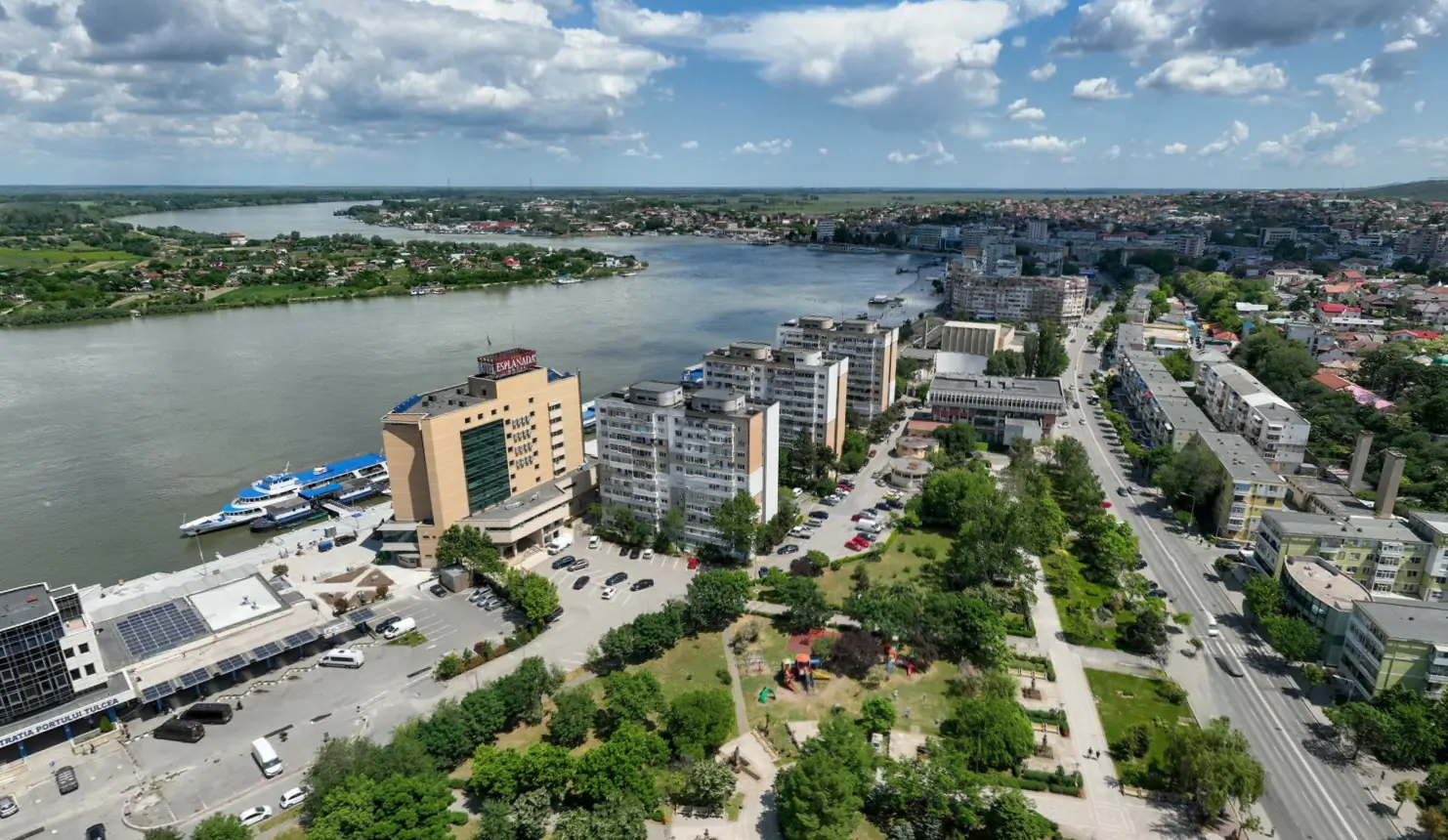
Tulcea: A Maritime Tapestry in Romania’s East – A Coastal Paradise

mchec.org – Tulcea, a county nestled in the southeastern part of Romania, is a unique region characterized by its stunning Danube Delta, diverse ecosystems, and rich cultural heritage. This coastal paradise offers a captivating blend of history, nature, and tradition.

A Natural Wonder

The Danube Delta, a UNESCO World Heritage Site, is the largest and best-preserved river delta in Europe. This intricate network of waterways, marshes, and lakes is home to a diverse range of flora and fauna, including rare bird species, fish, and mammals. Visitors can explore the delta by boat, kayak, or on foot, immersing themselves in the beauty of this natural wonder.

A Cultural Melting Pot

Tulcea’s cultural heritage is a fascinating blend of Romanian, Ukrainian, and Russian influences. The county is home to numerous historical monuments, including medieval fortresses, churches, and monasteries. The Cetatea Enisala, a medieval fortress perched on a hilltop, offers breathtaking views of the surrounding landscape. The region’s traditional crafts, such as pottery, weaving, and fishing, are still practiced today.

A Culinary Delight

Tulcea’s cuisine is influenced by its proximity to the Black Sea and the Danube Delta. Local specialties include fresh fish dishes, such as sturgeon and carp, as well as traditional Romanian dishes like sarmale (cabbage rolls) and ciorbă de burtă (tripe soup). The region is also known for its delicious pastries, including plăcintă cu brânză (cheese pie) and cozonac (sweet bread).

A Unique Experience

Tulcea offers a unique and unforgettable experience, combining the tranquility of nature with the richness of history and culture. Whether you’re seeking adventure, cultural immersion, or simply a peaceful retreat, Tulcea has something to offer everyone.

Conclusion

Tulcea, with its stunning Danube Delta, rich cultural heritage, and diverse ecosystems, is a true gem of Romania. It offers a unique opportunity to explore the beauty of nature, experience local traditions, and discover the history of this fascinating region.
Discovering Ranong: Thailand’s Tranquil Coastal Retreat

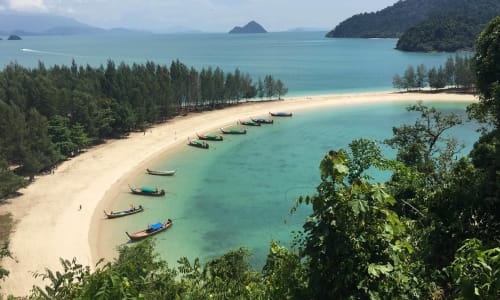
mchec.org – Ranong, a charming province in southern Thailand, is known for its lush rainforests, therapeutic hot springs, and serene beaches. As one of Thailand’s lesser-explored destinations, Ranong offers a peaceful escape with plenty of natural and cultural attractions to discover.

Geography and Climate

Coastal Charm

Situated along the Andaman Sea, Ranong boasts a scenic coastline dotted with pristine islands and beaches. It is also the narrowest part of the Malay Peninsula, bordered by Myanmar to the west.

Rainy Season

Ranong is recognized for being one of the wettest provinces in Thailand, with a long rainy season from May to November. The best time to visit is during the dry months from December to April.

Natural Attractions

Hot Springs and Spa

Ranong is famous for its natural hot springs, particularly the Raksa Warin Hot Springs. These therapeutic waters are believed to have healing properties and are a popular spot for relaxation and rejuvenation.

Laem Son National Park

This national park is home to an array of wildlife and offers stunning coastal views, dense mangrove forests, and beautiful islands like Koh Kam and Koh Phayam, perfect for beach lovers and nature enthusiasts.

Cultural Heritage

Ranong Governor’s Grave

A historical landmark, the grave of the first Ranong governor, Phraya Damrong Sucharit Mahisornpakdi, is a reflection of the province’s rich history and its Sino-Thai heritage.

Local Festivals

Ranong hosts several cultural festivals throughout the year, including the annual Songkran festival and local celebrations that showcase traditional music, dance, and cuisine.

Cuisine and Dining

Seafood Delights

Ranong’s coastal location ensures an abundance of fresh seafood. Dishes such as Tom Yum Goong (spicy shrimp soup) and Pla Kapong Neung Manao (steamed fish with lime) are highly recommended.

Local Markets

Exploring Ranong’s local markets offers a chance to taste a variety of traditional Thai snacks and sweets, along with fresh produce and seafood.

Conclusion

Ranong is a serene and picturesque destination that offers a blend of natural beauty and cultural experiences. Whether you’re soaking in its hot springs, exploring its national parks, or enjoying its culinary delights, Ranong provides a tranquil escape from the hustle and bustle of more tourist-heavy areas.

The Rich Biodiversity of Mozambique’s Coastal Waters

mchec.org – Mozambique, with its extensive coastline of approximately 2,700 kilometers, boasts a remarkable array of marine ecosystems that are both pristine and highly diverse. The coastal waters of Mozambique are home to a variety of habitats, including mangroves, estuaries, seagrass beds, coral reefs, sandy and rocky beaches, sand dunes, and bays. This rich biodiversity is not only ecologically significant but also plays a crucial role in supporting local communities and economies.

Diverse Marine Ecosystems

The Mozambican coastline is characterized by a wide diversity of habitats, each contributing to the overall biodiversity of the region. These habitats include:

  • Mangroves: These coastal forests are vital for protecting shorelines from erosion and providing nursery grounds for many marine species.
  • Estuaries: These areas where rivers meet the sea are rich in nutrients and support a high diversity of fish and invertebrates.
  • Seagrass Beds: These underwater meadows are essential for the survival of many marine species, including sea turtles and dugongs.
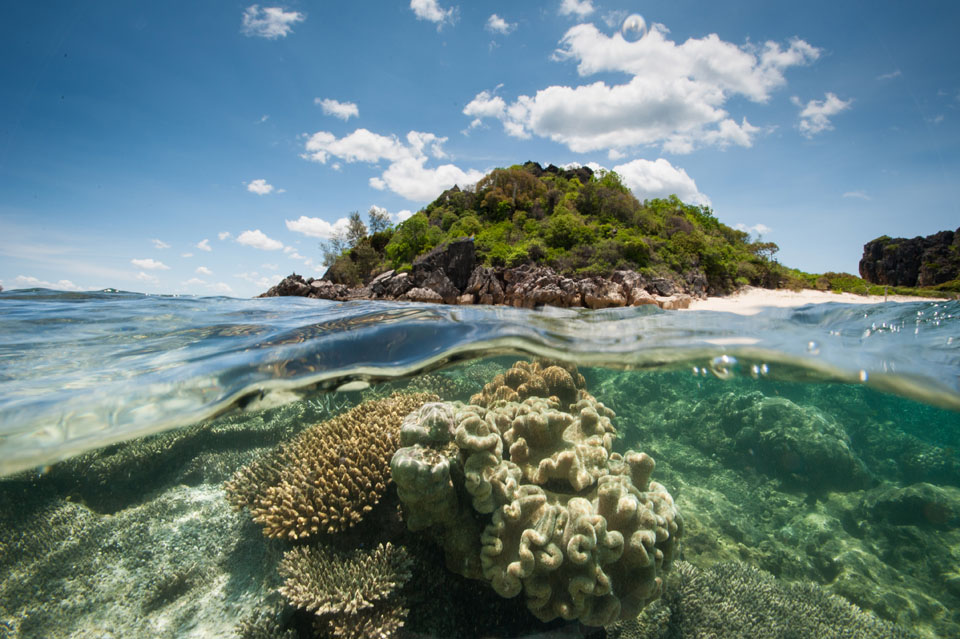
  • Coral Reefs: The coral reefs of Mozambique are some of the most extensive and diverse in the world, supporting a vast array of marine life.
  • Sandy and Rocky Beaches: These areas provide habitats for a variety of species, including sea birds and marine mammals.

Importance of Biodiversity

The biodiversity of Mozambique’s coastal waters is not only a natural wonder but also a critical resource for the country. The marine ecosystems provide essential services such as:

  • Fisheries: The rich marine life supports a significant fishing industry, which is a vital source of income and food for many coastal communities.
  • Tourism: The unique and diverse marine life attracts tourists, contributing to the local economy.
  • Coastal Protection: Mangroves and coral reefs act as natural barriers, protecting the coastline from erosion and storm surges.

Conservation Efforts

Recognizing the importance of its marine biodiversity, Mozambique has implemented various conservation measures. These include the establishment of marine protected areas and the implementation of sustainable fishing practices. However, the region still faces challenges such as overfishing, pollution, and the impacts of climate change, which threaten the delicate balance of these ecosystems.

Future Outlook

The future of Mozambique’s coastal waters depends on continued conservation efforts and sustainable management practices. By protecting these ecosystems, Mozambique can ensure the long-term health of its marine environment and the well-being of its coastal communities.

In conclusion, the coastal waters of Mozambique are a treasure trove of biodiversity, supporting a wide range of marine life and providing essential services to the local population. It is crucial to continue efforts to protect and conserve these valuable ecosystems for future generations.