Māori Mythology: Gods, Heroes, & Legends of Aotearoa

mchec.org – Māori mythology, rich in stories of gods, heroes, and supernatural beings, forms the cornerstone of the Māori worldview and cultural heritage. These myths and legends are more than just stories; they are powerful vehicles for conveying the values, beliefs, and history of the Māori people. From the creation of the world to the heroic deeds of legendary figures, Māori mythology reflects the deep spiritual connection between humans, nature, and the divine. This article delves into the gods, heroes, and legends that shape Māori mythology, offering a glimpse into the fascinating world of Aotearoa’s ancient traditions.

The Creation Myth: Te Kore and Te Pō

Māori mythology begins with the creation of the world. According to the whakapapa (genealogy) of Māori myth, the universe was formed from a vast nothingness known as Te Kore (the void) and the dark expanse of Te Pō (the night). The first gods emerged from this primordial state, creating the world and its natural elements.

At the heart of the creation story is the union of Ranginui (the Sky Father) and Papatūānuku (the Earth Mother), whose embrace kept the world in darkness. Their many children, including the gods of the elements and natural forces, grew restless in the confined space between their parents. In an act of defiance, Tāne Mahuta, the god of forests and birds, separated his parents, allowing light to enter the world and giving birth to the land, the sea, and the sky.

This act of separation was a pivotal moment in Māori cosmology, symbolizing the birth of the physical world and the establishment of order from chaos. It also created the space for the gods and heroes to continue their work in shaping the world and its inhabitants.

The Gods of Māori Mythology

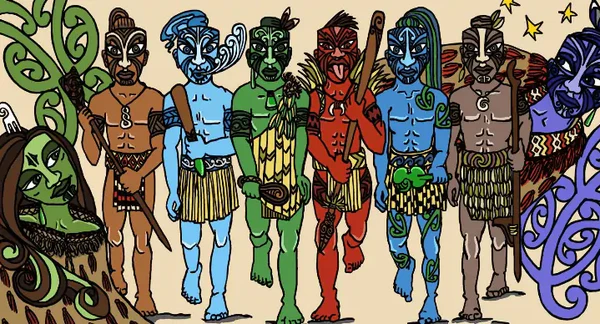
Māori mythology is populated by a vast array of gods and supernatural beings, each of whom is responsible for different aspects of the natural and spiritual world. These gods are often depicted as powerful forces with human-like traits, capable of both good and ill.

Tāne Mahuta – The God of Forests and Birds

Tāne Mahuta is one of the most significant gods in Māori mythology. As the god of forests and birds, he is credited with creating the first human beings. According to the myth, Tāne fashioned the first woman, Hine-ahu-one, from the earth, breathing life into her. This act of creation made Tāne the progenitor of humankind and a key figure in Māori cosmogony.

Tāne’s influence extends beyond the creation of humans. He is also associated with the forests, trees, and animals, playing a crucial role in maintaining the balance of nature.

Tangaroa – The God of the Sea

Tangaroa, the god of the sea, is another central deity in Māori mythology. He is responsible for the oceans, fish, and sea creatures, and his domain is vast and mysterious. Tangaroa is often depicted as both a benevolent provider and a dangerous force, capable of flooding the land or providing an abundance of fish and seafood.

Tangaroa is also one of the children of Ranginui and Papatūānuku, and his influence over the sea is integral to Māori culture, as the sea has historically provided food, transportation, and spiritual significance to Māori communities.

Tāwhirimātea – The God of Storms

Tāwhirimātea, the god of storms and winds, is a fierce and volatile deity. He is the son of Ranginui and Papatūānuku and became enraged when his parents were separated. In his anger, Tāwhirimātea waged war against his brothers, particularly Tāne Mahuta and Tangaroa, who had played a role in the separation. His temper manifests in the form of violent storms, thunder, and lightning, causing chaos in the natural world.

Tāwhirimātea’s wrath symbolizes the power of nature’s destructive forces, and his role highlights the Māori belief in the interconnection between humans and the environment. His anger is a reminder of the need to respect the forces of nature.

Rūaumoko – The God of Earthquakes and Volcanoes

Rūaumoko, the god of earthquakes and volcanoes, is another son of Ranginui and Papatūānuku. While he remains hidden in the earth, his presence is felt through the tremors of earthquakes and the eruptions of volcanoes. Rūaumoko’s movements beneath the earth are believed to stir the land, causing shifts in the landscape and sometimes bringing destruction.

In Māori thought, Rūaumoko is closely tied to the land’s vitality and the renewal of life. His eruptions, though destructive, also bring fertile soil, which nourishes the land and provides sustenance to Māori communities.

Legendary Heroes and Figures

Māori mythology is also filled with legendary heroes whose actions shaped the world and who embody the values of bravery, wisdom, and respect for nature. These figures are often seen as demigods or semi-divine beings who bridge the gap between gods and humans.

Māui – The Trickster and Cultural Hero

Māui is perhaps the most famous figure in Māori mythology. Known for his cleverness, mischievousness, and adventurous spirit, Māui is a trickster god who performs many feats to benefit humanity. His exploits include fishing up the North Island of New Zealand, Te Ika-a-Māui (the Fish of Māui), using a magical fishhook made from the jawbone of his grandmother, and slowing the sun to lengthen the days for his people.

Māui’s stories often illustrate his struggle against the natural world, as he challenges the gods and forces of nature for the benefit of humankind. While Māui’s actions were often self-serving, his character also embodies values of resourcefulness, ingenuity, and the importance of perseverance.

Tāwhaki – The Ascendant Hero

Tāwhaki is another celebrated hero in Māori mythology. Known for his pursuit of knowledge and spiritual power, Tāwhaki ascended to the heavens to seek his ancestors and gain wisdom. His journey involved overcoming trials, facing the wrath of the gods, and ultimately achieving enlightenment. Tāwhaki’s story is one of personal transformation and the quest for higher knowledge, which makes him an important figure in Māori mythology, particularly in the context of spiritual development and growth.

Hinemoa and Tūtānekai – The Tragic Love Story

One of the most enduring Māori legends is the story of Hinemoa and Tūtānekai, a tale of love, separation, and reconciliation. Hinemoa, a beautiful woman from the tribal village of Ōpotiki, fell in love with Tūtānekai, who lived on the distant Mokoia Island in Lake Rotorua. Despite the distance and the disapproval of her family, Hinemoa swam across the lake to be with her lover. Her determination and love overcame the challenges, and the couple eventually reunited.

This story is celebrated as an example of devotion and perseverance, highlighting the Māori values of love, loyalty, and the power of the human spirit.

Conclusion

Māori mythology is a vast and intricate tapestry of gods, heroes, and legends that offer insight into the worldview and values of the Māori people. These myths are not only stories of the past but living traditions that continue to inform Māori culture, language, and identity today. Through the tales of gods like Tāne Mahuta and Tangaroa, and heroes like Māui and Tāwhaki, Māori mythology teaches timeless lessons about the balance of nature, the power of the human spirit, and the interconnectedness of all life. As Aotearoa continues to celebrate and preserve its rich cultural heritage, Māori mythology remains a vital part of the nation’s identity, shaping its future while honoring its past.
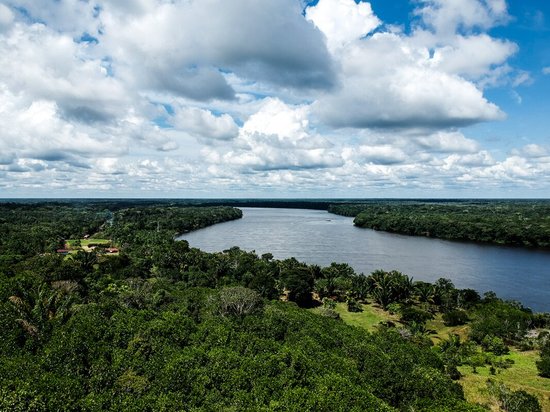
Portuguesa: Venezuela’s Breadbasket – A Fertile Land

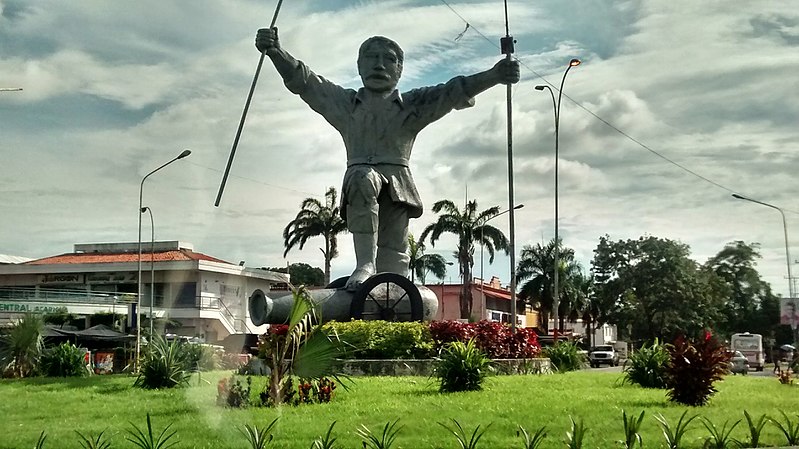
mchec.org – Portuguesa is a state located in western Venezuela, often referred to as the “breadbasket of Venezuela” due to its significant agricultural production. Known for its fertile plains and rich soil, Portuguesa plays a crucial role in the country’s food supply.   

Agricultural Heartland

The state’s primary economic activity is agriculture, with a focus on cultivating a variety of crops. Some of the most important agricultural products produced in Portuguesa include:   

  • Rice: Portuguesa is one of the main rice-producing regions in Venezuela. Its fertile plains and irrigation systems contribute to abundant rice harvests.   
  • Corn: Corn is another staple crop grown extensively in Portuguesa. It is used for both human consumption and animal feed.   
  • Sorghum: This drought-resistant crop is well-suited to the region’s climate. It is used for various purposes, including food, feed, and biofuel production.   
  • Sesame: Portuguesa is a significant producer of sesame seeds, which are used in cooking, baking, and oil production.   
  • Cotton: Cotton is cultivated in certain areas of the state, contributing to the textile industry.   

Beyond Agriculture

While agriculture is the backbone of Portuguesa’s economy, the state also has other industries, including:

  • Livestock: Cattle ranching is a significant activity in Portuguesa, contributing to the meat and dairy industries.
  • Manufacturing: There are various manufacturing industries in the state, including food processing, textile production, and construction materials.

A Rich Cultural Heritage

Portuguesa is home to a rich cultural heritage, influenced by indigenous, Spanish, and African cultures. The state’s capital, Guanare, is an important religious center and hosts the annual Festival of the Virgin of Coromoto, a significant Catholic pilgrimage.

In addition to its agricultural importance and cultural heritage, Portuguesa offers visitors a glimpse into rural Venezuelan life. The state’s picturesque landscapes, friendly people, and delicious local cuisine make it a worthwhile destination for travelers seeking an authentic Venezuelan experience.

Vaupés: A Hidden Gem of the Colombian Amazon

mchec.org – Vaupés, a remote department nestled deep within the Colombian Amazon, is a captivating region renowned for its pristine rainforests, diverse ecosystems, and rich indigenous cultures. The department’s capital, Mitú, serves as a gateway to this enchanting world.

A Biodiversity Hotspot

Vaupés is a biodiversity hotspot, home to an incredible array of flora and fauna. Its dense rainforests harbor a vast number of plant and animal species, many of which are endemic to the region. The department’s rivers and lakes are teeming with fish, while the forests are home to various mammals, reptiles, and birds.

Indigenous Cultures

One of the most fascinating aspects of Vaupés is its diverse indigenous population. Numerous indigenous groups, including the Cubeo, Tucano, and Desano, inhabit the region, each with their unique customs, languages, and traditions. These indigenous communities have a deep connection to the rainforest and have developed sustainable practices for centuries.

A Sustainable Paradise

Vaupés is committed to preserving its natural environment and promoting sustainable tourism. The department offers a variety of eco-tourism activities, such as jungle trekking, river rafting, and wildlife watching. Visitors can experience the beauty of the Amazon rainforest while supporting local communities and conservation efforts.

A Challenging Journey

While Vaupés offers incredible opportunities for exploration and cultural immersion, it’s important to note that reaching the region can be challenging. The journey often involves long flights and riverboat trips. However, for those who are willing to venture into the Amazon, the rewards are truly extraordinary.

A Hidden Gem

Vaupés remains a relatively undiscovered gem, offering a unique and unforgettable experience. By visiting this remote region, travelers can contribute to the preservation of its pristine ecosystems and support the livelihoods of its indigenous communities.

Chimborazo: A Summit Closest to Space

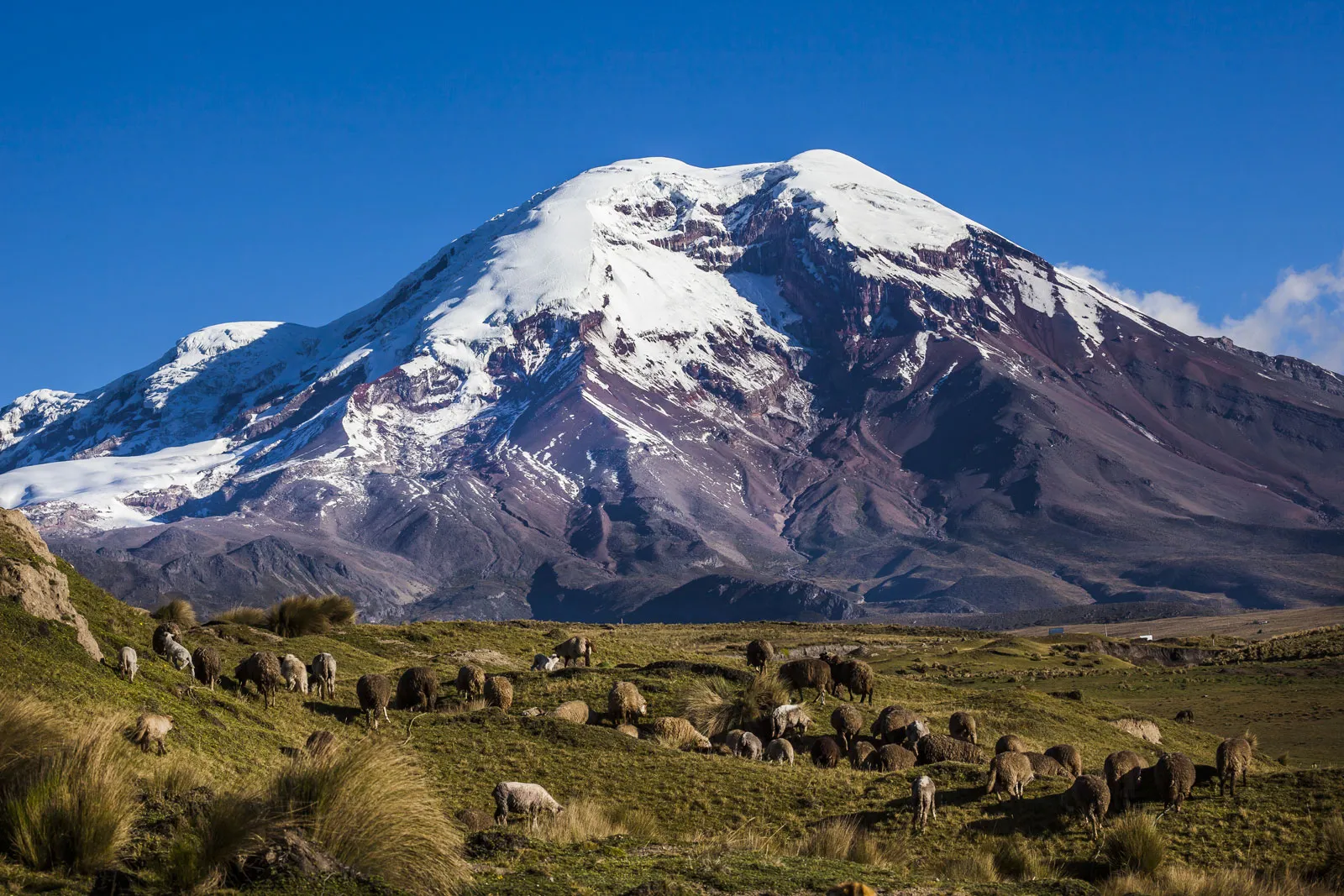
mchec.org – Chimborazo, a dormant stratovolcano, towers over the Ecuadorian Andes, reaching a staggering height of 6,310 meters (20,702 feet). This makes it the highest mountain in Ecuador and, remarkably, the closest point to the edge of space on Earth, due to the Earth’s equatorial bulge.

A Geological Marvel

Chimborazo’s imposing stature is a result of millions of years of volcanic activity. Its summit is capped by a permanent glacier, a stark contrast to the barren, rocky slopes that descend towards the surrounding valleys. The volcano’s unique shape and dramatic landscape have made it a popular destination for mountaineers and nature enthusiasts.

A Biodiversity Hotspot

Despite its harsh, high-altitude environment, Chimborazo is home to a diverse range of flora and fauna. The lower slopes are covered in lush cloud forests, while the higher elevations are characterized by alpine meadows and páramo ecosystems. The volcano’s unique microclimates support a variety of endemic species, including rare orchids, bromeliads, and hummingbirds.

A Challenging Climb

Climbing Chimborazo is a challenging endeavor, requiring technical expertise, physical fitness, and the ability to withstand harsh weather conditions. The ascent typically involves navigating glaciers, steep cliffs, and exposed ridges. The summit offers breathtaking panoramic views of the Ecuadorian Andes, including other iconic volcanoes like Cotopaxi and Cayambe.

A Protected Paradise

Recognizing the ecological and cultural significance of Chimborazo, the Ecuadorian government has designated the area as part of the Sangay National Park. This protected area helps to conserve the volcano’s unique biodiversity and ensure the sustainability of local communities.

Chimborazo, with its majestic peak, diverse ecosystems, and cultural significance, is a true gem of the Ecuadorian Andes. It continues to inspire awe and wonder in all who behold its grandeur.

Navarre: A Land of History and Natural Beauty

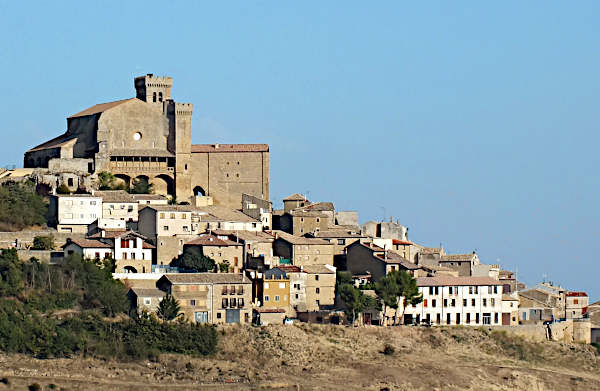
mchec.org – Navarre, a region in northern Spain, is a land of stunning landscapes, rich history, and vibrant culture. Its capital city, Pamplona, is famous worldwide for its annual Running of the Bulls festival.

Pamplona: A City of History and Tradition

Pamplona, the heart of Navarre, is a city with a rich history dating back to Roman times. It’s most famous for the Running of the Bulls, a thrilling event that takes place during the San Fermín festival in July.

  • Must-See Attractions:
    • Plaza del Castillo: The central square of Pamplona, surrounded by historic buildings and lively cafes.
    • Catedral de Santa María: A stunning Gothic cathedral with a beautiful cloister.
    • Ciudadela de Pamplona: A historic citadel that offers panoramic views of the city.
    • Museo de Navarra: A museum that houses a diverse collection of art and artifacts.

Navarre: A Natural Paradise

Navarre is a paradise for nature lovers, with its stunning mountains, lush valleys, and picturesque villages.

  • Must-See Natural Attractions:
    • Parque Nacional de Ordesa y Monte Perdido: A UNESCO World Heritage Site, offering breathtaking mountain scenery, deep valleys, and cascading waterfalls.
    • Valle del Roncal: A beautiful valley with traditional Basque villages and stunning landscapes.
    • Bardenas Reales: A unique desert landscape with eroded clay formations and dramatic canyons.

Navarre offers a diverse range of experiences, from exploring historic cities to hiking in the mountains. Its rich history, stunning landscapes, and vibrant culture make it a truly unforgettable destination.

Tulcea: A Maritime Tapestry in Romania’s East – A Coastal Paradise

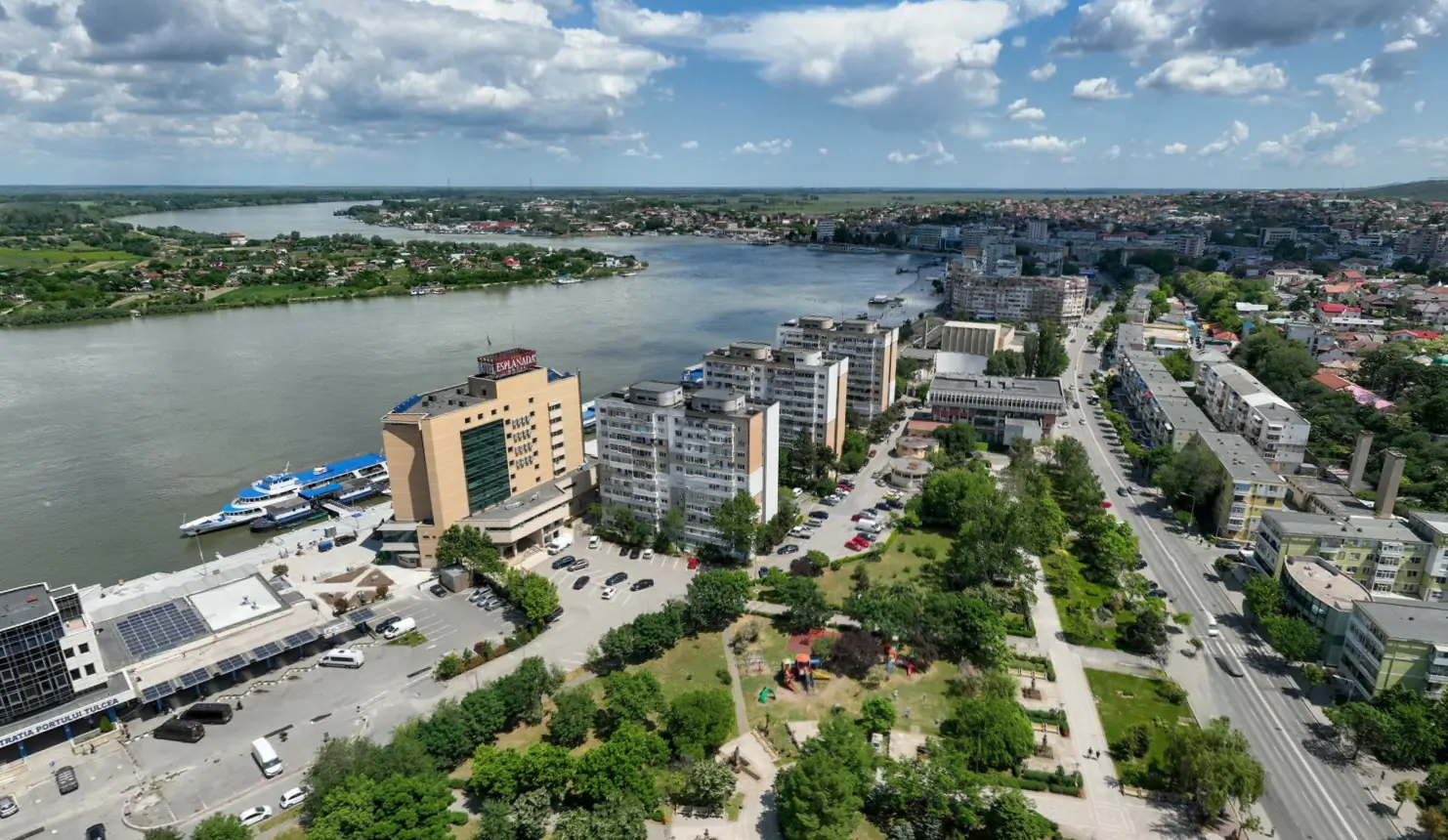
mchec.org – Tulcea, a county nestled in the southeastern part of Romania, is a unique region characterized by its stunning Danube Delta, diverse ecosystems, and rich cultural heritage. This coastal paradise offers a captivating blend of history, nature, and tradition.

A Natural Wonder

The Danube Delta, a UNESCO World Heritage Site, is the largest and best-preserved river delta in Europe. This intricate network of waterways, marshes, and lakes is home to a diverse range of flora and fauna, including rare bird species, fish, and mammals. Visitors can explore the delta by boat, kayak, or on foot, immersing themselves in the beauty of this natural wonder.

A Cultural Melting Pot

Tulcea’s cultural heritage is a fascinating blend of Romanian, Ukrainian, and Russian influences. The county is home to numerous historical monuments, including medieval fortresses, churches, and monasteries. The Cetatea Enisala, a medieval fortress perched on a hilltop, offers breathtaking views of the surrounding landscape. The region’s traditional crafts, such as pottery, weaving, and fishing, are still practiced today.

A Culinary Delight

Tulcea’s cuisine is influenced by its proximity to the Black Sea and the Danube Delta. Local specialties include fresh fish dishes, such as sturgeon and carp, as well as traditional Romanian dishes like sarmale (cabbage rolls) and ciorbă de burtă (tripe soup). The region is also known for its delicious pastries, including plăcintă cu brânză (cheese pie) and cozonac (sweet bread).

A Unique Experience

Tulcea offers a unique and unforgettable experience, combining the tranquility of nature with the richness of history and culture. Whether you’re seeking adventure, cultural immersion, or simply a peaceful retreat, Tulcea has something to offer everyone.

Conclusion

Tulcea, with its stunning Danube Delta, rich cultural heritage, and diverse ecosystems, is a true gem of Romania. It offers a unique opportunity to explore the beauty of nature, experience local traditions, and discover the history of this fascinating region.

Warmińsko-Mazurskie Voivodeship: A Land of Lakes & Forests

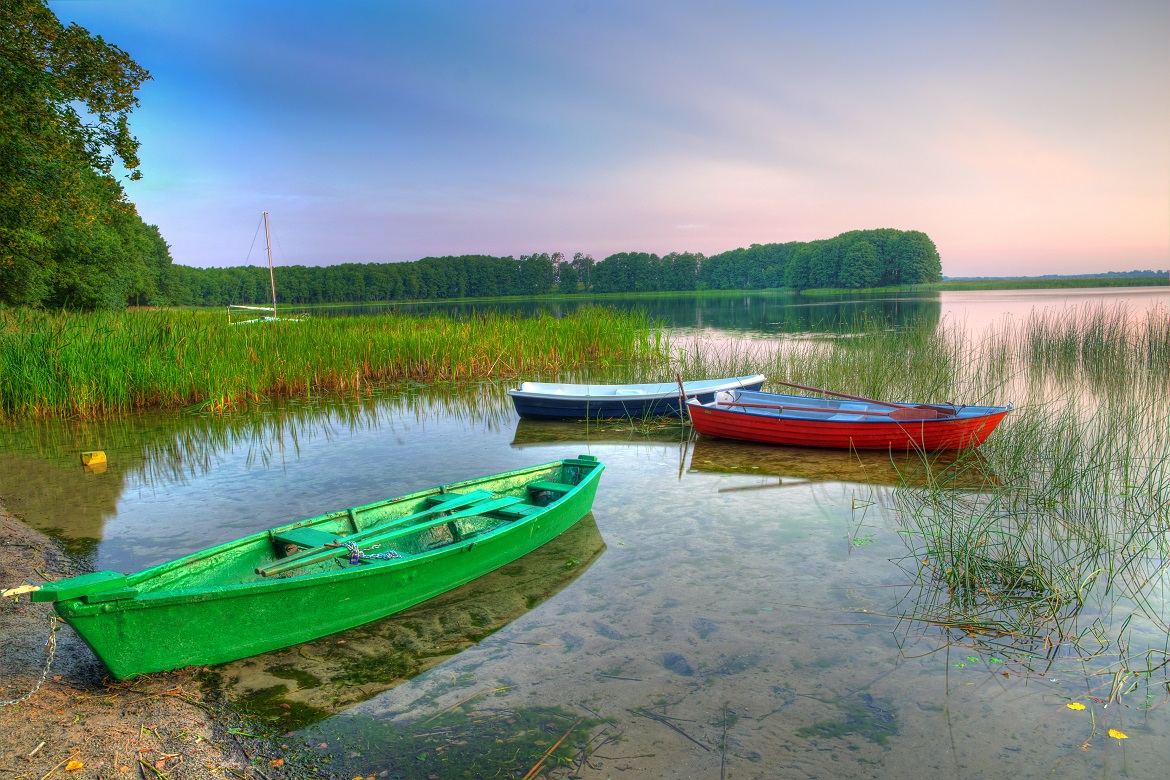
mchec.org – Warmińsko-Mazurskie Voivodeship, located in northeastern Poland, is a region of stunning natural beauty, rich history, and vibrant culture. Its numerous lakes, forests, and charming towns make it a popular destination for nature lovers, history buffs, and outdoor enthusiasts.

Olsztyn: The Green Heart of Poland

Olsztyn, the capital of the voivodeship, is a picturesque city with a rich history. The Old Town, with its charming cobblestone streets and Gothic architecture, is a popular tourist destination. The Warmia and Mazury Canal, a network of waterways that connects numerous lakes, is a popular spot for boating and fishing.

The Masurian Lake District

The Masurian Lake District, one of the largest lake districts in Europe, is the heart of Warmińsko-Mazurskie Voivodeship. The region’s numerous lakes, forests, and charming towns offer a variety of outdoor activities, including sailing, kayaking, fishing, and hiking.

The town of Mikołajki, located on Lake Mikołajskie, is a popular tourist destination, known for its beautiful waterfront and lively atmosphere. The town of Giżycko, situated on the shores of Lake Niegocin, is another popular resort town, offering a wide range of water sports and leisure activities.

The Warmia Region

The Warmia region, located in the southern part of the voivodeship, is known for its Gothic architecture and rich history. The city of Olsztyn, the capital of the region, is home to the Warmia and Mazury Philharmonic Orchestra, one of the leading orchestras in Poland.

The town of Lidzbark Warmiński, with its impressive castle and cathedral, is another popular destination. The castle, once the seat of the Warmia bishops, is now a museum that houses a collection of art and historical artifacts.

The Mazury Region

The Mazury region, located in the northern part of the voivodeship, is characterized by its vast forests, picturesque lakes, and charming villages. The region is home to the Białowieża Forest, a UNESCO World Heritage Site, which is one of the last remaining primeval forests in Europe.

Warmińsko-Mazurskie Voivodeship offers a unique blend of natural beauty, cultural heritage, and outdoor activities. Whether you’re seeking adventure, relaxation, or cultural immersion, this region has something for everyone.

Nunavut: A Vast Arctic Paradise – A Land of Extreme Beauty

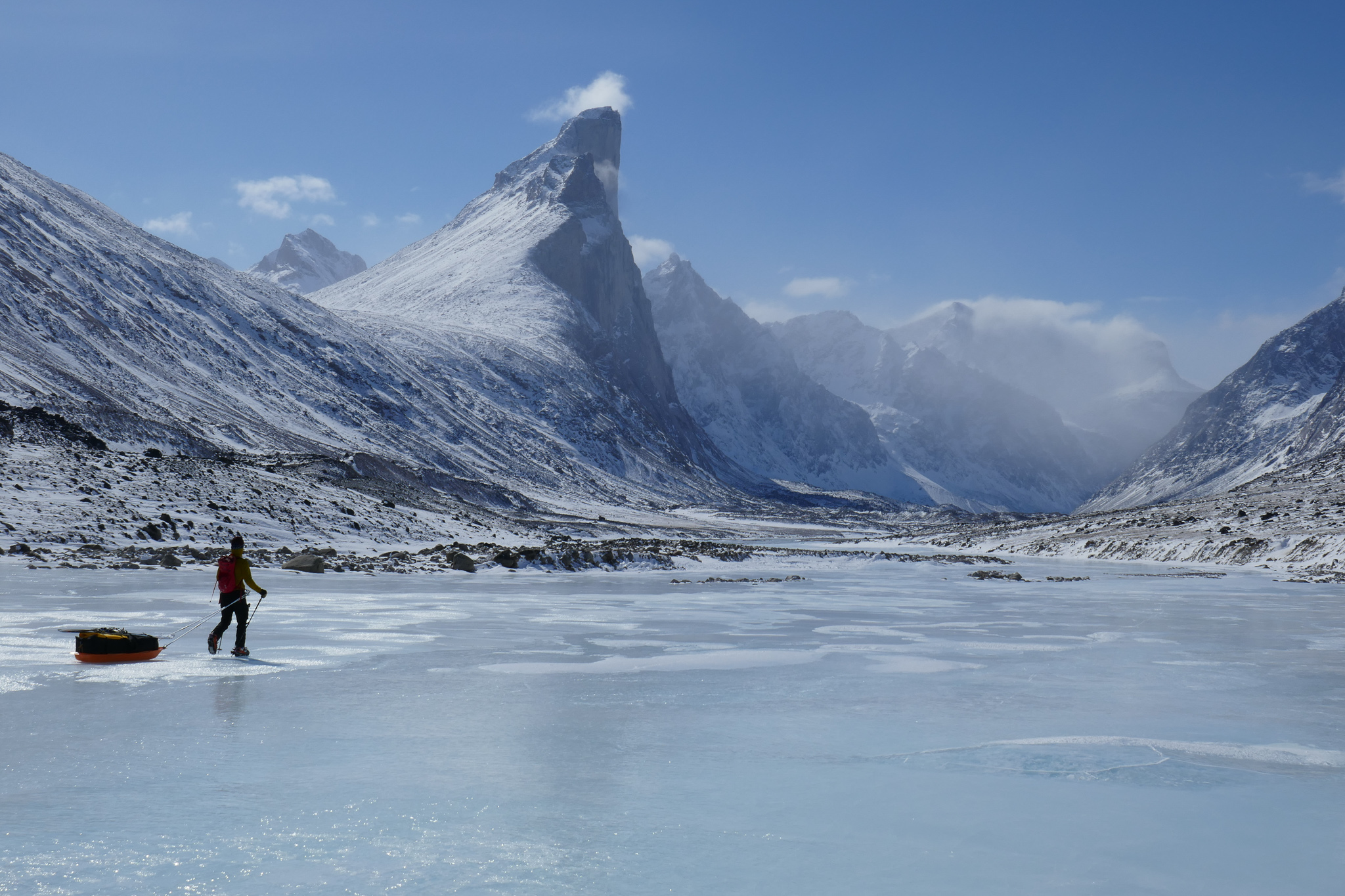
mchec.org – Nunavut, the largest and newest territory of Canada, is a land of breathtaking beauty and cultural significance. Located in the Canadian Arctic, Nunavut encompasses a vast expanse of tundra, ice, and sea. This remote region offers a unique and unforgettable experience for those who venture there.

A Land of Extreme Beauty

Nunavut’s stunning natural landscapes are characterized by vast expanses of tundra, towering glaciers, and crystal-clear lakes. The Northern Lights, a mesmerizing natural phenomenon, illuminate the night sky during the winter months. The territory’s remote location and pristine wilderness make it a paradise for outdoor enthusiasts.

Indigenous Cultures

Nunavut is home to several Indigenous groups, including the Inuit, who have inhabited the region for thousands of years. Inuit culture is deeply rooted in the land and sea, and it is expressed through art, music, and traditional practices. Visitors can learn about Inuit culture at various cultural centers and museums throughout the territory.

A Harsh but Beautiful Climate

The climate in Nunavut is harsh, with long, cold winters and short, cool summers. Despite the extreme conditions, the territory’s unique beauty attracts visitors from around the world. The Northern Lights, polar bears, and other Arctic wildlife are some of the main draws for tourists.

Remote Communities and Inuit Culture

Nunavut is composed of numerous small, remote communities, many of which are only accessible by air or ice road. These communities offer a glimpse into traditional Inuit life and culture. Visitors can experience Inuit culture firsthand by participating in cultural activities, such as throat singing, drum dancing, and traditional crafts.

Arctic Adventures

The Northwest Territories offers a wide range of outdoor activities, including dog sledding, ice fishing, and northern lights viewing. Visitors can also explore the region’s stunning natural landscapes by boat, snowmobile, or on foot.

Nunavut is a truly unique and unforgettable destination. Its stunning landscapes, rich cultural heritage, and extreme climate make it a place of wonder and awe.

Discovering Ranong: Thailand’s Tranquil Coastal Retreat

mchec.org – Ranong, a charming province in southern Thailand, is known for its lush rainforests, therapeutic hot springs, and serene beaches. As one of Thailand’s lesser-explored destinations, Ranong offers a peaceful escape with plenty of natural and cultural attractions to discover.

Geography and Climate

Coastal Charm

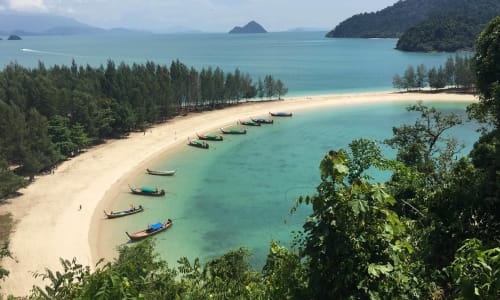
Situated along the Andaman Sea, Ranong boasts a scenic coastline dotted with pristine islands and beaches. It is also the narrowest part of the Malay Peninsula, bordered by Myanmar to the west.

Rainy Season

Ranong is recognized for being one of the wettest provinces in Thailand, with a long rainy season from May to November. The best time to visit is during the dry months from December to April.

Natural Attractions

Hot Springs and Spa

Ranong is famous for its natural hot springs, particularly the Raksa Warin Hot Springs. These therapeutic waters are believed to have healing properties and are a popular spot for relaxation and rejuvenation.

Laem Son National Park

This national park is home to an array of wildlife and offers stunning coastal views, dense mangrove forests, and beautiful islands like Koh Kam and Koh Phayam, perfect for beach lovers and nature enthusiasts.

Cultural Heritage

Ranong Governor’s Grave

A historical landmark, the grave of the first Ranong governor, Phraya Damrong Sucharit Mahisornpakdi, is a reflection of the province’s rich history and its Sino-Thai heritage.

Local Festivals

Ranong hosts several cultural festivals throughout the year, including the annual Songkran festival and local celebrations that showcase traditional music, dance, and cuisine.

Cuisine and Dining

Seafood Delights

Ranong’s coastal location ensures an abundance of fresh seafood. Dishes such as Tom Yum Goong (spicy shrimp soup) and Pla Kapong Neung Manao (steamed fish with lime) are highly recommended.

Local Markets

Exploring Ranong’s local markets offers a chance to taste a variety of traditional Thai snacks and sweets, along with fresh produce and seafood.

Conclusion

Ranong is a serene and picturesque destination that offers a blend of natural beauty and cultural experiences. Whether you’re soaking in its hot springs, exploring its national parks, or enjoying its culinary delights, Ranong provides a tranquil escape from the hustle and bustle of more tourist-heavy areas.

Kecanggihan Teknologi di Jepang: Robot dan AI

mchec – Jepang dikenal sebagai salah satu negara yang paling maju dalam bidang teknologi, terutama dalam pengembangan robot dan kecerdasan buatan (AI). Berikut adalah beberapa contoh kecanggihan teknologi di Jepang yang berkaitan dengan robot dan AI.

1. Pengembangan Robot

Jepang merupakan pengekspor robot terbesar di dunia dan telah memimpin dunia dalam bidang robotika melalui penelitian, pengembangan, dan teknologi yang canggih. Salah satu contoh robot yang menonjol adalah Pepper, robot sosial yang dapat mengenali emosi manusia dan berinteraksi dengan mereka. Pepper telah digunakan di berbagai industri, termasuk perhotelan dan ritel, untuk memberikan layanan pelanggan yang lebih baik dan interaksi yang lebih personal.

2. Penerapan AI dalam Berbagai Sektor

a. Dunia Perhotelan

Jepang telah menerapkan pelayanan berbasis teknologi AI dalam dunia perhotelan. Meskipun AI belum mampu sepenuhnya menggantikan peran manusia, teknologi ini telah digunakan untuk meningkatkan efisiensi dan kualitas layanan. Misalnya, AI digunakan untuk manajemen kamar, pemesanan, dan layanan pelanggan.

b. Pertanian

Revolusi pertanian di Jepang juga telah dimotori oleh teknologi AI dan Internet of Things (IoT). Lahan pertanian diubah menjadi pusat teknologi dengan bantuan AI untuk mengoptimalkan produksi dan mengurangi biaya operasional. Teknologi ini membantu dalam pengelolaan tanaman, pengendalian hama, dan pengumpulan data untuk analisis yang lebih baik.

c. Pendidikan

Dalam bidang pendidikan, AI digunakan untuk membantu proses belajar mengajar. Sistem AI dapat membantu dalam penilaian otomatis, personalisasi pembelajaran, dan memberikan umpan balik yang lebih cepat dan akurat kepada siswa.

3. Inovasi Terbaru

a. Robot Pramuniaga

Jepang telah menciptakan robot pramuniaga untuk membantu mengatasi krisis tenaga kerja di toko serba ada. Robot ini dapat membantu pelanggan, menjawab pertanyaan, dan bahkan melakukan transaksi pembayaran.

b. Ekspansi LINE

Platform messenger terbesar di Jepang, LINE, juga tengah mengembangkan AI dan blockchain. Pengembangan ini bertujuan untuk meningkatkan layanan mereka dan memberikan pengalaman yang lebih baik kepada pengguna.

4. Regulasi dan Etika

Kementerian Pertahanan slot server jepang telah meluncurkan kebijakan dasar pertama tentang penggunaan AI. Peraturan ini bertujuan untuk memastikan bahwa penggunaan AI di Jepang dilakukan secara etis dan bertanggung jawab, serta untuk mencegah potensi bahaya yang mungkin timbul dari teknologi ini.

Kecanggihan teknologi di Jepang, terutama dalam bidang robot dan AI, telah membawa perubahan signifikan dalam berbagai sektor. Dari perhotelan hingga pertanian, AI dan robot telah membantu meningkatkan efisiensi, kualitas layanan, dan produktivitas. Namun, pengembangan ini juga diiringi dengan regulasi yang ketat untuk memastikan penggunaan teknologi ini dilakukan secara etis dan bertanggung jawab.

The Beaches of Spain: A Mediterranean Paradise

mchec.org – Spain, with its extensive coastline along the Mediterranean Sea, is home to some of the most beautiful and diverse beaches in the world. Each beach offers a unique blend of natural beauty, cultural richness, and leisure activities. From the vibrant shores of Costa del Sol to the tranquil coves of Menorca, this article explores the enchanting allure of Spain’s Mediterranean beaches.

Costa del Sol: Sun-Drenched Splendor

Located in the southern region of Andalusia, Costa del Sol is famous for its golden sands and lively atmosphere. Stretching over 150 kilometers, this coastline is a haven for sun-seekers and water sports enthusiasts. Popular destinations such as Marbella and Malaga offer a mix of luxurious resorts, bustling promenades, and vibrant nightlife.

The beaches here are ideal for families and party-goers alike, with plenty of amenities and activities. Visitors can enjoy parasailing, jet skiing, or simply basking in the sun. The region’s mild climate ensures that the beaches remain a popular destination year-round.

The Balearic Islands: Idyllic Escapes

The Balearic Islands, comprising Mallorca, Menorca, Ibiza, and Formentera, are synonymous with picturesque beaches and crystal-clear waters. Each island has its unique charm, catering to different types of travelers.

Mallorca, the largest island, boasts a variety of beach experiences, from the lively Playa de Palma to the secluded Cala Mondragó. Menorca, known for its tranquil beauty, offers pristine coves like Cala Macarella and Cala Mitjana, perfect for those seeking peace and serenity.

Ibiza, famous for its vibrant nightlife, also has stunning beaches such as Cala Comte and Benirrás, where visitors can enjoy breathtaking sunsets. Formentera, the smallest of the islands, is a hidden gem with its unspoiled beaches and laid-back vibe, ideal for a relaxing getaway.

Costa Brava: Rugged Beauty

In northeastern Spain, the Costa Brava is renowned for its rugged cliffs, hidden coves, and picturesque fishing villages. This region, stretching from the town of Blanes to the French border, offers a more intimate beach experience.

Beaches like Platja d’Aro and Tossa de Mar provide stunning landscapes and opportunities for diving and snorkeling. The region’s rich cultural heritage is evident in the charming medieval towns and local cuisine, adding to its allure.

Cultural and Natural Attractions

Beyond their natural beauty, Spain’s Mediterranean beaches are steeped in history and culture. Many coastal towns and cities feature ancient ruins, historic architecture, and vibrant local traditions. The Mediterranean diet, rich in seafood, olive oil, and fresh produce, complements the beach lifestyle, offering visitors a taste of authentic Spanish cuisine.

Conclusion

The beaches of Spain are a testament to the country’s diverse natural landscapes and rich cultural heritage. Whether you’re seeking adventure, relaxation, or cultural exploration, Spain’s Mediterranean coastline offers a paradise for every traveler. With its sun-drenched shores, vibrant culture, and warm hospitality, the beaches of Spain continue to captivate and charm visitors from around the globe.

Horyu-ji Temple: Jewel of Japan’s Buddhist Heritage

mchec.org – Horyu-ji Temple, located in Ikaruga, Nara Prefecture, is one of Japan’s most revered and historically significant temples. As one of the oldest wooden structures in the world, it stands as a testament to Japan’s rich cultural and religious history. This article explores the history, architecture, and cultural significance of Horyu-ji Temple, offering insights into its enduring legacy.

A Historical Overview

Horyu-ji Temple was founded in the early 7th century by Prince Shotoku, a pivotal figure in the introduction of Buddhism to Japan. The temple was built to enshrine a sacred image of the Buddha as a prayer for the recovery of Prince Shotoku’s father, Emperor Yomei. Over the centuries, Horyu-ji has played a crucial role in the spread of Buddhism in Japan and has been a center of learning and spiritual practice.

Architectural Marvel

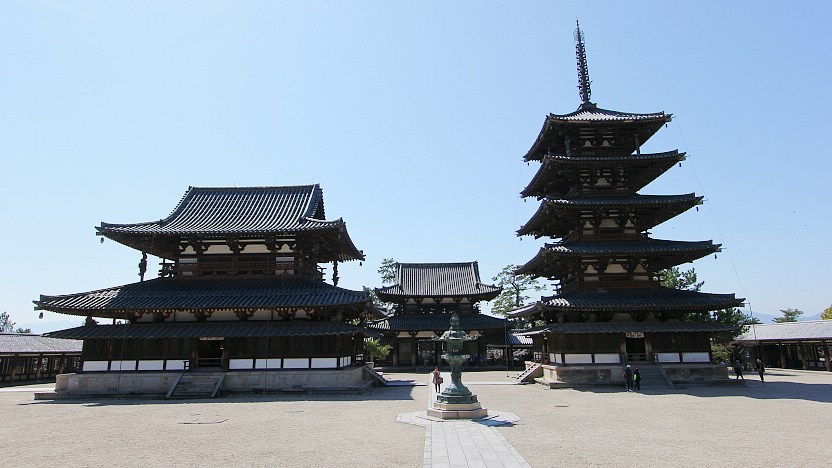
Horyu-ji Temple is renowned for its exceptional architecture, with structures that have stood the test of time for over 1,300 years. The temple complex is divided into two main areas: the Sai-in (Western Precinct) and the To-in (Eastern Precinct). The most iconic structure is the five-story pagoda in the Sai-in area, which is considered one of the oldest surviving wooden buildings in the world. The pagoda’s elegant design and intricate wooden joinery showcase the craftsmanship and architectural genius of ancient Japan.

The Kondo, or Golden Hall, is another significant structure within the temple complex. It houses several important Buddhist statues and relics, including the famous Shaka Triad, a masterpiece of early Japanese Buddhist art. The Kondo’s interior is adorned with murals that depict scenes from Buddhist scriptures, offering a glimpse into the spiritual and artistic heritage of the Asuka period.

Cultural and Spiritual Significance

Horyu-ji Temple is not only an architectural wonder but also a symbol of Japan’s deep-rooted Buddhist traditions. It was designated as a UNESCO World Heritage Site in 1993, recognizing its outstanding universal value and contribution to world heritage. The temple continues to be a place of pilgrimage and spiritual reflection, attracting visitors from around the world who come to admire its historical and artistic treasures.

The temple complex is also home to a wealth of cultural artifacts, including ancient manuscripts, sculptures, and paintings. These artifacts provide valuable insights into the religious and cultural practices of early Japan, making Horyu-ji an essential destination for historians and art enthusiasts alike.

Visiting Horyu-ji Temple

Visitors to Horyu-ji Temple can explore its serene grounds and marvel at its ancient architecture. The temple is easily accessible from Nara city and offers a peaceful retreat from the hustle and bustle of modern life. As you wander through the temple precincts, take a moment to appreciate the harmony between nature and architecture that defines this historic site.

Conclusion

Horyu-ji Temple is a timeless jewel of Japan’s Buddhist heritage, offering a unique window into the country’s ancient past. Its enduring structures and cultural treasures stand as a testament to the spiritual and artistic achievements of early Japan. Whether you are a history buff, an architecture enthusiast, or a spiritual seeker, a visit to Horyu-ji Temple promises a profound and enriching experience.

Hidden Gems of the Harz Mountains: Germany’s Secret Treasures

mchec.org – The Harz Mountains, located in central Germany, are a region of outstanding natural beauty and rich cultural heritage. While the area is known for its stunning landscapes and historical towns, it also harbors a wealth of lesser-known attractions waiting to be discovered. This article delves into the hidden gems of the Harz Mountains, offering a guide to exploring its secret treasures.

Mystical Landscapes

The Harz Mountains are famed for their enchanting landscapes, but beyond the popular trails and peaks lie secluded spots that offer tranquility and wonder. The Oderteich Reservoir, a serene body of water surrounded by dense forests, provides a perfect setting for peaceful hikes and picnics. For those seeking a touch of magic, the UNESCO-listed Upper Harz Water Management System reveals an intricate network of historic dams and channels, blending nature with human ingenuity.

Charming Villages

Nestled within the Harz Mountains are picturesque villages that exude charm and history. Stolberg, with its half-timbered houses and cobblestone streets, transports visitors to a bygone era. The village of Wernigerode, often referred to as the “Colorful Town,” captivates with its vibrant architecture and the fairy-tale-like Wernigerode Castle overlooking the town.

Historical Marvels

The region is steeped in history, offering a wealth of hidden historical sites. The Rammelsberg Mines, a UNESCO World Heritage Site, provide insight into the region’s mining heritage, with guided tours taking visitors deep into the earth. In Quedlinburg, a treasure trove of medieval architecture and narrow alleyways awaits exploration. The town’s half-timbered structures and the imposing Quedlinburg Castle are a testament to its rich past.

Natural Wonders

Beyond the well-trodden paths, the Harz Mountains boast natural wonders that captivate the adventurous spirit. The Bode Gorge offers a dramatic landscape of rugged cliffs and rushing waters, perfect for hiking and photography. For a unique experience, the Baumann’s Cave near Rübeland invites visitors into a subterranean world of stalactites and stalagmites, creating an otherworldly atmosphere.

Cultural Experiences

The Harz Mountains are not only a haven for nature lovers but also a cultural hotspot. The region hosts a variety of festivals and events celebrating its traditions and folklore. The Walpurgis Night celebrations in Thale, with their theatrical performances and lively parades, draw visitors from near and far, offering a glimpse into the region’s mystical heritage.

Conclusion

The Harz Mountains are a treasure trove of hidden gems waiting to be explored. From mystical landscapes and charming villages to historical marvels and cultural experiences, the region offers something for every traveler. Whether you are seeking adventure, relaxation, or a journey through history, the Harz Mountains promise an unforgettable exploration of Germany’s secret treasures.

The Republic of the Marshall Islands: A Brief History

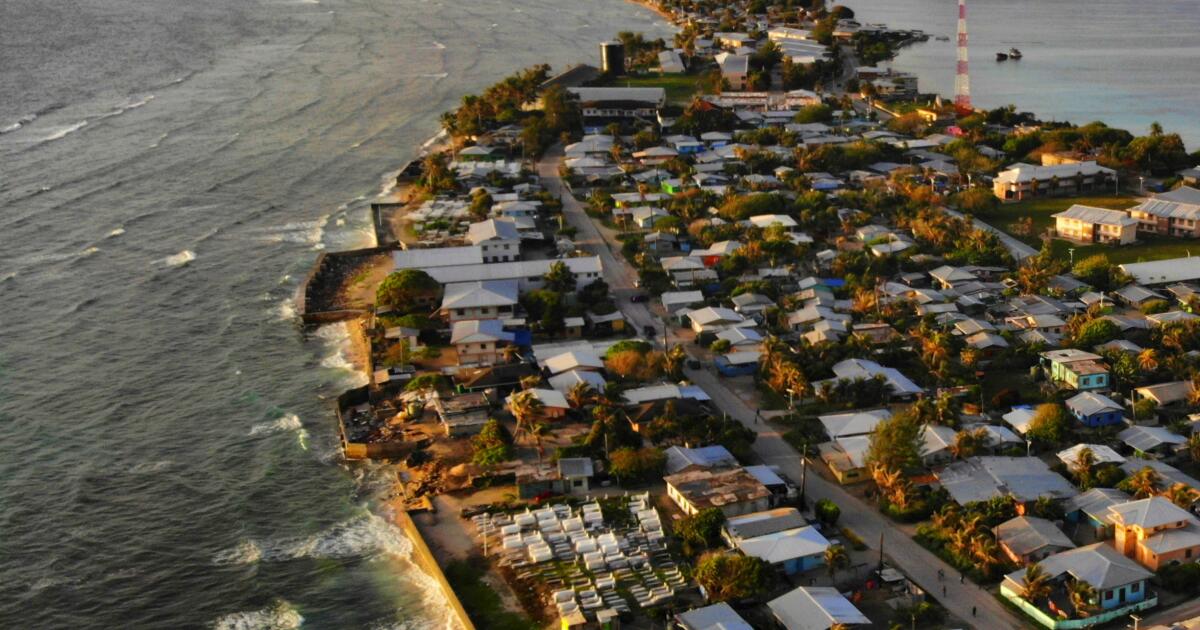
mchec.org – The history of the Marshall Islands dates back to at least the second millennium B.C., when Austronesian settlers arrived on the islands. These early settlers were skilled navigators, and they developed a remarkable system of ocean navigation using stick charts, which allowed them to travel long distances across the Pacific Ocean.

The first European to visit the islands was Spanish explorer Alonso de Salazar in 1526, but it wasn’t until 1788 that the islands were named after British Captain John Marshall, who visited the islands during his explorations. This marked the beginning of European interest in the region.

Colonial Era

The Marshall Islands were claimed by Spain in 1874, but in 1885, they were sold to the German Empire. Under German control, the islands were organized into a protectorate and became part of German New Guinea. This period saw the establishment of trading stations and the introduction of new economic activities, such as copra production.

During World War I, Japan seized control of the Marshall Islands from Germany, and after the war, the League of Nations granted Japan a mandate over the islands. The Japanese administration continued to develop the islands’ economy and infrastructure.

World War II and U.S. Control

During World War II, the Marshall Islands became a significant battleground. The United States captured the islands from Japan in 1944 during the Gilbert and Marshall Islands campaign. After the war, the islands became part of the Trust Territory of the Pacific Islands, administered by the United States under a United Nations mandate.

Independence and Modern Era

The Marshall Islands began moving towards self-governance in the 1970s. In 1979, the islands adopted a constitution, establishing the Republic of the Marshall Islands. Full independence was achieved in 1986 under a Compact of Free Association with the United States, which provided financial aid and defense in exchange for certain strategic rights.

The Marshall Islands have faced significant challenges in the modern era, including the legacy of nuclear testing conducted by the United States in the 1940s and 1950s, which has had lasting health and environmental impacts. Today, the Republic of the Marshall Islands is an independent nation with a unique cultural heritage and a commitment to addressing the challenges posed by climate change and economic development.

Melihat Tradisi Lokal di Festival Air Bon Om Touk

mchec.org – Festival Bon Om Touk, yang dikenal sebagai Festival Air di Kamboja, merupakan salah satu perayaan terbesar dan paling ikonik di negara tersebut. Diselenggarakan setiap tahun pada bulan November, festival ini berlangsung selama tiga hari penuh dan menarik ribuan pengunjung, baik dari dalam negeri maupun wisatawan internasional. Bon Om Touk tidak hanya menjadi ajang perayaan budaya dan tradisi lokal, tetapi juga menjadi simbol penghormatan terhadap hubungan historis antara masyarakat Kamboja dan Sungai Mekong.

Festival Bon Om Touk memiliki akar sejarah yang dalam, bermula sejak era Kerajaan Angkor. Perayaan ini dilakukan untuk merayakan perubahan arus Sungai Mekong, yang terjadi setiap tahun saat air dari dataran tinggi mengalir ke arah Tonle Sap, dan sebaliknya. Fenomena unik ini sangat penting bagi pertanian dan perikanan di Kamboja, karena membawa kesuburan tanah serta kekayaan sumber daya ikan di sekitar sungai dan danau.

Selain itu, Bon Om Touk juga merupakan bentuk penghormatan kepada dewa-dewa air yang dipercaya melindungi kesejahteraan masyarakat Kamboja. Pada masa lalu, raja-raja Angkor mengadakan lomba perahu untuk memperingati kemenangan angkatan laut atas musuh-musuh mereka. Tradisi tersebut terus berkembang hingga menjadi festival besar yang diperingati sampai sekarang.

melihat-tradisi-lokal-di-festival-air-bon-om-touk

  1. Lomba Perahu Naga
    Pusat dari Festival Bon Om Touk adalah Lomba Perahu Naga (boat race) yang diadakan di Sungai Mekong, terutama di ibu kota Phnom Penh. Perahu panjang yang dihiasi dengan ukiran naga, simbol kekuatan dan keberanian, berlomba dengan penuh semangat. Para peserta datang dari berbagai provinsi, dan tim mereka terdiri dari para pendayung yang sudah terlatih. Sorak sorai penonton di sepanjang sungai menciptakan suasana meriah yang sangat khas.
  2. Penerangan Lilin
    Tradisi lain yang tak kalah penting adalah Sampeah Preah Khe, yaitu upacara penerangan lilin dan lentera di malam hari. Orang-orang berkumpul di tepi sungai, membawa lilin atau lentera yang dihanyutkan ke dalam air sebagai simbol penghormatan kepada dewa air. Upacara ini melambangkan harapan bagi masa depan yang sejahtera dan panen yang melimpah.
  3. Pertunjukan Seni dan Musik Tradisional
    Festival ini juga dimeriahkan dengan berbagai pertunjukan seni, termasuk tarian tradisional, musik, dan teater jalanan. Di sekitar area festival, masyarakat bisa menikmati makanan khas Kamboja, seperti Amok (ikan kari), Lort Cha (mi goreng), dan aneka jajanan lokal. Tidak hanya menyatukan warga, festival ini menjadi panggung untuk melestarikan budaya dan warisan seni Kamboja.

Sungai Mekong memainkan peran vital dalam kehidupan masyarakat Kamboja. Festival Bon Om Touk adalah wujud syukur atas pemberian alam yang sangat berarti bagi pertanian dan perikanan. Tanah yang subur di sepanjang aliran sungai serta kekayaan ikan yang melimpah dari Tonle Sap menjadikan sungai ini sumber kehidupan utama bagi banyak orang. Lomba perahu naga dan ritual keagamaan yang dilakukan selama festival menjadi cara untuk menghormati kekuatan alam tersebut.

melihat-tradisi-lokal-di-festival-air-bon-om-touk

Selain menjadi acara budaya, Festival Air Bon Om Touk juga memberikan dampak ekonomi yang signifikan. Festival ini menarik wisatawan dari berbagai belahan dunia, yang turut mendongkrak sektor pariwisata dan ekonomi lokal. Hotel-hotel, restoran, serta pedagang kecil merasakan manfaat dari lonjakan jumlah pengunjung selama festival berlangsung.

Pemerintah situs slot kamboja, bekerja sama dengan komunitas lokal, berupaya untuk terus mengembangkan festival ini sebagai salah satu ikon budaya yang dapat mempromosikan negara di kancah internasional. Dengan mempertahankan nilai-nilai tradisional, Bon Om Touk diharapkan tetap menjadi daya tarik bagi wisatawan sekaligus menjaga keberlangsungan budaya lokal.

Festival Bon Om Touk bukan hanya sekadar perayaan tahunan, tetapi juga refleksi dari hubungan mendalam antara masyarakat Kamboja dengan alam, khususnya Sungai Mekong. Perpaduan antara tradisi kuno dan modernitas menjadikan festival ini sebagai salah satu acara budaya yang paling dinantikan, baik oleh warga lokal maupun wisatawan. Melalui perayaan ini, Kamboja berhasil mempertahankan warisan budayanya sambil merangkul perubahan zaman.

The Island Chain: Saint Vincent and the Grenadines

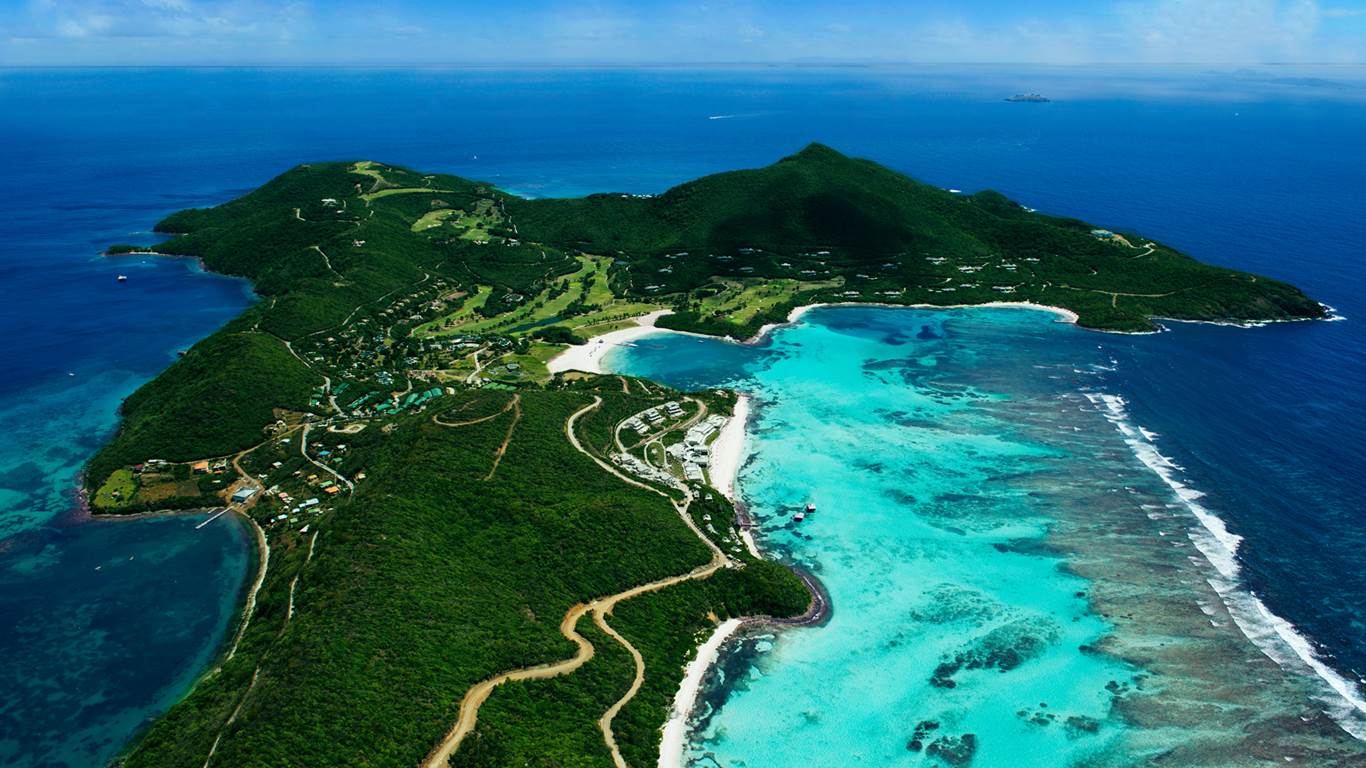
mchec.org – Nestled in the southeastern Caribbean Sea, Saint Vincent and the Grenadines is a captivating island nation that boasts a rich tapestry of natural beauty, cultural heritage, and historical significance. This archipelago, comprising the main island of Saint Vincent and the northern Grenadine islands, offers a unique blend of lush rainforests, stunning beaches, and vibrant communities that make it a fascinating destination for travelers and adventurers alike.

Geographical Overview

Saint Vincent and the Grenadines span an area of approximately 150 square miles (389 square kilometers), with the main island of Saint Vincent accounting for about two-thirds of the total land area. The nation is located between the Caribbean Sea and the Atlantic Ocean, north of Grenada and south of Saint Lucia. The Grenadine islands, a chain of smaller islands and cays, add to the nation’s allure with their picturesque landscapes and tranquil waters.

Cultural Heritage

The cultural heritage of Saint Vincent and the Grenadines is a vibrant mosaic influenced by indigenous peoples, European colonizers, and African slaves. This rich history is reflected in the nation’s music, dance, cuisine, and festivals, such as the Vincy Mas Carnival, which is celebrated with parades, calypso music, and colorful costumes. The island’s cuisine is also a testament to its diverse cultural influences, featuring a blend of Caribbean, African, and European flavors.

Environmental Treasures

Saint Vincent and the Grenadines are home to a wealth of environmental treasures, including the lush rainforests of Saint Vincent, which are home to a variety of flora and fauna. The island’s volcanic origin is evident in the presence of La Soufrière, an active volcano that last erupted in 2021. The Grenadine islands, with their white-sand beaches and coral reefs, offer some of the most beautiful snorkeling and diving sites in the Caribbean.

Economic Landscape

The economy of Saint Vincent and the Grenadines is primarily based on agriculture, tourism, and financial services. Bananas, arrowroot, and coconuts are among the key agricultural exports, while tourism continues to grow as a significant source of revenue. The nation’s strategic location and favorable regulatory environment have also made it an attractive destination for offshore financial services.

Challenges and Opportunities

Like many small island developing states, Saint Vincent and the Grenadines face numerous challenges, including vulnerability to natural disasters, climate change, and economic fluctuations. However, the nation’s commitment to sustainable development and its efforts to diversify its economy offer promising opportunities for the future. The growth of eco-tourism, for example, has the potential to provide economic benefits while preserving the natural and cultural heritage of the islands.

Conclusion

Saint Vincent and the Grenadines are a testament to the beauty and resilience of island nations. With their rich cultural heritage, stunning natural landscapes, and vibrant communities, these islands offer a unique and welcoming experience for visitors and residents alike. As the nation continues to navigate the challenges of the 21st century, its commitment to sustainable development and cultural preservation ensures that it will remain a beacon of hope and resilience in the Caribbean.

Cyprus: Land of Contrasts and Ancient History Meets Modern Life

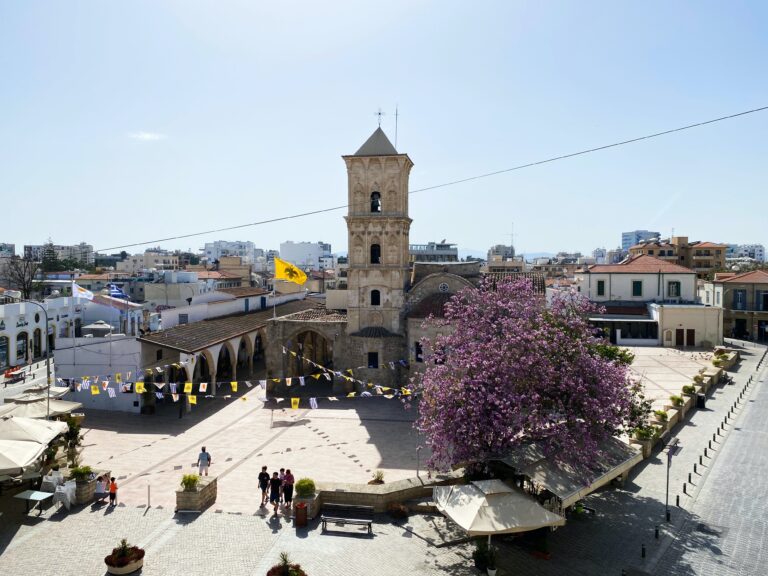
mchec.org – Cyprus, an island nation in the eastern Mediterranean, is a captivating destination that seamlessly blends the old with the new, the natural with the man-made, and the serene with the vibrant. This unique juxtaposition of contrasts creates a rich tapestry of experiences that make Cyprus a truly unique destination.

Ancient History Meets Modern Life

One of the most striking contrasts in Cyprus is the seamless integration of ancient history with modern life. The island is dotted with archaeological sites that date back thousands of years, such as the ancient city-kingdoms of Paphos, Kourion, and Salamis. Yet, these historical gems coexist harmoniously with the bustling cities of Nicosia, Limassol, and Larnaca, which are centers of commerce, culture, and contemporary living.

Paphos: A UNESCO World Heritage Site

Paphos, with its well-preserved ruins and stunning mosaics, offers a glimpse into the life of ancient Cyprus. Yet, just a stone’s throw away, visitors can enjoy the modern amenities and vibrant nightlife of the city, making Paphos a unique blend of the past and present.

Nicosia: The Divided Capital

Nicosia, the capital of Cyprus, is the last divided capital in the world, with the northern part of the city under the control of the Turkish Republic of Northern Cyprus and the southern part being the capital of the Republic of Cyprus. This division is a stark reminder of the island’s complex history and ongoing political situation. Despite this division, both parts of the city are vibrant and modern, with a mix of historical sites, museums, and modern shopping centers.

Natural Beauty and Urban Development

Cyprus is renowned for its natural beauty, with stunning beaches, rugged mountains, and lush valleys. However, this natural splendor is complemented by well-developed urban areas that offer a high standard of living and modern amenities.

The Troodos Mountains

The Troodos Mountains, with their pine forests, hiking trails, and traditional villages, offer a serene escape from the hustle and bustle of city life. Yet, these natural wonders are easily accessible from the island’s main cities, making it possible to experience both the tranquility of nature and the convenience of urban life in a single day.

Coastal Development

The Cypriot coastline is a prime example of how natural beauty and urban development can coexist. Towns like Ayia Napa and Protaras have developed into popular tourist destinations, with a plethora of resorts, restaurants, and nightlife options. However, these areas have managed to preserve their natural charm, with beautiful beaches and clear waters that remain unspoiled.

Cultural Traditions and International Influences

Cyprus’s culture is a rich blend of traditions that have been passed down through generations, alongside international influences that have shaped the island’s modern identity.

Traditional Customs and Festivals

The island’s cultural calendar is filled with traditional customs and festivals, such as the flower festival in spring and the cultural events that take place throughout the year. These celebrations are a testament to the enduring strength of Cypriot traditions and the importance of community and family.

Culinary Delights

Cypriot cuisine is another area where tradition meets innovation. Traditional dishes like meze, souvla, and halloumi cheese are enjoyed alongside international cuisine, reflecting the island’s diverse culinary influences. The fusion of flavors and cooking styles creates a unique gastronomic experience that is both authentic and cosmopolitan.

Conclusion

Cyprus is a land of contrasts, where ancient history and modern life, natural beauty and urban development, and cultural traditions and international influences coexist in perfect harmony. This unique blend creates a rich tapestry of experiences that make Cyprus a truly special destination. Whether you’re exploring ancient ruins, relaxing on a sun-drenched beach, or indulging in delicious cuisine, Cyprus promises an unforgettable journey through its many contrasts.

2024 Sri Lankan Presidential Election: Key Candidates

mchec.org – The 2024 Sri Lankan presidential election, held on September 21, 2024, marked a significant turning point in the country’s political landscape. With the nation still recovering from its worst-ever economic crisis, the election was crucial for determining the future direction of the country. This article delves into the key candidates and their campaigns, providing a comprehensive overview of the election.

Key Candidates

1. Ranil Wickremesinghe

Incumbent President Ranil Wickremesinghe ran for re-election as an independent candidate. He became the first sitting president to run for re-election since Mahinda Rajapaksa in 2015. Wickremesinghe’s campaign focused on the economic reforms he had implemented since taking office in 2022, which included stabilizing the economy and securing international financial support. Despite improvements in key economic indicators, his campaign faced criticism for not addressing the high cost of living and allegations of corruption.

2. Sajith Premadasa

Sajith Premadasa, the Leader of the Opposition and head of the United National Party (UNP), emerged as a strong contender. His campaign emphasized the need to combat corruption and improve governance. Premadasa promised to address the economic challenges by focusing on job creation and reducing the cost of living. His campaign also highlighted his experience in local governance and his commitment to national unity.

3. Anura Kumara Dissanayake

Anura Kumara Dissanayake, the leader of the Janatha Vimukthi Peramuna (JVP), led a left-wing coalition. His campaign was particularly popular among the youth and working-class voters. Dissanayake’s platform included promises to address income inequality, improve public services, and promote social justice. His campaign also focused on the need for political reform and greater transparency in governance.

4. Namal Rajapaksa

Namal Rajapaksa, son of former President Mahinda Rajapaksa, entered the race as a surprise candidate. His campaign was supported by the influential Rajapaksa family, which has a strong political legacy in Sri Lanka. Namal’s platform included promises to restore economic stability and promote national unity. His campaign also emphasized the need for strong leadership and the continuation of his father’s policies.

5. Nuwan Bopage

Nuwan Bopage, a former Buddhist monk, ran on a platform that included the legalization of marijuana and the promotion of environmental policies. His campaign, while unconventional, garnered attention for its unique approach to addressing social and environmental issues in Sri Lanka.

Campaign Strategies

Economic Reforms and Stability

The economic crisis was a central theme in all campaigns. Candidates like Ranil Wickremesinghe and Namal Rajapaksa focused on their plans to stabilize the economy and attract foreign investment. Wickremesinghe highlighted his achievements in securing international financial support and implementing economic reforms, while Rajapaksa promised to restore economic stability through strong leadership and policy continuity.

Corruption and Governance

Sajith Premadasa’s campaign heavily emphasized the need to combat corruption and improve governance. He promised to implement measures to ensure transparency and accountability in government operations. His campaign also focused on the need for job creation and reducing the cost of living, appealing to voters concerned about economic hardships.

Social Justice and Political Reform

Anura Kumara Dissanayake’s campaign was centered on social justice and political reform. He promised to address income inequality, improve public services, and promote social justice. His campaign also focused on the need for political reform and greater transparency in governance, appealing to younger voters and those seeking change.

Unconventional Approaches

Nuwan Bopage’s campaign stood out for its unconventional approach. He focused on environmental policies and the legalization of marijuana, which garnered attention but also faced criticism for being too radical. His campaign highlighted the need for innovative solutions to address social and environmental issues in Sri Lanka.

Conclusion

The 2024 Sri Lankan presidential election was a pivotal moment in the country’s political history. The key candidates, each with their unique platforms and campaign strategies, vied for the support of the electorate. As Sri Lanka continues to recover from its economic crisis, the election results will play a crucial role in shaping the country’s future direction.

History and Culture: The Republic of Korea

mchec.org – The history of the Republic of Korea, commonly known as South Korea, is a rich tapestry woven from ancient dynasties, foreign influences, and modern developments. The Korean Peninsula has been inhabited for thousands of years, with the earliest known Korean kingdom, Gojoseon, emerging around 2333 BCE. Over the centuries, various dynasties such as Goguryeo, Baekje, Silla, and Goryeo ruled the region, each leaving a significant mark on the culture and society of Korea.

Modern Era

The modern history of South Korea begins with the division of the Korean Peninsula following Japan’s surrender in World War II on September 2, 1945. The peninsula was divided along the 38th parallel, with the Soviet Union occupying the north and the United States occupying the south. This division led to the establishment of two separate governments: the Democratic People’s Republic of Korea in the north and the Republic of Korea in the south in 1948.

The Korean War (1950-1953) was a pivotal event in South Korea’s history, resulting in massive destruction and loss of life. The war ended with an armistice, leaving the peninsula divided and setting the stage for the Cold War dynamics that would shape the region for decades to come.

Post-war South Korea experienced rapid economic growth, often referred to as the “Miracle on the Han River.” This period saw significant industrialization and modernization, transforming South Korea from an agrarian society into a major economic power. Key factors in this transformation included strategic government policies, a focus on education, and a strong work ethic among the population.

Culture

South Korean culture is a blend of ancient traditions and modern influences, reflecting the country’s dynamic history and its position as a global cultural hub. Traditional elements such as Confucianism, Buddhism, and Shamanism have deeply influenced Korean society, shaping its values, customs, and social structures.

Traditional Arts and Festivals

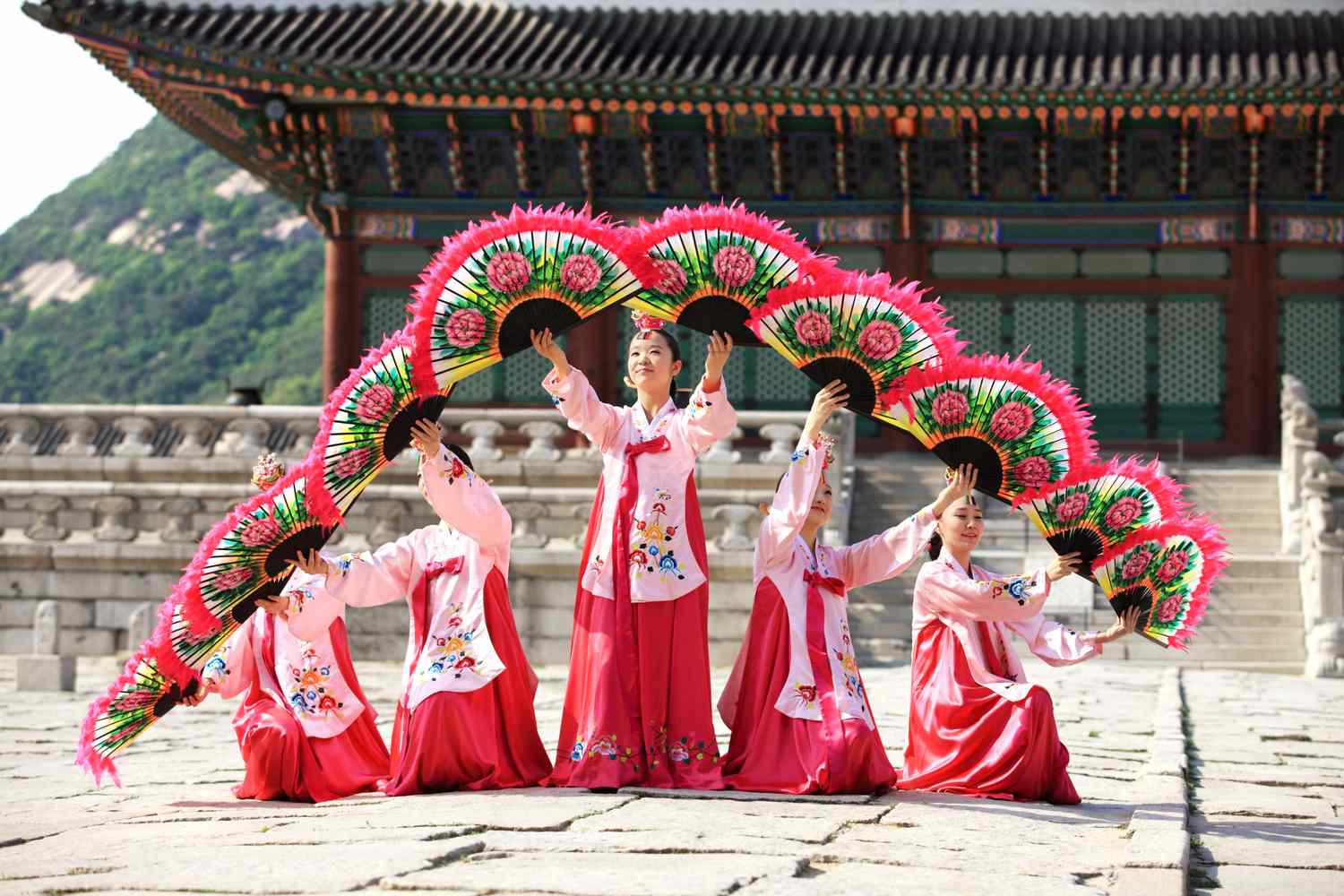
Traditional Korean arts include music, dance, and various forms of visual arts. Notable traditional dances include the Farmers’ Dance and the Mask Dance, which are performed during festivals and special occasions. Korean music, known as “gugak,” features a variety of traditional instruments such as the gayageum (a zither) and the daegeum (a bamboo flute).

Festivals play a significant role in Korean culture, with many celebrating the changing seasons and historical events. The most famous festivals include the Lunar New Year (Seollal) and the Mid-Autumn Festival (Chuseok), which are marked by family gatherings, traditional foods, and rituals.

Modern Influences

In recent decades, South Korea has become a global cultural phenomenon, particularly in the realms of music, film, and television. The “Korean Wave” (Hallyu) has swept across the world, popularizing K-pop, Korean dramas, and films. This cultural export has not only boosted South Korea’s economy but also enhanced its global image and soft power.

South Korean cuisine is another aspect of its culture that has gained international recognition. Dishes like kimchi, bulgogi, and bibimbap are now enjoyed worldwide, reflecting the country’s rich culinary traditions and innovative approach to food.

Education and Society

Education is highly valued in South Korean society, with a strong emphasis on academic achievement. The country’s education system is rigorous, and students often attend after-school programs and private tutoring to excel in their studies. This focus on education has contributed to South Korea’s high literacy rates and skilled workforce.

In summary, the Republic of Korea’s history and culture are a testament to its resilience, innovation, and unique identity. From its ancient dynasties to its modern-day global influence, South Korea continues to evolve while maintaining a deep connection to its traditional roots.

The Rich Biodiversity of Mozambique’s Coastal Waters

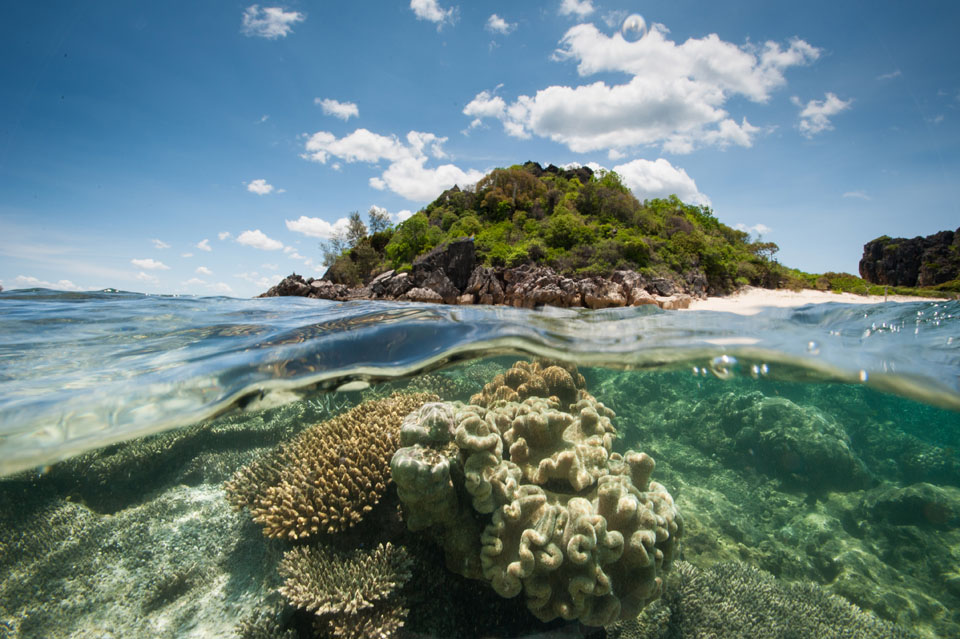
mchec.org – Mozambique, with its extensive coastline of approximately 2,700 kilometers, boasts a remarkable array of marine ecosystems that are both pristine and highly diverse. The coastal waters of Mozambique are home to a variety of habitats, including mangroves, estuaries, seagrass beds, coral reefs, sandy and rocky beaches, sand dunes, and bays. This rich biodiversity is not only ecologically significant but also plays a crucial role in supporting local communities and economies.

Diverse Marine Ecosystems

The Mozambican coastline is characterized by a wide diversity of habitats, each contributing to the overall biodiversity of the region. These habitats include:

  • Mangroves: These coastal forests are vital for protecting shorelines from erosion and providing nursery grounds for many marine species.
  • Estuaries: These areas where rivers meet the sea are rich in nutrients and support a high diversity of fish and invertebrates.
  • Seagrass Beds: These underwater meadows are essential for the survival of many marine species, including sea turtles and dugongs.
  • Coral Reefs: The coral reefs of Mozambique are some of the most extensive and diverse in the world, supporting a vast array of marine life.
  • Sandy and Rocky Beaches: These areas provide habitats for a variety of species, including sea birds and marine mammals.

Importance of Biodiversity

The biodiversity of Mozambique’s coastal waters is not only a natural wonder but also a critical resource for the country. The marine ecosystems provide essential services such as:

  • Fisheries: The rich marine life supports a significant fishing industry, which is a vital source of income and food for many coastal communities.
  • Tourism: The unique and diverse marine life attracts tourists, contributing to the local economy.
  • Coastal Protection: Mangroves and coral reefs act as natural barriers, protecting the coastline from erosion and storm surges.

Conservation Efforts

Recognizing the importance of its marine biodiversity, Mozambique has implemented various conservation measures. These include the establishment of marine protected areas and the implementation of sustainable fishing practices. However, the region still faces challenges such as overfishing, pollution, and the impacts of climate change, which threaten the delicate balance of these ecosystems.

Future Outlook

The future of Mozambique’s coastal waters depends on continued conservation efforts and sustainable management practices. By protecting these ecosystems, Mozambique can ensure the long-term health of its marine environment and the well-being of its coastal communities.

In conclusion, the coastal waters of Mozambique are a treasure trove of biodiversity, supporting a wide range of marine life and providing essential services to the local population. It is crucial to continue efforts to protect and conserve these valuable ecosystems for future generations.

The Enigmatic Blue Holes of the Bahamas

mchec.org – The Bahamas, a series of semitropical islands off the southeast coast of the United States, is home to some of the most fascinating natural wonders on Earth. Among these are the enigmatic blue holes, underwater caves that have captivated explorers and scientists alike for decades. These unique geological formations are not only breathtaking in their beauty but also hold significant scientific value, offering insights into the Earth’s history and potentially even extraterrestrial life.

What Are Blue Holes?

Blue holes are underwater sinkholes or caves that form in carbonate rock such as limestone. They are characterized by their deep blue color, which contrasts sharply with the surrounding water, making them easily visible from the surface. These formations are created over thousands of years through the dissolution of limestone by slightly acidic rainwater and groundwater. As the water seeps through the rock, it carves out vast underground caverns, which eventually collapse, creating the distinctive blue holes we see today.

The Mystical Beauty of Blue Holes

Exploring blue holes is a highlight of any diving excursion. The sheer limestone walls, magnificent stalagmites, and dazzling mineral formations create an otherworldly environment that enhances the feeling of being in a different world. The clarity of the water and the unique lighting conditions inside these caves make for an unforgettable experience for divers.

Scientific Significance

Beyond their aesthetic appeal, blue holes are time capsules of thousands of years of history. The underwater caves preserve a wealth of information about past climates, sea levels, and even prehistoric life. Fossilized remains of ancient animals and plants, as well as human artifacts, have been discovered in these caves, providing valuable insights into the Earth’s past.

Moreover, the unique chemical and biological conditions within blue holes make them of particular interest to scientists studying extremophile organisms—life forms that thrive in extreme environments. These conditions are similar to those found on other planets, making blue holes a potential model for understanding life beyond Earth.

Notable Blue Holes in the Bahamas

The Bahamas boasts an impressive number and diversity of blue holes. One of the most famous is Dean’s Blue Hole on Long Island, recognized as the deepest blue hole on Earth, plunging over 663 feet into the ocean. Another notable example is Captain Bill’s Blue Hole on Andros Island, which is part of a network of inland blue holes that have been studied for their unique water chemistry and biota.

The Risks of Exploration

Despite their allure, blue holes are not without danger. The extreme depths, limited visibility, and potential for sudden changes in water conditions make them challenging and sometimes hazardous to explore. Divers must be highly skilled and well-prepared to navigate these underwater caves safely.

Conclusion

The blue holes of the Bahamas are more than just natural wonders; they are gateways to the past and potential keys to understanding the future. As we continue to explore and study these enigmatic formations, we uncover new layers of knowledge about our planet and the universe. For those brave enough to venture into their depths, the blue holes offer a glimpse into a world that is both ancient and alien, a true testament to the Earth’s incredible diversity and complexity.

Universal Coverage and Quality: Swedish Healthcare

mchec.org – Sweden is renowned for its comprehensive healthcare system that provides universal coverage to all its residents. The Swedish healthcare model is often cited as a benchmark for quality and equity in healthcare delivery. This article delves into the key aspects of the Swedish healthcare system, examining how it ensures universal coverage while maintaining high standards of care.

Universal Healthcare Coverage

At the core of the Swedish healthcare system is the principle of universal coverage. Every resident in Sweden, regardless of their income or employment status, has access to healthcare services. This is achieved through a combination of public funding and a system of co-payments, which ensures that healthcare is affordable for everyone.

Public Funding and Co-Payments

The Swedish healthcare system is primarily funded through taxes. This public funding covers the majority of healthcare costs, ensuring that essential services are free or available at a low cost. However, patients are required to make co-payments for certain services, such as doctor visits and prescription medications. These co-payments are capped at an annual maximum, preventing individuals from incurring excessive healthcare expenses.

Regional Healthcare Administration

Sweden’s healthcare system is decentralized, with responsibilities divided between the national government and 21 county councils. Each county council is responsible for organizing and providing healthcare services within its region. This decentralized approach allows for local adaptation and responsiveness to regional healthcare needs while maintaining national standards and guidelines.

High Quality of Care

The Swedish healthcare system is known for its high quality of care. This is attributed to several factors, including rigorous training and education for healthcare professionals, a strong emphasis on preventive care, and the use of evidence-based medicine. Additionally, Sweden invests heavily in medical research and technology, ensuring that healthcare services are at the forefront of medical advancements.

Challenges and Reforms

Despite its strengths, the Swedish healthcare system faces challenges, such as waiting times for certain procedures and an aging population that increases healthcare demands. In response to these challenges, the system undergoes continuous reforms aimed at improving efficiency, reducing waiting times, and enhancing patient experiences.

Conclusion

The Swedish healthcare system exemplifies a model of universal coverage and quality. By combining public funding with co-payments, ensuring regional responsiveness, and maintaining high professional standards, Sweden has created a healthcare system that is both equitable and effective. As the country continues to navigate the evolving landscape of healthcare, its commitment to universal coverage and quality remains a cornerstone of its social welfare system.

The Role of Royal Decrees in Saudi Arabia’s Legal System

mchec.org – Royal decrees play a pivotal role in Saudi Arabia’s legal system, serving as a key mechanism for governance, policy-making, and legal reform. These decrees, issued by the King and other high-ranking officials, complement the foundational Islamic law (Shariah) and provide the necessary flexibility to address contemporary legal challenges.

Understanding Royal Decrees

  1. Definition and Nature: Royal decrees are official orders issued by the King or other members of the royal family, such as crown princes or ministers. They are legally binding and carry the authority of the state.
  2. Types of Decrees: Royal decrees can take various forms, including executive orders, legislative decrees, and administrative regulations. They can address a wide range of issues, from national security and economic policy to social reforms and judicial procedures.

The Function of Royal Decrees in the Legal System

  1. Supplementing Shariah Law: While Shariah provides the core principles of Saudi law, royal decrees offer detailed regulations and guidelines for their implementation. This ensures that the legal system remains adaptable and responsive to the needs of society.
  2. Legislative Role: Royal decrees often serve as a form of legislation, introducing new laws or amending existing ones. This allows for swift legal reform and the introduction of modern legal concepts without altering the Shariah framework.
  3. Policy Implementation: Many royal decrees are focused on implementing specific policies or initiatives. For example, decrees may establish new government agencies, set economic targets, or outline strategies for social development.

Examples of Significant Royal Decrees

  1. Vision 2030: One of the most notable royal decrees is the launch of Vision 2030, a comprehensive plan for the Kingdom’s economic and social transformation. This decree set ambitious goals for diversifying the economy, improving public services, and enhancing the quality of life.
  2. Judicial Reforms: Several royal decrees have been issued to reform the judicial system, including the establishment of specialized courts (e.g., commercial, labor, and administrative courts) and the introduction of new procedures to improve efficiency and transparency.
  3. Women’s Rights: Recent royal decrees have played a significant role in advancing women’s rights in Saudi Arabia. These include decrees allowing women to drive, participate in sports, and access various public roles previously restricted to men.

The Process of Issuing and Implementing Royal Decrees

  1. Issuance: Royal decrees are typically issued in response to specific needs or challenges. They are drafted by relevant government agencies or committees and submitted to the King or other high-ranking officials for approval.
  2. Publication and Dissemination: Once approved, royal decrees are published in the Official Gazette (Umm al-Qura) and disseminated through official channels. This ensures that all citizens and residents are aware of the new laws and regulations.
  3. Implementation: The implementation of royal decrees is overseen by the relevant government agencies. This may involve the development of detailed guidelines, training of officials, and monitoring of compliance.

Conclusion

Royal decrees are a cornerstone of Saudi Arabia’s legal system, providing a flexible and efficient means of governance and legal reform. By complementing the principles of Shariah, these decrees enable the Kingdom to address contemporary challenges while upholding its Islamic values. As Saudi Arabia continues to evolve, royal decrees will remain a vital tool for shaping its legal landscape and driving its vision for the future.

France’s Global Impact on Fashion, Cuisine, and Art

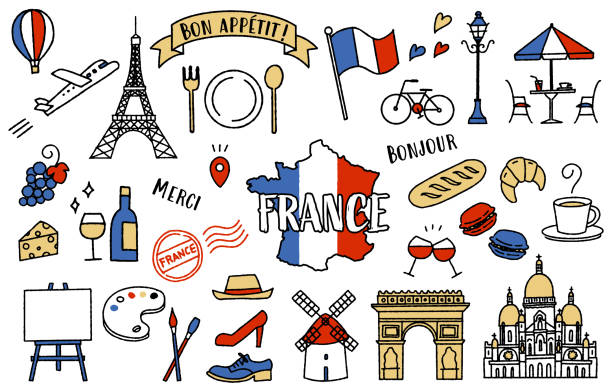
mchec.org – France has long been a beacon of cultural influence, particularly in the realms of fashion, cuisine, and art. This influence is not just a matter of historical significance; it continues to shape global trends and tastes in the present day.

Fashion: Setting Global Trends

French fashion has been at the forefront of global trends for centuries. The country is home to some of the world’s most prestigious fashion houses, such as Chanel, Dior, and Louis Vuitton, which have set the standards for haute couture and ready-to-wear collections. Paris Fashion Week is one of the most anticipated events in the industry, where designers unveil their latest creations, influencing styles and setting trends worldwide.

Design and Innovation

French designers are renowned for their innovation, craftsmanship, and attention to detail. The concept of haute couture, which involves creating exclusive, custom-made garments, originated in France. This tradition of excellence has permeated the global fashion industry, setting a benchmark for quality and creativity.

Global Reach

French fashion’s influence extends beyond the runway. It has shaped popular culture, with French styles and designers influencing everyday clothing and accessories worldwide. The allure of French fashion is such that it has become synonymous with elegance and sophistication, making it a global aspiration.

Cuisine: A Gastronomic Legacy

French cuisine is celebrated for its diversity, technique, and flavor. It has had a profound impact on culinary traditions around the world, with its emphasis on fresh, high-quality ingredients and meticulous preparation.

Culinary Techniques

French culinary techniques, such as sauces, stocks, and the art of pastry, have been adopted and adapted by chefs globally. The French have a way of elevating simple ingredients into exquisite dishes, a philosophy that has inspired chefs to push the boundaries of gastronomy.

Global Influence

French cuisine has left an indelible mark on the global culinary landscape. From the bistros of Paris to the Michelin-starred restaurants, French gastronomy is a source of inspiration for chefs and food enthusiasts alike. The spread of French culinary techniques and traditions has contributed to the development of fusion cuisines and the appreciation of fine dining worldwide.

Art: A Legacy of Creativity and Innovation

France has been a cradle of artistic innovation, from the classical paintings of the Louvre to the avant-garde installations of the Centre Pompidou. The country’s rich artistic heritage has had a profound impact on the global art scene.

Historical Contributions

French artists have been at the forefront of artistic movements, from the Renaissance to Impressionism, Cubism, and beyond. Figures such as Leonardo da Vinci, Claude Monet, and Pablo Picasso have left an indelible mark on the world of art, influencing generations of artists.

Contemporary Impact

The influence of French art continues into the contemporary era. France’s art schools, museums, and galleries remain centers of artistic innovation and education. The country’s commitment to preserving its artistic heritage while embracing new forms of expression ensures its ongoing influence on the global art scene.

Conclusion

France’s cultural influence is a testament to its rich heritage and enduring creativity. Whether through fashion, cuisine, or art, France has shaped global tastes and trends, leaving an indelible mark on the world. This influence is not just a matter of historical significance; it continues to inspire and shape global culture today.

Cuba’s Political Landscape: A Study in Power & Ideology

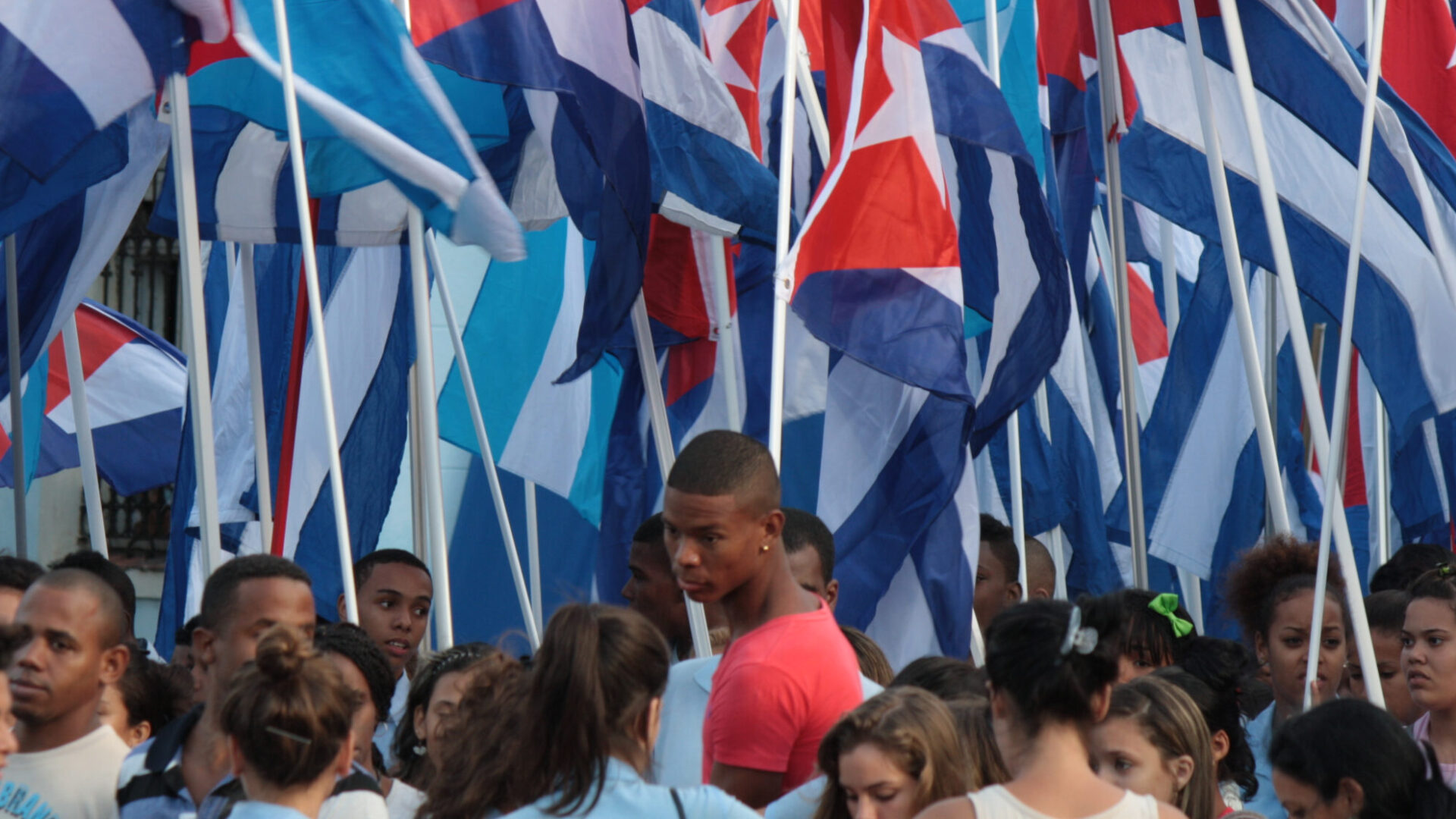
mchec.org – Cuba, an island nation in the Caribbean, has a political landscape that is as complex as it is intriguing. Since the triumph of the Cuban Revolution in 1959, the country has been governed under a socialist ideology, with the Communist Party of Cuba (PCC) as the only legal political party. This article explores the evolution of Cuba’s political system, the role of ideology in governance, and the dynamics of power within the country.

The Pre-Revolutionary Era

Prior to the revolution, Cuba was characterized by political instability, corruption, and economic disparities. The dictatorship of Fulgencio Batista, which came to power through a military coup in 1952, was marked by repression and human rights abuses. This period set the stage for the revolutionary movement led by Fidel Castro and his 26th of July Movement.

The Triumph of the Cuban Revolution

The Cuban Revolution, which culminated in the overthrow of Batista on January 1, 1959, was a pivotal moment in the country’s history. The revolution was driven by a desire for social justice, economic reform, and political sovereignty. In the years that followed, Cuba embarked on a radical transformation, nationalizing industries, redistributing land, and implementing a socialist system.

The Establishment of the Communist Party

The Communist Party of Cuba was established in 1965, with Fidel Castro as its First Secretary. The PCC became the central institution of the state, controlling all aspects of governance and society. The party’s ideology, rooted in Marxist-Leninist principles, shaped Cuba’s political, economic, and social policies.

The Role of Ideology in Governance

Ideology has played a crucial role in Cuba’s governance. The socialist ideology has guided the country’s policies on education, healthcare, housing, and employment, ensuring that these services are accessible to all citizens. The government’s commitment to social equality and justice is a reflection of its ideological foundation.

The Dynamics of Power

The Cuban political system is characterized by a centralized structure, with power concentrated in the hands of the Communist Party and its leadership. The National Assembly of People’s Power is the highest organ of state power, but its role is largely ceremonial. Real power lies with the Politburo and the Central Committee of the PCC, which are dominated by long-standing party members.

The Succession and Continuity of Power

The transition from Fidel Castro to his brother Raúl in 2008, and later to Miguel Díaz-Canel in 2018, demonstrated the regime’s ability to manage succession while maintaining political continuity. Despite these changes, the underlying structure of power and the guiding ideology have remained largely unchanged.

Challenges and Criticisms

Cuba’s political system has faced both internal and external challenges. Critics argue that the lack of political pluralism and freedom of expression limits democratic participation. The government’s response to dissent and the control of civil society have been points of contention. Additionally, the country’s economic struggles and dependence on foreign aid have raised questions about the sustainability of its political model.

Conclusion

Cuba’s political landscape is a study in the interplay between power and ideology. The Communist Party’s dominance and the socialist ideology have shaped the country’s governance and society. While the system has achieved notable successes in areas such as education and healthcare, it has also faced criticism for its lack of political freedoms and economic challenges. As Cuba continues to navigate the complexities of the modern world, its political landscape will undoubtedly evolve, reflecting the changing dynamics of power and ideology within the nation.

The Serene Beauty of Cyanika Tea Plantation

mchec.org – Nestled in the lush highlands of Rwanda, the Cyanika Tea Plantation is a verdant paradise that offers a tranquil escape from the hustle and bustle of everyday life. This renowned tea estate is not only a testament to Rwanda’s burgeoning tea industry but also a destination that invites visitors to immerse themselves in the art of tea cultivation and production.

A Picturesque Landscape

The Cyanika Tea Plantation is situated in the Northern Province of Rwanda, close to the border with Uganda. The plantation covers vast expanses of hilly terrain, with rows upon rows of tea bushes stretching as far as the eye can see. The lush green foliage, combined with the misty mountain air, creates a serene and picturesque landscape that is truly breathtaking.

The Art of Tea Cultivation

Tea cultivation at Cyanika is a meticulous process that begins with the selection of the finest tea plants. The cool climate and rich volcanic soil of the region provide ideal conditions for growing high-quality tea. The plantation employs skilled workers who handpick the tea leaves, ensuring that only the youngest and most tender leaves are selected for processing.

Sustainable Practices

Sustainability is at the core of Cyanika’s operations. The plantation employs eco-friendly farming practices, including the use of organic fertilizers and pest control methods. This commitment to sustainability not only preserves the environment but also ensures that the tea produced is of the highest quality and free from harmful chemicals.

The Tea Factory

Visitors to the Cyanika Tea Plantation can witness the fascinating process of tea production at the on-site factory. The factory uses state-of-the-art machinery to process the tea leaves, which involves withering, rolling, fermentation, and drying. Each step is carefully monitored to ensure that the final product meets the highest standards of quality.

Tasting and Shopping

A visit to the Cyanika Tea Plantation would not be complete without a tea tasting session. Visitors can sample a variety of teas produced at the plantation, from the robust black teas to the delicate green teas. The on-site shop offers a range of Cyanika teas for purchase, making it the perfect place to pick up a unique souvenir.

Community Impact

The Cyanika Tea Plantation plays a significant role in the local community. It provides employment to many residents and contributes to the economic development of the region. The plantation also supports community initiatives, such as education and healthcare, furthering its commitment to social responsibility.

Conclusion

The Cyanika Tea Plantation is more than just a place of production; it is a destination that embodies the beauty and tradition of tea cultivation. It offers visitors a chance to experience the serene beauty of Rwanda’s highlands while learning about the art of tea production. Whether you’re a tea enthusiast or simply seeking a peaceful retreat, the Cyanika Tea Plantation is sure to leave a lasting impression.

Education in Grenada: System, Challenges, & Achievements

mchec.org – Education in Grenada is a cornerstone of the country’s development, aiming to equip its citizens with the necessary skills and knowledge to thrive in a globalized world. The educational system in Grenada is supported by various national and international initiatives, including the Global Partnership for Education, which plays a crucial role in enhancing the quality and accessibility of education across the nation.

The Educational System

Grenada’s education system is structured to provide a comprehensive education from primary to tertiary levels. The system includes public and private schools, with the government playing a significant role in ensuring universal access to education. The implementation of Universal Secondary Education (USE) has been a pivotal policy aimed at increasing access to secondary education for all students.

Challenges

Despite its efforts, the education system in Grenada faces several challenges that hinder its effectiveness. One of the primary challenges is the quality of teaching and teacher training. Historically, there have been issues with inadequate teacher training and culturally inappropriate pedagogies, which have impacted the overall quality of education. Additionally, the system has struggled with literacy weaknesses and poor teacher support, particularly in the context of the USE policy.

Another significant challenge is the digital divide, which became more pronounced during the COVID-19 pandemic. The lack of access to technology has limited the ability of students and teachers to engage with digital learning resources, thereby affecting educational outcomes.

Achievements

Despite these challenges, Grenada has made notable achievements in its educational system. The implementation of USE has been a significant step towards increasing access to secondary education, although it has faced its own set of challenges. The country has also been proactive in addressing the digital divide, with efforts to improve access to technology, particularly in the context of the COVID-19 pandemic.

Conclusion

Education in Grenada is a complex and evolving system, characterized by both challenges and achievements. The government and various stakeholders are actively working to address the current challenges and enhance the quality and accessibility of education. As Grenada continues to navigate these challenges, it is crucial to maintain a focus on improving teaching quality, teacher training, and access to technology to ensure that all students have the opportunity to succeed.

By leveraging international partnerships and implementing evidence-based policies, Grenada can continue to make strides in improving its educational system and preparing its citizens for the future.

Switzerland: Genève-Servette HC Champions Hockey League

mchec.org – In a thrilling display of skill, teamwork, and determination, the Genève-Servette HC has emerged victorious in the Champions Hockey League, bringing glory to Switzerland on the international ice hockey stage. This triumph marks a significant milestone for the team and the nation, showcasing the depth of talent and competitive spirit within Swiss hockey.

The Road to Victory

The journey to the Champions Hockey League title was nothing short of challenging for Genève-Servette HC. The team faced stiff competition from other European powerhouses, each match requiring strategic prowess, resilience, and the ability to perform under pressure. The road to victory was paved with hard-fought battles, each win bringing the team closer to the ultimate prize.

A Celebration of Talent

The victory is a testament to the skill and dedication of the players, the strategic acumen of the coaching staff, and the unwavering support of the fans. The team’s performance throughout the tournament highlighted the depth of talent within Swiss hockey, with players executing precise plays, showcasing exceptional skating, and demonstrating a mastery of the game that captivated audiences worldwide.

The Impact on Swiss Hockey

This triumph has far-reaching implications for Swiss hockey. It elevates the profile of the sport within the country, inspiring a new generation of players and fans. The victory also underscores the competitiveness of Swiss teams on the international stage, challenging preconceptions and setting a new standard for success.

A Moment of National Pride

The victory of Genève-Servette HC in the Champions Hockey League is a source of national pride for Switzerland. It is a celebration not only of the team’s achievement but also of the growth and development of hockey within the nation. The victory has united fans across the country, fostering a sense of community and shared joy in the success of the team.

Looking Ahead

As Genève-Servette HC basks in the glory of their Champions Hockey League victory, the team and the nation look to the future with optimism. The success of the team has set a benchmark for excellence, inspiring others to strive for greatness. The future of Swiss hockey is bright, with the potential for more victories and achievements on the international stage.

The victory of Genève-Servette HC in the Champions Hockey League is a triumph for the team, the sport, and the nation. It is a moment to be celebrated, remembered, and built upon, as Swiss hockey continues to make its mark on the world stage.

Rhythms of the Soul: The Music of Suriname

mchec.org – Suriname, a vibrant country on the northeastern coast of South America, is a melting pot of cultures, each contributing to the rich tapestry of its musical landscape. The music of Suriname is a reflection of its diverse population, with influences from Africa, India, Indonesia, Europe, and the indigenous tribes. This article delves into the soulful rhythms that define Surinamese music, exploring its origins, evolution, and the unique genres that have emerged from this cultural crossroads.

The Historical Roots of Surinamese Music

The music of Suriname has its roots in the traditions brought by the various ethnic groups that settled in the country. African slaves introduced rhythms and instruments that would later become integral to Surinamese music. The arrival of Indian and Indonesian indentured laborers in the 19th century added new layers, with the sitar, tabla, and gamelan influencing the local sound. European colonists also left their mark, particularly through the introduction of Western classical music and instruments.

The Birth of Kaseko

One of the most emblematic genres of Surinamese music is Kaseko, which emerged in the 1960s. Kaseko is a lively, danceable music that combines elements of African rhythms with European brass band music. The genre is characterized by its infectious beats, brass sections, and the use of traditional Surinamese percussion instruments like the snare drum and conga. Kaseko has become synonymous with Suriname’s cultural identity, often played at festivals, parties, and national celebrations.

Hindustani Music

Suriname’s Indian community has also significantly influenced the country’s music scene. Hindustani music, with its classical and folk traditions, is popular among the Indo-Surinamese. This genre includes a variety of styles, from the devotional bhajans to the lively chutney music, which has gained international fame through its fusion with Caribbean rhythms.

Javanese Gamelan and Kroncong

The Javanese population in Suriname has contributed the gamelan, an ensemble of percussive instruments, to the country’s musical heritage. Gamelan music is characterized by its complex interlocking rhythms and melodies. Additionally, the kroncong, a type of music that originated in Indonesia, has been adapted by Surinamese musicians, blending Portuguese and Malay influences with local sounds.

Contemporary Surinamese Music

In recent years, Surinamese artists have been experimenting with a fusion of traditional and modern musical elements. Hip hop, reggae, and pop music are increasingly incorporating traditional Surinamese rhythms and instruments, creating a unique sound that resonates with both local and international audiences. This fusion music is a testament to the evolving nature of Surinamese culture and its ability to adapt while preserving its roots.

Conclusion

The music of Suriname is a vibrant expression of the country’s multicultural heritage. From the soulful beats of Kaseko to the devotional melodies of Hindustani music, each genre tells a story of Suriname’s rich history and the resilience of its people. As Surinamese musicians continue to innovate and blend traditional sounds with contemporary influences, the rhythms of the soul will undoubtedly continue to captivate listeners around the world.

Politics of Palau: A Deep Dive into Its Government & Constitution

mchec.org – The Republic of Palau, an island nation located in the western Pacific Ocean, boasts a unique political system that blends modern governance with traditional practices. This article explores the structure of the Palauan government and its constitution, providing insights into how the country operates.

Government Structure

Palau operates under a presidential system, where the president serves as both the head of state and the head of government. The president is elected by the people for a four-year term, and the vice president is elected on the same ticket. The executive branch includes various ministries, all of which are appointed by the president.

The legislative branch is bicameral, consisting of a Senate and a House of Delegates. The Senate has 13 members, while the House of Delegates has 16 members, all elected for four-year terms. The Senate has more power, including the authority to propose and approve presidential candidates.

The Constitution

The Constitution of Palau, adopted in 1979 and revised in 1992, serves as the supreme law of the land. It outlines the fundamental rights of citizens, the structure of the government, and the principles of governance. The constitution is divided into 15 articles, covering various aspects such as territory, sovereignty, citizenship, and fundamental rights.

The preamble of the constitution emphasizes the inherent sovereignty of the Palauan people and their right to self-governance. It also acknowledges the divine guidance of Almighty God in the establishment of the republic.

Traditional Influence

Despite the modern structure of its government, Palau maintains a strong connection to its traditional practices. The Council of Chiefs, known as the Ibedul and Reklai, plays a significant role in the political landscape. These chiefs hold considerable influence and are considered equal in status to the president.

Political Status

Palau gained independence from United States trusteeship in 1994, but it remains under a Compact of Free Association with the United States. This agreement allows Palau to maintain its sovereignty while receiving financial and technical assistance from the U.S.

Conclusion

The political system of Palau is a fascinating blend of modern democracy and traditional governance. The constitution, with its emphasis on fundamental rights and the separation of powers, ensures a stable and democratic government. The influence of traditional leaders, such as the Ibedul and Reklai, adds a unique layer to Palau’s political landscape.

Understanding the intricacies of Palau’s government and constitution provides a deeper appreciation of the country’s political culture and its commitment to self-governance and democratic principles.

Hong Kong’s Cultural Heritage: Preserving Tradition

mchec.org – Hong Kong, a bustling metropolis known for its skyscrapers, vibrant nightlife, and cutting-edge technology, is also a city rich in cultural heritage. Despite its rapid modernization, Hong Kong has managed to preserve its traditional roots, creating a unique blend of old and new. This preservation is not just a testament to the city’s history but also a vital aspect of its identity.

Traditional Festivals and Rituals

One of the ways Hong Kong maintains its cultural heritage is through the celebration of traditional festivals and rituals. Events such as the Chinese New Year, the Mid-Autumn Festival, and the Dragon Boat Festival are celebrated with enthusiasm, bringing the community together. These festivals are not only a time for family gatherings but also an opportunity for the younger generation to learn about their cultural heritage.

Historic Architecture and Landmarks

Hong Kong’s cultural heritage is also preserved through its historic architecture and landmarks. Buildings such as the Man Mo Temple, a traditional Chinese temple dedicated to the gods of literature and war, and the Star Ferry Pier, a symbol of the city’s maritime history, are protected and maintained. These sites offer a glimpse into the life of Hong Kong before it became the modern city it is today.

Intangible Cultural Heritage

Beyond physical structures, Hong Kong’s cultural heritage includes intangible aspects such as traditional crafts, music, and performing arts. The city is home to various forms of Chinese opera, including Cantonese opera, which has been performed for centuries. Efforts are made to teach these traditions to the younger generation to ensure their survival.

Challenges and Conservation Efforts

Preserving cultural heritage in a rapidly developing city like Hong Kong comes with its challenges. Urban development often threatens historic sites, and the fast pace of modern life can overshadow traditional practices. However, the government and various organizations have implemented conservation efforts to protect and promote Hong Kong’s cultural heritage. These include the establishment of museums, cultural centers, and the creation of laws to safeguard historic buildings.

Conclusion

Hong Kong’s ability to preserve its cultural heritage in the face of modernization is a remarkable achievement. It serves as a reminder that tradition and progress can coexist. By celebrating its past, Hong Kong enriches its present and ensures a vibrant future for its cultural heritage. As the city continues to evolve, it is crucial that these efforts are sustained, allowing future generations to appreciate and participate in the rich tapestry of Hong Kong’s cultural heritage.

The Role of Education in Shaping North Macedonia’s Future

mchec.org – The future of any nation is intricately linked to the quality and accessibility of its education system. In North Macedonia, education plays a pivotal role in shaping the country’s economic, social, and cultural landscape. As the nation strives to consolidate its position in the European Union and beyond, the focus on education becomes even more critical. This article explores the multifaceted role of education in North Macedonia and how it is instrumental in charting the country’s future.

The Foundation of a Knowledge-Based Economy

Education is the cornerstone of a knowledge-based economy. In North Macedonia, where the transition from an industrial to a service-oriented economy is underway, the importance of a skilled and educated workforce cannot be overstated. By investing in education, the country can produce graduates who are equipped with the necessary skills to drive innovation, entrepreneurship, and technological advancement. This, in turn, can lead to higher productivity, job creation, and economic growth.

Fostering Social Cohesion and Inclusion

Education is not just about economic development; it is also a powerful tool for fostering social cohesion and inclusion. In a country with a diverse population, education can play a crucial role in promoting mutual understanding and respect among different ethnic and cultural groups. By implementing inclusive education policies and curricula that celebrate diversity, North Macedonia can ensure that all citizens, regardless of their background, have equal opportunities to succeed.

Cultivating a Culture of Lifelong Learning

In the rapidly changing global landscape, the ability to adapt and learn continuously is essential. North Macedonia’s education system must embrace the concept of lifelong learning, encouraging individuals to acquire new knowledge and skills throughout their lives. This can be achieved by promoting adult education, vocational training, and digital learning platforms, thereby ensuring that the workforce remains competitive and resilient in the face of economic and technological shifts.

Preparing for the Digital Age

As the world becomes increasingly digital, North Macedonia’s education system must prepare its citizens for the realities of the digital age. This includes integrating technology into the classroom, teaching digital literacy, and fostering critical thinking to navigate the vast amount of information available online. By doing so, the country can ensure that its youth are not only consumers of technology but also creators and innovators, capable of contributing to the global digital economy.

Conclusion

The role of education in shaping North Macedonia’s future is undeniable. By focusing on quality education that promotes economic development, social cohesion, lifelong learning, and digital literacy, the country can build a strong foundation for a prosperous and inclusive society. As North Macedonia continues to evolve, the commitment to education will be the key to unlocking its full potential and securing a bright future for its citizens.

Critical Exploration of Philippine Colonialism: El Filibusterismo

mchec.org – “El Filibusterismo” is the second novel written by Philippine national hero José Rizal, following his groundbreaking work “Noli Me Tangere.” Published in 1891, it is a sequel that delves deeper into the issues of corruption, injustice, and resistance against Spanish colonial rule in the Philippines. The novel, written in Spanish, is considered a masterpiece of Philippine literature and a pivotal work in the country’s struggle for independence.

Themes and Motifs in El Filibusterismo

El Filibusterismo is rich in themes that reflect the socio-political climate of the Philippines during the late 19th century. Key themes include:

  • Colonial Oppression: The novel vividly portrays the harsh realities of Spanish colonial rule, including exploitation, abuse, and the suppression of Filipino identity and aspirations.
  • Resistance and Revolution: Rizal explores various forms of resistance, from peaceful reform to armed revolution, as characters grapple with how best to fight against oppression.
  • Corruption and Injustice: Through its characters, the novel critiques the corruption within the Spanish colonial government and the Catholic Church, highlighting the suffering it causes among the Filipino people.
  • Love and Betrayal: Personal relationships, marked by love, betrayal, and sacrifice, mirror the broader social and political conflicts in the novel.

Characters and Symbolism

El Filibusterismo introduces a cast of characters that represent different facets of Philippine society under colonial rule. Key characters include:

  • Simoun (Crisóstomo Ibarra): The protagonist, who returns to the Philippines as a wealthy jeweler with a plan to incite revolution against the Spanish colonizers.
  • Padre Florentino: A priest who serves as a moral compass and voice of reason, advocating for peaceful reform.
  • Padre Salvi: A corrupt friar who embodies the abuses of the Catholic Church’s power.

Symbolism plays a crucial role in the novel, with elements such as Simoun’s jewels representing the wealth and corruption that fuel colonial oppression.

Impact and Legacy

El Filibusterismo has had a profound impact on Philippine history and literature. It inspired the Philippine Revolution against Spain and continues to be a source of national pride and identity. The novel’s critique of colonialism and advocacy for freedom and justice resonate with readers to this day.

Conclusion

“El Filibusterismo” by José Rizal is a powerful and poignant exploration of the struggles faced by the Philippines under Spanish colonial rule. Through its rich themes, complex characters, and vivid portrayal of the era, the novel remains a seminal work in Philippine literature and a testament to the enduring spirit of resistance and hope for freedom.

Ensuring Kids Get Enough Fiber: The Fiber Fix

mchec.org – In the bustling world of today, ensuring that our children receive a balanced diet can sometimes slip through the cracks. One of the most overlooked yet crucial components of this diet is dietary fiber. Fiber is essential for healthy digestion, maintaining a healthy weight, and preventing various diseases. However, many children do not consume the recommended amount of fiber. This article aims to shed light on the importance of fiber in a child’s diet and provides practical tips for parents to ensure their kids get enough of this vital nutrient.

Understanding Fiber

Fiber is a carbohydrate found in plant foods such as fruits, vegetables, grains, and legumes. It is indigestible, meaning the body cannot break it down into sugar molecules for energy. There are two types of fiber: soluble and insoluble. Soluble fiber dissolves in water and helps to regulate the body’s use of sugars, while insoluble fiber adds bulk to the stool, aiding in digestion and preventing constipation.

The Importance of Fiber for Kids

Children need fiber for several reasons:

  • Digestive Health: Fiber helps prevent constipation and promotes regular bowel movements.
  • Weight Management: High-fiber foods tend to be more filling, which can help prevent overeating.
  • Heart Health: Soluble fiber can help lower cholesterol levels, reducing the risk of heart disease.
  • Blood Sugar Control: Fiber slows down the absorption of sugar in the bloodstream, which is beneficial for children with diabetes or those at risk of developing it.

The Fiber Gap

Despite its importance, many children do not consume enough fiber. The recommended daily intake of fiber for children is about 5 grams per year of age, up to a maximum of 30 grams per day. However, surveys show that most children fall short of this target. This gap can be attributed to diets high in processed foods, which are typically low in fiber.

Strategies to Increase Fiber Intake

1. Start with Breakfast

Breakfast is a great opportunity to sneak in some extra fiber. Opt for whole-grain cereals, oatmeal, or whole-wheat toast. Adding fruits like berries or bananas can further boost the fiber content.

2. Make Half the Plate Fruits and Vegetables

Fruits and vegetables are not only high in fiber but also packed with essential vitamins and minerals. Encourage your child to eat a variety of these, both raw and cooked.

3. Choose Whole Grains

Whole grains are a great source of fiber. Swap refined grains for whole grains in bread, pasta, and rice. Products labeled as “whole grain” or “whole wheat” are better choices.

4. Snack Smart

Snacks can be an excellent source of fiber. Consider nuts, seeds, popcorn, and dried fruits. However, be mindful of portion sizes, especially with dried fruits and nuts, as they are calorie-dense.

5. Hide It in Familiar Foods

If your child is resistant to eating high-fiber foods, try incorporating them into dishes they already love. For example, add pureed vegetables to sauces or grated zucchini to muffins.

6. Encourage Water Intake

Fiber works best when accompanied by adequate water intake. Ensure your child drinks plenty of water throughout the day to help fiber do its job effectively.

Conclusion

Ensuring that children get enough fiber is a simple yet effective way to promote their overall health and well-being. By making a few adjustments to their diet and being creative with meal planning, parents can help bridge the fiber gap and set their kids on a path to a healthier future. Remember, the goal is to make gradual changes that become part of your family’s routine, rather than drastic shifts that are hard to maintain. With a little effort and creativity, you can make sure your kids are getting the fiber they need to thrive.

Pizza: Italy’s Global Gourmet

mchec.org – The story of pizza is a tale as rich and layered as the dish itself. Originating in the bustling streets of Naples, Italy, pizza has evolved from a simple peasant food to a global gourmet sensation. The first documented pizza was created in the 10th century, but it wasn’t until the 18th century that it began to resemble the pizza we know today. The modern pizza, with its tomato sauce and cheese, was first made in 1889 by Raffaele Esposito, who created the “Pizza Margherita” in honor of Queen Margherita of Savoy. This iconic dish, with its colors mirroring the Italian flag, has since become a symbol of Italian cuisine worldwide.

From Naples to the World

Pizza’s journey from a local delicacy to a global phenomenon is a testament to its universal appeal. As Italian immigrants brought their culinary traditions to the United States in the early 20th century, pizza began to capture the hearts and palates of people across the globe. Today, pizza is enjoyed in every corner of the world, with each country adding its unique twist to the classic Italian recipe.

The Art of Pizza Making

Making pizza is both a science and an art. The dough, the foundation of any great pizza, requires the perfect balance of flour, water, salt, and yeast. The sauce, typically made from San Marzano tomatoes, is the canvas upon which the pizza artist paints. And then there’s the cheese, with mozzarella di bufala being the gold standard for traditional Italian pizzas. Toppings can range from the classic Margherita to more adventurous combinations, but the key to a great pizza lies in the quality of the ingredients and the skill of the pizzaiolo (pizza maker).

The Global Pizza Scene

While Italy remains the spiritual home of pizza, the global pizza scene is more diverse than ever. In the United States, New York-style and Chicago deep-dish pizzas are iconic in their own right. Meanwhile, in Japan, you can find pizzas topped with seaweed and mayonnaise, while in India, pizzas are often adorned with curry and paneer. These adaptations showcase the versatility of pizza and its ability to transcend cultural boundaries.

Preserving Tradition in a Globalized World

As pizza continues to evolve, there’s a growing movement to preserve the traditions of Italian pizza making. The Associazione Verace Pizza Napoletana (True Neapolitan Pizza Association) has established strict guidelines for what constitutes a true Neapolitan pizza, including the type of oven used, the dough’s hydration level, and the acceptable toppings. This commitment to tradition ensures that, no matter where in the world you are, you can still taste the essence of Italy in a slice of pizza.

Conclusion

Pizza is more than just a meal; it’s a cultural ambassador, a symbol of unity, and a testament to the power of good food. From its humble beginnings in Naples to its status as a global gourmet icon, pizza has proven that some things truly are universal. Whether you’re enjoying a classic Margherita in a piazza in Rome or a fusion pizza in a trendy restaurant in Tokyo, one thing is certain: pizza will continue to bring people together and delight taste buds for generations to come.