
Horyu-ji Temple: Jewel of Japan’s Buddhist Heritage

mchec.org – Horyu-ji Temple, located in Ikaruga, Nara Prefecture, is one of Japan’s most revered and historically significant temples. As one of the oldest wooden structures in the world, it stands as a testament to Japan’s rich cultural and religious history. This article explores the history, architecture, and cultural significance of Horyu-ji Temple, offering insights into its enduring legacy.

A Historical Overview

Horyu-ji Temple was founded in the early 7th century by Prince Shotoku, a pivotal figure in the introduction of Buddhism to Japan. The temple was built to enshrine a sacred image of the Buddha as a prayer for the recovery of Prince Shotoku’s father, Emperor Yomei. Over the centuries, Horyu-ji has played a crucial role in the spread of Buddhism in Japan and has been a center of learning and spiritual practice.

Architectural Marvel

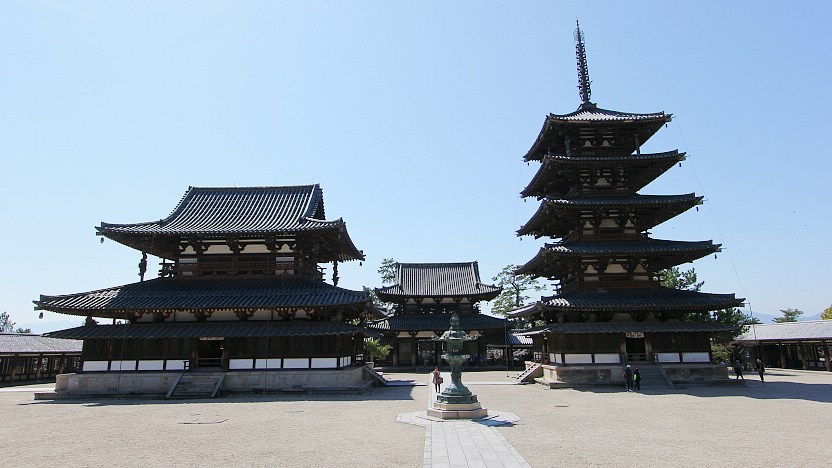
Horyu-ji Temple is renowned for its exceptional architecture, with structures that have stood the test of time for over 1,300 years. The temple complex is divided into two main areas: the Sai-in (Western Precinct) and the To-in (Eastern Precinct). The most iconic structure is the five-story pagoda in the Sai-in area, which is considered one of the oldest surviving wooden buildings in the world. The pagoda’s elegant design and intricate wooden joinery showcase the craftsmanship and architectural genius of ancient Japan.

The Kondo, or Golden Hall, is another significant structure within the temple complex. It houses several important Buddhist statues and relics, including the famous Shaka Triad, a masterpiece of early Japanese Buddhist art. The Kondo’s interior is adorned with murals that depict scenes from Buddhist scriptures, offering a glimpse into the spiritual and artistic heritage of the Asuka period.

Cultural and Spiritual Significance

Horyu-ji Temple is not only an architectural wonder but also a symbol of Japan’s deep-rooted Buddhist traditions. It was designated as a UNESCO World Heritage Site in 1993, recognizing its outstanding universal value and contribution to world heritage. The temple continues to be a place of pilgrimage and spiritual reflection, attracting visitors from around the world who come to admire its historical and artistic treasures.

The temple complex is also home to a wealth of cultural artifacts, including ancient manuscripts, sculptures, and paintings. These artifacts provide valuable insights into the religious and cultural practices of early Japan, making Horyu-ji an essential destination for historians and art enthusiasts alike.

Visiting Horyu-ji Temple

Visitors to Horyu-ji Temple can explore its serene grounds and marvel at its ancient architecture. The temple is easily accessible from Nara city and offers a peaceful retreat from the hustle and bustle of modern life. As you wander through the temple precincts, take a moment to appreciate the harmony between nature and architecture that defines this historic site.

Conclusion

Horyu-ji Temple is a timeless jewel of Japan’s Buddhist heritage, offering a unique window into the country’s ancient past. Its enduring structures and cultural treasures stand as a testament to the spiritual and artistic achievements of early Japan. Whether you are a history buff, an architecture enthusiast, or a spiritual seeker, a visit to Horyu-ji Temple promises a profound and enriching experience.
The Island Chain: Saint Vincent and the Grenadines

mchec.org – Nestled in the southeastern Caribbean Sea, Saint Vincent and the Grenadines is a captivating island nation that boasts a rich tapestry of natural beauty, cultural heritage, and historical significance. This archipelago, comprising the main island of Saint Vincent and the northern Grenadine islands, offers a unique blend of lush rainforests, stunning beaches, and vibrant communities that make it a fascinating destination for travelers and adventurers alike.

Geographical Overview

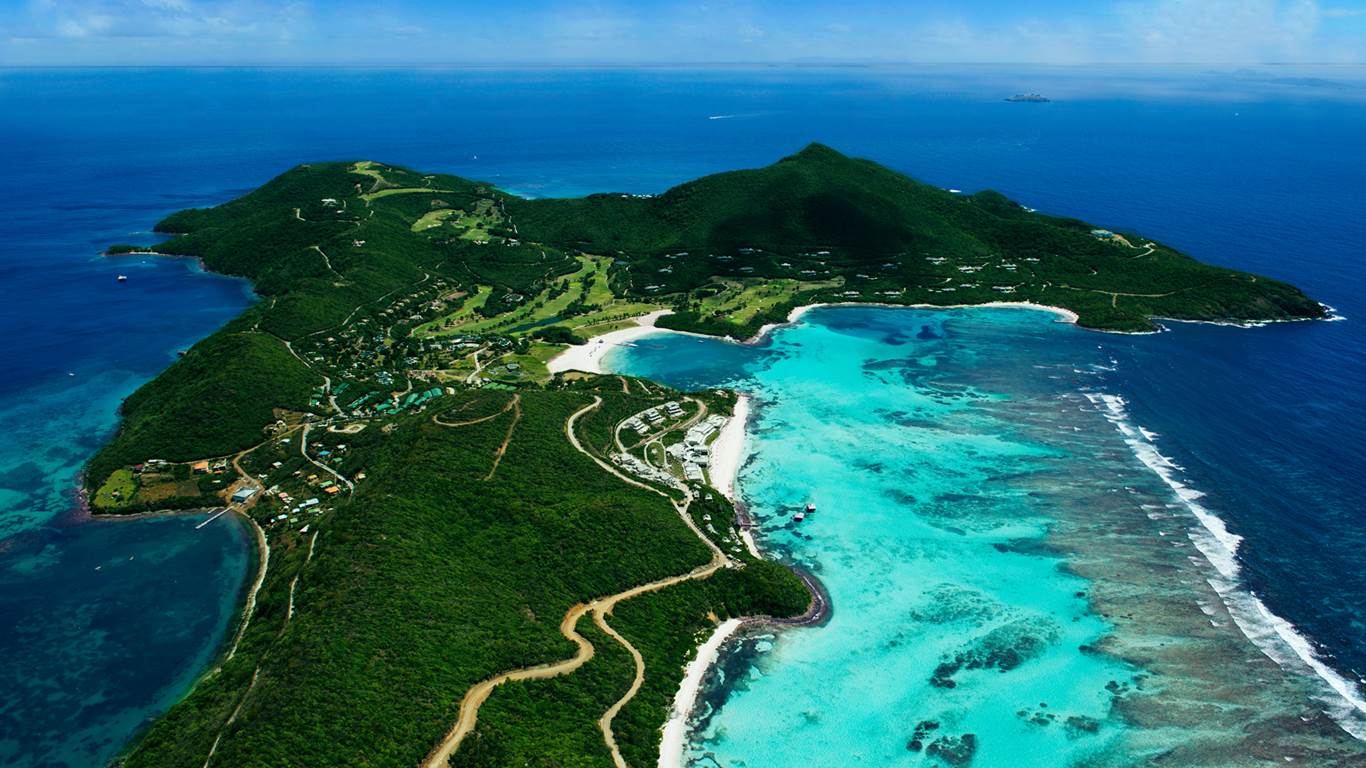
Saint Vincent and the Grenadines span an area of approximately 150 square miles (389 square kilometers), with the main island of Saint Vincent accounting for about two-thirds of the total land area. The nation is located between the Caribbean Sea and the Atlantic Ocean, north of Grenada and south of Saint Lucia. The Grenadine islands, a chain of smaller islands and cays, add to the nation’s allure with their picturesque landscapes and tranquil waters.

Cultural Heritage

The cultural heritage of Saint Vincent and the Grenadines is a vibrant mosaic influenced by indigenous peoples, European colonizers, and African slaves. This rich history is reflected in the nation’s music, dance, cuisine, and festivals, such as the Vincy Mas Carnival, which is celebrated with parades, calypso music, and colorful costumes. The island’s cuisine is also a testament to its diverse cultural influences, featuring a blend of Caribbean, African, and European flavors.

Environmental Treasures

Saint Vincent and the Grenadines are home to a wealth of environmental treasures, including the lush rainforests of Saint Vincent, which are home to a variety of flora and fauna. The island’s volcanic origin is evident in the presence of La Soufrière, an active volcano that last erupted in 2021. The Grenadine islands, with their white-sand beaches and coral reefs, offer some of the most beautiful snorkeling and diving sites in the Caribbean.

Economic Landscape

The economy of Saint Vincent and the Grenadines is primarily based on agriculture, tourism, and financial services. Bananas, arrowroot, and coconuts are among the key agricultural exports, while tourism continues to grow as a significant source of revenue. The nation’s strategic location and favorable regulatory environment have also made it an attractive destination for offshore financial services.

Challenges and Opportunities

Like many small island developing states, Saint Vincent and the Grenadines face numerous challenges, including vulnerability to natural disasters, climate change, and economic fluctuations. However, the nation’s commitment to sustainable development and its efforts to diversify its economy offer promising opportunities for the future. The growth of eco-tourism, for example, has the potential to provide economic benefits while preserving the natural and cultural heritage of the islands.

Conclusion

Saint Vincent and the Grenadines are a testament to the beauty and resilience of island nations. With their rich cultural heritage, stunning natural landscapes, and vibrant communities, these islands offer a unique and welcoming experience for visitors and residents alike. As the nation continues to navigate the challenges of the 21st century, its commitment to sustainable development and cultural preservation ensures that it will remain a beacon of hope and resilience in the Caribbean.

Hong Kong’s Cultural Heritage: Preserving Tradition

mchec.org – Hong Kong, a bustling metropolis known for its skyscrapers, vibrant nightlife, and cutting-edge technology, is also a city rich in cultural heritage. Despite its rapid modernization, Hong Kong has managed to preserve its traditional roots, creating a unique blend of old and new. This preservation is not just a testament to the city’s history but also a vital aspect of its identity.

Traditional Festivals and Rituals

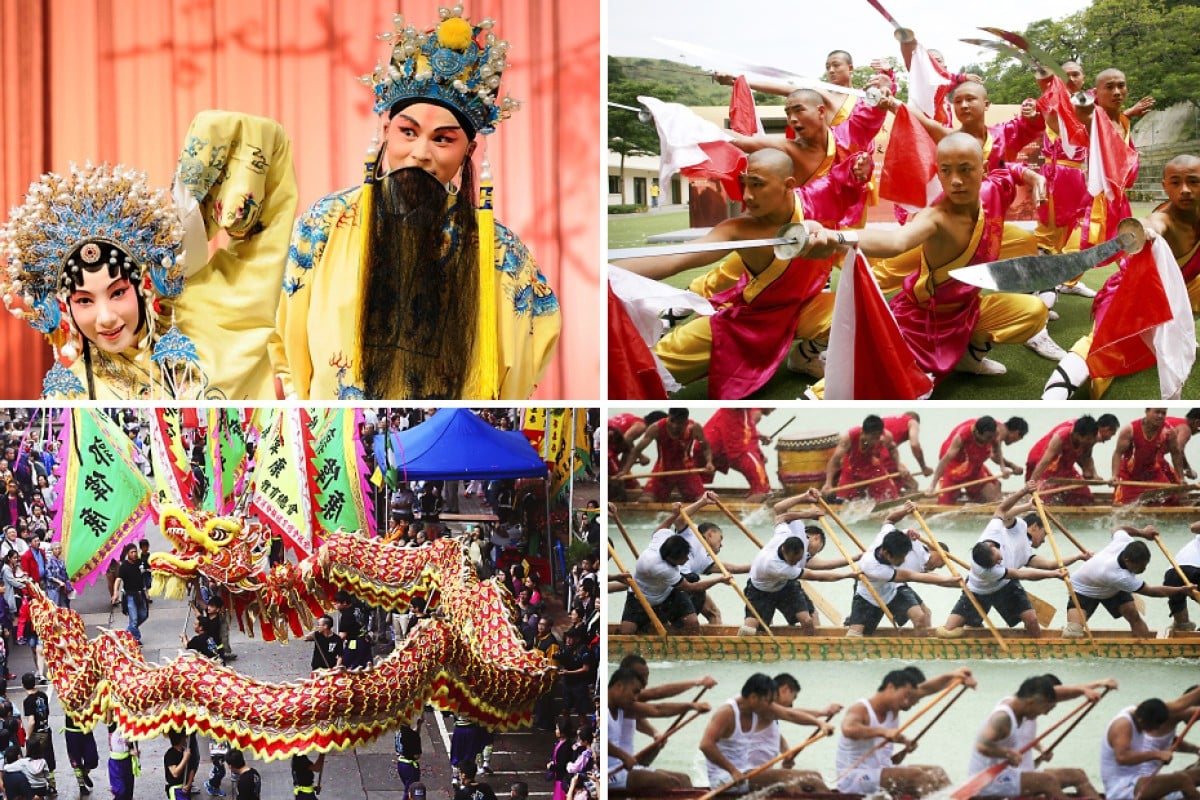
One of the ways Hong Kong maintains its cultural heritage is through the celebration of traditional festivals and rituals. Events such as the Chinese New Year, the Mid-Autumn Festival, and the Dragon Boat Festival are celebrated with enthusiasm, bringing the community together. These festivals are not only a time for family gatherings but also an opportunity for the younger generation to learn about their cultural heritage.

Historic Architecture and Landmarks

Hong Kong’s cultural heritage is also preserved through its historic architecture and landmarks. Buildings such as the Man Mo Temple, a traditional Chinese temple dedicated to the gods of literature and war, and the Star Ferry Pier, a symbol of the city’s maritime history, are protected and maintained. These sites offer a glimpse into the life of Hong Kong before it became the modern city it is today.

Intangible Cultural Heritage

Beyond physical structures, Hong Kong’s cultural heritage includes intangible aspects such as traditional crafts, music, and performing arts. The city is home to various forms of Chinese opera, including Cantonese opera, which has been performed for centuries. Efforts are made to teach these traditions to the younger generation to ensure their survival.

Challenges and Conservation Efforts

Preserving cultural heritage in a rapidly developing city like Hong Kong comes with its challenges. Urban development often threatens historic sites, and the fast pace of modern life can overshadow traditional practices. However, the government and various organizations have implemented conservation efforts to protect and promote Hong Kong’s cultural heritage. These include the establishment of museums, cultural centers, and the creation of laws to safeguard historic buildings.

Conclusion

Hong Kong’s ability to preserve its cultural heritage in the face of modernization is a remarkable achievement. It serves as a reminder that tradition and progress can coexist. By celebrating its past, Hong Kong enriches its present and ensures a vibrant future for its cultural heritage. As the city continues to evolve, it is crucial that these efforts are sustained, allowing future generations to appreciate and participate in the rich tapestry of Hong Kong’s cultural heritage.