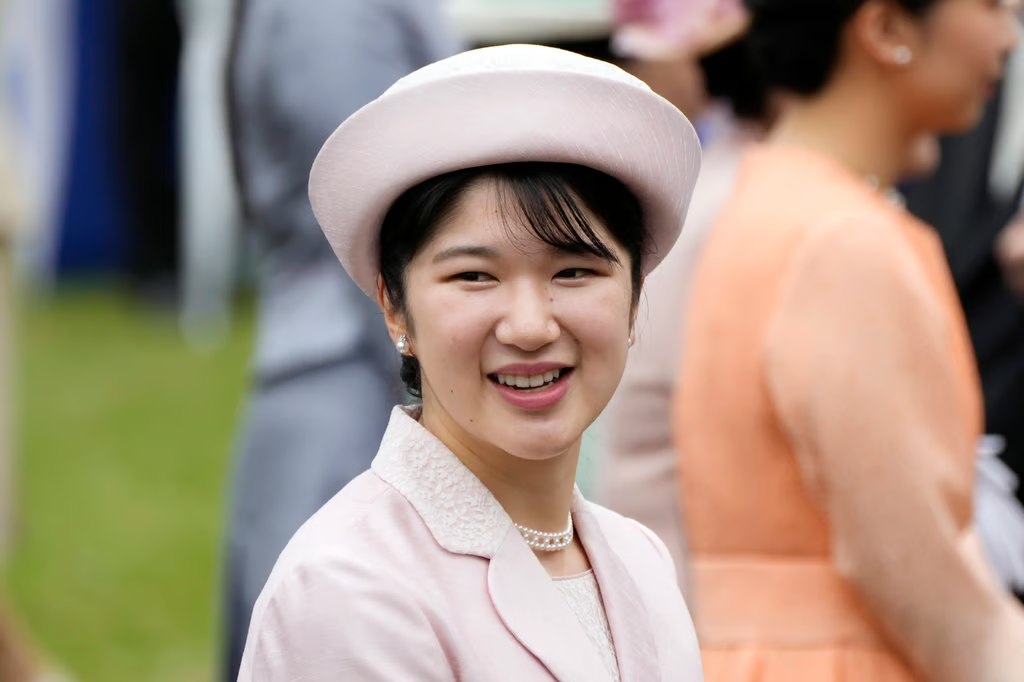
mchec.org – Princess Aiko, born on December 1, 2001, is the only child of Emperor Naruhito and Empress Masako of Japan. As the daughter of the 126th Emperor of Japan, Princess Aiko holds a unique and prominent position within the Japanese imperial family. Her birth marked both a personal milestone for her parents and a national moment of significance, as the Japanese monarchy has traditionally been passed through male heirs, sparking important discussions about the future of Japan’s imperial succession laws.
Despite the challenges of her early life, Princess Aiko has grown into a poised and intelligent young woman. Her journey to adulthood has been closely observed by both the Japanese public and the international community, particularly given her prominent place in the monarchy’s lineage and the shifting conversations about gender equality within the imperial family.
Early Life and Education
Princess Aiko was born to Emperor Naruhito and Empress Masako at the Imperial Household’s Akasaka Palace in Tokyo. As the only child of the couple, she was welcomed with great joy and celebration, but also with intense public scrutiny due to the ongoing discussions surrounding the possibility of female succession to the throne.
Growing up in the public eye, Princess Aiko’s life was marked by both the privileges and pressures of her position. Her early years were spent under the close care and attention of her parents, who have emphasized a nurturing and well-rounded upbringing. Empress Masako, in particular, has played an important role in guiding her daughter, and their relationship has been one of mutual support, particularly after the Empress’s own struggles with health and public scrutiny.
Princess Aiko’s education has been a significant aspect of her development. Like other members of the imperial family, she was initially educated within the confines of the Imperial Household, but later, she attended the prestigious Gakushuin School in Tokyo. At Gakushuin, Princess Aiko was able to experience a more typical education, alongside other students of her age, while still being carefully guided by the imperial family’s advisers.
Princess Aiko’s academic interests are varied, and she has shown a particular aptitude for foreign languages. Fluent in both Japanese and English, she has also learned French and is known to be interested in history and the arts. Her education reflects her parents’ belief in providing her with a well-rounded perspective, and she has demonstrated a mature approach to her studies and public responsibilities.
Royal Duties and Public Appearances
As the only daughter of the Emperor and Empress, Princess Aiko has begun to take on ceremonial and public duties within the royal family. Though she is not yet old enough to assume a significant role in the imperial family’s official functions, she has accompanied her parents on several occasions and is seen as part of the younger generation of the royal family who will help carry Japan’s traditions into the future.
Princess Aiko’s appearances are often marked by the dignified composure she displays in public settings. She is frequently seen attending royal events such as New Year’s greetings, official ceremonies, and family gatherings. In addition, she has participated in state functions both in Japan and abroad, representing the imperial family alongside her parents. Despite her relatively young age, her poised demeanor and articulate nature have made her a respected figure among the Japanese people.
One of the most significant events that Princess Aiko has attended was the enthronement ceremony of her father, Emperor Naruhito, in 2019. The ceremony, marking the beginning of the Reiwa era, was a momentous occasion, and Princess Aiko’s presence underscored her role in the future of the monarchy. As the only child of the Emperor and Empress, her participation in such events is seen as a vital representation of the next generation of the imperial family.
The Debate on Succession and Gender Equality
Princess Aiko’s position within the Japanese imperial family has sparked ongoing discussions about gender and succession. According to Japan’s current imperial law, the throne can only pass through male heirs. This policy has been the subject of much debate in recent years, particularly after Princess Aiko’s birth, as she is the only child of Emperor Naruhito and Empress Masako.
Given that there are no other male heirs within the immediate imperial family, discussions about whether the law should be changed to allow female succession have gained momentum. Some argue that Japan’s monarchy must adapt to modern societal values, including gender equality, while others hold firmly to traditional views about the imperial family’s male-only succession line. Princess Aiko’s situation has brought this issue into sharp focus, with many citizens and politicians calling for reform, while others remain resistant to change.
Princess Aiko has remained relatively quiet on the issue of succession, understanding the sensitivity of the matter, but her position as the only child of the Emperor has made her the symbol of an ongoing national debate. Her future in the monarchy, regardless of the legal changes, will likely continue to be a key factor in how Japan grapples with the evolution of its imperial institution.
Personal Life and Interests
Outside of her royal duties, Princess Aiko enjoys a range of personal hobbies and activities. Like many young people, she enjoys art, music, and spending time with her family. Her interest in languages and her academic pursuits reflect a broader desire for personal development, and her parents have encouraged her to pursue her passions and education.
In interviews and public appearances, Princess Aiko is often described as intelligent, thoughtful, and compassionate. She is known to have a close relationship with her mother, Empress Masako, who has been a steady and influential presence in her life. The Empress’s role as both a mother and a public figure has been a significant influence on Princess Aiko, and their shared experiences have shaped the Princess’s outlook on her future responsibilities.
The Future of Princess Aiko and the Imperial Family
As Princess Aiko matures, her role within Japan’s imperial family will continue to evolve. Whether or not the Japanese imperial succession laws are reformed, her presence will be integral to the future of the monarchy. Her potential future as a representative of the imperial family, especially as Japan navigates the complexities of modernity, is a subject of great interest.
Though Princess Aiko is still in the early stages of her adult life, the young princess has already shown signs of becoming a key figure in Japan’s royal history. Her journey to adulthood, and her potential involvement in the future of the Japanese imperial family, is a compelling narrative that will undoubtedly continue to unfold.
In the coming years, as Princess Aiko continues her studies and begins to take on more public duties, the Japanese people will undoubtedly look to her as both a symbol of continuity and an embodiment of the changing nature of Japan’s royal institution. Whatever path the imperial family takes, Princess Aiko will be a central figure in shaping its future.