
Freya: The Goddess of Love and Beauty in Norse Mythology

mchec.org – In the rich tapestry of Norse mythology, Freya stands out as one of the most revered and complex deities. Known as the goddess of love, beauty, fertility, sex, war, gold, and seiðr (a form of sorcery), Freya embodies a multifaceted nature that is both alluring and formidable. Her stories and attributes offer a glimpse into the values and beliefs of the ancient Norse people, highlighting the importance of love, beauty, and the natural world.

The Origins and Family of Freya

Freya is a member of the Vanir, a group of gods associated with fertility and the natural world. She is the daughter of Njord, the god of the sea and wind, and her brother is Freyr, the god of prosperity and fair weather. Freya is married to Od, who is often absent, leading to her being associated with the loss of love and the sorrow that accompanies it. Despite her marital status, Freya is known for her many lovers, both divine and mortal, reflecting her role as the goddess of love and sexuality.

Freya’s Attributes and Symbols

Freya is often depicted as a beautiful woman, adorned with jewelry, particularly a necklace called Brisingamen, which is one of her most prized possessions. She is associated with cats, which pull her chariot, and is sometimes depicted riding a boar named Hildisvíni. Freya’s tears are said to turn into gold, and her laughter into precious stones, further emphasizing her connection to wealth and beauty.

The Role of Freya in Norse Mythology

Freya plays a significant role in various myths and legends. One of the most famous stories involves her quest to obtain the necklace Brisingamen, which she wins through her beauty and charm. Another notable tale is her rivalry with the goddess Frigg, Odin’s wife, over the possession of a falcon cloak, which allows the wearer to transform into a falcon. This rivalry highlights the complex relationships between the gods and goddesses of Norse mythology.

Freya is also a valkyrie, a group of female figures who choose those who may die in battle and those who may live. She is said to take half of those who die in battle to her hall, Fólkvangr, while the other half goes to Odin’s hall, Valhalla. This role underscores her connection to war and death, aspects that are less commonly associated with a goddess of love and beauty.

The Legacy of Freya

Freya’s influence extends beyond Norse mythology, inspiring modern interpretations and celebrations of her attributes. In contemporary culture, Freya is seen as a symbol of empowerment, independence, and the celebration of one’s sexuality and beauty. Her story encourages a deeper understanding of the complexities of love, loss, and the pursuit of one’s desires.

In conclusion, Freya, the goddess of love and beauty, embodies the multifaceted nature of human experience. Her myths and attributes offer valuable insights into the ancient Norse worldview, highlighting the interconnectedness of love, war, and the natural world. As we continue to explore the rich legacy of Norse mythology, Freya remains a captivating figure, reminding us of the enduring power of love, beauty, and the strength of the feminine divine.
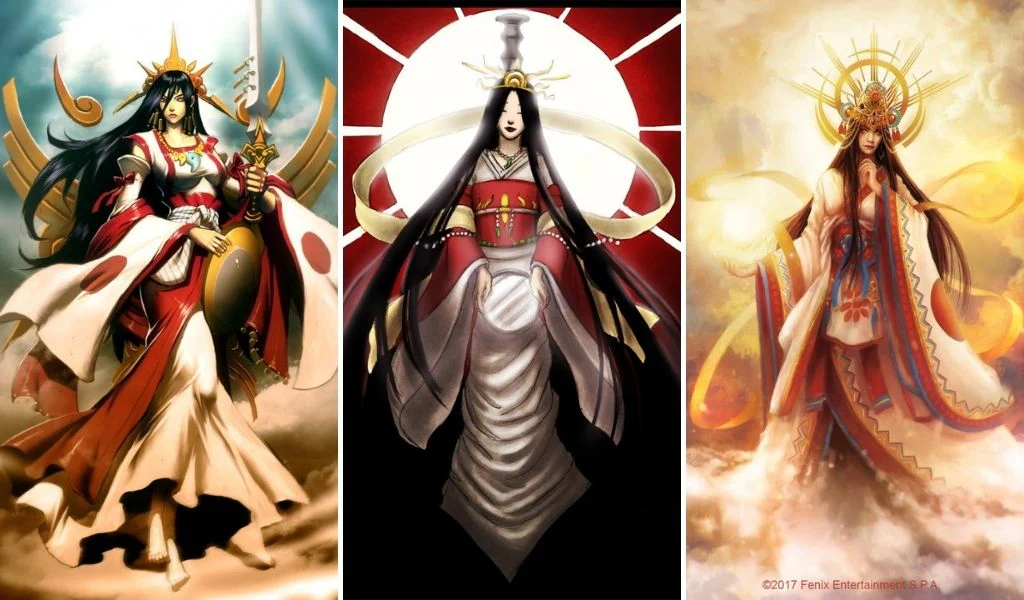
Amaterasu: The Sun Goddess of Shinto Mythology

mchec.org – In the rich tapestry of Shinto mythology, Amaterasu stands as one of the most revered and powerful deities, embodying the essence of the sun itself. Her name, which translates to “the shining heaven,” encapsulates her divine role as the sun goddess, bringing light, warmth, and life to the world. Amaterasu’s significance extends beyond her celestial attributes, as she is also considered the ancestor of the Japanese imperial family, making her a central figure in both spiritual and historical narratives.

The Origins of Amaterasu

According to Shinto mythology, Amaterasu was born from the left eye of Izanagi, one of the primordial deities responsible for creating the Japanese islands. This divine birth highlights her celestial origins and her role as the ruler of the heavens. Her birth is part of a triad that includes her siblings, Tsukuyomi, the moon god, and Susanoo, the storm god. Together, they represent the fundamental forces of nature, with Amaterasu symbolizing the sun’s life-giving energy.

Amaterasu’s Role in Shinto Mythology

Amaterasu’s influence in Shinto mythology is profound and multifaceted. She is not only the goddess of the sun but also represents truth, clarity, and moral integrity. Her presence in the myths often serves as a guiding light, both literally and metaphorically, leading other deities and humans alike toward enlightenment and righteousness.

One of the most famous myths involving Amaterasu is her retreat into a cave, plunging the world into darkness. This event was prompted by a dispute with her brother Susanoo, who, through his chaotic nature, disrupted the harmony of the heavens. The other deities, desperate to bring Amaterasu back and restore light to the world, devised a plan that included the use of a mirror, which reflected her own radiant image and enticed her out of the cave. This myth underscores the importance of balance and harmony in Shinto belief, as well as the central role Amaterasu plays in maintaining the world’s equilibrium.

Amaterasu and the Imperial Family

Beyond her mythological significance, Amaterasu is deeply intertwined with the history and identity of Japan. She is believed to be the ancestor of the Japanese imperial family, a lineage that traces its roots back to her grandson Ninigi, who descended from heaven to rule over Japan. This divine lineage imbues the imperial family with a sacred status and serves as a foundation for the nation’s cultural and spiritual heritage.

Worship and Symbolism

Amaterasu is worshipped in numerous Shinto shrines across Japan, with the Ise Grand Shrine being the most prominent. This shrine, dedicated to her worship, is considered one of the holiest sites in Shintoism. Amaterasu’s symbols include the sun, mirrors (which are believed to reflect her divine light), and the sacred jewels and sword, which are part of the Imperial Regalia of Japan. These symbols are not only revered in religious contexts but also play a significant role in the national identity and symbolism of Japan.

Conclusion

Amaterasu, the sun goddess of Shinto mythology, embodies the essence of light, life, and divine authority. Her myths and legends have shaped the spiritual and cultural landscape of Japan, making her an enduring symbol of the nation’s rich heritage. Through her celestial presence, Amaterasu continues to illuminate the path of enlightenment and harmony, reminding us of the enduring power of the divine light within us all.