
A Cinematic Journey into “Vizontele”

mchec.org – “Vizontele” is a celebrated Turkish film that captures the essence of rural life in Turkey during the 1970s. Directed by Yılmaz Erdoğan and Ömer Faruk Sorak, the film blends comedy and drama to tell a poignant story about the arrival of a new technology in a small Anatolian village. In this article, we will explore the film’s narrative, its cultural impact, and the themes that make it a timeless classic.

The Story of “Vizontele”

Set in the early 1970s, “Vizontele” revolves around the introduction of television to a remote Turkish village. The film’s title is a humorous take on how the villagers mispronounce “vision tele,” reflecting the novelty and mystery of television. The arrival of this new technology creates a stir in the village, sparking curiosity, excitement, and a bit of chaos.

The story centers on the village’s quirky inhabitants, including the mayor, Nazmi, who is determined to bring television to the village, and the eccentric Deli Emin, whose mechanical skills are put to the test as he attempts to make the television work. Through their eyes, we witness the village’s transformation and the varied reactions of its residents.

Themes of Change and Tradition

At its core, “Vizontele” explores the tension between tradition and modernity. The film depicts how the introduction of television—a symbol of progress and change—affects the villagers’ way of life. While some embrace the new technology with enthusiasm, others are skeptical, fearing the erosion of traditional values and customs.

This theme is further highlighted through the characters’ interactions and personal stories, illustrating the broader societal changes taking place in Turkey during this period. The film captures the bittersweet nature of progress, acknowledging both its potential benefits and the disruption it can cause.

Cultural Impact

“Vizontele” holds a special place in Turkish cinema for its authentic portrayal of rural life and its insightful commentary on societal change. The film resonated with audiences for its humor, heartfelt storytelling, and relatable characters, becoming a box-office success and a beloved classic.

The film’s cultural impact extends beyond its humor and entertainment value. It offers a window into the lives of ordinary people, reflecting the hopes, fears, and dreams of a community on the brink of change. Its universal themes of adaptation and resilience continue to resonate with audiences both in Turkey and internationally.

The Charm of “Vizontele”

One of the film’s enduring charms is its rich tapestry of characters, each with their own quirks and personalities. From the earnest mayor to the lovable Deli Emin, the characters bring warmth and humor to the story, making the village feel like a place the audience knows and loves.

The film’s use of humor is both lighthearted and insightful, offering a gentle critique of societal norms and the challenges of modernization. This balance of comedy and drama allows “Vizontele” to explore complex themes while remaining accessible and entertaining.

Conclusion

“Vizontele” is a cinematic gem that captures the spirit of a bygone era with humor, heart, and insight. Its portrayal of change in a small village serves as a microcosm of broader societal shifts, offering timeless lessons about adaptation, community, and the enduring power of human connection. As viewers, we are invited to reflect on our own experiences with change and progress, making “Vizontele” a film that continues to resonate across generations.
Hong Kong’s Cultural Heritage: Preserving Tradition

mchec.org – Hong Kong, a bustling metropolis known for its skyscrapers, vibrant nightlife, and cutting-edge technology, is also a city rich in cultural heritage. Despite its rapid modernization, Hong Kong has managed to preserve its traditional roots, creating a unique blend of old and new. This preservation is not just a testament to the city’s history but also a vital aspect of its identity.

Traditional Festivals and Rituals

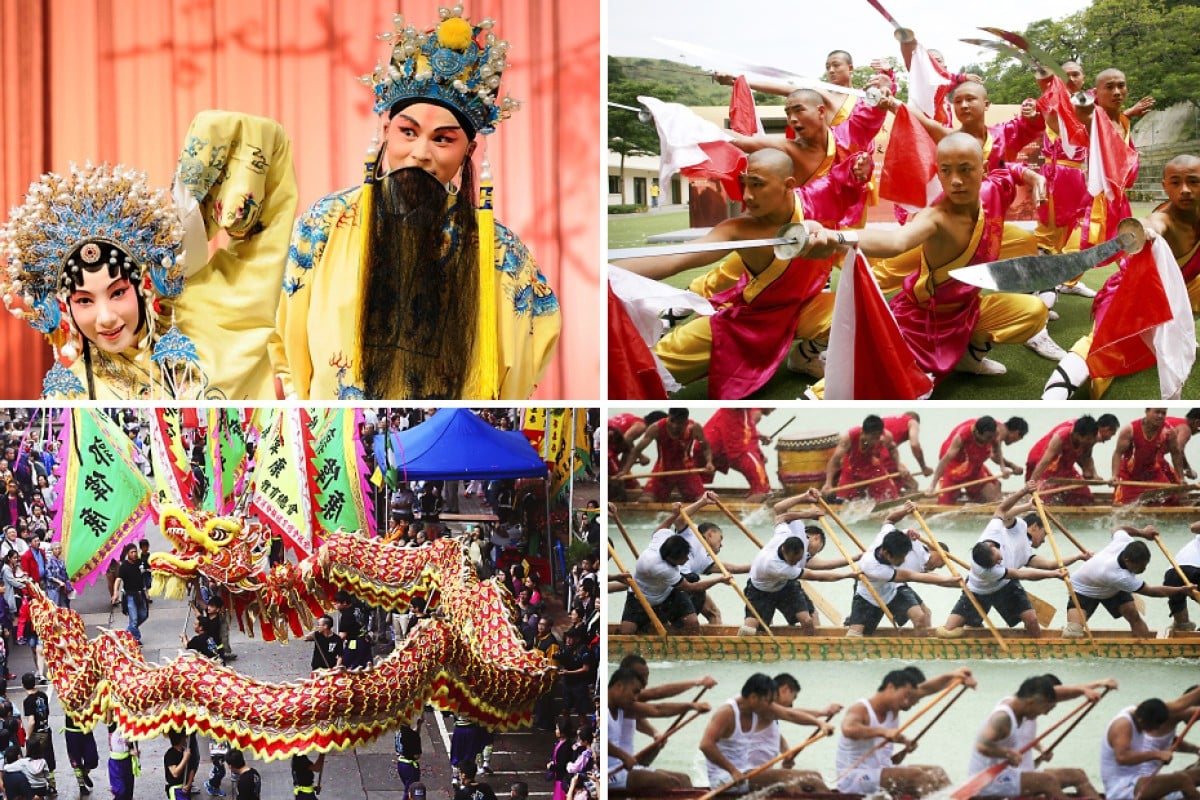
One of the ways Hong Kong maintains its cultural heritage is through the celebration of traditional festivals and rituals. Events such as the Chinese New Year, the Mid-Autumn Festival, and the Dragon Boat Festival are celebrated with enthusiasm, bringing the community together. These festivals are not only a time for family gatherings but also an opportunity for the younger generation to learn about their cultural heritage.

Historic Architecture and Landmarks

Hong Kong’s cultural heritage is also preserved through its historic architecture and landmarks. Buildings such as the Man Mo Temple, a traditional Chinese temple dedicated to the gods of literature and war, and the Star Ferry Pier, a symbol of the city’s maritime history, are protected and maintained. These sites offer a glimpse into the life of Hong Kong before it became the modern city it is today.

Intangible Cultural Heritage

Beyond physical structures, Hong Kong’s cultural heritage includes intangible aspects such as traditional crafts, music, and performing arts. The city is home to various forms of Chinese opera, including Cantonese opera, which has been performed for centuries. Efforts are made to teach these traditions to the younger generation to ensure their survival.

Challenges and Conservation Efforts

Preserving cultural heritage in a rapidly developing city like Hong Kong comes with its challenges. Urban development often threatens historic sites, and the fast pace of modern life can overshadow traditional practices. However, the government and various organizations have implemented conservation efforts to protect and promote Hong Kong’s cultural heritage. These include the establishment of museums, cultural centers, and the creation of laws to safeguard historic buildings.

Conclusion

Hong Kong’s ability to preserve its cultural heritage in the face of modernization is a remarkable achievement. It serves as a reminder that tradition and progress can coexist. By celebrating its past, Hong Kong enriches its present and ensures a vibrant future for its cultural heritage. As the city continues to evolve, it is crucial that these efforts are sustained, allowing future generations to appreciate and participate in the rich tapestry of Hong Kong’s cultural heritage.

Islamic Education and Scholarship: The Educational Systems

mchec.org – Islamic education and scholarship have been integral to the development and preservation of Islamic civilization. From the early days of Islam to the present, the pursuit of knowledge has been a core value, deeply rooted in the teachings of the Quran and the Hadith (sayings and actions of Prophet Muhammad, peace be upon him). This article provides an overview of the educational systems and scholarly traditions that have flourished within the Islamic world.

The Early Period: The Formation of Islamic Scholarship

The foundation of Islamic education was laid in the early Islamic period, with the revelation of the Quran and the teachings of Prophet Muhammad. The companions of the Prophet (Sahabah) played a crucial role in preserving and disseminating this knowledge. As Islam spread, the need for formal education systems became apparent, leading to the establishment of schools and centers of learning.

The Rise of Madrasas: Institutions of Higher Learning

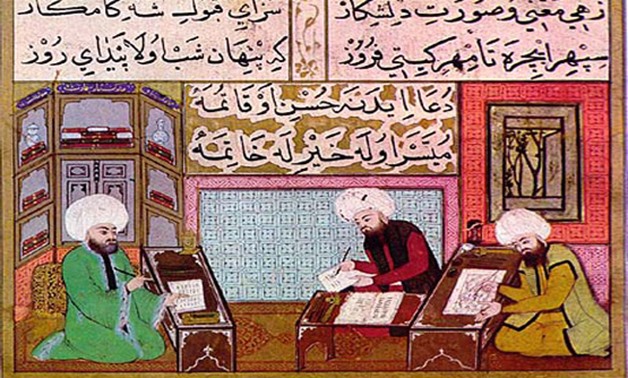
The madrasa system emerged as a pivotal institution in Islamic education. Originating in the 11th century, madrasas were centers of higher learning that focused on Islamic law (Sharia), theology, Arabic grammar, logic, and other subjects. These institutions were often attached to mosques and were funded by endowments (waqf). The curriculum was structured, and students were awarded certificates (ijazah) upon completion of their studies.

The Golden Age of Islamic Scholarship

The Islamic Golden Age, spanning from the 8th to the 14th century, was a period of remarkable scholarly activity. The Abbasid caliphs, particularly Harun al-Rashid and Al-Ma’mun, were patrons of learning, leading to the establishment of the House of Wisdom (Bayt al-Hikma) in Baghdad. This was a library and a translation center where scholars from various cultures translated works from Greek, Persian, and Indian into Arabic.

During this era, scholars like Al-Khwarizmi, Al-Razi, Ibn Sina (Avicenna), and Al-Farabi made significant contributions to mathematics, medicine, philosophy, and other fields. The works of these scholars were later translated into Latin and had a profound impact on the development of European science and philosophy.

The Spread of Knowledge: Libraries and Books

Libraries were central to the Islamic scholarly tradition. They housed thousands of manuscripts, covering a wide range of subjects. The library of Al-Hakam II in Cordoba, for example, contained over 400,000 volumes. The production and trade of books were also significant, with centers like Baghdad, Cairo, and Cordoba becoming hubs for the copying and selling of manuscripts.

The Role of Sufism in Islamic Education

Sufism, the mystical dimension of Islam, played a crucial role in Islamic education. Sufi masters (sheikhs) imparted spiritual knowledge to their disciples (murids) through teachings, poetry, and music. Sufi orders (tariqas) established lodges (zawiyas or khanaqahs) where seekers could learn and practice Sufism. These institutions also provided social services, such as education and healthcare, to the community.

The Impact of Colonialism and Modernization

The advent of colonialism and the modernization efforts of various Muslim states in the 19th and 20th centuries had a profound impact on Islamic education. Many traditional institutions were either dismantled or reformed to fit the needs of the modern state. Despite these changes, Islamic scholarship continued to evolve, with scholars engaging with modern sciences and technologies while preserving traditional knowledge.

Conclusion

Islamic education and scholarship have a rich history that spans over 1400 years. From the early days of Islam to the present, the pursuit of knowledge has been a hallmark of Islamic civilization. The establishment of madrasas, the contributions of scholars during the Golden Age, and the role of Sufism are just a few examples of the diverse and dynamic nature of Islamic education and scholarship. Today, as the world becomes increasingly interconnected, the values and traditions of Islamic education continue to offer valuable insights and guidance for the global community.

Legacy Continues: Celebrity Siblings Carrying on Family Traditions

mchec.org – In the ever-evolving landscape of entertainment, sports, and business, the torch of legacy is often passed down through generations. It’s not uncommon to see celebrity siblings stepping into the limelight, not just to bask in the glow of their family name but to carry on the traditions and values that have been the cornerstone of their family’s success. These siblings are not just heirs to a name but ambassadors of a legacy that continues to inspire and influence the world.

The Power of Sibling Synergy

Siblings who share the same upbringing and values often find a unique synergy in their collaborative efforts. Whether it’s in music, acting, sports, or entrepreneurship, this synergy can lead to innovative projects and ventures that not only honor their family’s legacy but also push the boundaries of their respective industries. The bond between these siblings, forged in the fires of family tradition, becomes a powerful force for creativity and success.

Music: Harmonizing the Family Legacy

In the music industry, the legacy of family traditions is alive and well. Siblings like the Jonas Brothers and the Carter family have not only followed in their family’s footsteps but have also carved out their own unique sounds, bringing a fresh perspective to the genres their families helped define. Their music is a testament to the enduring influence of family traditions in the arts.

Acting: The Family Stage

The world of acting is another arena where celebrity siblings have made their mark. Families like the Coppolas and the Fondas have produced generations of talented actors who have not only inherited their family’s passion for the craft but have also brought their own stories to the screen. These siblings continue to uphold the family legacy, proving that the art of storytelling is a tradition worth preserving.

Sports: The Competitive Spirit

In the realm of sports, the competitive spirit is often a family affair. Siblings like the Williams sisters in tennis and the Mannings in football have dominated their respective sports, carrying on the athletic prowess and competitive drive that have been the hallmark of their family’s legacy. Their achievements on the field and court are a testament to the enduring power of family traditions in sports.

Entrepreneurship: Innovating the Family Business

Beyond the arts and sports, celebrity siblings are also making waves in the world of business. By leveraging their family’s entrepreneurial spirit and innovative mindset, these siblings are transforming family businesses into modern enterprises. Whether it’s in fashion, technology, or entertainment, they are redefining what it means to carry on a family legacy in the 21st century.

Conclusion: The Enduring Legacy of Celebrity Siblings

The legacy of celebrity siblings is more than just a continuation of their family’s name; it’s a celebration of tradition, innovation, and the enduring power of family bonds. As these siblings carry on the traditions that have defined their families, they remind us that legacy is not just about the past but also about the future. Through their talents, achievements, and unwavering commitment to their family’s values, these siblings are ensuring that the legacy continues, inspiring future generations to honor their own family traditions in their unique ways.