
Exploring the Dynamic Spirit of Boston, Massachusetts

mchec.org – Boston, Massachusetts, is a city that blends its rich history with a forward-looking vision of innovation and progress. As one of the oldest cities in the United States, Boston has played a pivotal role in shaping the nation’s history, particularly in its role in the American Revolution. Today, it is a bustling metropolis known for its world-class universities, thriving economy, and vibrant cultural scene. In this article, we take a closer look at what makes Boston a must-visit destination and a great place to live.

A Hub of American History

Boston is steeped in history, and visitors can experience this through its many historic landmarks. The Freedom Trail, a 2.5-mile path that winds through the city, leads to 16 sites that were central to the American Revolution, including the Massachusetts State House, Paul Revere’s House, and the Old North Church. The Boston Tea Party Ships and Museum offers an interactive experience, immersing visitors in the events that led to one of the most pivotal moments in American history.

A Center for Education and Innovation

Boston is home to some of the most prestigious universities and colleges in the world, including Harvard University, the Massachusetts Institute of Technology (MIT), and Boston University. These institutions contribute to the city’s intellectual energy and culture, making it a hub for research, technology, and entrepreneurship. Boston’s Innovation District, located along the waterfront, has become a hotspot for startups and tech companies, further solidifying the city’s reputation as a leader in education and innovation.

A Cultural Powerhouse

Boston’s cultural scene is as rich and diverse as its history. The city is home to numerous theaters, museums, and concert halls. The Museum of Fine Arts is one of the largest and most comprehensive art museums in the country, housing a vast collection from ancient to contemporary art. The Boston Symphony Orchestra, one of the “Big Five” American orchestras, provides world-class music performances, while theaters like the American Repertory Theater offer cutting-edge productions. The city’s vibrant neighborhoods, such as the North End and the South End, are also known for their culinary offerings and artistic communities.

Sports and Recreation: A City of Champions

Boston is synonymous with sports. The city is home to iconic teams such as the Boston Red Sox, whose home field, Fenway Park, is one of the oldest and most beloved ballparks in the country. The Boston Celtics (basketball) and the Boston Bruins (hockey) also enjoy passionate fan bases. Boston’s sports culture extends beyond the major leagues, with countless opportunities for recreation and community sports. The city’s many parks and green spaces, including the famous Boston Common, offer outdoor activities like walking, running, and paddle boating.

A Thriving Economy and Job Market

Boston’s economy is robust and diverse, with strengths in finance, healthcare, biotechnology, and education. The city’s thriving financial district, anchored by global institutions, attracts professionals from all over the world. The healthcare sector is led by renowned hospitals such as Massachusetts General Hospital, making the city a hub for medical research and treatment. In addition, the tech industry continues to grow, thanks to the city’s proximity to top universities and a culture of innovation.

A City with Character and Community

Boston’s neighborhoods are as unique as the city itself. From the historic charm of Beacon Hill with its gas lamps and brick sidewalks, to the trendy South End with its art galleries and upscale restaurants, each neighborhood has its own character. The city is also known for its community spirit, with residents who take pride in their local institutions, from beloved restaurants to community events like the Boston Marathon. Boston’s diverse population adds to its cultural vibrancy, making it a welcoming city for people from all walks of life.

Conclusion

Boston, Massachusetts, is a city that offers the perfect combination of history, culture, education, and modern innovation. Whether you’re walking along the Freedom Trail, exploring the city’s vibrant neighborhoods, or attending a world-class performance, Boston has something for everyone. With its thriving economy, rich educational landscape, and passionate sports culture, it’s easy to see why Boston remains one of the most dynamic and beloved cities in the United States.

Navarre: A Land of History and Natural Beauty

mchec.org – Navarre, a region in northern Spain, is a land of stunning landscapes, rich history, and vibrant culture. Its capital city, Pamplona, is famous worldwide for its annual Running of the Bulls festival.

Pamplona: A City of History and Tradition

Pamplona, the heart of Navarre, is a city with a rich history dating back to Roman times. It’s most famous for the Running of the Bulls, a thrilling event that takes place during the San Fermín festival in July.

  • Must-See Attractions:
    • Plaza del Castillo: The central square of Pamplona, surrounded by historic buildings and lively cafes.
    • Catedral de Santa María: A stunning Gothic cathedral with a beautiful cloister.
    • Ciudadela de Pamplona: A historic citadel that offers panoramic views of the city.
    • Museo de Navarra: A museum that houses a diverse collection of art and artifacts.

Navarre: A Natural Paradise

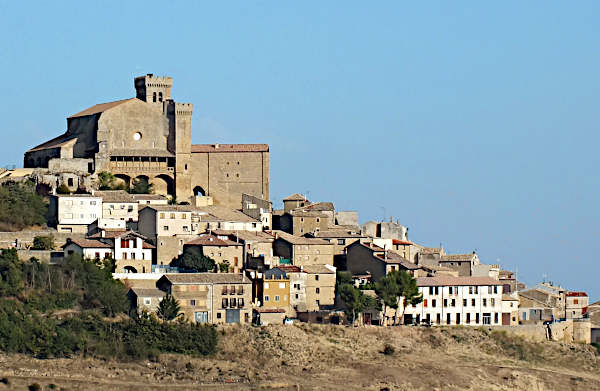
Navarre is a paradise for nature lovers, with its stunning mountains, lush valleys, and picturesque villages.

  • Must-See Natural Attractions:
    • Parque Nacional de Ordesa y Monte Perdido: A UNESCO World Heritage Site, offering breathtaking mountain scenery, deep valleys, and cascading waterfalls.
    • Valle del Roncal: A beautiful valley with traditional Basque villages and stunning landscapes.
    • Bardenas Reales: A unique desert landscape with eroded clay formations and dramatic canyons.

Navarre offers a diverse range of experiences, from exploring historic cities to hiking in the mountains. Its rich history, stunning landscapes, and vibrant culture make it a truly unforgettable destination.

Welsh Rarebit: A Cheesy Delight – A Brief History

mchec.org – Welsh rarebit is a classic British dish that is often enjoyed as a late-night snack or a light lunch. It consists of a creamy cheese sauce that is typically made with Cheddar cheese, mustard, Worcestershire sauce, and ale. This savory sauce is then poured over toasted bread and grilled until golden brown and bubbly.

A Brief History

The origins of Welsh rarebit are somewhat unclear, but it is believed to have emerged in the 18th century. The name “Welsh rarebit” is a bit of a misnomer, as the dish has no connection to Wales or rabbits. It’s thought that the name may be a corruption of “Welsh rabbit,” a humorous reference to the dish’s humble ingredients.

Key Ingredients and Preparation

The key ingredients for Welsh rarebit are:

  • Cheese: Cheddar cheese is the most common choice, but other strong, flavorful cheeses can also be used.
  • Ale or Beer: This adds depth of flavor to the sauce.
  • Mustard: Dijon mustard or English mustard is commonly used to add a tangy flavor.
  • Worcestershire Sauce: This adds a savory, umami flavor.
  • Bread: Thick slices of bread, such as sourdough or whole wheat, are ideal for Welsh rarebit.

To prepare Welsh rarebit, the cheese, ale, mustard, and Worcestershire sauce are melted together in a saucepan over low heat. The mixture is then poured over toasted bread and grilled until the cheese is bubbly and golden brown.

Modern Variations

While the classic Welsh rarebit recipe is beloved, there are many modern variations to suit different tastes and dietary preferences. Some popular variations include:

  • Truffle Welsh Rarebit: Adding truffle oil or grated truffle to the cheese sauce elevates this dish to a gourmet level.
  • Spicy Welsh Rarebit: Incorporating chili flakes or hot sauce adds a fiery kick.
  • Vegetarian Welsh Rarebit: Using a plant-based cheese alternative makes this dish suitable for vegetarians.

A Timeless Comfort Food

Welsh rarebit is a comforting and satisfying dish that can be enjoyed any time of day. It’s a perfect choice for a cozy night in or a lazy weekend brunch. Whether you prefer the classic version or a modern twist, Welsh rarebit is sure to please your taste buds.

Discovering Leiria: A City of History and Charm

mchec.org – Leiria is a picturesque city located in central Portugal, known for its rich history, cultural heritage, and scenic landscapes. Nestled between the mountains and the sea, Leiria offers a unique blend of historical landmarks, vibrant cultural life, and natural beauty, making it a captivating destination for visitors.

Historical Significance of Leiria

Medieval Origins

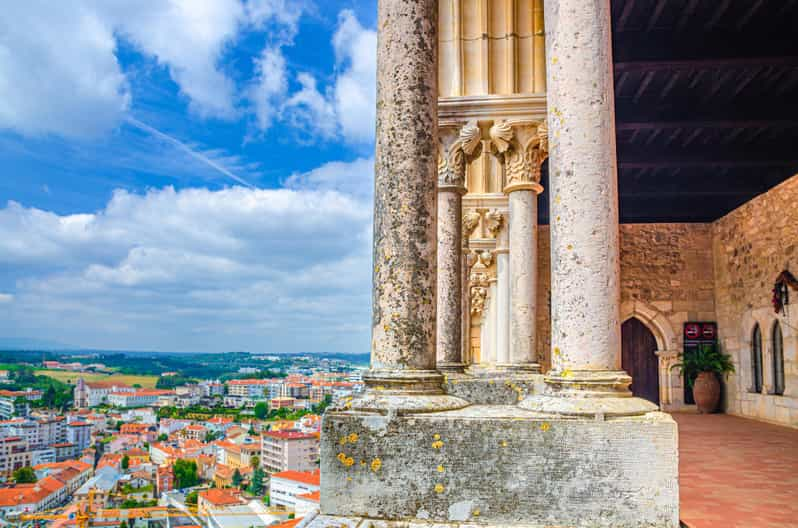
Leiria’s history dates back to the Roman era, but it truly flourished during the Middle Ages. The city’s strategic location made it an important defensive site, and its medieval castle, Castelo de Leiria, stands as a testament to its historical significance. Built in the 12th century, the castle played a vital role in the Reconquista and offers stunning views of the surrounding area.

Royal Connections

Throughout the centuries, Leiria has been closely associated with the Portuguese monarchy. King Afonso III and King Dinis both contributed to the city’s development, transforming it into a royal residence and a center of commerce and culture. This royal connection has left an indelible mark on the city’s identity.

Architectural and Cultural Landmarks

Leiria Castle

The iconic Leiria Castle is a must-visit for anyone exploring the city. Visitors can wander through its ancient walls, towers, and courtyards, enjoying the panoramic views of Leiria and the surrounding region. The castle also hosts various cultural events and exhibitions throughout the year.

Sé de Leiria

The Sé de Leiria, or Leiria Cathedral, is another architectural gem. Originally constructed in the 16th century, this beautiful cathedral combines Gothic and Renaissance styles and is an important religious and historical site.

Natural Beauty and Outdoor Activities

Pinhal de Leiria

Leiria is surrounded by the lush Pinhal de Leiria, a vast pine forest planted in the 13th century to prevent coastal erosion. This forest provides ample opportunities for hiking, cycling, and enjoying nature, making it a popular destination for outdoor enthusiasts.

Nearby Beaches

While Leiria itself is inland, it is just a short drive from the stunning beaches of the Atlantic Coast. Praia de São Pedro de Moel is a particularly popular spot, offering golden sands and excellent surfing conditions.

Culinary Delights and Local Traditions

Gastronomy

Leiria boasts a diverse culinary scene, with a range of traditional Portuguese dishes to savor. Local specialties include fresh seafood, hearty stews, and delicious pastries. Be sure to try “Brisas do Lis,” a sweet treat made from eggs and sugar, unique to the region.

Cultural Events

Leiria is home to numerous cultural events and festivals, celebrating everything from music and theater to traditional crafts. The annual Feira de Maio is a highlight, featuring local artisans, performances, and a lively atmosphere that showcases the city’s vibrant culture.

Conclusion

Leiria is a city that beautifully combines its rich historical heritage with modern vibrancy. Whether you’re exploring its medieval castle, enjoying its natural landscapes, or indulging in its culinary delights, Leiria offers a memorable experience for all who visit. As a gateway to both history and nature, Leiria invites travelers to discover the diverse charms of central Portugal.

The Republic of the Marshall Islands: A Brief History

mchec.org – The history of the Marshall Islands dates back to at least the second millennium B.C., when Austronesian settlers arrived on the islands. These early settlers were skilled navigators, and they developed a remarkable system of ocean navigation using stick charts, which allowed them to travel long distances across the Pacific Ocean.

The first European to visit the islands was Spanish explorer Alonso de Salazar in 1526, but it wasn’t until 1788 that the islands were named after British Captain John Marshall, who visited the islands during his explorations. This marked the beginning of European interest in the region.

Colonial Era

The Marshall Islands were claimed by Spain in 1874, but in 1885, they were sold to the German Empire. Under German control, the islands were organized into a protectorate and became part of German New Guinea. This period saw the establishment of trading stations and the introduction of new economic activities, such as copra production.

During World War I, Japan seized control of the Marshall Islands from Germany, and after the war, the League of Nations granted Japan a mandate over the islands. The Japanese administration continued to develop the islands’ economy and infrastructure.

World War II and U.S. Control

During World War II, the Marshall Islands became a significant battleground. The United States captured the islands from Japan in 1944 during the Gilbert and Marshall Islands campaign. After the war, the islands became part of the Trust Territory of the Pacific Islands, administered by the United States under a United Nations mandate.

Independence and Modern Era

The Marshall Islands began moving towards self-governance in the 1970s. In 1979, the islands adopted a constitution, establishing the Republic of the Marshall Islands. Full independence was achieved in 1986 under a Compact of Free Association with the United States, which provided financial aid and defense in exchange for certain strategic rights.

The Marshall Islands have faced significant challenges in the modern era, including the legacy of nuclear testing conducted by the United States in the 1940s and 1950s, which has had lasting health and environmental impacts. Today, the Republic of the Marshall Islands is an independent nation with a unique cultural heritage and a commitment to addressing the challenges posed by climate change and economic development.

Cyprus: Land of Contrasts and Ancient History Meets Modern Life

mchec.org – Cyprus, an island nation in the eastern Mediterranean, is a captivating destination that seamlessly blends the old with the new, the natural with the man-made, and the serene with the vibrant. This unique juxtaposition of contrasts creates a rich tapestry of experiences that make Cyprus a truly unique destination.

Ancient History Meets Modern Life

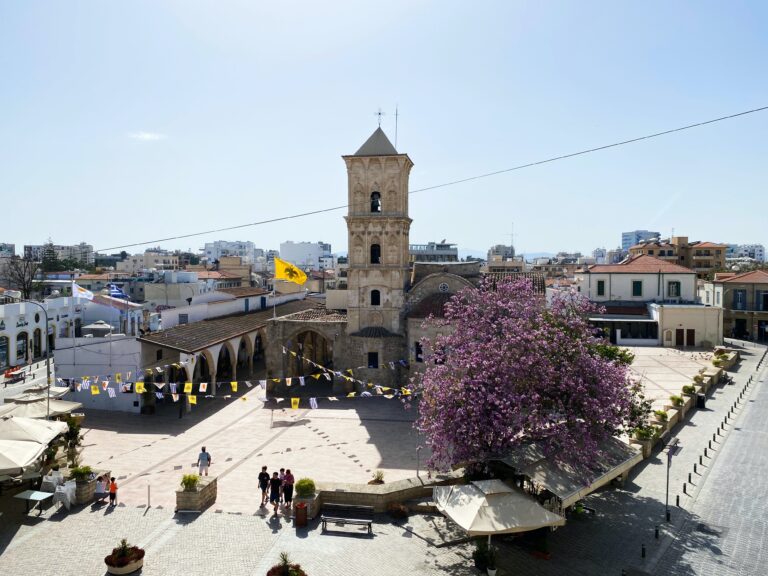
One of the most striking contrasts in Cyprus is the seamless integration of ancient history with modern life. The island is dotted with archaeological sites that date back thousands of years, such as the ancient city-kingdoms of Paphos, Kourion, and Salamis. Yet, these historical gems coexist harmoniously with the bustling cities of Nicosia, Limassol, and Larnaca, which are centers of commerce, culture, and contemporary living.

Paphos: A UNESCO World Heritage Site

Paphos, with its well-preserved ruins and stunning mosaics, offers a glimpse into the life of ancient Cyprus. Yet, just a stone’s throw away, visitors can enjoy the modern amenities and vibrant nightlife of the city, making Paphos a unique blend of the past and present.

Nicosia: The Divided Capital

Nicosia, the capital of Cyprus, is the last divided capital in the world, with the northern part of the city under the control of the Turkish Republic of Northern Cyprus and the southern part being the capital of the Republic of Cyprus. This division is a stark reminder of the island’s complex history and ongoing political situation. Despite this division, both parts of the city are vibrant and modern, with a mix of historical sites, museums, and modern shopping centers.

Natural Beauty and Urban Development

Cyprus is renowned for its natural beauty, with stunning beaches, rugged mountains, and lush valleys. However, this natural splendor is complemented by well-developed urban areas that offer a high standard of living and modern amenities.

The Troodos Mountains

The Troodos Mountains, with their pine forests, hiking trails, and traditional villages, offer a serene escape from the hustle and bustle of city life. Yet, these natural wonders are easily accessible from the island’s main cities, making it possible to experience both the tranquility of nature and the convenience of urban life in a single day.

Coastal Development

The Cypriot coastline is a prime example of how natural beauty and urban development can coexist. Towns like Ayia Napa and Protaras have developed into popular tourist destinations, with a plethora of resorts, restaurants, and nightlife options. However, these areas have managed to preserve their natural charm, with beautiful beaches and clear waters that remain unspoiled.

Cultural Traditions and International Influences

Cyprus’s culture is a rich blend of traditions that have been passed down through generations, alongside international influences that have shaped the island’s modern identity.

Traditional Customs and Festivals

The island’s cultural calendar is filled with traditional customs and festivals, such as the flower festival in spring and the cultural events that take place throughout the year. These celebrations are a testament to the enduring strength of Cypriot traditions and the importance of community and family.

Culinary Delights

Cypriot cuisine is another area where tradition meets innovation. Traditional dishes like meze, souvla, and halloumi cheese are enjoyed alongside international cuisine, reflecting the island’s diverse culinary influences. The fusion of flavors and cooking styles creates a unique gastronomic experience that is both authentic and cosmopolitan.

Conclusion

Cyprus is a land of contrasts, where ancient history and modern life, natural beauty and urban development, and cultural traditions and international influences coexist in perfect harmony. This unique blend creates a rich tapestry of experiences that make Cyprus a truly special destination. Whether you’re exploring ancient ruins, relaxing on a sun-drenched beach, or indulging in delicious cuisine, Cyprus promises an unforgettable journey through its many contrasts.

History and Culture: The Republic of Korea

mchec.org – The history of the Republic of Korea, commonly known as South Korea, is a rich tapestry woven from ancient dynasties, foreign influences, and modern developments. The Korean Peninsula has been inhabited for thousands of years, with the earliest known Korean kingdom, Gojoseon, emerging around 2333 BCE. Over the centuries, various dynasties such as Goguryeo, Baekje, Silla, and Goryeo ruled the region, each leaving a significant mark on the culture and society of Korea.

Modern Era

The modern history of South Korea begins with the division of the Korean Peninsula following Japan’s surrender in World War II on September 2, 1945. The peninsula was divided along the 38th parallel, with the Soviet Union occupying the north and the United States occupying the south. This division led to the establishment of two separate governments: the Democratic People’s Republic of Korea in the north and the Republic of Korea in the south in 1948.

The Korean War (1950-1953) was a pivotal event in South Korea’s history, resulting in massive destruction and loss of life. The war ended with an armistice, leaving the peninsula divided and setting the stage for the Cold War dynamics that would shape the region for decades to come.

Post-war South Korea experienced rapid economic growth, often referred to as the “Miracle on the Han River.” This period saw significant industrialization and modernization, transforming South Korea from an agrarian society into a major economic power. Key factors in this transformation included strategic government policies, a focus on education, and a strong work ethic among the population.

Culture

South Korean culture is a blend of ancient traditions and modern influences, reflecting the country’s dynamic history and its position as a global cultural hub. Traditional elements such as Confucianism, Buddhism, and Shamanism have deeply influenced Korean society, shaping its values, customs, and social structures.

Traditional Arts and Festivals

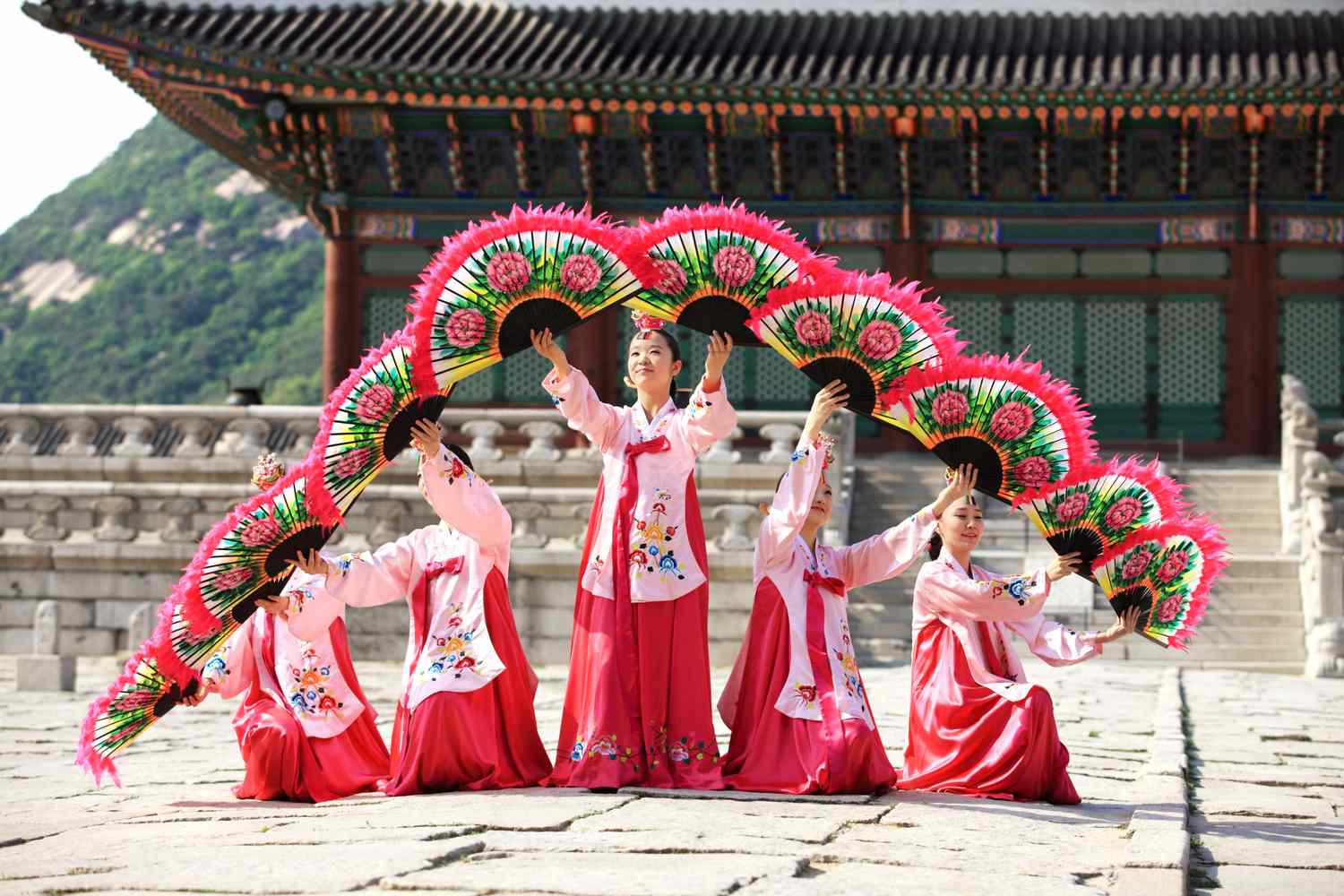
Traditional Korean arts include music, dance, and various forms of visual arts. Notable traditional dances include the Farmers’ Dance and the Mask Dance, which are performed during festivals and special occasions. Korean music, known as “gugak,” features a variety of traditional instruments such as the gayageum (a zither) and the daegeum (a bamboo flute).

Festivals play a significant role in Korean culture, with many celebrating the changing seasons and historical events. The most famous festivals include the Lunar New Year (Seollal) and the Mid-Autumn Festival (Chuseok), which are marked by family gatherings, traditional foods, and rituals.

Modern Influences

In recent decades, South Korea has become a global cultural phenomenon, particularly in the realms of music, film, and television. The “Korean Wave” (Hallyu) has swept across the world, popularizing K-pop, Korean dramas, and films. This cultural export has not only boosted South Korea’s economy but also enhanced its global image and soft power.

South Korean cuisine is another aspect of its culture that has gained international recognition. Dishes like kimchi, bulgogi, and bibimbap are now enjoyed worldwide, reflecting the country’s rich culinary traditions and innovative approach to food.

Education and Society

Education is highly valued in South Korean society, with a strong emphasis on academic achievement. The country’s education system is rigorous, and students often attend after-school programs and private tutoring to excel in their studies. This focus on education has contributed to South Korea’s high literacy rates and skilled workforce.

In summary, the Republic of Korea’s history and culture are a testament to its resilience, innovation, and unique identity. From its ancient dynasties to its modern-day global influence, South Korea continues to evolve while maintaining a deep connection to its traditional roots.

The History and Evolution of Car Titles

mchec.org – Car titles have evolved significantly over the years, reflecting changes in legal practices, technological advancements, and societal needs. This article explores the historical development of car titles, from their inception to their modern forms.

Early Beginnings

The concept of car titles can be traced back to the early days of automobile ownership. Initially, there was no formal title system in place. Ownership was often documented through bills of sale or other informal agreements. This method was prone to fraud and disputes, as there was no central record of vehicle ownership.

The Introduction of Titles

As automobiles became more common, the need for a standardized method of ownership documentation grew. The first formal car titles were introduced in the early 20th century. These documents served as legal proof of ownership and were essential for the transfer of vehicle ownership. The specifics of these titles varied by state, but they generally included the vehicle’s description, owner’s name, and vehicle identification number (VIN).

Evolution of Title Types

Over time, the types of car titles expanded to accommodate various situations. For instance, salvage titles were introduced for vehicles that had been damaged beyond repair but were still considered roadworthy. Similarly, bonded titles were created for vehicles whose ownership could not be verified through traditional means.

Technological Advancements

The advent of digital technology has significantly impacted car titles. Electronic titles have become increasingly common, offering a more secure and efficient method of ownership documentation. These digital titles are stored in secure databases, reducing the risk of fraud and making the transfer of ownership faster and more convenient.

Modern Trends

Today, car titles continue to evolve to meet the needs of a digital age. The integration of blockchain technology is one of the latest developments, providing an even more secure and transparent method of ownership verification. This technology ensures that titles are tamper-proof and can be easily accessed by authorized parties.

Conclusion

The history of car titles is a testament to the evolution of legal practices and technological advancements. From the early days of informal agreements to the modern era of digital titles, the concept of car titles has adapted to meet the changing needs of society. As technology continues to advance, it is likely that car titles will continue to evolve, offering new levels of security and convenience.