Navarre: A Land of History and Natural Beauty

mchec.org – Navarre, a region in northern Spain, is a land of stunning landscapes, rich history, and vibrant culture. Its capital city, Pamplona, is famous worldwide for its annual Running of the Bulls festival.

Pamplona: A City of History and Tradition

Pamplona, the heart of Navarre, is a city with a rich history dating back to Roman times. It’s most famous for the Running of the Bulls, a thrilling event that takes place during the San Fermín festival in July.

  • Must-See Attractions:
    • Plaza del Castillo: The central square of Pamplona, surrounded by historic buildings and lively cafes.
    • Catedral de Santa María: A stunning Gothic cathedral with a beautiful cloister.
    • Ciudadela de Pamplona: A historic citadel that offers panoramic views of the city.
    • Museo de Navarra: A museum that houses a diverse collection of art and artifacts.

Navarre: A Natural Paradise

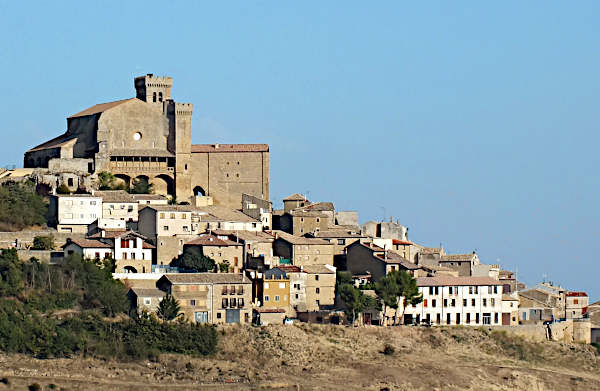
Navarre is a paradise for nature lovers, with its stunning mountains, lush valleys, and picturesque villages.

  • Must-See Natural Attractions:
    • Parque Nacional de Ordesa y Monte Perdido: A UNESCO World Heritage Site, offering breathtaking mountain scenery, deep valleys, and cascading waterfalls.
    • Valle del Roncal: A beautiful valley with traditional Basque villages and stunning landscapes.
    • Bardenas Reales: A unique desert landscape with eroded clay formations and dramatic canyons.

Navarre offers a diverse range of experiences, from exploring historic cities to hiking in the mountains. Its rich history, stunning landscapes, and vibrant culture make it a truly unforgettable destination.

The Beaches of Spain: A Mediterranean Paradise

mchec.org – Spain, with its extensive coastline along the Mediterranean Sea, is home to some of the most beautiful and diverse beaches in the world. Each beach offers a unique blend of natural beauty, cultural richness, and leisure activities. From the vibrant shores of Costa del Sol to the tranquil coves of Menorca, this article explores the enchanting allure of Spain’s Mediterranean beaches.

Costa del Sol: Sun-Drenched Splendor

Located in the southern region of Andalusia, Costa del Sol is famous for its golden sands and lively atmosphere. Stretching over 150 kilometers, this coastline is a haven for sun-seekers and water sports enthusiasts. Popular destinations such as Marbella and Malaga offer a mix of luxurious resorts, bustling promenades, and vibrant nightlife.

The beaches here are ideal for families and party-goers alike, with plenty of amenities and activities. Visitors can enjoy parasailing, jet skiing, or simply basking in the sun. The region’s mild climate ensures that the beaches remain a popular destination year-round.

The Balearic Islands: Idyllic Escapes

The Balearic Islands, comprising Mallorca, Menorca, Ibiza, and Formentera, are synonymous with picturesque beaches and crystal-clear waters. Each island has its unique charm, catering to different types of travelers.

Mallorca, the largest island, boasts a variety of beach experiences, from the lively Playa de Palma to the secluded Cala Mondragó. Menorca, known for its tranquil beauty, offers pristine coves like Cala Macarella and Cala Mitjana, perfect for those seeking peace and serenity.

Ibiza, famous for its vibrant nightlife, also has stunning beaches such as Cala Comte and Benirrás, where visitors can enjoy breathtaking sunsets. Formentera, the smallest of the islands, is a hidden gem with its unspoiled beaches and laid-back vibe, ideal for a relaxing getaway.

Costa Brava: Rugged Beauty

In northeastern Spain, the Costa Brava is renowned for its rugged cliffs, hidden coves, and picturesque fishing villages. This region, stretching from the town of Blanes to the French border, offers a more intimate beach experience.

Beaches like Platja d’Aro and Tossa de Mar provide stunning landscapes and opportunities for diving and snorkeling. The region’s rich cultural heritage is evident in the charming medieval towns and local cuisine, adding to its allure.

Cultural and Natural Attractions

Beyond their natural beauty, Spain’s Mediterranean beaches are steeped in history and culture. Many coastal towns and cities feature ancient ruins, historic architecture, and vibrant local traditions. The Mediterranean diet, rich in seafood, olive oil, and fresh produce, complements the beach lifestyle, offering visitors a taste of authentic Spanish cuisine.

Conclusion

The beaches of Spain are a testament to the country’s diverse natural landscapes and rich cultural heritage. Whether you’re seeking adventure, relaxation, or cultural exploration, Spain’s Mediterranean coastline offers a paradise for every traveler. With its sun-drenched shores, vibrant culture, and warm hospitality, the beaches of Spain continue to captivate and charm visitors from around the globe.

Churros: Spain’s Sweet Fried Pastry

mchec.org – Churros, the quintessential Spanish sweet treat, have been delighting palates for centuries. These crunchy, piping hot pastries, often served with a side of thick, sweet chocolate for dipping, are a staple of Spanish cuisine and a beloved snack across the globe. Originating in Spain, churros have spread to various countries, each adding its unique twist to this classic recipe. However, the traditional Spanish churro remains a symbol of culinary simplicity and excellence.

The History of Churros

The exact origins of churros are somewhat debated, with some historians suggesting they were brought to Spain by Sephardic Jews fleeing from Portugal in the 15th century. Another theory posits that churros were inspired by a Chinese fried dough pastry introduced to Spain by Portuguese traders. Regardless of their origins, churros quickly became a popular street food in Spain, especially in Madrid, where they are often enjoyed as a late-night snack.

The Making of Churros

Churros are made from a simple dough of flour, water, salt, and a pinch of baking soda. This mixture is piped into hot oil, where it fries until golden and crispy. The key to perfect churros lies in the dough’s consistency and the frying technique. Once cooked, churros are traditionally dusted with cinnamon sugar, enhancing their sweetness and adding a delightful aroma.

Varieties of Churros

While the classic straight churro is the most recognized, there are several variations. “Churros rellenos” are filled with dulce de leche or chocolate, offering a gooey surprise with each bite. “Porras,” a thicker, fluffier cousin of the churro, is another popular variation, especially in Andalusia.

Churros and Chocolate

The pairing of churros with thick, rich hot chocolate is a match made in heaven. This tradition dates back to the 19th century, when churros were served in Madrid’s cafes alongside a cup of thick, dark chocolate. The chocolate not only complements the flavor of the churros but also serves as a perfect dipping sauce, adding an extra layer of indulgence.

Churros Around the World

Churros have traveled far beyond Spain’s borders, becoming a beloved treat in Latin America, the United States, and beyond. Each region has adapted the recipe to suit local tastes, from adding different spices to the dough to serving them with a variety of dipping sauces. Despite these variations, the essence of the churro remains the same: a simple, delicious pastry that brings joy to all who taste it.

Conclusion

Churros are more than just a snack; they are a symbol of Spanish culinary heritage and creativity. Whether enjoyed on a cold evening in Madrid or as a novelty treat in a far-off land, churros continue to captivate and delight. Their enduring popularity is a testament to the universal appeal of fried dough and sugar, and the churro’s place in the pantheon of great pastries is secure.