Samurai I: Musashi Miyamoto (1954) – The Birth of a Legend

mchec.org – Released in 1954, Samurai I: Musashi Miyamoto is the first installment of Hiroshi Inagaki’s acclaimed Samurai Trilogy, a cinematic adaptation of Eiji Yoshikawa’s novel Musashi. The film chronicles the early life of Japan’s legendary swordsman, Miyamoto Musashi, blending historical drama with poetic storytelling. This iconic film has left a lasting impact on Japanese cinema and is widely regarded as one of the defining samurai films of its time.

The Story of a Warrior’s Transformation

The film follows the journey of Takezo (later Musashi), a hot-headed young man seeking glory and fame as a warrior. At the beginning of the story, Takezo is more of a brute than a refined samurai, filled with a raw and untamed desire for adventure. He sets off with his childhood friend Matahachi to join the battle of Sekigahara in hopes of earning fame, but the war turns into a disastrous defeat for their side.

Takezo’s early recklessness gets him into trouble, and he is branded a criminal. However, after crossing paths with several mentors, including a Buddhist priest named Takuan, he begins a path of spiritual and personal transformation. Through his trials, Takezo eventually matures into Musashi Miyamoto, a disciplined and honorable samurai dedicated to mastering the way of the sword.

This journey from a wild, rebellious youth to a focused and disciplined swordsman sets the stage for Musashi’s evolution into one of the greatest samurai in Japanese history.

Themes of Redemption and Growth

At its core, Samurai I: Musashi Miyamoto is a tale of personal redemption and growth. Takezo’s transformation from a wild warrior to a thoughtful and skilled swordsman mirrors the timeless themes of self-discipline, honor, and enlightenment that are central to samurai philosophy. The film emphasizes the importance of inner strength and mental clarity over mere physical prowess, a theme that resonates throughout the entire Samurai Trilogy.

Inagaki’s direction also captures the spiritual and emotional dimensions of Musashi’s journey. Takezo’s internal struggles are depicted with the same intensity as the external battles he faces, making the film not just an action-packed samurai drama but also a thoughtful character study.

Visual Style and Cinematic Excellence

Samurai I is renowned for its sweeping cinematography, beautifully capturing the landscapes of feudal Japan. The film’s wide, picturesque shots, combined with carefully choreographed action scenes, immerse the audience in the historical world of the samurai. The visual aesthetic is complemented by a strong musical score, enhancing the emotional weight of Musashi’s trials.

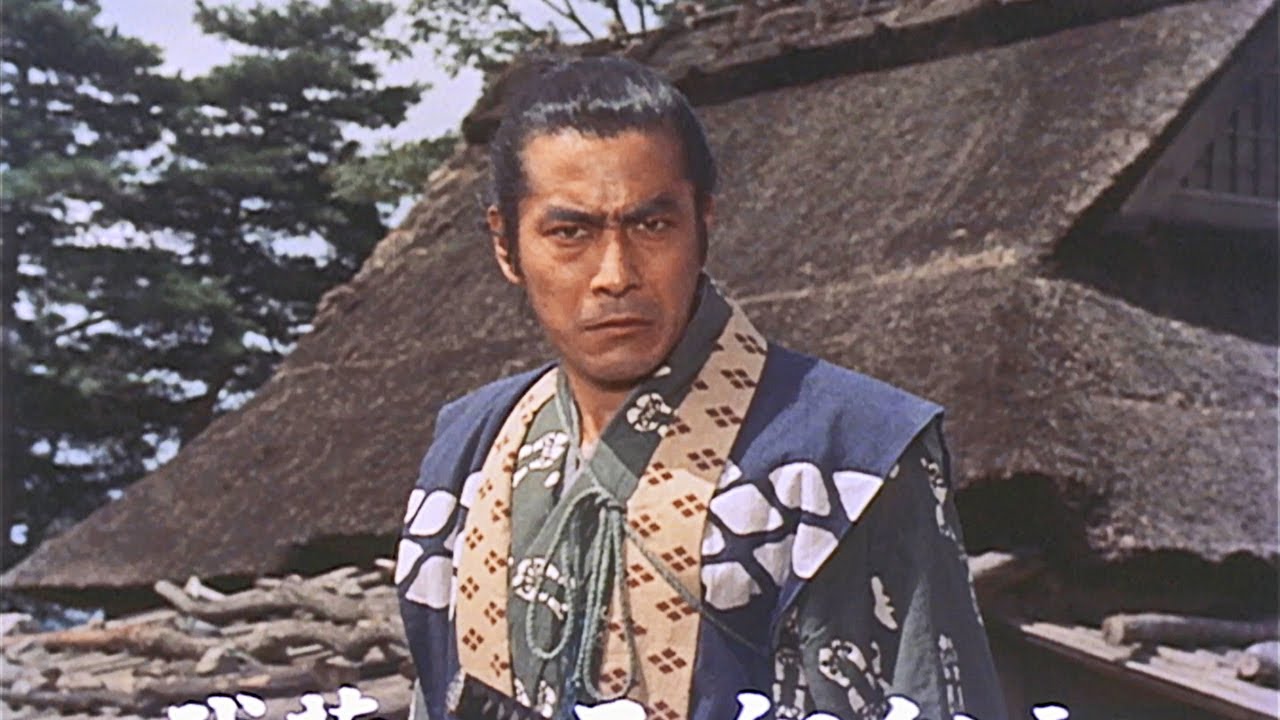
In addition to the film’s visual elegance, Toshiro Mifune’s portrayal of Musashi Miyamoto is a major highlight. Mifune, one of Japan’s most celebrated actors, delivers a performance filled with raw intensity and nuance, perfectly embodying the transformation of the impulsive Takezo into the thoughtful and formidable Musashi.

Reception and Cultural Impact

Upon its release, Samurai I: Musashi Miyamoto was met with widespread acclaim both in Japan and internationally. The film went on to win the Academy Award for Best Foreign Language Film in 1955, further cementing its status as a global classic. Its success paved the way for the following two films in the trilogy, Samurai II: Duel at Ichijoji Temple (1955) and Samurai III: Duel at Ganryu Island (1956), which continue Musashi’s journey toward becoming a legendary swordsman.

The film also helped popularize the image of Miyamoto Musashi as not only a historical figure but as a cultural icon, celebrated for his mastery of strategy and martial arts. Musashi’s philosophy of Bushido and his famous treatise, The Book of Five Rings, continue to inspire generations of martial artists and thinkers.

A Timeless Samurai Classic

Samurai I: Musashi Miyamoto remains a quintessential film in the samurai genre. Its blend of action, philosophy, and character development sets it apart as a deeply resonant and engaging work. For many, the film serves as an introduction to the life of Musashi Miyamoto, whose legend continues to captivate audiences worldwide.

As the first entry in Hiroshi Inagaki’s Samurai Trilogy, this film is an essential piece of cinema that masterfully tells the story of one of Japan’s most celebrated warriors. Its exploration of growth, honor, and redemption, combined with powerful performances and stunning visuals, has ensured its place as a timeless classic in the annals of world cinema.
Ugetsu (1953): A Haunting Tale of Love, and Ambition

mchec.org – Ugetsu (1953), directed by Kenji Mizoguchi, is a landmark film in Japanese cinema that blends historical drama, romance, and the supernatural to create an unforgettable narrative. Set during Japan’s Warring States period, Ugetsu tells the story of two peasant families whose lives are changed by ambition, desire, and supernatural forces. Known for its striking cinematography, powerful performances, and exploration of timeless themes, Ugetsu is widely regarded as one of the greatest films of its era and a key work in Mizoguchi’s illustrious career.

The film’s mix of realism and supernatural elements, combined with its profound commentary on the human condition, gives it a timeless quality that resonates with audiences even today. Ugetsu is not just a story about the supernatural—it is a meditation on the destructive power of ambition, the fragility of human relationships, and the consequences of human desires.

Plot Overview: A Tale of Two Families

The film follows two main characters: Genjuro (played by Masayuki Mori), a poor potter, and his friend Tobei (played by Eitaro Ozawa), a farmer with dreams of becoming a samurai. The two men, along with their wives, live in a small village ravaged by the chaos of war. Driven by the hope of securing wealth and status, both Genjuro and Tobei leave their families behind and venture to the battlefield, where their lives take tragic and supernatural turns.

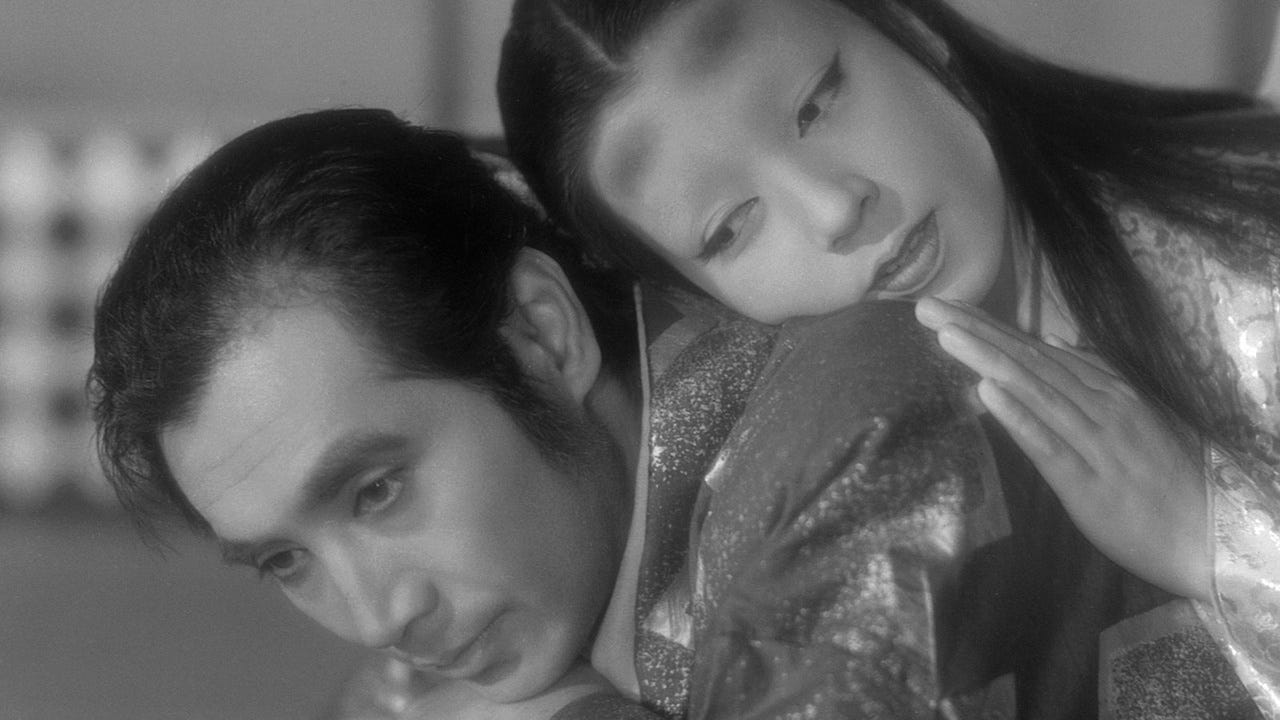
Genjuro’s journey begins when he is seduced by the promise of fortune and a better life. His wife, Miyagi (played by Kinuyo Tanaka), pleads with him to stay and care for their son, but Genjuro is determined to make something of himself. He finds success as a potter, but his ambition and growing desire for power lead him into dangerous and morally compromising situations. His life becomes intertwined with the ghostly and tragic Lady Wakasa (played by Machiko Kyo), who embodies both beauty and danger.

Meanwhile, Tobei, obsessed with his dream of becoming a samurai, also abandons his wife, Ohama (played by Miyoshi Umeki), and ventures off to fight in the war. His journey takes him into the world of deception and illusion, where his dreams of honor and glory collide with reality, leading to devastating consequences.

The film weaves together the fates of these two families, with both Genjuro and Tobei falling prey to their desires, ultimately paying a heavy price. At the core of Ugetsu is the theme of human folly—the characters are driven by their own selfish ambitions, which blind them to the love and connections they leave behind.

Themes of Desire, Ambition, and Tragic Consequences

Ugetsu is a powerful exploration of the destructive forces of ambition and desire. Both Genjuro and Tobei are motivated by the belief that they can improve their lives by abandoning their families and seeking wealth, status, and glory. However, the film shows how these desires ultimately lead to their downfall. Genjuro’s pursuit of wealth and power through his pottery and his affair with Lady Wakasa leaves him emotionally distant from his wife and son. His ambition drives him to make morally questionable choices, and he ultimately loses everything that truly matters.

Tobei, too, is consumed by his ambition to become a samurai, even if it means abandoning his wife and risking his life in battle. In the end, his dreams are shattered, and he is left to reflect on the futility of his aspirations. Mizoguchi’s direction emphasizes the vulnerability and transience of human desires, suggesting that the pursuit of fame, power, and wealth often comes at the expense of true happiness and personal fulfillment.

At its heart, Ugetsu is a meditation on the fragility of human relationships. The film explores the way in which ambition, selfishness, and greed can tear apart the bonds between individuals, leaving behind only regret and loss. The supernatural elements in the film serve to underscore the emotional and psychological toll of these destructive desires, adding a layer of otherworldly mystery to the characters’ fates.

Supernatural Elements: Ghosts and Illusions

The supernatural elements in Ugetsu are integral to its emotional and thematic impact. Mizoguchi blends the realism of the historical setting with ghostly apparitions and eerie visions, creating a haunting atmosphere that reflects the characters’ internal struggles. The ghosts in Ugetsu are not simply traditional spirits seeking revenge—they embody the emotional and moral consequences of the characters’ actions.

Lady Wakasa, for example, is a spectral figure who lures Genjuro with promises of beauty and wealth, but her ghostly nature reveals the danger and illusion behind her allure. The relationship between Genjuro and Lady Wakasa is symbolic of his own moral decay and the consequences of his obsession with worldly desires. Similarly, Tobei’s encounter with the ghostly figures of his past reflects the emptiness and disillusionment of his own dreams of becoming a samurai.

The supernatural elements also serve to highlight the emotional and spiritual emptiness that the characters experience. Mizoguchi uses the ghosts and visions to symbolize the emotional toll of war, ambition, and personal loss, blending reality and the supernatural to create a sense of unease and tragedy.

Cinematic Style: Visual Elegance and Symbolism

Mizoguchi’s direction in Ugetsu is a masterclass in visual storytelling. The film’s cinematography, by Kazuo Miyagawa, is both elegant and expressive, with striking compositions that emphasize the emotional depth of the characters’ experiences. The use of light and shadow, particularly in the scenes involving Lady Wakasa and the supernatural elements, adds to the film’s haunting atmosphere.

The film’s mise-en-scène is equally powerful, with the stark contrast between the rural poverty of the characters’ village and the opulence of the ghostly world serving as a visual metaphor for the characters’ internal conflicts. The scenes in the misty, moonlit landscapes create a sense of otherworldliness, blending the mundane with the ethereal.

Mizoguchi’s careful use of long takes and restrained camera movement allows the emotional weight of the story to unfold gradually, building a sense of inevitability and tragedy. The director’s subtle yet powerful use of symbolism, such as the recurring motif of water, further enhances the film’s themes of fleeting life and the destructive power of desire.

Legacy and Influence

Ugetsu is widely regarded as one of the greatest films in the history of Japanese cinema. It won the Silver Lion at the Venice Film Festival in 1953 and was nominated for the Academy Award for Best Foreign Language Film. Its success helped solidify Mizoguchi’s reputation as one of Japan’s most important filmmakers and introduced his work to international audiences.

The film’s blend of historical realism, supernatural elements, and psychological depth has influenced filmmakers around the world, and it remains a key reference for those exploring themes of ambition, love, and loss. The eerie beauty and emotional complexity of Ugetsu have made it a timeless classic that continues to be studied and admired by cinephiles and scholars alike.

Conclusion: A Timeless Story of Human Folly and Redemption

Ugetsu is a haunting and poetic film that explores the darker aspects of human nature—ambition, desire, and the consequences of our actions. Mizoguchi’s masterful direction, combined with his ability to blend the supernatural with the real, makes Ugetsu a deeply affecting and thought-provoking film. It is a story of love, loss, and the eternal struggle between desire and responsibility. Through its timeless themes and unforgettable imagery, Ugetsu remains a cornerstone of Japanese cinema and a cinematic masterpiece that continues to resonate with audiences around the world.

Follow the Boys (1963): A Musical Comedy Classic

mchec.org – Follow the Boys (1963), directed by Harold French, is a lighthearted musical comedy that brings together a fun ensemble cast for a story filled with romance, humor, and musical numbers. Set against the backdrop of a military base during World War II, the film explores the humorous antics and romantic entanglements of a group of servicemen and women. At the heart of the story is Toni Denham, played by the talented actress, whose role brings both charm and sophistication to the comedic plot. Although Follow the Boys might not be one of the most iconic musicals of its time, Toni Denham’s performance is one of the standout features that adds depth and entertainment to the film.

Plot Overview: Romance, Music, and Misunderstandings

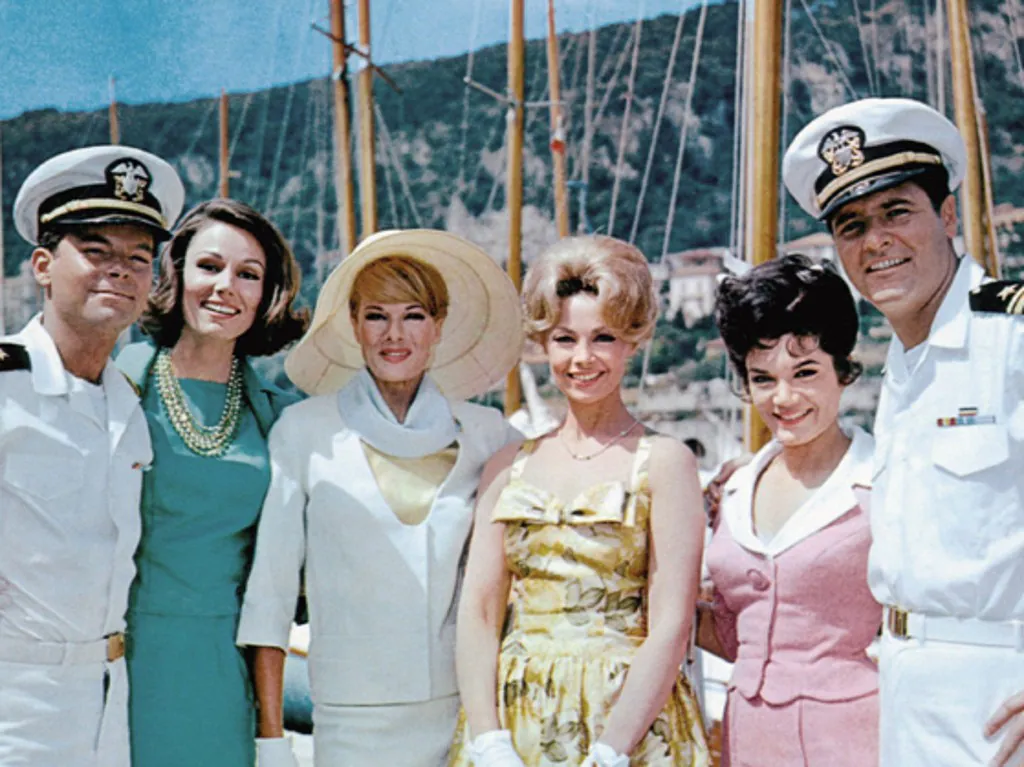
Set during World War II, Follow the Boys centers on a group of soldiers and women stationed on a military base. The story follows their romantic entanglements and humorous situations as they navigate the challenges of wartime life. The title, Follow the Boys, reflects the central theme of women who are chasing after the men they love, whether it’s on the home front or in a military setting.

The plot weaves a combination of musical numbers, comedic moments, and romantic tension. At the heart of the narrative is a love story between one of the soldiers and a woman, while various misunderstandings and comedic escapades add humor and warmth to the plot. The film features a collection of characters, each with their own quirks, who provide both comedic relief and touching moments as they deal with love, loss, and the chaos of wartime.

Toni Denham’s character adds a unique element to the ensemble cast. She plays a woman caught up in the romantic shenanigans of the soldiers and other characters, contributing to the film’s lighthearted exploration of love during difficult times.

Toni Denham’s Role: Grace and Charm in a Musical Comedy

Toni Denham’s performance in Follow the Boys adds a touch of grace and charm to the film’s comedic and musical elements. While the film’s primary focus is on the romantic and humorous relationships between the soldiers and their love interests, Denham’s portrayal of her character stands out as one of the film’s more sophisticated and grounded performances.

As Toni, Denham’s character is not simply a love interest but a woman who brings a sense of maturity and wisdom to the group. Her role, while somewhat secondary to the main romantic plotlines, is crucial in providing balance to the film’s more farcical moments. Her character is both elegant and playful, navigating the chaotic world of wartime romance with grace and humor. Denham’s ability to blend these qualities made her a standout presence in the film, adding depth to the ensemble of characters.

In addition to her acting skills, Denham’s musical number performances are a highlight of the film. Her voice and presence add a touch of class to the musical sequences, providing a balance to the more lighthearted and comedic elements of the film.

Themes of Romance, Wartime Life, and Comedic Escapism

At its core, Follow the Boys is a romantic comedy that explores the dynamics of love and relationships during wartime. The film is built around themes of romance, miscommunication, and the humorous misunderstandings that arise when men and women are separated by distance and circumstance. The soldiers’ romantic pursuits of the women they love provide much of the humor and charm in the film, with comedic situations unfolding as each character deals with their own romantic misadventures.

The film also touches on themes of wartime life, portraying the challenges and sacrifices faced by both soldiers and those left behind. While the comedy provides an escapist element, the film subtly acknowledges the emotional struggles that come with war. Despite the lighthearted tone, the characters’ personal connections and the ways they cope with separation and uncertainty add an emotional depth to the story.

However, Follow the Boys is ultimately about finding joy and humor in the face of hardship. The musical numbers, comedic misunderstandings, and romantic escapades offer audiences an entertaining escape from the harsh realities of wartime life, providing moments of lightness and laughter amid the backdrop of serious global conflict.

The Film’s Reception: Fun and Uplifting Entertainment

Upon its release, Follow the Boys received a mixed response from critics, but it was appreciated for its upbeat, escapist qualities. Audiences enjoyed the film’s charm, the infectious musical numbers, and the entertaining performances by the cast. Although the film did not achieve major critical acclaim, it was well-received as a fun, feel-good movie that provided a welcome distraction during the more difficult times of the early 1960s.

The musical numbers, which were central to the film’s appeal, helped to elevate the entertainment value, and the comedic performances by the ensemble cast added to the film’s overall appeal. Toni Denham’s contribution as a grounded, sophisticated romantic interest added a layer of emotional resonance to the film’s lighter moments.

Toni Denham’s Contribution to the Film’s Appeal

Toni Denham’s role in Follow the Boys was a key part of the film’s overall success. Her ability to play a character that balanced elegance with humor made her a standout in the ensemble cast. While the film’s primary focus was on the romantic entanglements of the male and female characters, Denham’s portrayal brought a sense of maturity and sophistication that helped to anchor the film’s more whimsical moments.

Her performance added a layer of depth to the otherwise lighthearted narrative, making her one of the film’s most memorable characters. Denham’s ability to navigate both musical and comedic sequences with ease demonstrated her versatility as an actress, and her contributions were integral to the film’s overall success.

Conclusion

Follow the Boys (1963) is a charming and lighthearted musical comedy that blends romance, humor, and wartime life. Directed by Harold French, the film features an ensemble cast of actors, with Toni Denham playing an important role in adding sophistication and warmth to the comedic proceedings. Her performance as Toni, a woman caught up in the romantic escapades of the soldiers, brings grace and elegance to the film, making her a standout character. While the film may not be remembered as one of the most iconic musicals of its time, it remains an enjoyable and entertaining exploration of love, laughter, and romance during a challenging period in history. Toni Denham’s contribution to the film ensures its lasting appeal as a fun and uplifting piece of cinema.

Teresa the Thief: A Quirky Exploration of Poverty and Survival

mchec.org – Teresa the Thief (1973) is a captivating Italian film that delves into the life of Teresa Numa, a woman driven by poverty to a life of petty crime. Directed by Carlo Di Palma, the film stands out as a unique blend of comedy, drama, and social commentary.   

A Life of Hardship

Teresa, portrayed brilliantly by Monica Vitti, is a complex character. Raised in a poor, rural family, she faces a life of struggle and hardship. The film follows her journey as she navigates the challenges of poverty, societal expectations, and the harsh realities of life.   

A Comedic Approach to Serious Themes

Despite its serious subject matter, Teresa the Thief employs a comedic tone. The film’s humor often arises from Teresa’s bumbling attempts at theft and her interactions with the colorful characters she encounters. However, beneath the comedic surface lies a poignant exploration of poverty, desperation, and the human condition.   

A Feminist Perspective

Teresa the Thief can also be viewed as a feminist film. Teresa is a strong and independent woman who defies societal norms. She refuses to be confined to traditional gender roles and takes charge of her own destiny, albeit through unconventional means.

A Critical Look at Society

The film offers a critical look at the societal factors that contribute to poverty and crime. It highlights the systemic inequalities that force individuals to resort to desperate measures to survive.

A Cult Classic

Teresa the Thief has gained a cult following over the years. Its unique blend of humor, drama, and social commentary has resonated with audiences. The film’s distinctive visual style, characterized by vibrant colors and striking compositions, further enhances its appeal.

A Timeless Tale of Survival

Teresa the Thief is a timeless tale of survival that continues to captivate audiences. Its exploration of poverty, crime, and the human spirit remains relevant today.

Conclusion

Teresa the Thief is a must-watch for fans of Italian cinema and those who appreciate films that challenge conventional storytelling. It is a film that will stay with you long after the credits roll.

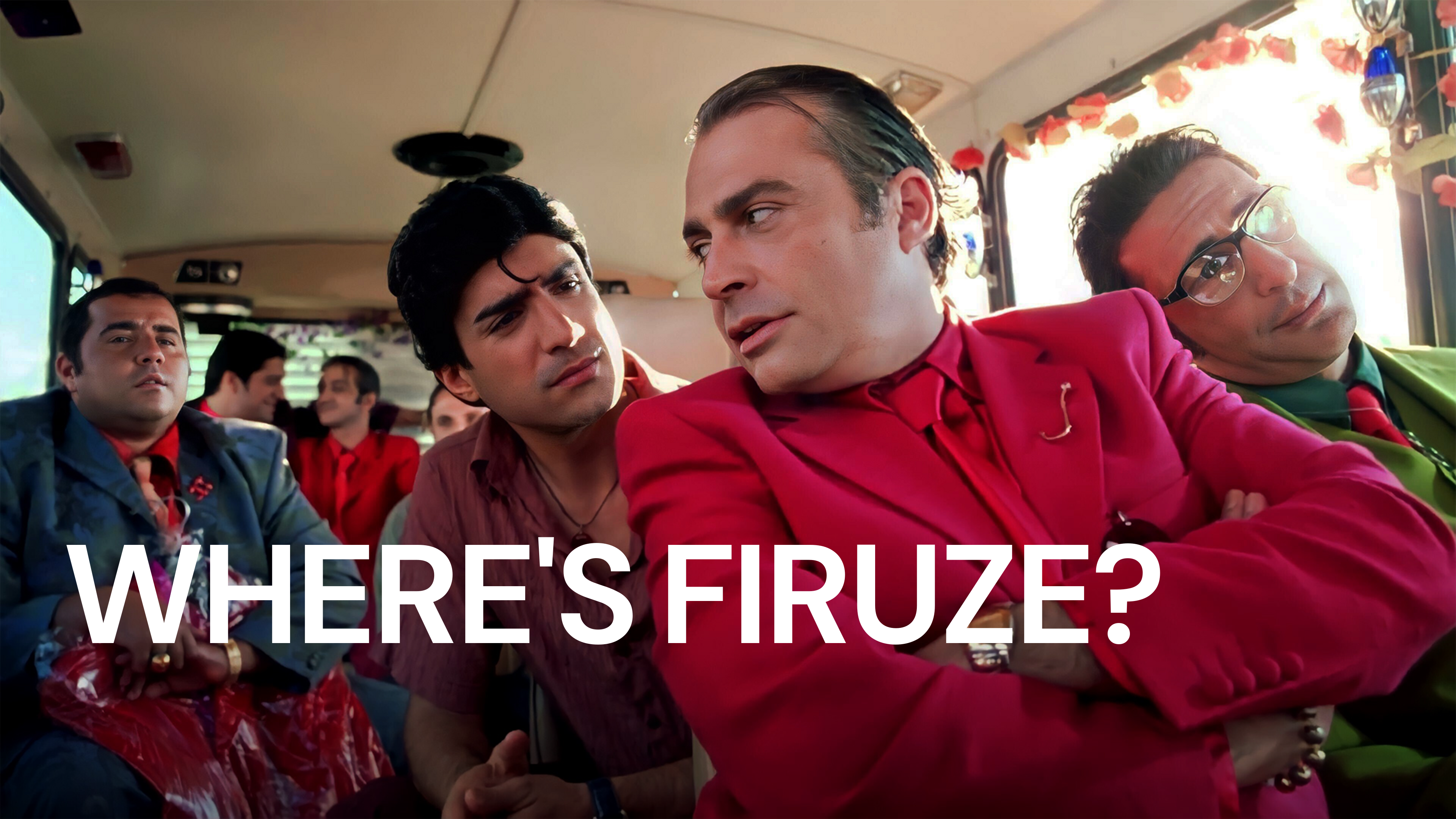
Neredesin Firuze? (Where Are You Firuze?, 2004)

mchec.org – Neredesin Firuze? (Where Are You Firuze?), a 2004 Turkish musical comedy film directed by Ezel Akay, offers a witty and affectionate satire of the Turkish music industry, filled with memorable characters, catchy songs, and a heartwarming story about pursuing one’s dreams. The film’s quirky humor, combined with its genuine appreciation for music, makes it a beloved classic in Turkish cinema.

Hayri: A Music Producer in Search of a Star

The story revolves around Hayri, a down-on-his-luck music producer desperately trying to revive his failing career. He is convinced that he can discover the next big musical sensation and regain his former glory. His search leads him to a group of eccentric and talented musicians, each with their own unique style and personality.   

Firuze: The Elusive Muse

At the heart of Hayri’s quest is the elusive Firuze, a mysterious and captivating singer who seems to vanish just as he is about to sign her. Firuze becomes a symbol of the elusive nature of fame and success, as well as the power of music to inspire and captivate. Hayri’s pursuit of Firuze drives the narrative, leading him on a series of comical and often chaotic adventures.

A Colorful Cast of Musicians and Dreamers

Neredesin Firuze? features a colorful cast of characters, each representing a different aspect of the music industry:   

  • The aspiring musicians: The film showcases a diverse group of musicians, ranging from folk singers to rock bands, each with their own dreams of making it big.
  • The record label executives: The film satirizes the often-cutthroat and profit-driven nature of the music business, portraying record label executives as opportunistic and sometimes clueless.
  • The fans: The film also includes glimpses of the passionate and dedicated fans who support the musicians and keep the music alive.

Themes of Dreams, Perseverance, and the Power of Music

The film explores several key themes:

  • The Pursuit of Dreams: The film celebrates the importance of pursuing one’s dreams, even in the face of adversity. Hayri’s unwavering belief in his ability to discover a star and the musicians’ dedication to their craft highlight this theme.
  • Perseverance and Resilience: The characters in Neredesin Firuze? face numerous setbacks and disappointments, but they never give up on their dreams. The film emphasizes the importance of perseverance and resilience in the face of challenges.
  • The Power of Music: Music plays a central role in the film, acting as a unifying force that connects the characters and inspires hope. The film showcases the diverse range of musical styles in Turkey and celebrates the power of music to move and inspire.
  • Satire of the Music Industry: The film offers a witty and affectionate satire of the Turkish music industry, poking fun at its clichés, its excesses, and its often-chaotic nature.

Catchy Music and Hilarious Situations

Neredesin Firuze? is filled with catchy original songs that contribute significantly to the film’s charm and energy. The film’s humor is often quirky and situational, arising from the interactions between the eccentric characters and the absurd situations they find themselves in.

A Beloved Classic in Turkish Cinema

Neredesin Firuze? has become a beloved classic in Turkish cinema, known for its lighthearted humor, memorable characters, and catchy music. It is a film that appeals to audiences of all ages, offering a fun and heartwarming celebration of music and the pursuit of dreams.   

Conclusion: A Joyful Celebration of Music and the Human Spirit

Neredesin Firuze? (Where Are You Firuze?) is a joyful and entertaining musical comedy that offers a unique and affectionate look at the Turkish music industry. Its quirky humor, memorable characters, catchy songs, and heartwarming story make it a truly enjoyable and unforgettable cinematic experience. It is a film that celebrates the power of music to connect people, inspire dreams, and bring joy to the world. It’s a lighthearted yet insightful commentary on the pursuit of artistic passion in a world often driven by commercial interests.

Kelebeğin Rüyası (The Butterfly’s Dream)

mchec.org – Yılmaz Erdoğan’s 2013 film Kelebeğin Rüyası (“The Butterfly’s Dream”) is a poignant and beautifully crafted historical drama set during World War II in the small Turkish town of Zonguldak. The film tells the story of two young poets, Rüştü Onur and Muzaffer Tayyip Uslu, whose passion for poetry and unwavering friendship provide solace amidst the hardships of war and the looming threat of tuberculosis. Kelebeğin Rüyası is a moving tribute to the power of art, the resilience of the human spirit, and the enduring bonds of friendship in the face of adversity.

Zonguldak, 1941: A Town Touched by War

The film is set in Zonguldak, a coal mining town on the Black Sea coast of Turkey, in 1941. While Turkey remained neutral during World War II, the war’s impact was still felt, with shortages, rationing, and a general sense of uncertainty pervading daily life. The town’s bleak industrial landscape, with its coal mines and harsh weather, reflects the difficult circumstances faced by its inhabitants.

The film’s visual style, with its muted colors and melancholic atmosphere, effectively captures the mood of the time. The setting becomes a character in itself, emphasizing the isolation and hardship faced by the two young poets.

Rüştü and Muzaffer: A Shared Passion for Poetry

The central relationship of the film is between Rüştü Onur and Muzaffer Tayyip Uslu, two young men with a deep passion for poetry. They find solace and inspiration in their shared love of words, using poetry as a means of expressing their emotions, their dreams, and their observations of the world around them.

The film beautifully portrays the power of art to transcend difficult circumstances. Poetry becomes a refuge for Rüştü and Muzaffer, a way to escape the harsh realities of their lives and to connect with something beautiful and meaningful.

Tuberculosis and War: Facing Mortality

The film doesn’t shy away from depicting the harsh realities of the time, particularly the prevalence of tuberculosis, a deadly disease that claimed many lives, including those of both poets at a young age. The looming threat of the disease adds another layer of tension and poignancy to the narrative.

The war, while not directly depicted on screen, casts a long shadow over the characters’ lives. The constant threat of conscription, the economic hardships, and the general sense of uncertainty all contribute to the film’s melancholic atmosphere.

A Love Story and a Friendship: Finding Beauty in Adversity

Kelebeğin Rüyası is not just a story about disease and war; it is also a story about love and friendship. Rüştü’s burgeoning romance with Suzan, a young woman from a wealthy family, adds a touch of tenderness and hope to the narrative. The unwavering friendship between Rüştü and Muzaffer is the film’s emotional core, providing them with mutual support and understanding during difficult times.

The film emphasizes the importance of human connection in the face of adversity. The love and friendship shared by the characters provide them with strength and resilience, allowing them to find beauty and meaning even in the midst of suffering.

A Touching Tribute to Art and Friendship: Lasting Impact

Kelebeğin Rüyası is a beautifully crafted and emotionally resonant film that pays tribute to the power of art and the enduring bonds of friendship. The film’s poetic dialogue, its evocative visuals, and its powerful performances create a truly moving cinematic experience. It serves as a reminder of the importance of finding beauty and meaning even in the darkest of times and the power of art to transcend human suffering. The film is a fitting tribute to the legacy of these two talented poets, ensuring that their words and their story continue to resonate with audiences.

Les mauvaises rencontres: A Dark Exploration of Love

mchec.org Alexandre Astruc’s 1955 film, Les mauvaises rencontres (Bad Liaisons), is a captivating and morally ambiguous exploration of love, ambition, and the consequences of one’s choices. The film follows Catherine, a young and ambitious journalist, as she navigates the complexities of her personal and professional life.   

A Tale of Obsession and Betrayal

The narrative unfolds through a series of flashbacks, as Catherine recounts her life story to a police inspector. We learn about her passionate relationships, her pursuit of success, and the sacrifices she has made along the way. Astruc delves into the darker side of human nature, exploring themes of obsession, betrayal, and the destructive power of desire.   

A Stylistic Masterpiece

The film’s distinctive visual style, characterized by its use of shadows, chiaroscuro lighting, and expressive camera angles, contributes to its noir-like atmosphere. Astruc’s innovative use of flashbacks and voice-over narration adds depth and complexity to the storytelling.

An Unforgettable Performance

Anouk Aimée delivers a mesmerizing performance as Catherine, capturing the character’s intelligence, ambition, and vulnerability. Her portrayal of a woman torn between her passions and her professional aspirations is both compelling and tragic.

A Timeless Exploration of the Human Condition

Les mauvaises rencontres is a timeless exploration of the human condition. Its themes of love, loss, and the consequences of our choices continue to resonate with audiences today. The film’s dark and brooding atmosphere, combined with its complex characters and morally ambiguous narrative, make it a truly unforgettable cinematic experience.

Pacific Heights: A Chilling Descent into Terror

mchec.org – Pacific Heights is a 1990 American psychological thriller film directed by Arthur Hiller. It stars Michael Keaton, Matthew Modine, and Melanie Griffith. The film follows a young couple who purchase a Victorian home in San Francisco and become the target of a manipulative and dangerous tenant.   

A Nightmare Tenant

The film centers around a young couple, Drake and Patty Prescott (Matthew Modine and Melanie Griffith), who purchase a beautiful Victorian home in the prestigious Pacific Heights neighborhood of San Francisco. They decide to rent out the first floor of their home to supplement their income. Enter Carter Hayes (Michael Keaton), a seemingly charming and sophisticated tenant who quickly reveals a sinister side.  

As Hayes begins to exhibit increasingly erratic and threatening behavior, the Prescotts find themselves trapped in a nightmare. Hayes, a master manipulator, uses psychological warfare to torment and intimidate the couple, gradually escalating his tactics to more dangerous levels.  

A Tense and Thrilling Ride

Pacific Heights is a masterclass in suspenseful storytelling. The film effectively builds tension, keeping the audience on the edge of their seats. Keaton delivers a chilling performance as the menacing and unpredictable Hayes, showcasing his ability to portray both charm and menace.  

The film explores themes of class, privilege, and the erosion of the American Dream. It also delves into the psychological impact of harassment and stalking, highlighting the fear and paranoia that can consume victims.

An Angel on Wheels: A Heavenly Romance – Love Story

mchec.org – An Angel on Wheels (1959) is a charming romantic comedy that blends elements of fantasy and realism. Directed by Géza von Radványi, the film tells the story of a guardian angel who descends to Earth to guide a young race car driver towards true love.   

A Guardian Angel’s Mission

The film follows Pierre Chaillot, a talented race car driver who is about to make a significant life decision. He is engaged to a wealthy but cold-hearted woman, but his true love lies with a kind and compassionate flight attendant named Augusta. To ensure that Pierre chooses the right path, a guardian angel, played by the stunning Romy Schneider, is sent to Earth to intervene.   

A Whimsical and Romantic Tale

An Angel on Wheels is a whimsical and romantic film that explores the power of love and the importance of following one’s heart. The film’s blend of fantasy and reality creates a unique and enchanting atmosphere. Schneider’s portrayal of the angelic figure is both ethereal and grounded, making her character both believable and captivating.

The film also features a strong supporting cast, including Jean-Paul Belmondo as a rival race car driver and Henri Vidal as Pierre Chaillot.   

A Timeless Classic

An Angel on Wheels is a timeless classic that continues to charm audiences with its romantic story, beautiful cinematography, and iconic performances. It’s a film that celebrates the power of love and the importance of staying true to oneself.

Hammer: The Studio That Dripped Blood (2010) – A Gothic Revival

mchec.orgHammer: The Studio That Dripped Blood is a 2010 British documentary film that delves into the rich history of Hammer Film Productions, a legendary British film studio known for its iconic horror films. Narrated by the legendary Christopher Lee, the documentary offers a nostalgic journey through the golden age of Hammer, exploring its iconic films, legendary stars, and groundbreaking contributions to the horror genre.

A Gothic Revival

Hammer Films rose to prominence in the 1950s and 1960s, revitalizing the horror genre with its stylish and often controversial films. The studio’s signature style, characterized by Gothic atmosphere, lush Technicolor cinematography, and a focus on sex and violence, captivated audiences worldwide.   

Key elements of Hammer’s style:

  • Gothic Atmosphere: Dark, atmospheric settings, often featuring castles, crypts, and ancient ruins.  
  • Sex and Violence: A willingness to push the boundaries of censorship, with scenes of explicit violence and sexuality. 
  • Iconic Monsters: Classic horror monsters like Dracula, Frankenstein’s Monster, and the Mummy, reimagined with a modern twist. 
  • Stellar Performances: A roster of talented actors, including Christopher Lee, Peter Cushing, and Vincent Price, who brought these iconic roles to life.

The Documentary’s Impact

The documentary explores the factors that contributed to Hammer’s success, including the innovative use of color cinematography, the groundbreaking special effects, and the charismatic performances of its stars. It also examines the decline of the studio in the 1970s and its subsequent revival in the 1990s and 2000s.

Key aspects covered in the documentary:

  • The Golden Age of Hammer: The studio’s most prolific and influential period.
  • The Decline and Revival: The challenges faced by Hammer and its eventual resurgence.
  • The Legacy of Hammer: The enduring impact of Hammer’s films on popular culture.

Hammer: The Studio That Dripped Blood is a must-watch for any fan of horror cinema. It offers a fascinating insight into the history of Hammer Films and its enduring legacy.

Who’s Afraid of Virginia Woolf?: A Tense Psychological Drama

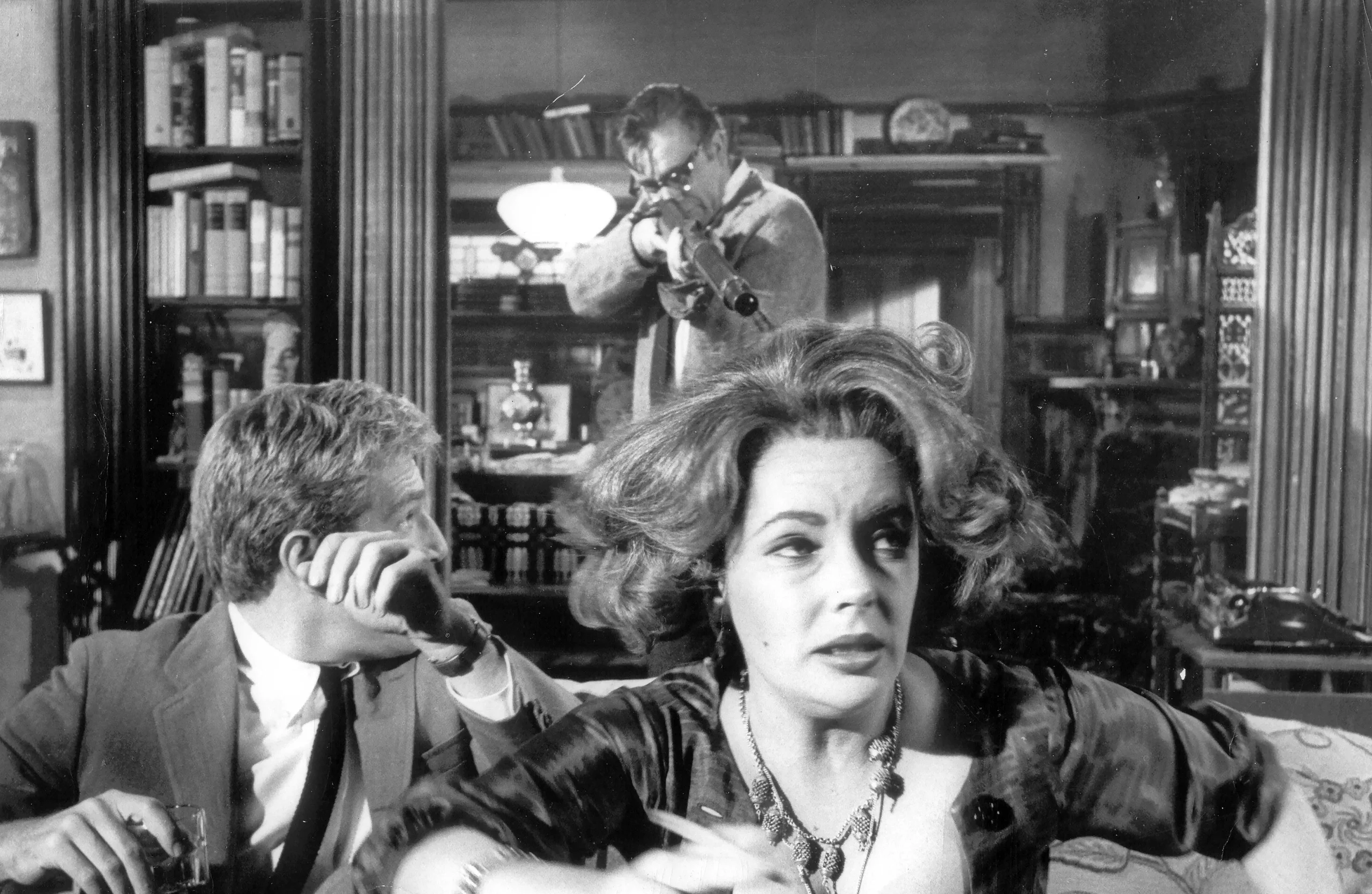
mchec.org – Edward Albee’s Pulitzer Prize-winning play, “Who’s Afraid of Virginia Woolf?”, was adapted into a critically acclaimed film in 1966. Directed by Mike Nichols, the film stars Elizabeth Taylor and Richard Burton in iconic performances as Martha and George, a married couple whose lives are consumed by bitterness and disillusionment.

A Night of Reckoning

The film unfolds over a single night, as Martha and George invite a young couple, Nick and Honey, to their home. What begins as a seemingly ordinary social gathering quickly descends into a tense and psychologically charged battle of wits and wills. As the night progresses, Martha and George engage in a series of vicious verbal attacks, exposing the deep-seated resentments and frustrations that have plagued their marriage.

A Masterclass in Acting

Elizabeth Taylor and Richard Burton deliver powerhouse performances, capturing the intensity and complexity of their characters. Their on-screen chemistry is palpable, and their verbal sparring matches are electrifying. The film’s dialogue is sharp, witty, and often brutally honest, reflecting the characters’ deep-seated insecurities and desires.

A Timeless Exploration of Marriage and Midlife Crisis

“Who’s Afraid of Virginia Woolf?” is a timeless exploration of the complexities of marriage and the disillusionment of middle age. The film’s unflinching portrayal of a failing marriage and its devastating consequences has resonated with audiences for decades.

A Critical and Commercial Success

The film was a critical and commercial success, earning numerous awards and accolades. It is considered one of the greatest films of the 1960s and remains a powerful and thought-provoking work of cinema.

Giant: An Epic Tale of Texas and Transformation

mchec.org – George Stevens’ 1956 epic drama, Giant, is a sprawling and ambitious film that explores the changing landscape of Texas in the mid-20th century. The film follows the lives of the Benedict family, a wealthy Texas ranching family, as they grapple with the challenges of modernization and social change.

A Cast of Titans

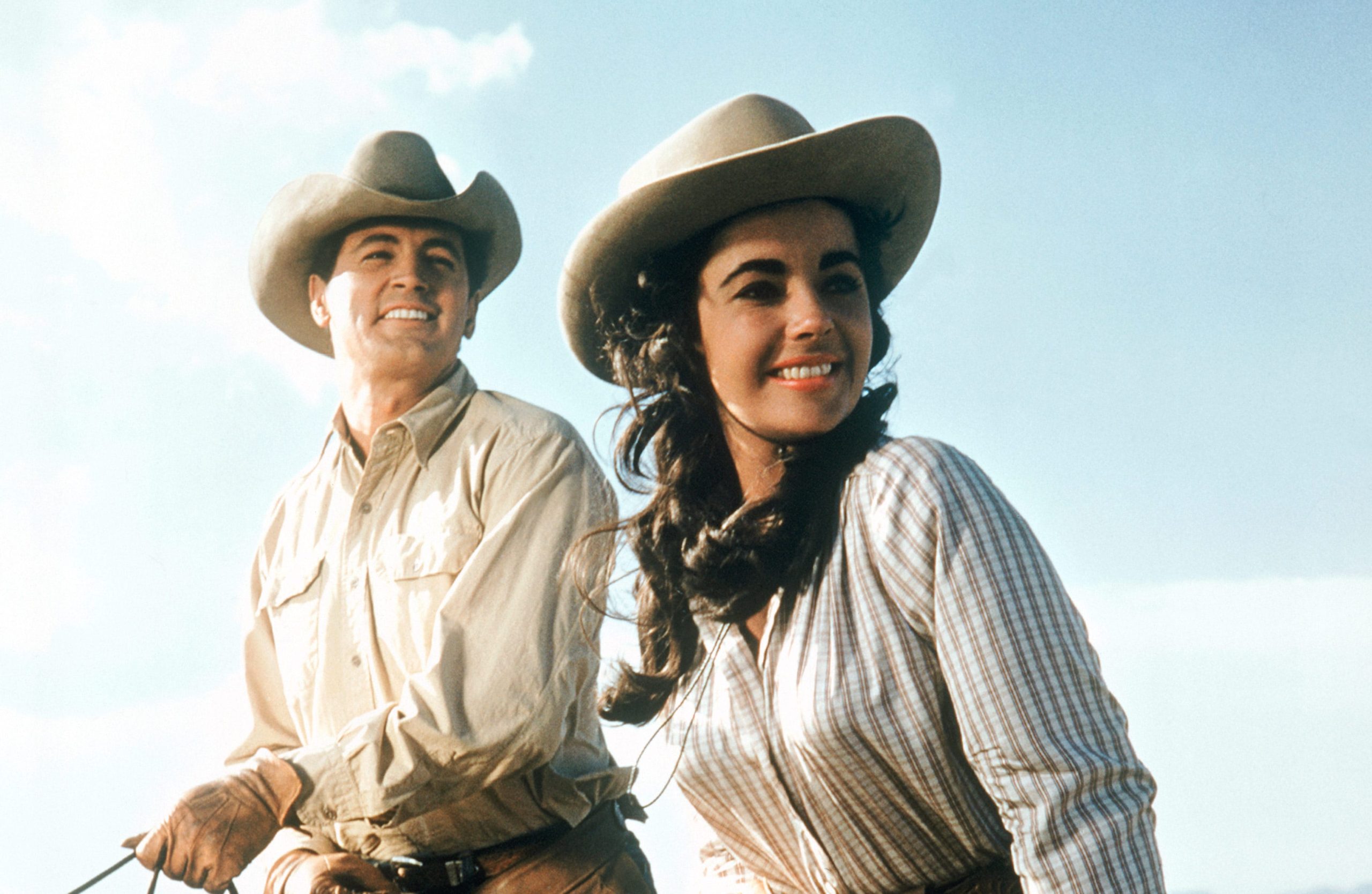
The film boasts an all-star cast, including Rock Hudson, Elizabeth Taylor, and James Dean. Hudson portrays Bick Benedict, the stoic and conservative patriarch of the family, while Taylor plays Leslie Benedict, a refined Eastern woman who challenges the traditional values of Texas society. James Dean delivers a powerful performance as Jett Rink, a rebellious oilman who challenges the Benedict family’s dominance.

A Timeless Tale of Change

Giant is a timeless tale of change and transformation. The film explores the impact of industrialization, urbanization, and social progress on the American Southwest. The characters’ struggles to adapt to a changing world reflect the broader societal shifts of the mid-20th century.

A Technical Marvel

The film’s stunning cinematography captures the vast and rugged beauty of the Texas landscape. The epic scale of the production, combined with the powerful performances of the cast, makes Giant a truly unforgettable cinematic experience.

A Legacy of Cinematic Greatness

Giant is a cinematic masterpiece that continues to inspire and entertain audiences. Its exploration of timeless themes, such as love, loss, and the American Dream, makes it a relevant and enduring film. The film’s legacy is cemented by its iconic performances, stunning visuals, and its portrayal of the changing face of America.

Les Grandes Manœuvres (1955): A Romance Amidst Military Preparations

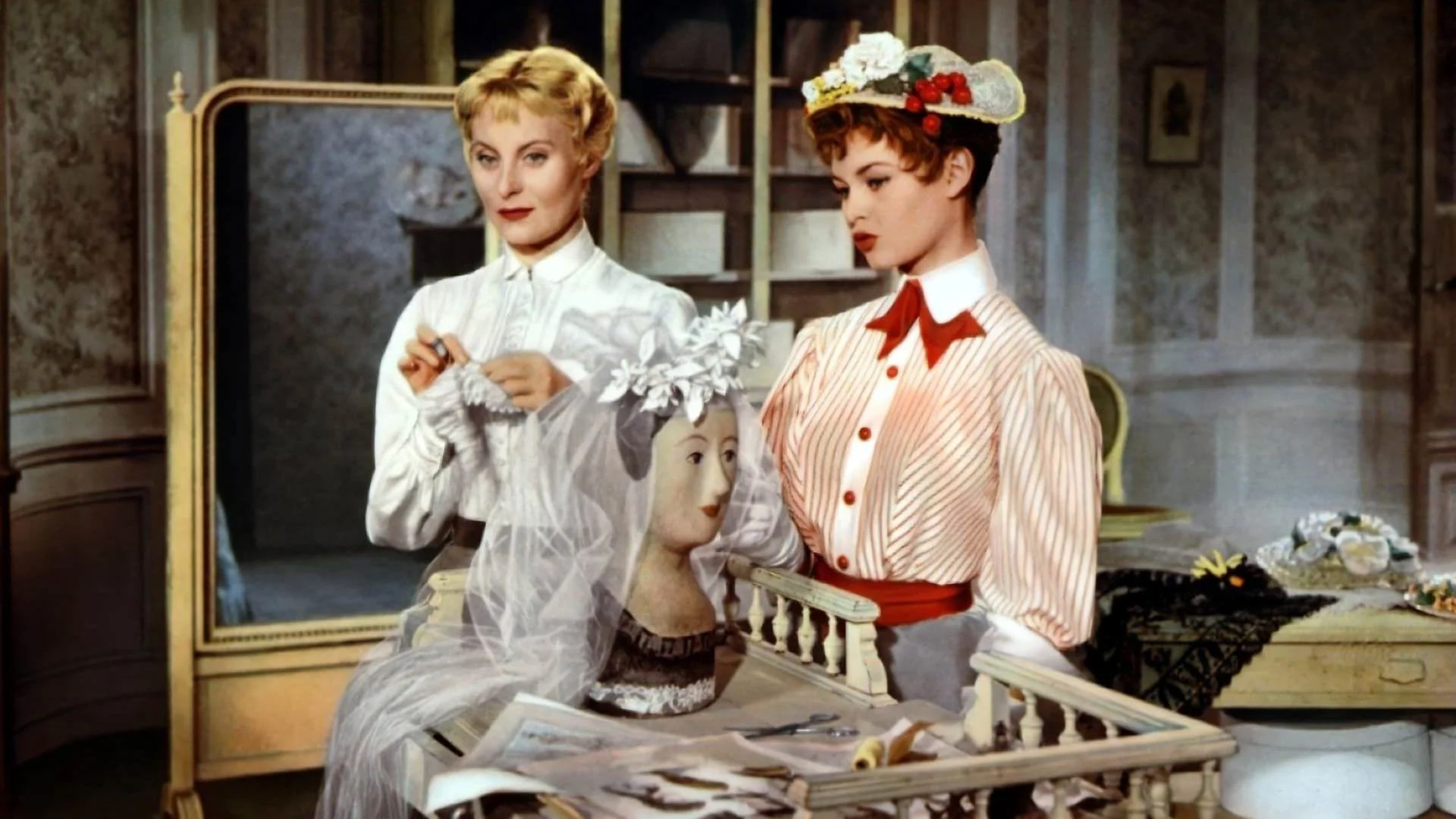
mchec.org – “Les Grandes Manœuvres,” directed by René Clair, is a classic French romantic comedy-drama released in 1955. Set in a picturesque French garrison town at the turn of the 20th century, the film weaves a charming tale of love, pride, and the whims of fate. With an impressive cast that includes Michèle Morgan and Gérard Philipe, it remains a beloved piece of French cinema.

Plot Summary

The story unfolds around the dashing Lieutenant Armand de La Verne, played by Gérard Philipe, who makes a wager with his fellow officers that he can seduce any woman of their choosing before the commencement of military maneuvers. The chosen target is Marie-Louise Rivière, a beautiful and independent divorcee portrayed by Michèle Morgan. As Armand sets out to win her heart, he finds himself genuinely falling in love, leading to unexpected complications and emotional turmoil.

Characters and Performances

Gérard Philipe delivers a charismatic performance as Lieutenant Armand, capturing the character’s transformation from a confident seducer to a man deeply in love. Michèle Morgan brings grace and depth to her role as Marie-Louise, skillfully portraying her character’s initial skepticism and eventual vulnerability. The supporting cast, including Jean Desailly and Brigitte Bardot in a smaller role, enhances the film’s charm and wit.

Cinematic Significance

“Les Grandes Manœuvres” is celebrated for its elegant blend of comedy and drama, set against the backdrop of military life. René Clair’s direction is marked by a keen sense of timing and visual style, effectively capturing the nuances of romance and societal norms of the early 20th century. The film’s period setting, costumes, and set design contribute to its nostalgic and enchanting atmosphere.

Conclusion

In summary, “Les Grandes Manœuvres” is a delightful exploration of love and honor, set within the confines of military tradition. The film’s engaging storyline, coupled with outstanding performances by its lead actors, ensures its status as a classic in French cinema. For audiences seeking a blend of romance, humor, and historical charm, “Les Grandes Manœuvres” offers a captivating experience.

Marlina the Murderer in Four Acts (2017)

mchec.org – “Marlina si Pembunuh dalam Empat Babak,” internationally known as “Marlina the Murderer in Four Acts,” is a 2017 Indonesian film directed by Mouly Surya. This critically acclaimed film combines elements of Western and feminist cinema to tell a powerful story of survival and empowerment. Premiering at the Cannes Film Festival in the Directors’ Fortnight section, the film has been celebrated for its unique narrative style and striking visual storytelling.

Plot Summary

Set against the arid landscapes of Sumba, Indonesia, the film follows Marlina, a widow living in isolation. Her life takes a dramatic turn when a gang of robbers invades her home, threatening her and her possessions. In an act of self-defense, Marlina kills the leader of the gang, setting off on a transformative journey to seek justice. The film is structured into four distinct acts, each exploring different facets of Marlina’s quest and her evolving sense of empowerment.

Themes and Symbolism

“Marlina the Murderer in Four Acts” tackles themes of justice, female empowerment, and resilience. It presents Marlina’s journey as a metaphor for reclaiming autonomy and confronting societal oppression. The film’s narrative structure and visual language draw heavily from the Western genre, with Marlina cast in the role of a lone, determined figure seeking retribution. This blend of cultural elements creates a rich tapestry that challenges traditional gender roles and highlights the strength of its protagonist.

Cinematography and Style

The film is renowned for its breathtaking cinematography, capturing the stark beauty of Sumba’s landscapes. Cinematographer Yunus Pasolang uses wide shots and natural lighting to enhance the film’s atmospheric quality, creating a visual contrast between the vastness of the environment and Marlina’s intimate personal journey. The film’s pacing and minimalist dialogue further emphasize the tension and emotional depth of the story.

Reception and Impact

“Marlina the Murderer in Four Acts” received widespread acclaim for its innovative storytelling and strong feminist message. It was praised for its bold direction, compelling performances, and its ability to blend genre conventions with cultural narratives. The film’s success at international film festivals helped bring Indonesian cinema to a global audience, showcasing the diversity and creativity of the country’s filmmakers.

Conclusion

“Marlina the Murderer in Four Acts” is a landmark film in Indonesian cinema, offering a compelling narrative of empowerment and justice. Through its unique blend of Western and feminist elements, the film challenges viewers to reconsider notions of strength and autonomy. Mouly Surya’s masterful direction and the film’s evocative storytelling continue to resonate with audiences, solidifying its place as a powerful and influential work in contemporary cinema.

A Cinematic Journey into “Vizontele”

mchec.org – “Vizontele” is a celebrated Turkish film that captures the essence of rural life in Turkey during the 1970s. Directed by Yılmaz Erdoğan and Ömer Faruk Sorak, the film blends comedy and drama to tell a poignant story about the arrival of a new technology in a small Anatolian village. In this article, we will explore the film’s narrative, its cultural impact, and the themes that make it a timeless classic.

The Story of “Vizontele”

Set in the early 1970s, “Vizontele” revolves around the introduction of television to a remote Turkish village. The film’s title is a humorous take on how the villagers mispronounce “vision tele,” reflecting the novelty and mystery of television. The arrival of this new technology creates a stir in the village, sparking curiosity, excitement, and a bit of chaos.

The story centers on the village’s quirky inhabitants, including the mayor, Nazmi, who is determined to bring television to the village, and the eccentric Deli Emin, whose mechanical skills are put to the test as he attempts to make the television work. Through their eyes, we witness the village’s transformation and the varied reactions of its residents.

Themes of Change and Tradition

At its core, “Vizontele” explores the tension between tradition and modernity. The film depicts how the introduction of television—a symbol of progress and change—affects the villagers’ way of life. While some embrace the new technology with enthusiasm, others are skeptical, fearing the erosion of traditional values and customs.

This theme is further highlighted through the characters’ interactions and personal stories, illustrating the broader societal changes taking place in Turkey during this period. The film captures the bittersweet nature of progress, acknowledging both its potential benefits and the disruption it can cause.

Cultural Impact

“Vizontele” holds a special place in Turkish cinema for its authentic portrayal of rural life and its insightful commentary on societal change. The film resonated with audiences for its humor, heartfelt storytelling, and relatable characters, becoming a box-office success and a beloved classic.

The film’s cultural impact extends beyond its humor and entertainment value. It offers a window into the lives of ordinary people, reflecting the hopes, fears, and dreams of a community on the brink of change. Its universal themes of adaptation and resilience continue to resonate with audiences both in Turkey and internationally.

The Charm of “Vizontele”

One of the film’s enduring charms is its rich tapestry of characters, each with their own quirks and personalities. From the earnest mayor to the lovable Deli Emin, the characters bring warmth and humor to the story, making the village feel like a place the audience knows and loves.

The film’s use of humor is both lighthearted and insightful, offering a gentle critique of societal norms and the challenges of modernization. This balance of comedy and drama allows “Vizontele” to explore complex themes while remaining accessible and entertaining.

Conclusion

“Vizontele” is a cinematic gem that captures the spirit of a bygone era with humor, heart, and insight. Its portrayal of change in a small village serves as a microcosm of broader societal shifts, offering timeless lessons about adaptation, community, and the enduring power of human connection. As viewers, we are invited to reflect on our own experiences with change and progress, making “Vizontele” a film that continues to resonate across generations.

“Tangerine”: A Vibrant Exploration of Transgender Lives

mchec.org – “Tangerine,” directed by Sean Baker and released in 2015, is a revolutionary film that broke new ground in both its storytelling and production. Shot entirely on an iPhone, the film offers an authentic and unfiltered look into the lives of transgender women in Los Angeles. This article explores the impact of “Tangerine” on LGBTQ+ cinema and its role in reshaping narratives around transgender experiences.

A Day in the Life

Set on Christmas Eve in Hollywood, “Tangerine” follows Sin-Dee Rella, a transgender sex worker, who discovers that her boyfriend and pimp, Chester, has been unfaithful. Alongside her best friend, Alexandra, Sin-Dee embarks on a quest to confront Chester and the woman with whom he cheated. The film captures the raw energy and resilience of its characters, offering a slice-of-life narrative that combines humor, drama, and moments of poignant reflection.

Authentic Representation

One of the most significant aspects of “Tangerine” is its commitment to authentic representation. The film stars two transgender women of color, Kitana Kiki Rodriguez as Sin-Dee and Mya Taylor as Alexandra, both of whom brought depth and authenticity to their roles. Their performances were widely praised for their honesty and vitality, marking a significant step forward in the representation of transgender individuals in film.

A Cinematic Innovation

“Tangerine” is notable not only for its narrative but also for its innovative production techniques. Shot using iPhone 5s smartphones, the film demonstrated that compelling stories could be told without the need for expensive equipment. This approach allowed for a guerilla-style filmmaking process, capturing the vibrant and gritty atmosphere of Los Angeles with immediacy and intimacy. The film’s visual style contributed to its unique aesthetic, blending the line between reality and fiction.

Impact on LGBTQ+ Cinema

Since its release, “Tangerine” has had a lasting impact on LGBTQ+ cinema. By centering the experiences of transgender women of color, the film challenged traditional storytelling norms and opened the door for more inclusive narratives in Hollywood. It also sparked conversations about the importance of representation both in front of and behind the camera, encouraging filmmakers to tell stories that reflect the diversity of the real world.

Conclusion

“Tangerine” stands out as a landmark film for its groundbreaking approach to storytelling and its dedication to authentic representation. The film’s success underscores the power of independent cinema to challenge conventions and push for greater inclusivity in the film industry. As audiences continue to embrace diverse narratives, “Tangerine” remains an inspiring example of how cinema can amplify marginalized voices and foster empathy and understanding.

Tantangan Seru Membuat Film Joker

Film “Joker” yang dirilis pada tahun 2019 menjadi salah satu film yang paling banyak dibicarakan, baik di kalangan penonton maupun kritikus. Disutradarai oleh Todd Phillips dan dibintangi oleh Joaquin Phoenix, film ini menawarkan perspektif yang unik tentang karakter ikonik dari DC Comics. Namun, di balik kesuksesannya, terdapat berbagai tantangan yang harus dihadapi dalam proses pembuatannya.

1. Pendekatan Naratif yang Berbeda

Salah satu tantangan utama dalam membuat “Joker” adalah pendekatan naratif yang berbeda dibandingkan dengan film superhero lainnya. Film ini tidak hanya menonjolkan aksi dan kekuatan super, tetapi lebih fokus pada aspek psikologis dan emosional dari karakter utama. Hal ini memerlukan penulisan skenario yang mendalam dan kompleks, untuk menggambarkan perjalanan Arthur Fleck dari seorang pelawak yang gagal menjadi penjahat yang ikonik.

2. Menangkap Esensi Karakter

Menampilkan karakter Joker yang telah dikenal luas sebelumnya menjadi tantangan tersendiri. Banyak aktor, termasuk Heath Ledger dan Jared Leto, telah memberikan interpretasi mereka terhadap karakter ini. Joaquin Phoenix harus menemukan cara untuk menghadirkan slot gacor Joker dengan cara yang segar dan orisinal, yang tetap menghormati warisan karakter tersebut. Proses ini melibatkan eksplorasi mendalam tentang psikologi dan trauma yang dialami Arthur Fleck.

3. Kontroversi dan Respon Publik

Tema-tema yang diangkat dalam “Joker,” seperti kekerasan, kesehatan mental, dan ketidakadilan sosial, menyebabkan beberapa kontroversi. Beberapa kritik muncul tentang bagaimana film ini mungkin memengaruhi penonton dan dapat memberikan inspirasi bagi tindakan kekerasan. Para pembuat film harus bersiap menghadapi respon publik yang beragam dan berusaha menjelaskan niat di balik narasi yang diambil.

4. Penggambaran Lingkungan Sosial

Film ini berfokus pada kehidupan di Gotham City yang kumuh dan penuh dengan ketidakadilan sosial. Menciptakan suasana yang realistis dan mendalam menjadi tantangan bagi tim produksi. Lokasi syuting, desain set, dan penggunaan warna serta pencahayaan harus diselaraskan untuk menciptakan atmosfer yang tepat dan mendukung narasi film.

5. Pengembangan Karakter dan Penampilan Aktor

Joaquin Phoenix melakukan transformasi fisik dan mental yang luar biasa untuk memerankan Arthur Fleck. Dia menurunkan berat badan secara signifikan dan melakukan riset mendalam tentang kondisi mental yang dialami oleh karakter tersebut. Proses ini bukan hanya tantangan bagi Phoenix, tetapi juga bagi tim produksi yang harus menciptakan momen-momen kunci dalam film yang bisa menggambarkan perjalanan emosional karakter dengan akurat.

6. Musik dan Suara

Komposisi musik oleh Hildur Guðnadóttir menjadi elemen penting dalam menciptakan suasana film. Musik yang menghantui dan emosional membantu menggarisbawahi perjalanan karakter dan menambah kedalaman cerita. Menciptakan soundtrack yang tepat untuk momen-momen kunci dalam film merupakan tantangan tersendiri yang harus dihadapi oleh tim kreatif.

Kesimpulan

Pembuatan film “Joker” adalah perjalanan yang penuh dengan tantangan, mulai dari penulisan skenario hingga penggambaran karakter dan pengaruhnya terhadap masyarakat. Meskipun tantangan tersebut ada, hasil akhirnya adalah sebuah film yang berani dan mengundang diskusi. “Joker” berhasil menyajikan cerita yang bukan hanya tentang kejahatan, tetapi juga tentang manusia, emosi, dan dampak dari lingkungan sosial yang keras. Keberanian untuk mengeksplorasi tema-tema berat dan menciptakan karakter yang kompleks menjadikan “Joker” sebagai salah satu film paling ikonik dalam sejarah perfilman.

The Colors of the Mountain: Innocence Amidst Conflict

mchec.org – “Los Colores de la Montaña” (The Colors of the Mountain) is a poignant Colombian-Panamanian film directed by Carlos César Arbeláez, released in 2010. It provides a vivid portrayal of childhood innocence juxtaposed against the harsh realities of life in a conflict-ridden rural village in Colombia. The film is celebrated for its authentic depiction of the social and political turmoil in the region, seen through the eyes of a young boy and his friends. This article delves into the film’s narrative, themes, and its broader cultural implications.

A Story Set Against the Backdrop of Conflict

The narrative follows Manuel, a nine-year-old boy with a passion for soccer. He lives in a mountainous region of Colombia, where the daily lives of the villagers are disrupted by the ongoing conflict between guerrilla forces and paramilitary groups. Despite the omnipresent danger, Manuel and his friends are determined to retrieve their soccer ball, which lands in a minefield—a poignant metaphor for the innocence and resilience of childhood amidst chaos.

Themes of Innocence and Resilience

One of the central themes of “Los Colores de la Montaña” is the endurance of childhood innocence. The film captures the children’s unwavering spirit and their ability to find joy and hope in the simplest of pleasures, such as playing soccer. This contrasts sharply with the adults’ world, filled with fear and uncertainty. The film also addresses the impact of violence on communities, highlighting the struggles of rural families caught in the crossfire.

Cinematic Techniques and Storytelling

Arbeláez’s direction uses naturalistic cinematography to highlight the breathtaking beauty of the Colombian landscape, which stands in stark contrast to the grim reality of the characters’ lives. The film’s use of non-professional actors adds authenticity and depth to the portrayal of rural Colombian life. Through its subtle storytelling and powerful visuals, the movie evokes empathy and reflection, encouraging viewers to consider the broader socio-political issues at play.

Cultural and Social Impact

“Los Colores de la Montaña” has been praised for shedding light on the often-overlooked stories of rural Colombia. It provides a platform for discussing the effects of armed conflict on children and the importance of education and peace in transforming societies. The film’s international acclaim has helped raise awareness about Colombia’s internal struggles and the resilience of its people.

Conclusion

“Los Colores de la Montaña” is not just a film about the hardships of life in a conflict zone; it is a celebration of the unyielding spirit of childhood and the enduring hope for a better future. Through its compelling narrative and authentic portrayal of Colombian life, it invites audiences worldwide to reflect on the universal themes of innocence, resilience, and the quest for peace.