The Enchanting Beauty of the Fairy Duster Flower

mchec.org – The Fairy Duster (Calliandra eriophylla) is a striking and unique plant known for its whimsical, brush-like flowers and delicate, feathery appearance. Native to the southwestern United States and northern Mexico, the Fairy Duster has earned a reputation for its ability to thrive in arid climates and its captivating display of vibrant pink or red blooms. Often seen as a symbol of desert beauty, this flower brings a touch of magic and elegance to any garden.

What Makes the Fairy Duster Flower Special?

The Fairy Duster flower is notable for its fluffy, powder-puff-like clusters of tiny petals, which resemble delicate dusters or brushes, giving the plant its whimsical name. These flowers bloom in shades of bright pink or red and are highly attractive to pollinators, including hummingbirds and bees. Despite their delicate appearance, the Fairy Duster is a hardy plant that thrives in dry, desert-like conditions, making it an ideal choice for xeriscaping or low-water gardens.

Another unique feature of the Fairy Duster is its ability to bloom year-round, especially in warmer climates, ensuring that gardens remain colorful and vibrant even in the heat of summer. The plant’s fine, fern-like leaves further contribute to its ethereal and fairy-like charm.

Key Features of the Fairy Duster Flower

  • Vibrant Blooms: The most striking characteristic of the Fairy Duster is its showy, powdery pink or red flowers. These blossoms are made up of many long, thin stamens that create a fluffy, cloud-like effect. The flowers are highly attractive to pollinators, making the plant an excellent choice for wildlife-friendly gardens.
  • Resilience: The Fairy Duster is well-suited to dry, arid climates. It is drought-tolerant, thrives in poor soil, and is resistant to heat, making it an ideal plant for xeriscaping or low-water landscapes.
  • Year-Round Blooming: In regions with mild winters, the Fairy Duster can bloom throughout the year. Its long blooming period ensures that it provides continuous color in the garden.
  • Compact Size: The Fairy Duster is typically a small shrub, reaching heights of around 3 to 4 feet. This compact size makes it suitable for both large gardens and smaller spaces such as containers or rock gardens.

Symbolism of the Fairy Duster Flower

The Fairy Duster flower’s delicate and enchanting appearance makes it a symbol of beauty, grace, and mystery. Its ethereal blooms, which resemble tiny clouds of fairy dust, evoke a sense of magic and whimsy. The Fairy Duster is also associated with resilience, as it thrives in harsh, dry environments where other plants might struggle.

In many cultures, the flower is considered a symbol of adaptability and strength, as it can withstand extreme conditions and continue to thrive, much like the mythical fairies it is named after.

Growing the Fairy Duster Flower

The Fairy Duster is relatively easy to grow, especially in desert or arid environments. Here are some tips for cultivating this magical plant:

  • Sunlight: The Fairy Duster thrives in full sun and needs at least six hours of direct sunlight each day to bloom at its best.
  • Soil: While it can tolerate poor soil, the Fairy Duster prefers well-draining soil that is slightly alkaline. It does best in sandy or gravelly soil, typical of desert environments.
  • Watering: The Fairy Duster is drought-tolerant and should be watered infrequently once established. Over-watering can lead to root rot, so it’s essential to let the soil dry out between waterings.
  • Pruning: Light pruning after the flowering period will help maintain the shape of the plant. Removing spent blooms and any dead or damaged branches will encourage new growth and a tidy appearance.

Uses of the Fairy Duster Flower

  • Ornamental Landscaping: Due to its striking flowers and compact size, the Fairy Duster is often used as an ornamental plant in gardens, particularly in xeriscaping, where water conservation is a priority.
  • Wildlife Gardens: The plant’s attractive blooms and ability to attract hummingbirds and bees make it an excellent choice for pollinator-friendly gardens.
  • Container Gardening: The Fairy Duster’s compact size makes it suitable for container gardening, where it can be grown on patios or balconies, adding a touch of desert charm to urban spaces.

Conclusion

The Fairy Duster flower is a true testament to nature’s beauty and resilience. With its enchanting blooms, ability to thrive in harsh environments, and its appeal to pollinators, this unique plant makes a perfect addition to any garden. Whether you’re designing a low-water landscape or seeking a plant that can add a touch of magic to your outdoor space, the Fairy Duster is sure to captivate with its whimsical charm and enduring elegance.

Canna Lily: A Tropical Beauty with Vibrant Appeal

mchec.org – The Canna Lily (Canna indica) is a stunning flowering plant known for its bold, colorful blooms and lush, tropical foliage. Often associated with warm, tropical climates, the Canna Lily has become a popular addition to gardens and landscapes worldwide due to its striking appearance and ease of growth. Whether planted in garden beds, borders, or containers, these exotic flowers provide an instant splash of color and a touch of the tropics to any setting.

Botanical Description

Canna Lilies are herbaceous perennials that belong to the family Cannaceae. They grow from rhizomes, which help the plant store nutrients and survive through varying conditions. The plant’s height can range from 3 to 8 feet, depending on the variety. Canna Lilies are easily recognized by their large, banana-like leaves that come in shades of green, burgundy, or variegated patterns.

The showy flowers of the Canna Lily are its most striking feature. The blooms, which can appear in shades of red, orange, yellow, pink, or white, emerge on tall stalks and often last throughout the summer months. These flowers are slightly asymmetrical and have a tropical look, with some varieties having fringed or ruffled petals.

Habitat and Growth Conditions

Although native to tropical and subtropical regions of Central and South America, Canna Lilies have been widely cultivated and can thrive in a variety of climates. They prefer full sun and grow best in rich, well-draining soil. While they can tolerate a range of soil types, they thrive when given moist, fertile ground. In fact, Canna Lilies can even grow in wet conditions, making them ideal for planting near ponds or water features.

Canna Lilies are hardy in USDA zones 7 to 11. In colder regions, the rhizomes can be dug up and stored during the winter months, allowing them to be replanted in the spring once temperatures rise.

Ecological Importance

In addition to their ornamental value, Canna Lilies play an important role in supporting pollinators. The vibrant flowers attract bees, butterflies, and hummingbirds, providing a reliable source of nectar throughout the growing season. Some species of Canna are also used in wetlands and water purification projects due to their ability to thrive in waterlogged conditions and filter pollutants from the soil.

Cultivation and Care

Growing Canna Lilies is relatively easy, making them a popular choice for gardeners of all skill levels. The plants are typically grown from rhizomes, which can be planted in the spring after the threat of frost has passed. For best results, plant the rhizomes about 2 to 3 inches deep in well-drained soil with plenty of sunlight.

Canna Lilies need regular watering, especially during hot, dry periods. While they can tolerate short periods of drought, they prefer consistently moist soil. Fertilizing the plants with a balanced fertilizer every 4 to 6 weeks during the growing season can promote lush foliage and vibrant blooms.

To keep the plants looking their best, it’s recommended to deadhead spent flowers and remove any yellowing or damaged leaves. In regions with cold winters, gardeners should dig up the rhizomes in the fall, store them in a cool, dry place, and replant them in the spring.

Ornamental Uses

Canna Lilies are prized for their bold, tropical appearance, making them a fantastic choice for creating a dramatic focal point in the garden. They work well in mixed borders, large containers, or as a backdrop to lower-growing plants. Their large leaves and tall flower stalks create an impressive visual display, whether planted in formal gardens, tropical landscapes, or near water features.

In addition to their use in ornamental gardens, Canna Lilies are sometimes grown for their edible rhizomes, which are used in some cultures for cooking. The plant’s leaves are also used in basket weaving and other traditional crafts in certain regions.

Conclusion

The Canna Lily is an eye-catching plant that brings a touch of tropical elegance to any garden. With its bold, colorful blooms and lush foliage, it adds a dramatic flair to landscapes and provides essential support to pollinators. Whether grown in sunny garden beds, borders, or large pots, Canna Lilies are sure to make a statement. Their low-maintenance nature and versatility in a range of climates make them a favorite among gardeners looking to add vibrant, long-lasting beauty to their outdoor spaces.

Bikin Deg-Degan! Ini 10 Judi yang Paling Banyak Dimainin Pemain

mchec.org – Judi adalah salah satu jenis hiburan yang nggak hanya seru, tapi juga bisa bikin adrenalin kamu naik turun. Kalau kamu suka dengan sensasi deg-degan saat bertaruh, ada banyak jenis judi yang bisa bikin kamu terjebak dalam ketegangan, sekaligus memberi kesempatan untuk menang besar! Di artikel ini, saya bakal bahas 10 judi yang paling banyak dimainkan dan pastinya bakal bikin kamu penasaran.

1. Judi Bola

Judi bola selalu jadi primadona buat para penggemar olahraga, terutama buat mereka yang mengikuti liga-liga besar dunia seperti Liga Inggris, La Liga, dan tentu saja Piala Dunia. Di sini, kamu bisa bertaruh pada berbagai hal, seperti siapa yang akan menang, berapa banyak gol yang tercipta, atau bahkan siapa yang bakal jadi pencetak gol terbanyak. Setiap pertandingan selalu seru dan bikin deg-degan!

2. Poker

Poker, terutama Texas Hold’em, nggak pernah sepi peminat. Baik di kasino fisik maupun online, poker terus menarik para pemain yang ingin mengasah kemampuan strategi mereka. Dengan kombinasi kartu yang selalu berubah, permainan ini menggabungkan skill, strategi, dan sedikit keberuntungan. Siapa yang bisa menahan ketegangan ketika kartu terakhir dibuka?

3. Blackjack

Kalau kamu suka permainan kartu yang nggak cuma mengandalkan keberuntungan, blackjack bisa jadi pilihan yang tepat. Pemain harus mendekati angka 21 tanpa melewatinya. Setiap kartu yang dibagikan menambah ketegangan, apalagi jika kamu sedang berada di meja bersama pemain lainnya. Sensasi saat kamu hampir mencapai 21 dan menunggu hasilnya pasti bikin deg-degan!

4. Roulette

Mesin roulette berputar, bola bergulir, dan seluruh kasino bisa menjadi sunyi sejenak saat bola mendekati angka pilihanmu. Permainan klasik ini selalu berhasil menarik perhatian para pemain karena keberuntungannya yang benar-benar acak. Dengan banyak pilihan taruhan, mulai dari angka spesifik hingga warna atau kolom, roulette selalu bikin deg-degan hingga akhir.

5. Slot Machines

Mesin slot atau slot machines adalah permainan yang mengandalkan keberuntungan murni. Meskipun tampak sederhana, mesin slot punya banyak penggemar karena keseruan dan hadiah besar yang bisa didapat. Mulai dari jackpot yang bisa mencapai jutaan hingga bonus spins, setiap putaran selalu menyuguhkan ketegangan tersendiri. Siapa tahu kamu bisa jadi orang yang beruntung kali ini?

6. Baccarat

Baccarat adalah permainan kartu yang cukup mudah dimainkan. Pemain hanya perlu memilih apakah tangan pemain atau tangan banker yang akan menang. Walaupun permainannya simpel, atmosfer di meja baccarat selalu penuh ketegangan. Dengan banyak taruhan yang bisa dipilih, pemain harus mempertimbangkan berbagai strategi, yang membuat setiap permainan semakin seru.

7. Craps

Craps adalah permainan dadu yang sangat terkenal di kasino. Di sini, pemain bertaruh pada hasil lemparan dadu yang bisa menciptakan momen dramatis. Setiap kali dadu dilempar, ketegangan langsung terasa, karena hasilnya bisa sangat beragam. Terlebih lagi, banyaknya pilihan taruhan memberikan sensasi lebih saat bermain.

8. Pacuan Kuda

Pacuan kuda adalah salah satu jenis judi olahraga yang sangat seru dan penuh ketegangan. Pemain bisa bertaruh pada kuda mana yang akan memenangkan balapan, dan ini bisa dilakukan dengan berbagai cara. Dari yang sederhana hingga taruhan kompleks seperti taruhan exacta (memilih dua kuda dalam urutan tertentu), pacuan kuda selalu memberi pengalaman seru dan adrenalin tinggi.

9. E-Sports Betting

Judi pada pertandingan e-sports semakin digemari, terutama di kalangan para penggemar game. Taruhan pada permainan video game kompetitif seperti Dota 2, League of Legends, dan CS:GO menawarkan pengalaman yang berbeda dengan judi lainnya. Dengan taruhan pada tim atau pemain favorit, e-sports betting adalah jenis judi yang semakin populer di kalangan muda.

10. Sic Bo

Sic Bo adalah permainan dadu yang berasal dari Cina dan kini menjadi favorit di kasino-kasino Asia. Pemain bertaruh pada hasil dari tiga dadu yang diguncang di dalam wadah tertutup. Dengan berbagai pilihan taruhan yang bisa dipilih, Sic Bo menambah ketegangan dan keseruan bagi pemain yang mencari tantangan.

Jadi, kalau kamu ingin merasakan sensasi deg-degan dalam berjudi, kamu bisa mencoba salah satu dari 10 jenis judi yang paling populer ini. Semua permainan ini memiliki keseruan dan ketegangan tersendiri yang membuat pengalaman bermain judi semakin memikat. Selalu ingat untuk bermain dengan bijak dan nikmati permainannya dengan tanggung jawab!

Bearberry: A Resilient Groundcover with Charming Blooms and Berries

mchec.org – Bearberry, scientifically known as Arctostaphylos uva-ursi, is a low-growing evergreen shrub that thrives in harsh environments, making it a perfect choice for challenging landscapes. Known for its small but striking flowers, glossy green leaves, and vibrant red berries, Bearberry is a plant that offers both ornamental beauty and practical benefits in the garden. It’s often used as ground cover, erosion control, and in rock gardens, but it also carries cultural significance in various regions.

Appearance and Characteristics

Bearberry is a compact shrub that typically reaches a height of 6 to 12 inches (15 to 30 cm) and spreads outward to form a dense mat of greenery. Its small, leathery leaves are evergreen, meaning they remain green throughout the winter, offering year-round interest. The plant’s stems are woody, and it often forms a sprawling, low-maintenance groundcover in natural landscapes.

In spring, Bearberry produces small, urn-shaped flowers that range from white to pale pink. These flowers grow in clusters and have a delicate, sweet scent. They bloom in late spring to early summer, attracting pollinators such as bees and butterflies. Once the flowers fade, the plant begins to develop its most distinctive feature—bright red berries, which ripen in late summer or early fall. These berries are often a favorite of wildlife, particularly bears (hence the name “Bearberry”), and birds, though they are not typically consumed by humans due to their mild toxicity.

The plant’s vibrant red berries provide an eye-catching contrast against the evergreen leaves, making Bearberry a valuable addition to gardens that seek year-round interest.

Growing Conditions and Care

Bearberry is a hardy plant that thrives in poor, well-drained soils, making it perfect for areas with sandy or rocky conditions. It is native to the Northern Hemisphere, including parts of North America, Europe, and Asia, and is well-suited to cooler climates. Bearberry prefers acidic to neutral soils and does best in areas that receive full sun to partial shade.

One of the main attractions of Bearberry is its drought tolerance. Once established, the plant requires little water and can thrive in dry, sandy soils, making it an excellent choice for xeriscaping or low-water gardens. It also tolerates a wide range of soil types and can grow in areas that are inhospitable to many other plants.

Bearberry is a slow-growing plant, and it may take a few years to establish a dense mat of growth. However, once established, it is relatively low-maintenance. The plant does not require frequent pruning, but removing dead or damaged stems can help maintain its tidy appearance. In the winter, Bearberry may benefit from protection in extremely cold climates, but it is generally frost-hardy.

Benefits and Uses

Bearberry has many practical uses in landscaping and gardening. As a ground cover, it is excellent for preventing soil erosion on slopes or in areas with poor soil. Its dense growth habit helps stabilize the soil and prevent weeds from taking root. Bearberry is also a good choice for filling in between rocks in rock gardens or along pathways where other plants may struggle to grow.

In addition to its use as ground cover, Bearberry has ornamental value due to its year-round interest. The small white or pink flowers in spring, glossy green leaves in summer, and bright red berries in fall make it an attractive plant in various garden settings. It also works well in native plant gardens, cottage gardens, or woodland gardens, where it can blend seamlessly into the natural landscape.

Moreover, Bearberry is an important plant for wildlife. The berries are a food source for various animals, including birds, deer, and bears, which help spread the plant’s seeds. Its dense growth also provides shelter for small animals.

Symbolism and Medicinal Uses

Bearberry has a long history of medicinal use, particularly in traditional herbal medicine. The leaves of the plant contain compounds that have been used as an astringent and diuretic, and it has been employed in the treatment of urinary tract infections (UTIs) and kidney problems. However, it should be used with caution, as large amounts can be toxic. Always consult a healthcare professional before using Bearberry for medicinal purposes.

In some cultures, Bearberry is also associated with strength and resilience due to its ability to thrive in harsh environments. The plant’s name, “Arctostaphylos uva-ursi,” translates to “bear’s grape,” which further ties it to the symbolism of endurance and survival in the wild.

Conclusion

Bearberry is a versatile and resilient plant that offers numerous benefits for gardeners and landscapers. Whether used for ground cover, erosion control, or simply as an ornamental addition, its evergreen leaves, delicate flowers, and vibrant berries provide year-round interest. Its low-maintenance nature and ability to thrive in challenging conditions make it an ideal choice for gardeners looking for a hardy and attractive plant. With its wildlife-friendly qualities and cultural significance, Bearberry is a valuable addition to any garden.

African Marigold: A Bold and Brilliant Garden Favorite

mchec.org – The African Marigold, scientifically known as Tagetes erecta, is a vibrant and hardy annual that brings stunning color to gardens and landscapes. Known for its large, pom-pom-like blooms in shades of yellow, orange, and gold, the African marigold is a popular choice for gardeners who want bold, long-lasting flowers with minimal effort. Native to Mexico, these marigolds are widely cultivated for their ability to thrive in hot, sunny climates and their many benefits for gardens.

Features of the African Marigold

  1. Large, Eye-Catching Blooms: One of the most notable features of the African marigold is its large, showy flowers, which can reach up to 4 inches in diameter. These blooms appear in warm, bright colors like orange, yellow, and gold, creating a striking contrast in the garden. African marigolds are known for their full, round flower heads, which resemble pom-poms or chrysanthemums.
  2. Long Blooming Season: African marigolds have a long flowering period, typically blooming from early summer through to the first frost. This extended blooming time makes them a valuable addition to flower beds and borders, providing consistent color throughout the growing season.
  3. Drought and Heat Tolerant: African marigolds are well-suited to hot, dry climates. Their ability to tolerate drought and thrive in full sun makes them a low-maintenance option for gardeners in regions with warm temperatures and limited rainfall.
  4. Pest Deterrent: African marigolds are known for their ability to repel certain pests, making them an excellent companion plant in vegetable gardens. Their scent is thought to deter harmful insects like aphids, nematodes, and whiteflies. As a result, many gardeners plant African marigolds near crops such as tomatoes, peppers, and beans.
  5. Attractive Foliage: In addition to their beautiful flowers, African marigolds have finely divided, dark green foliage that adds texture and depth to the garden. Their leaves have a mildly pungent aroma, which contributes to their pest-repelling properties.
  6. Tall, Upright Growth: African marigolds tend to grow taller than their French marigold counterparts, reaching heights of 12-36 inches, depending on the variety. Their upright growth habit makes them ideal for the back of borders, as they provide height and structure to garden displays.

Growing and Caring for African Marigolds

  • Sunlight: African marigolds thrive in full sun and should be planted in areas that receive at least six hours of direct sunlight daily. They perform best in sunny conditions and produce the most abundant blooms with plenty of light.
  • Soil: These marigolds prefer well-drained soil but can tolerate a variety of soil types, including sandy or clay soils. Ensure the soil drains well to prevent root rot.
  • Watering: While African marigolds are drought-tolerant, they still need regular watering, especially during dry spells or when first planted. Water them deeply but allow the soil to dry between watering sessions to avoid waterlogged roots.
  • Fertilizing: African marigolds do not require heavy feeding but benefit from light fertilization during the growing season. A balanced fertilizer can be applied once or twice a season to encourage healthy growth and abundant blooms.
  • Deadheading: Removing spent flowers (deadheading) encourages new blooms and helps keep the plant looking tidy. Regular deadheading ensures continuous flowering throughout the season.

Uses of African Marigolds in the Garden

African marigolds are versatile plants that can be used in a variety of garden settings. They are ideal for flower beds, borders, and containers, providing a burst of color that complements other flowering plants. Their tall stature makes them perfect for creating height in garden displays, while their bold, cheerful blooms make them an eye-catching addition to mass plantings.

African marigolds are also commonly used in companion planting. Their ability to repel pests makes them valuable in vegetable gardens, where they help protect crops from harmful insects. Additionally, they are a popular choice for pollinator gardens, as their bright colors attract bees, butterflies, and other beneficial pollinators.

Conclusion

The African Marigold is a standout annual that offers gardeners a winning combination of vibrant color, easy maintenance, and pest-repelling benefits. With its large, showy blooms, drought tolerance, and long-lasting flowers, this marigold variety is perfect for sunny gardens and landscapes. Whether used as a border plant, in containers, or as part of a companion planting scheme, the African marigold is a beautiful and reliable addition to any garden.

Princess Aiko: The Future of Japan’s Imperial Family

mchec.org – Princess Aiko, born on December 1, 2001, is the only child of Emperor Naruhito and Empress Masako of Japan. As the daughter of the 126th Emperor of Japan, Princess Aiko holds a unique and prominent position within the Japanese imperial family. Her birth marked both a personal milestone for her parents and a national moment of significance, as the Japanese monarchy has traditionally been passed through male heirs, sparking important discussions about the future of Japan’s imperial succession laws.

Despite the challenges of her early life, Princess Aiko has grown into a poised and intelligent young woman. Her journey to adulthood has been closely observed by both the Japanese public and the international community, particularly given her prominent place in the monarchy’s lineage and the shifting conversations about gender equality within the imperial family.

Early Life and Education

Princess Aiko was born to Emperor Naruhito and Empress Masako at the Imperial Household’s Akasaka Palace in Tokyo. As the only child of the couple, she was welcomed with great joy and celebration, but also with intense public scrutiny due to the ongoing discussions surrounding the possibility of female succession to the throne.

Growing up in the public eye, Princess Aiko’s life was marked by both the privileges and pressures of her position. Her early years were spent under the close care and attention of her parents, who have emphasized a nurturing and well-rounded upbringing. Empress Masako, in particular, has played an important role in guiding her daughter, and their relationship has been one of mutual support, particularly after the Empress’s own struggles with health and public scrutiny.

Princess Aiko’s education has been a significant aspect of her development. Like other members of the imperial family, she was initially educated within the confines of the Imperial Household, but later, she attended the prestigious Gakushuin School in Tokyo. At Gakushuin, Princess Aiko was able to experience a more typical education, alongside other students of her age, while still being carefully guided by the imperial family’s advisers.

Princess Aiko’s academic interests are varied, and she has shown a particular aptitude for foreign languages. Fluent in both Japanese and English, she has also learned French and is known to be interested in history and the arts. Her education reflects her parents’ belief in providing her with a well-rounded perspective, and she has demonstrated a mature approach to her studies and public responsibilities.

Royal Duties and Public Appearances

As the only daughter of the Emperor and Empress, Princess Aiko has begun to take on ceremonial and public duties within the royal family. Though she is not yet old enough to assume a significant role in the imperial family’s official functions, she has accompanied her parents on several occasions and is seen as part of the younger generation of the royal family who will help carry Japan’s traditions into the future.

Princess Aiko’s appearances are often marked by the dignified composure she displays in public settings. She is frequently seen attending royal events such as New Year’s greetings, official ceremonies, and family gatherings. In addition, she has participated in state functions both in Japan and abroad, representing the imperial family alongside her parents. Despite her relatively young age, her poised demeanor and articulate nature have made her a respected figure among the Japanese people.

One of the most significant events that Princess Aiko has attended was the enthronement ceremony of her father, Emperor Naruhito, in 2019. The ceremony, marking the beginning of the Reiwa era, was a momentous occasion, and Princess Aiko’s presence underscored her role in the future of the monarchy. As the only child of the Emperor and Empress, her participation in such events is seen as a vital representation of the next generation of the imperial family.

The Debate on Succession and Gender Equality

Princess Aiko’s position within the Japanese imperial family has sparked ongoing discussions about gender and succession. According to Japan’s current imperial law, the throne can only pass through male heirs. This policy has been the subject of much debate in recent years, particularly after Princess Aiko’s birth, as she is the only child of Emperor Naruhito and Empress Masako.

Given that there are no other male heirs within the immediate imperial family, discussions about whether the law should be changed to allow female succession have gained momentum. Some argue that Japan’s monarchy must adapt to modern societal values, including gender equality, while others hold firmly to traditional views about the imperial family’s male-only succession line. Princess Aiko’s situation has brought this issue into sharp focus, with many citizens and politicians calling for reform, while others remain resistant to change.

Princess Aiko has remained relatively quiet on the issue of succession, understanding the sensitivity of the matter, but her position as the only child of the Emperor has made her the symbol of an ongoing national debate. Her future in the monarchy, regardless of the legal changes, will likely continue to be a key factor in how Japan grapples with the evolution of its imperial institution.

Personal Life and Interests

Outside of her royal duties, Princess Aiko enjoys a range of personal hobbies and activities. Like many young people, she enjoys art, music, and spending time with her family. Her interest in languages and her academic pursuits reflect a broader desire for personal development, and her parents have encouraged her to pursue her passions and education.

In interviews and public appearances, Princess Aiko is often described as intelligent, thoughtful, and compassionate. She is known to have a close relationship with her mother, Empress Masako, who has been a steady and influential presence in her life. The Empress’s role as both a mother and a public figure has been a significant influence on Princess Aiko, and their shared experiences have shaped the Princess’s outlook on her future responsibilities.

The Future of Princess Aiko and the Imperial Family

As Princess Aiko matures, her role within Japan’s imperial family will continue to evolve. Whether or not the Japanese imperial succession laws are reformed, her presence will be integral to the future of the monarchy. Her potential future as a representative of the imperial family, especially as Japan navigates the complexities of modernity, is a subject of great interest.

Though Princess Aiko is still in the early stages of her adult life, the young princess has already shown signs of becoming a key figure in Japan’s royal history. Her journey to adulthood, and her potential involvement in the future of the Japanese imperial family, is a compelling narrative that will undoubtedly continue to unfold.

In the coming years, as Princess Aiko continues her studies and begins to take on more public duties, the Japanese people will undoubtedly look to her as both a symbol of continuity and an embodiment of the changing nature of Japan’s royal institution. Whatever path the imperial family takes, Princess Aiko will be a central figure in shaping its future.

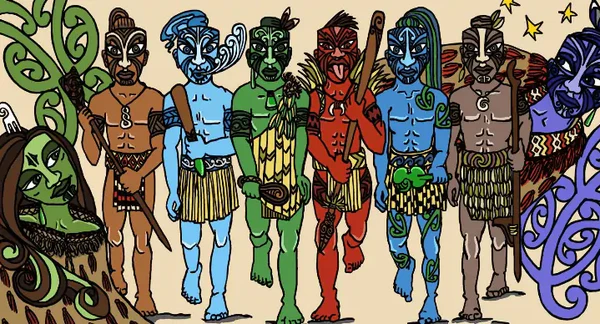
Māori Mythology: Gods, Heroes, & Legends of Aotearoa

mchec.org – Māori mythology, rich in stories of gods, heroes, and supernatural beings, forms the cornerstone of the Māori worldview and cultural heritage. These myths and legends are more than just stories; they are powerful vehicles for conveying the values, beliefs, and history of the Māori people. From the creation of the world to the heroic deeds of legendary figures, Māori mythology reflects the deep spiritual connection between humans, nature, and the divine. This article delves into the gods, heroes, and legends that shape Māori mythology, offering a glimpse into the fascinating world of Aotearoa’s ancient traditions.

The Creation Myth: Te Kore and Te Pō

Māori mythology begins with the creation of the world. According to the whakapapa (genealogy) of Māori myth, the universe was formed from a vast nothingness known as Te Kore (the void) and the dark expanse of Te Pō (the night). The first gods emerged from this primordial state, creating the world and its natural elements.

At the heart of the creation story is the union of Ranginui (the Sky Father) and Papatūānuku (the Earth Mother), whose embrace kept the world in darkness. Their many children, including the gods of the elements and natural forces, grew restless in the confined space between their parents. In an act of defiance, Tāne Mahuta, the god of forests and birds, separated his parents, allowing light to enter the world and giving birth to the land, the sea, and the sky.

This act of separation was a pivotal moment in Māori cosmology, symbolizing the birth of the physical world and the establishment of order from chaos. It also created the space for the gods and heroes to continue their work in shaping the world and its inhabitants.

The Gods of Māori Mythology

Māori mythology is populated by a vast array of gods and supernatural beings, each of whom is responsible for different aspects of the natural and spiritual world. These gods are often depicted as powerful forces with human-like traits, capable of both good and ill.

Tāne Mahuta – The God of Forests and Birds

Tāne Mahuta is one of the most significant gods in Māori mythology. As the god of forests and birds, he is credited with creating the first human beings. According to the myth, Tāne fashioned the first woman, Hine-ahu-one, from the earth, breathing life into her. This act of creation made Tāne the progenitor of humankind and a key figure in Māori cosmogony.

Tāne’s influence extends beyond the creation of humans. He is also associated with the forests, trees, and animals, playing a crucial role in maintaining the balance of nature.

Tangaroa – The God of the Sea

Tangaroa, the god of the sea, is another central deity in Māori mythology. He is responsible for the oceans, fish, and sea creatures, and his domain is vast and mysterious. Tangaroa is often depicted as both a benevolent provider and a dangerous force, capable of flooding the land or providing an abundance of fish and seafood.

Tangaroa is also one of the children of Ranginui and Papatūānuku, and his influence over the sea is integral to Māori culture, as the sea has historically provided food, transportation, and spiritual significance to Māori communities.

Tāwhirimātea – The God of Storms

Tāwhirimātea, the god of storms and winds, is a fierce and volatile deity. He is the son of Ranginui and Papatūānuku and became enraged when his parents were separated. In his anger, Tāwhirimātea waged war against his brothers, particularly Tāne Mahuta and Tangaroa, who had played a role in the separation. His temper manifests in the form of violent storms, thunder, and lightning, causing chaos in the natural world.

Tāwhirimātea’s wrath symbolizes the power of nature’s destructive forces, and his role highlights the Māori belief in the interconnection between humans and the environment. His anger is a reminder of the need to respect the forces of nature.

Rūaumoko – The God of Earthquakes and Volcanoes

Rūaumoko, the god of earthquakes and volcanoes, is another son of Ranginui and Papatūānuku. While he remains hidden in the earth, his presence is felt through the tremors of earthquakes and the eruptions of volcanoes. Rūaumoko’s movements beneath the earth are believed to stir the land, causing shifts in the landscape and sometimes bringing destruction.

In Māori thought, Rūaumoko is closely tied to the land’s vitality and the renewal of life. His eruptions, though destructive, also bring fertile soil, which nourishes the land and provides sustenance to Māori communities.

Legendary Heroes and Figures

Māori mythology is also filled with legendary heroes whose actions shaped the world and who embody the values of bravery, wisdom, and respect for nature. These figures are often seen as demigods or semi-divine beings who bridge the gap between gods and humans.

Māui – The Trickster and Cultural Hero

Māui is perhaps the most famous figure in Māori mythology. Known for his cleverness, mischievousness, and adventurous spirit, Māui is a trickster god who performs many feats to benefit humanity. His exploits include fishing up the North Island of New Zealand, Te Ika-a-Māui (the Fish of Māui), using a magical fishhook made from the jawbone of his grandmother, and slowing the sun to lengthen the days for his people.

Māui’s stories often illustrate his struggle against the natural world, as he challenges the gods and forces of nature for the benefit of humankind. While Māui’s actions were often self-serving, his character also embodies values of resourcefulness, ingenuity, and the importance of perseverance.

Tāwhaki – The Ascendant Hero

Tāwhaki is another celebrated hero in Māori mythology. Known for his pursuit of knowledge and spiritual power, Tāwhaki ascended to the heavens to seek his ancestors and gain wisdom. His journey involved overcoming trials, facing the wrath of the gods, and ultimately achieving enlightenment. Tāwhaki’s story is one of personal transformation and the quest for higher knowledge, which makes him an important figure in Māori mythology, particularly in the context of spiritual development and growth.

Hinemoa and Tūtānekai – The Tragic Love Story

One of the most enduring Māori legends is the story of Hinemoa and Tūtānekai, a tale of love, separation, and reconciliation. Hinemoa, a beautiful woman from the tribal village of Ōpotiki, fell in love with Tūtānekai, who lived on the distant Mokoia Island in Lake Rotorua. Despite the distance and the disapproval of her family, Hinemoa swam across the lake to be with her lover. Her determination and love overcame the challenges, and the couple eventually reunited.

This story is celebrated as an example of devotion and perseverance, highlighting the Māori values of love, loyalty, and the power of the human spirit.

Conclusion

Māori mythology is a vast and intricate tapestry of gods, heroes, and legends that offer insight into the worldview and values of the Māori people. These myths are not only stories of the past but living traditions that continue to inform Māori culture, language, and identity today. Through the tales of gods like Tāne Mahuta and Tangaroa, and heroes like Māui and Tāwhaki, Māori mythology teaches timeless lessons about the balance of nature, the power of the human spirit, and the interconnectedness of all life. As Aotearoa continues to celebrate and preserve its rich cultural heritage, Māori mythology remains a vital part of the nation’s identity, shaping its future while honoring its past.

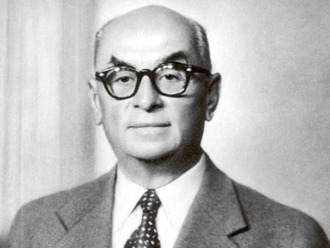
Celal Bayar: A President of Turkey (1950–1960)

mchec.org – Celal Bayar, one of the most significant political figures in the early years of the Turkish Republic, served as the third president of Turkey from 1950 to 1960. A close associate of Mustafa Kemal Atatürk, Bayar played an instrumental role in the political and economic development of Turkey during the critical period of post-World War II modernization. His presidency, however, was marked by political instability, the rise of opposition movements, and ultimately the military coup that led to his removal from office in 1960. Despite the challenges of his time in power, Bayar’s legacy remains tied to Turkey’s transition to a multi-party democracy and the consolidation of its republican institutions.

Early Life and Political Career

Celal Bayar was born on May 12, 1883, in the Ottoman Empire, in the town of Umurbey. After completing his education in economics and trade, Bayar pursued a career in business and public administration. He rose through the ranks of the Ottoman Bank and eventually became involved in politics, driven by a desire to reform and modernize his country. Bayar’s political career was shaped by his close relationship with Mustafa Kemal Atatürk and his involvement in the Turkish War of Independence.

Bayar played a key role in the establishment of the Republic of Turkey. A founding member of the Republican People’s Party (CHP), he held important positions in Atatürk’s government, including as Minister of Economy and later as Deputy Prime Minister. Bayar’s expertise in economic affairs and his commitment to the principles of Atatürk’s vision of a secular, modern nation made him one of the most trusted leaders in the early years of the republic.

Rise to the Presidency: 1950

In the aftermath of Atatürk’s death in 1938 and the subsequent leadership of İsmet İnönü, Turkey remained under a one-party system dominated by the Republican People’s Party (CHP). However, by the late 1940s, there was a growing demand for political reform and greater democratic freedoms. This political climate led to the formation of opposition movements, culminating in the 1950 general elections, which marked the first peaceful transition of power in the history of the Turkish Republic.

The Democratic Party (DP), led by Adnan Menderes and supported by figures like Celal Bayar, won a decisive victory in the 1950 elections. Bayar, who had been a senior member of the CHP but had increasingly grown dissatisfied with the party’s policies, became president after Menderes assumed the position of prime minister. Bayar’s presidency was thus marked by his association with the Democratic Party, which promised economic modernization, political freedoms, and the liberalization of Turkish society.

Presidency: 1950–1960

Celal Bayar’s presidency coincided with a transformative period in Turkey’s history. His leadership was closely tied to the significant political and economic changes that Turkey underwent during the 1950s, including the transition to a multi-party democracy and efforts to modernize the country’s infrastructure.

Political Reforms and Democratic Transition

Bayar’s tenure as president saw Turkey’s political landscape shift dramatically. Under the Democratic Party, Turkey moved away from the single-party system that had dominated the republic since its founding. The DP, with Bayar as its figurehead, implemented reforms aimed at increasing individual freedoms and improving relations with the West, particularly with the United States and NATO.

Bayar and Menderes sought to liberalize Turkey’s economy by encouraging private enterprise and opening up the country to foreign investment. Their government focused on industrialization, infrastructure development, and modernization of the agricultural sector. The government also pursued policies that favored religious freedoms, which marked a departure from the more secularist policies of Atatürk and İnönü’s administration.

However, the rapid political changes and the Democratic Party’s policies increasingly faced opposition from both the military and secular elites, who feared the weakening of the republic’s foundational principles.

Economic Development and Challenges

During Bayar’s presidency, Turkey experienced significant economic growth, particularly in the early years of the 1950s. Bayar’s government emphasized infrastructure development, including the construction of roads, dams, and factories, all of which helped modernize the country. The growth of agriculture and industry helped improve living standards for many, and the country saw an increase in exports.

However, the late 1950s saw growing economic difficulties. Inflation, rising debt, and trade imbalances posed significant challenges to Turkey’s economic stability. The economy began to show signs of strain, and the Turkish lira experienced devaluation. The Democratic Party’s economic policies came under increasing criticism, leading to rising public dissatisfaction.

Political Tensions and the 1960 Coup

As the 1950s progressed, political tensions in Turkey reached a boiling point. The Democratic Party’s policies were increasingly seen as autocratic, with dissenting voices being suppressed, and the government taking an increasingly authoritarian stance. Opposition parties, along with intellectuals, students, and the military, began to call for reforms and a return to the principles of Atatürk’s secular and democratic republic.

The mounting discontent culminated in the military coup of May 27, 1960. The Turkish Armed Forces, citing concerns about the erosion of democratic norms and the growing authoritarianism of the government, staged a coup that resulted in the arrest and trial of key political figures, including Celal Bayar, Adnan Menderes, and other members of the Democratic Party. Bayar was removed from office and imprisoned for several years.

In 1964, after spending several years in prison, Bayar was released, and he lived his later years in relative political obscurity. Despite the controversial end to his presidency, Celal Bayar remained a respected figure in Turkish history, particularly for his role in the early years of Turkey’s political transformation.

Legacy and Later Life

Celal Bayar’s legacy is marked by his leadership during a pivotal time in Turkey’s transition to a multi-party democracy. He was a key figure in the development of Turkey’s modern political system and played a central role in the country’s efforts to modernize its economy and infrastructure. While his presidency ultimately ended in controversy and the military coup of 1960, Bayar’s contributions to the Republic of Turkey cannot be overlooked.

In his later years, Bayar remained a symbol of the early republican era, representing the complex balance between tradition and modernity in Turkey’s political life. He passed away on August 22, 1986, at the age of 103, having witnessed the full evolution of the Turkish Republic from its establishment to the modern era.

Today, Celal Bayar is remembered as a key figure in the history of the Turkish Republic. His efforts to build a more democratic, modern, and economically developed Turkey have left an indelible mark on the nation’s history, even as his presidency remains a subject of debate and reflection.

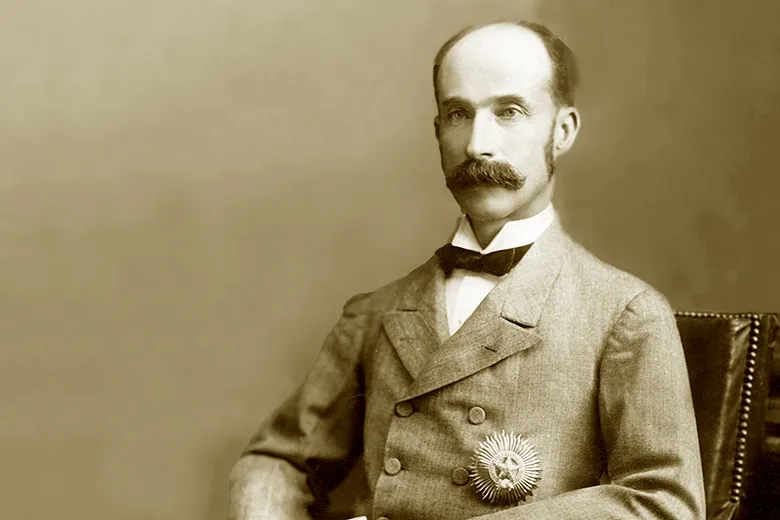
Lord Lansdowne: The Governor General of Canada (1878–1883)

mchec.org – Lord Lansdowne, born Henry Petty-Fitzmaurice, served as the Governor General of Canada from 1878 to 1883. His time in office came during a critical phase in Canada’s development as a self-governing nation within the British Empire. Lansdowne’s tenure saw the strengthening of Canadian unity, the promotion of national infrastructure projects, and the continued reconciliation between Canada’s diverse linguistic and cultural groups. Known for his diplomatic skill, calm demeanor, and commitment to fostering ties between Canada and Britain, Lord Lansdowne’s leadership left a significant mark on the young Dominion.

Early Life and Background

Henry Petty-Fitzmaurice was born on March 28, 1845, into a prominent British aristocratic family. He was educated at Harrow and Balliol College, Oxford, and after completing his education, Lansdowne entered British politics. He served in several political roles, including as a Member of Parliament and as Secretary of State for War. Lansdowne’s political career and experience in diplomacy positioned him well for the role of Governor General, a position that would require both political acumen and the ability to navigate complex international relations.

Before his appointment to Canada, Lansdowne was known for his dedication to the British Empire and his work in fostering good relations with colonies and territories. His reputation as a thoughtful and capable leader made him a natural choice to succeed Lord Dufferin as Governor General of Canada in 1878.

Appointment as Governor General

In 1878, Lord Lansdowne was appointed the 7th Governor General of Canada, succeeding Lord Dufferin. His appointment came during a period of national growth and consolidation, following the completion of the Canadian Pacific Railway and the establishment of the country as a self-governing Dominion within the British Empire. Lansdowne’s role as Governor General was symbolic of the British Crown’s continuing influence, even as Canada continued its path toward full autonomy.

Lord Lansdowne’s appointment coincided with a period of significant political stability in Canada. His leadership was seen as an opportunity to consolidate the gains made by previous administrations and to promote a sense of unity and national pride. Lansdowne’s diplomacy and gentle demeanor were well-suited to his role in Canada, where he was tasked with maintaining a balance between British imperial interests and the growing demands for Canadian self-determination.

Political and Social Challenges

During Lord Lansdowne’s tenure, Canada faced several key political and social challenges. One of the most prominent issues was the continued integration of French-speaking and English-speaking Canadians. Tensions between these two groups had been present since Confederation, and maintaining peace and harmony between them remained a critical concern.

Lansdowne worked to foster national unity and encourage greater cooperation between Canada’s French and English-speaking populations. His tenure saw the continuation of policies aimed at recognizing and preserving the cultural and linguistic rights of French Canadians, particularly in Quebec. Lord Lansdowne’s calm and conciliatory approach to governance helped alleviate some of the tensions that had persisted since Confederation and contributed to a stronger sense of national identity.

Another key challenge during his time in office was Canada’s growing economic ambitions. The completion of the Canadian Pacific Railway in 1885, just after his tenure ended, was a momentous event that helped unite Canada from east to west. However, Lansdowne’s administration focused on encouraging trade, improving infrastructure, and promoting Canada’s national cohesion through projects that laid the groundwork for future economic growth.

The Northwest Territories and Indigenous Relations

In addition to his role in fostering national unity, Lord Lansdowne also played a part in overseeing the development of Canada’s western territories. During his tenure, Canada began the process of settling and developing the vast western lands, which had previously been home to Indigenous peoples and the Métis population. While Lord Lansdowne’s time in office was marked by relative peace in the west, the establishment of law and order in these new territories was a significant concern.

Lord Lansdowne supported the ongoing expansion of Canada’s infrastructure in the western territories, including the settlement of Indigenous lands and the creation of the North-West Mounted Police. These efforts were vital for maintaining peace and facilitating the settlement of the western provinces. Although his role was more symbolic than executive, Lansdowne’s administration supported the policies that would later come to define Canada’s approach to the development of the West.

Contributions to Canadian Unity

One of Lord Lansdowne’s key contributions to Canada’s development was his ability to foster a sense of unity and national pride. His leadership helped further the process of reconciling Canada’s diverse regional and cultural communities. By encouraging policies that promoted respect for both French and English-speaking Canadians, as well as supporting infrastructure development that connected distant regions, Lansdowne helped to solidify Canada’s national identity.

Lansdowne was also known for his personal engagement with the Canadian people. Like his predecessors, he traveled extensively across Canada, visiting both major urban centers and remote regions. This commitment to understanding the country’s geography and people endeared him to Canadians and strengthened his role as a unifying figure in the young nation.

Conclusion

Lord Lansdowne’s tenure as Governor General of Canada (1878–1883) played a crucial role in the early years of the country’s development. His leadership helped to strengthen national unity, promote economic growth, and maintain positive relations between Canada and the British Empire. By focusing on diplomacy, infrastructure, and the recognition of Canada’s diverse cultural communities, Lansdowne left a lasting legacy on the country’s path to full autonomy. His calm, thoughtful approach to governance allowed Canada to continue its peaceful expansion and development, setting the stage for the future growth of the Dominion.

Kerusuhan Penjara Maputo: 33 Tewas, 1.500 Tahanan Melarikan Diri, dan Dampaknya Terhadap Mozambik

mchec – Kerusuhan besar terjadi di Penjara Pusat Maputo, ibu kota Mozambik, yang mengakibatkan 33 orang tewas dan 15 lainnya terluka. Insiden ini juga menyebabkan lebih dari 1.500 tahanan melarikan diri dari penjara. Komandan Jenderal Polisi Mozambik, Bernardino Rafael, mengungkapkan hal ini dalam konferensi pers pada Rabu (25/12/2024).

Menurut Rafael, sekitar 1.534 tahanan berhasil melarikan diri selama kerusuhan, namun 150 di antaranya telah berhasil ditangkap kembali. Rafael menyalahkan protes di luar penjara yang mendorong kerusuhan di dalam, sementara Menteri Kehakiman Helena Kida menyatakan bahwa kerusuhan dimulai dari dalam penjara dan tidak ada hubungannya dengan demonstrasi di luar penjara.

Kerusuhan ini terjadi di tengah ketegangan politik yang meningkat di Mozambik pasca pemilu Oktober yang diperdebatkan. Partai Frelimo yang berkuasa sejak 1975 kembali memenangkan pemilu, namun oposisi dan pendukungnya menuduh pemilu tersebut dicurangi. Protes meletus setelah Mahkamah Agung Mozambik mengonfirmasi kemenangan Frelimo pada Senin (23/12/2024).

Menteri Dalam Negeri Mozambik, Pascoal Ronda, melaporkan bahwa setidaknya 21 orang tewas slot server kamboja dalam kerusuhan yang terjadi setelah keputusan pengadilan. Lebih dari 78 orang telah ditangkap sejauh ini, dan langkah-langkah keamanan telah diperketat di seluruh negara. Ronda juga menyebutkan bahwa kerusuhan tersebut dipimpin oleh pendukung Venancio Mondlane, kandidat presiden dari oposisi yang kalah dalam pemilu.

Rafael mengungkapkan kekhawatirannya tentang potensi peningkatan kejahatan dalam 48 jam ke depan akibat kerusuhan ini. Ia juga menyebutkan adanya upaya penjebolan tahanan di dua penjara lainnya. Kerusuhan ini menimbulkan pertanyaan mendesak mengenai keamanan dan sistem peradilan di Mozambik.

Kerusuhan ini juga menandai salah satu episode terburuk dalam sejarah Mozambik sejak Frelimo pertama kali berkuasa pada tahun 1975. Kantor-kantor Frelimo, kantor polisi, bank, dan pabrik-pabrik telah dijarah, dirusak, dan dibakar di seluruh negeri. Sejak Senin, setidaknya 21 orang tewas dalam kerusuhan tersebut, dan jumlah korban tewas sejak Oktober mencapai 151 orang.

Venancio Mondlane, yang telah melarikan diri dari Mozambik, telah menyerukan para pendukungnya untuk berdemonstrasi menentang hasil pemilu yang dicurangi. Dalam pesan media sosialnya, ia mengatakan mungkin akan ada “pemberontakan rakyat baru” jika hasil pemilu tidak dibatalkan.

Kerusuhan ini menunjukkan betapa rapuhnya situasi keamanan di Mozambik dan menimbulkan tantangan besar bagi pemerintah dan masyarakat sipil untuk memastikan keselamatan publik dan mengatasi tantangan sistemik yang menyebabkan situasi ini.

Samurai I: Musashi Miyamoto (1954) – The Birth of a Legend

mchec.org – Released in 1954, Samurai I: Musashi Miyamoto is the first installment of Hiroshi Inagaki’s acclaimed Samurai Trilogy, a cinematic adaptation of Eiji Yoshikawa’s novel Musashi. The film chronicles the early life of Japan’s legendary swordsman, Miyamoto Musashi, blending historical drama with poetic storytelling. This iconic film has left a lasting impact on Japanese cinema and is widely regarded as one of the defining samurai films of its time.

The Story of a Warrior’s Transformation

The film follows the journey of Takezo (later Musashi), a hot-headed young man seeking glory and fame as a warrior. At the beginning of the story, Takezo is more of a brute than a refined samurai, filled with a raw and untamed desire for adventure. He sets off with his childhood friend Matahachi to join the battle of Sekigahara in hopes of earning fame, but the war turns into a disastrous defeat for their side.

Takezo’s early recklessness gets him into trouble, and he is branded a criminal. However, after crossing paths with several mentors, including a Buddhist priest named Takuan, he begins a path of spiritual and personal transformation. Through his trials, Takezo eventually matures into Musashi Miyamoto, a disciplined and honorable samurai dedicated to mastering the way of the sword.

This journey from a wild, rebellious youth to a focused and disciplined swordsman sets the stage for Musashi’s evolution into one of the greatest samurai in Japanese history.

Themes of Redemption and Growth

At its core, Samurai I: Musashi Miyamoto is a tale of personal redemption and growth. Takezo’s transformation from a wild warrior to a thoughtful and skilled swordsman mirrors the timeless themes of self-discipline, honor, and enlightenment that are central to samurai philosophy. The film emphasizes the importance of inner strength and mental clarity over mere physical prowess, a theme that resonates throughout the entire Samurai Trilogy.

Inagaki’s direction also captures the spiritual and emotional dimensions of Musashi’s journey. Takezo’s internal struggles are depicted with the same intensity as the external battles he faces, making the film not just an action-packed samurai drama but also a thoughtful character study.

Visual Style and Cinematic Excellence

Samurai I is renowned for its sweeping cinematography, beautifully capturing the landscapes of feudal Japan. The film’s wide, picturesque shots, combined with carefully choreographed action scenes, immerse the audience in the historical world of the samurai. The visual aesthetic is complemented by a strong musical score, enhancing the emotional weight of Musashi’s trials.

In addition to the film’s visual elegance, Toshiro Mifune’s portrayal of Musashi Miyamoto is a major highlight. Mifune, one of Japan’s most celebrated actors, delivers a performance filled with raw intensity and nuance, perfectly embodying the transformation of the impulsive Takezo into the thoughtful and formidable Musashi.

Reception and Cultural Impact

Upon its release, Samurai I: Musashi Miyamoto was met with widespread acclaim both in Japan and internationally. The film went on to win the Academy Award for Best Foreign Language Film in 1955, further cementing its status as a global classic. Its success paved the way for the following two films in the trilogy, Samurai II: Duel at Ichijoji Temple (1955) and Samurai III: Duel at Ganryu Island (1956), which continue Musashi’s journey toward becoming a legendary swordsman.

The film also helped popularize the image of Miyamoto Musashi as not only a historical figure but as a cultural icon, celebrated for his mastery of strategy and martial arts. Musashi’s philosophy of Bushido and his famous treatise, The Book of Five Rings, continue to inspire generations of martial artists and thinkers.

A Timeless Samurai Classic

Samurai I: Musashi Miyamoto remains a quintessential film in the samurai genre. Its blend of action, philosophy, and character development sets it apart as a deeply resonant and engaging work. For many, the film serves as an introduction to the life of Musashi Miyamoto, whose legend continues to captivate audiences worldwide.

As the first entry in Hiroshi Inagaki’s Samurai Trilogy, this film is an essential piece of cinema that masterfully tells the story of one of Japan’s most celebrated warriors. Its exploration of growth, honor, and redemption, combined with powerful performances and stunning visuals, has ensured its place as a timeless classic in the annals of world cinema.

Ugetsu (1953): A Haunting Tale of Love, and Ambition

mchec.org – Ugetsu (1953), directed by Kenji Mizoguchi, is a landmark film in Japanese cinema that blends historical drama, romance, and the supernatural to create an unforgettable narrative. Set during Japan’s Warring States period, Ugetsu tells the story of two peasant families whose lives are changed by ambition, desire, and supernatural forces. Known for its striking cinematography, powerful performances, and exploration of timeless themes, Ugetsu is widely regarded as one of the greatest films of its era and a key work in Mizoguchi’s illustrious career.

The film’s mix of realism and supernatural elements, combined with its profound commentary on the human condition, gives it a timeless quality that resonates with audiences even today. Ugetsu is not just a story about the supernatural—it is a meditation on the destructive power of ambition, the fragility of human relationships, and the consequences of human desires.

Plot Overview: A Tale of Two Families

The film follows two main characters: Genjuro (played by Masayuki Mori), a poor potter, and his friend Tobei (played by Eitaro Ozawa), a farmer with dreams of becoming a samurai. The two men, along with their wives, live in a small village ravaged by the chaos of war. Driven by the hope of securing wealth and status, both Genjuro and Tobei leave their families behind and venture to the battlefield, where their lives take tragic and supernatural turns.

Genjuro’s journey begins when he is seduced by the promise of fortune and a better life. His wife, Miyagi (played by Kinuyo Tanaka), pleads with him to stay and care for their son, but Genjuro is determined to make something of himself. He finds success as a potter, but his ambition and growing desire for power lead him into dangerous and morally compromising situations. His life becomes intertwined with the ghostly and tragic Lady Wakasa (played by Machiko Kyo), who embodies both beauty and danger.

Meanwhile, Tobei, obsessed with his dream of becoming a samurai, also abandons his wife, Ohama (played by Miyoshi Umeki), and ventures off to fight in the war. His journey takes him into the world of deception and illusion, where his dreams of honor and glory collide with reality, leading to devastating consequences.

The film weaves together the fates of these two families, with both Genjuro and Tobei falling prey to their desires, ultimately paying a heavy price. At the core of Ugetsu is the theme of human folly—the characters are driven by their own selfish ambitions, which blind them to the love and connections they leave behind.

Themes of Desire, Ambition, and Tragic Consequences

Ugetsu is a powerful exploration of the destructive forces of ambition and desire. Both Genjuro and Tobei are motivated by the belief that they can improve their lives by abandoning their families and seeking wealth, status, and glory. However, the film shows how these desires ultimately lead to their downfall. Genjuro’s pursuit of wealth and power through his pottery and his affair with Lady Wakasa leaves him emotionally distant from his wife and son. His ambition drives him to make morally questionable choices, and he ultimately loses everything that truly matters.

Tobei, too, is consumed by his ambition to become a samurai, even if it means abandoning his wife and risking his life in battle. In the end, his dreams are shattered, and he is left to reflect on the futility of his aspirations. Mizoguchi’s direction emphasizes the vulnerability and transience of human desires, suggesting that the pursuit of fame, power, and wealth often comes at the expense of true happiness and personal fulfillment.

At its heart, Ugetsu is a meditation on the fragility of human relationships. The film explores the way in which ambition, selfishness, and greed can tear apart the bonds between individuals, leaving behind only regret and loss. The supernatural elements in the film serve to underscore the emotional and psychological toll of these destructive desires, adding a layer of otherworldly mystery to the characters’ fates.

Supernatural Elements: Ghosts and Illusions

The supernatural elements in Ugetsu are integral to its emotional and thematic impact. Mizoguchi blends the realism of the historical setting with ghostly apparitions and eerie visions, creating a haunting atmosphere that reflects the characters’ internal struggles. The ghosts in Ugetsu are not simply traditional spirits seeking revenge—they embody the emotional and moral consequences of the characters’ actions.

Lady Wakasa, for example, is a spectral figure who lures Genjuro with promises of beauty and wealth, but her ghostly nature reveals the danger and illusion behind her allure. The relationship between Genjuro and Lady Wakasa is symbolic of his own moral decay and the consequences of his obsession with worldly desires. Similarly, Tobei’s encounter with the ghostly figures of his past reflects the emptiness and disillusionment of his own dreams of becoming a samurai.

The supernatural elements also serve to highlight the emotional and spiritual emptiness that the characters experience. Mizoguchi uses the ghosts and visions to symbolize the emotional toll of war, ambition, and personal loss, blending reality and the supernatural to create a sense of unease and tragedy.

Cinematic Style: Visual Elegance and Symbolism

Mizoguchi’s direction in Ugetsu is a masterclass in visual storytelling. The film’s cinematography, by Kazuo Miyagawa, is both elegant and expressive, with striking compositions that emphasize the emotional depth of the characters’ experiences. The use of light and shadow, particularly in the scenes involving Lady Wakasa and the supernatural elements, adds to the film’s haunting atmosphere.

The film’s mise-en-scène is equally powerful, with the stark contrast between the rural poverty of the characters’ village and the opulence of the ghostly world serving as a visual metaphor for the characters’ internal conflicts. The scenes in the misty, moonlit landscapes create a sense of otherworldliness, blending the mundane with the ethereal.

Mizoguchi’s careful use of long takes and restrained camera movement allows the emotional weight of the story to unfold gradually, building a sense of inevitability and tragedy. The director’s subtle yet powerful use of symbolism, such as the recurring motif of water, further enhances the film’s themes of fleeting life and the destructive power of desire.

Legacy and Influence

Ugetsu is widely regarded as one of the greatest films in the history of Japanese cinema. It won the Silver Lion at the Venice Film Festival in 1953 and was nominated for the Academy Award for Best Foreign Language Film. Its success helped solidify Mizoguchi’s reputation as one of Japan’s most important filmmakers and introduced his work to international audiences.

The film’s blend of historical realism, supernatural elements, and psychological depth has influenced filmmakers around the world, and it remains a key reference for those exploring themes of ambition, love, and loss. The eerie beauty and emotional complexity of Ugetsu have made it a timeless classic that continues to be studied and admired by cinephiles and scholars alike.

Conclusion: A Timeless Story of Human Folly and Redemption

Ugetsu is a haunting and poetic film that explores the darker aspects of human nature—ambition, desire, and the consequences of our actions. Mizoguchi’s masterful direction, combined with his ability to blend the supernatural with the real, makes Ugetsu a deeply affecting and thought-provoking film. It is a story of love, loss, and the eternal struggle between desire and responsibility. Through its timeless themes and unforgettable imagery, Ugetsu remains a cornerstone of Japanese cinema and a cinematic masterpiece that continues to resonate with audiences around the world.

Your Name (2016): A Beautifully Tale of Love, Time, & Fate

mchec.org – Your Name (Kimi no Na wa), directed by Makoto Shinkai, is a breathtaking anime film that captivated audiences worldwide with its stunning animation, emotionally resonant story, and exploration of time, identity, and love. Released in 2016, Your Name became a global phenomenon, quickly becoming one of the highest-grossing anime films of all time. The film is not only a visual masterpiece but also a deeply emotional and thought-provoking narrative that explores the connection between two young people who are mysteriously linked across time and space.

At its core, Your Name is a love story, but it is also much more than that. The film delves into the themes of destiny, memory, and the fleeting nature of time, with its two protagonists—Mitsuha and Taki—learning about each other’s lives in an unexpected and mystical way. The emotional depth, combined with Shinkai’s signature art direction and innovative storytelling, has made Your Name a landmark in modern anime cinema and a cultural touchstone for audiences both in Japan and abroad.

Plot Overview

The story of Your Name revolves around two high school students: Mitsuha Miyamizu (voiced by Mone Kamishiraishi), a girl living in the rural town of Itomori, and Taki Tachibana (voiced by Ryunosuke Kamiki), a boy from the bustling city of Tokyo. The two are living separate lives, each dealing with their own set of personal challenges, when one day they inexplicably begin swapping bodies. This strange phenomenon occurs without warning and without any understanding of how or why it’s happening.

As Mitsuha and Taki exchange places, they must navigate the other’s life, learning about each other’s routines, friendships, and family dynamics. Initially, the two are disoriented and confused, but they gradually adapt to the situation by leaving notes for each other and setting guidelines to make the swaps more manageable. Over time, their relationship deepens, and they begin to care for one another, even though they have never met face-to-face.

The film’s plot takes a significant turn when Taki, in Mitsuha’s body, visits her small town of Itomori, only to discover that it has been destroyed by a meteor impact three years earlier. The shock of this revelation forces Taki and Mitsuha to confront the nature of their connection and the powerful forces of fate and time that bind them together.

Themes: Time, Fate, and Connection

The Power of Time and Memory

At its heart, Your Name is a film about the passage of time and the way memories shape our identities and relationships. The concept of time plays a crucial role in the narrative, with Taki and Mitsuha living in separate timelines—one that is present and one that is three years in the past. This temporal disconnect creates a sense of urgency and longing in the film, as the two characters try to understand how they are connected despite the barriers of time.

The film’s portrayal of memory is also central to the story. Mitsuha and Taki’s memories of their body-swapping experiences are fragmented and elusive, adding to the mystery of their connection. The fleeting nature of their memories echoes the theme of impermanence, and the idea that time, once lost, cannot be recovered. This sense of time slipping away creates a deep emotional resonance, as both characters struggle to retain the bond they share despite the forces that seem to pull them apart.

Fate and the Unseen Connections Between People

Fate is another prominent theme in Your Name, as it explores the idea that some connections are predestined, transcending time and space. The film weaves a complex narrative that questions the role of fate in shaping our lives and relationships. Mitsuha and Taki’s bond is not merely coincidental—it is the result of an unexplainable, almost mystical force that ties them together across time. This force is embodied in the meteor that connects the two characters’ timelines, suggesting that certain events and people are destined to intersect, even if we are unaware of it.

As the plot unfolds, the characters begin to realize that their connection is not a random occurrence. It is a result of some larger, cosmic design, hinting at the idea that even in the most chaotic and unpredictable of lives, there may be an invisible hand guiding us toward one another. The film suggests that the threads of fate weave us together in unexpected ways, and even when we are separated by time, we may still find ways to reconnect.

Love and Longing

Love is perhaps the most poignant and universal theme explored in Your Name. The film is, at its core, a love story that transcends physical boundaries and defies the constraints of time. Despite the initial confusion of body swapping, Mitsuha and Taki form a deep emotional bond, and their feelings for each other grow stronger with every exchange. The longing to meet face-to-face and the uncertainty of their connection create a sense of yearning and desire that runs through the entire film.

Their love story is marked by a sense of lost time—by the time Taki and Mitsuha are finally able to meet, years have passed, and the connection they shared in the past is not easily reclaimed. This adds an element of tragedy to their relationship, as the characters must navigate the difficulties of fate, memory, and time in order to be together. Your Name beautifully captures the bittersweet nature of love, showing how it can be elusive and fleeting, yet powerful enough to transcend time itself.

Identity and Self-Discovery

As Mitsuha and Taki switch bodies, they are forced to confront aspects of themselves that they have never considered before. The body-swap trope in the film serves as a powerful metaphor for self-discovery, as the two characters learn to see the world through each other’s eyes. Mitsuha, who lives in the rural countryside, gains a new perspective on life in the city through Taki’s experiences, while Taki, who is used to the fast-paced life of Tokyo, learns about the quiet, traditional life that Mitsuha leads.

This exploration of identity is particularly poignant as both characters struggle with their sense of self. Mitsuha feels disconnected from her town and family, desiring a different life, while Taki, though seemingly content, feels that something is missing in his own life. Through their experiences of living in each other’s bodies, they come to a greater understanding of themselves and the people around them, ultimately realizing that they must work together to overcome the obstacles that separate them.

Animation and Visual Style

One of the most striking aspects of Your Name is its breathtaking animation. Makoto Shinkai, known for his attention to detail and his ability to create visually stunning works, elevates the film to new heights with its vibrant and meticulously crafted scenes. The landscapes in Your Name are some of the most beautifully rendered in modern anime, with the breathtaking cityscapes of Tokyo and the serene beauty of Itomori’s rural countryside providing a stunning contrast.

Shinkai’s use of light and color is particularly noteworthy, with the film’s use of sunset and sunrise imagery serving as a metaphor for the passage of time and the emotional arcs of the characters. The film also makes creative use of visual motifs, such as the red string of fate, to symbolize the deep connections between the characters.

The animation of the body-swapping sequences is fluid and dynamic, capturing the confusion and disorientation that Mitsuha and Taki experience as they navigate each other’s lives. The smooth transitions between their bodies emphasize the intimate nature of their connection and make their eventual reunion all the more impactful.

The score, composed by Radwimps, complements the film’s visual beauty with its emotionally charged music. The soundtrack enhances the mood of each scene, from the gentle piano melodies that evoke a sense of nostalgia to the powerful, sweeping orchestrations that accompany the film’s more dramatic moments. The music serves as a key emotional driver, reinforcing the themes of longing, love, and time.

Legacy and Reception

Upon its release, Your Name received widespread acclaim for its emotional depth, stunning animation, and intricate storytelling. It was praised for its ability to resonate with audiences worldwide, transcending cultural boundaries and appealing to viewers of all ages. The film became a box office sensation, grossing over $350 million globally and becoming the highest-grossing anime film ever at the time of its release.

Your Name has also been recognized for its contribution to the world of anime and cinema in general, with many critics and audiences citing it as a modern classic. Its success has brought Shinkai international recognition, solidifying his place as one of the leading directors in contemporary anime. The film’s blend of fantasy, romance, and science fiction has inspired numerous works of art, fan fiction, and even live-action adaptations.

Conclusion

Your Name (2016) is a powerful and visually stunning film that explores themes of love, time, fate, and self-discovery. Through its intricate narrative, beautiful animation, and emotionally resonant story, the film has captured the hearts of audiences around the world. Makoto Shinkai’s direction and storytelling mastery make Your Name a timeless exploration of the ways in which our lives are intertwined by forces beyond our control. It is a film that celebrates the fleeting nature of time, the power of human connection, and the enduring hope that love can transcend all obstacles.


Fitur AI Mulai Tersedia, Saham Apple Melesat

mchec.org – Apple Inc. baru-baru ini mengumumkan integrasi fitur kecerdasan buatan (AI) yang canggih ke dalam produk-produknya, yang langsung berdampak positif pada harga saham perusahaan tersebut. Saham Apple melesat hingga 5% dalam sehari setelah pengumuman ini, menunjukkan antusiasme investor terhadap inovasi terbaru dari perusahaan teknologi raksasa tersebut.

Pada acara peluncuran produk terbaru yang diadakan di Apple Park, Cupertino, CEO Apple, Tim Cook, memperkenalkan sejumlah fitur AI yang akan segera tersedia di berbagai perangkat Apple. Fitur-fitur ini mencakup peningkatan signifikan dalam asisten virtual Siri, kemampuan pengenalan wajah yang lebih canggih, serta integrasi AI dalam aplikasi kesehatan dan kebugaran.

Salah satu fitur yang paling menarik perhatian adalah “Siri Pro,” versi terbaru dari asisten virtual Siri yang kini mampu memahami dan merespons perintah yang lebih kompleks dengan akurasi yang lebih tinggi. Siri Pro juga dapat melakukan tugas-tugas otomatisasi rumah tangga, seperti mengatur suhu, menyalakan lampu, dan mengontrol perangkat IoT lainnya, berdasarkan preferensi pengguna.

Pengumuman fitur-fitur AI ini langsung direspons positif oleh pasar. Saham Apple (AAPL) melonjak hingga 5% dalam sehari, mencapai level tertinggi baru di $175 per saham. Kenaikan ini menunjukkan kepercayaan investor terhadap kemampuan Apple untuk terus berinovasi dan mempertahankan posisinya sebagai pemimpin di industri teknologi.

Analis dari Morgan Stanley, Katy Huberty, mengatakan bahwa integrasi fitur AI yang canggih ini diperkirakan akan meningkatkan penjualan perangkat Apple secara signifikan. “Kami percaya bahwa fitur-fitur AI yang baru akan menarik minat konsumen dan mendorong peningkatan penjualan iPhone, iPad, dan perangkat lainnya,” ujar Huberty.

Reaksi pasar terhadap pengumuman Apple ini sangat positif. Banyak analis yang memprediksi bahwa Apple akan terus memperluas penggunaan AI dalam produk-produknya di masa depan, yang akan memberikan keuntungan jangka panjang bagi perusahaan. “Apple telah menunjukkan komitmennya untuk terus berinovasi dengan teknologi AI, dan ini adalah langkah yang tepat untuk mempertahankan posisinya di pasar,” kata Daniel Ives, analis dari Wedbush Securities.

Selain itu, integrasi AI juga diharapkan dapat meningkatkan pengalaman pengguna secara keseluruhan. Fitur-fitur baru sbobet ini tidak hanya akan membuat perangkat Apple lebih pintar dan efisien, tetapi juga akan meningkatkan loyalitas pelanggan terhadap merek tersebut.

Meskipun integrasi AI membawa banyak manfaat, Apple juga menghadapi beberapa tantangan. Salah satu tantangan utama adalah memastikan bahwa fitur-fitur AI ini dapat digunakan dengan mudah oleh semua pengguna, termasuk mereka yang mungkin tidak terlalu familiar dengan teknologi. Apple harus memastikan bahwa antarmuka pengguna tetap sederhana dan intuitif, tanpa mengorbankan fungsionalitas yang canggih.

Selain itu, Apple juga harus mengatasi masalah privasi dan keamanan data. Dengan fitur AI yang semakin canggih, perusahaan harus memastikan bahwa data pengguna tetap aman dan tidak disalahgunakan. Apple telah berkomitmen untuk melindungi privasi pengguna, dan ini akan menjadi faktor kunci dalam keberhasilan fitur-fitur AI baru mereka.

Integrasi fitur AI yang canggih ke dalam produk-produk Apple telah memberikan dampak positif yang signifikan terhadap harga saham perusahaan. Saham Apple melesat hingga 5% dalam sehari setelah pengumuman ini, menunjukkan antusiasme investor terhadap inovasi terbaru dari perusahaan teknologi raksasa tersebut. Dengan fitur-fitur baru yang meningkatkan pengalaman pengguna dan potensi peningkatan penjualan, Apple diperkirakan akan terus mempertahankan posisinya sebagai pemimpin di industri teknologi.

Follow the Boys (1963): A Musical Comedy Classic

mchec.org – Follow the Boys (1963), directed by Harold French, is a lighthearted musical comedy that brings together a fun ensemble cast for a story filled with romance, humor, and musical numbers. Set against the backdrop of a military base during World War II, the film explores the humorous antics and romantic entanglements of a group of servicemen and women. At the heart of the story is Toni Denham, played by the talented actress, whose role brings both charm and sophistication to the comedic plot. Although Follow the Boys might not be one of the most iconic musicals of its time, Toni Denham’s performance is one of the standout features that adds depth and entertainment to the film.

Plot Overview: Romance, Music, and Misunderstandings

Set during World War II, Follow the Boys centers on a group of soldiers and women stationed on a military base. The story follows their romantic entanglements and humorous situations as they navigate the challenges of wartime life. The title, Follow the Boys, reflects the central theme of women who are chasing after the men they love, whether it’s on the home front or in a military setting.

The plot weaves a combination of musical numbers, comedic moments, and romantic tension. At the heart of the narrative is a love story between one of the soldiers and a woman, while various misunderstandings and comedic escapades add humor and warmth to the plot. The film features a collection of characters, each with their own quirks, who provide both comedic relief and touching moments as they deal with love, loss, and the chaos of wartime.

Toni Denham’s character adds a unique element to the ensemble cast. She plays a woman caught up in the romantic shenanigans of the soldiers and other characters, contributing to the film’s lighthearted exploration of love during difficult times.

Toni Denham’s Role: Grace and Charm in a Musical Comedy

Toni Denham’s performance in Follow the Boys adds a touch of grace and charm to the film’s comedic and musical elements. While the film’s primary focus is on the romantic and humorous relationships between the soldiers and their love interests, Denham’s portrayal of her character stands out as one of the film’s more sophisticated and grounded performances.

As Toni, Denham’s character is not simply a love interest but a woman who brings a sense of maturity and wisdom to the group. Her role, while somewhat secondary to the main romantic plotlines, is crucial in providing balance to the film’s more farcical moments. Her character is both elegant and playful, navigating the chaotic world of wartime romance with grace and humor. Denham’s ability to blend these qualities made her a standout presence in the film, adding depth to the ensemble of characters.

In addition to her acting skills, Denham’s musical number performances are a highlight of the film. Her voice and presence add a touch of class to the musical sequences, providing a balance to the more lighthearted and comedic elements of the film.

Themes of Romance, Wartime Life, and Comedic Escapism

At its core, Follow the Boys is a romantic comedy that explores the dynamics of love and relationships during wartime. The film is built around themes of romance, miscommunication, and the humorous misunderstandings that arise when men and women are separated by distance and circumstance. The soldiers’ romantic pursuits of the women they love provide much of the humor and charm in the film, with comedic situations unfolding as each character deals with their own romantic misadventures.

The film also touches on themes of wartime life, portraying the challenges and sacrifices faced by both soldiers and those left behind. While the comedy provides an escapist element, the film subtly acknowledges the emotional struggles that come with war. Despite the lighthearted tone, the characters’ personal connections and the ways they cope with separation and uncertainty add an emotional depth to the story.

However, Follow the Boys is ultimately about finding joy and humor in the face of hardship. The musical numbers, comedic misunderstandings, and romantic escapades offer audiences an entertaining escape from the harsh realities of wartime life, providing moments of lightness and laughter amid the backdrop of serious global conflict.

The Film’s Reception: Fun and Uplifting Entertainment

Upon its release, Follow the Boys received a mixed response from critics, but it was appreciated for its upbeat, escapist qualities. Audiences enjoyed the film’s charm, the infectious musical numbers, and the entertaining performances by the cast. Although the film did not achieve major critical acclaim, it was well-received as a fun, feel-good movie that provided a welcome distraction during the more difficult times of the early 1960s.

The musical numbers, which were central to the film’s appeal, helped to elevate the entertainment value, and the comedic performances by the ensemble cast added to the film’s overall appeal. Toni Denham’s contribution as a grounded, sophisticated romantic interest added a layer of emotional resonance to the film’s lighter moments.

Toni Denham’s Contribution to the Film’s Appeal

Toni Denham’s role in Follow the Boys was a key part of the film’s overall success. Her ability to play a character that balanced elegance with humor made her a standout in the ensemble cast. While the film’s primary focus was on the romantic entanglements of the male and female characters, Denham’s portrayal brought a sense of maturity and sophistication that helped to anchor the film’s more whimsical moments.

Her performance added a layer of depth to the otherwise lighthearted narrative, making her one of the film’s most memorable characters. Denham’s ability to navigate both musical and comedic sequences with ease demonstrated her versatility as an actress, and her contributions were integral to the film’s overall success.

Conclusion

Follow the Boys (1963) is a charming and lighthearted musical comedy that blends romance, humor, and wartime life. Directed by Harold French, the film features an ensemble cast of actors, with Toni Denham playing an important role in adding sophistication and warmth to the comedic proceedings. Her performance as Toni, a woman caught up in the romantic escapades of the soldiers, brings grace and elegance to the film, making her a standout character. While the film may not be remembered as one of the most iconic musicals of its time, it remains an enjoyable and entertaining exploration of love, laughter, and romance during a challenging period in history. Toni Denham’s contribution to the film ensures its lasting appeal as a fun and uplifting piece of cinema.

Knedliky: Traditional Dumplings as a Staple Side Dish

mchec.org – Knedliky are a type of traditional dumpling commonly found in Ukrainian cuisine, as well as in other Central and Eastern European cultures. Made from dough and typically served as a side dish, Knedliky are often paired with meats or used in hearty soups. Their soft, pillowy texture and versatility make them a beloved dish that complements a wide range of savory meals. Whether served with a rich beef stew or in a comforting bowl of broth, Knedliky are a key part of Ukrainian culinary tradition.

What Are Knedliky?

Knedliky are dumplings made from a simple dough mixture that typically includes flour, water, and sometimes eggs or potatoes. The dough is formed into small, round or oval-shaped pieces and then boiled until they are light and fluffy. Depending on the recipe, they may be flavored with ingredients like garlic or herbs to enhance their taste.

In Ukrainian cuisine, Knedliky are commonly served as an accompaniment to main dishes, particularly meats like roast pork, beef, or chicken. They are also enjoyed in soups, where they absorb the flavors of the broth while maintaining their soft texture. The neutral taste of Knedliky makes them an ideal pairing for rich and savory dishes, acting as a satisfying contrast to the main meal.

Ingredients and Preparation of Knedliky

The basic ingredients for making Knedliky include:

  • Flour: The foundation of the dough, which gives the dumplings their structure.
  • Water: Used to bring the dough together, creating a smooth consistency.
  • Eggs: Occasionally included to help bind the dough and provide extra richness.
  • Potatoes (optional): Some variations of Knedliky include mashed potatoes in the dough for a lighter, fluffier texture.
  • Salt: For seasoning the dough.
  • Butter or Oil (optional): Some recipes call for a bit of fat to add flavor and tenderness to the dumplings.

The dough is kneaded until it reaches a soft, smooth consistency, then cut into small pieces. These pieces are boiled in salted water until they rise to the surface, signaling that they are cooked through and ready to serve.

Step-by-Step Guide to Making Knedliky

  1. Prepare the Dough: Begin by mixing flour, water, and a pinch of salt in a large bowl. If using eggs or potatoes, incorporate them into the dough to add richness and flavor. Knead the dough until it is smooth and elastic.
  2. Shape the Dumplings: Once the dough is ready, divide it into small portions. Roll each portion into a ball or oval shape, ensuring they are uniform in size for even cooking.
  3. Boil the Knedliky: Bring a large pot of salted water to a boil. Carefully drop the dumplings into the water, one at a time. Do not overcrowd the pot to ensure that the Knedliky cook evenly. Allow the dumplings to cook until they float to the surface, typically around 10 minutes.
  4. Serve the Knedliky: Once the Knedliky are cooked, they can be drained and served hot with your choice of side dish. For an extra touch, you can drizzle them with melted butter or sauté them lightly in a pan with onions for added flavor.

Variations of Knedliky

While the basic Knedliky recipe is simple and straightforward, there are numerous regional variations and ways to enjoy these dumplings:

  • Knedliky with Potatoes: A common variation in Ukrainian cooking involves adding mashed potatoes to the dough. This creates a softer, lighter dumpling that has a subtle, creamy flavor. Potato Knedliky are often served with pork or beef stews, where their texture complements the richness of the meat.
  • Knedliky in Soup: Knedliky are also used in Ukrainian soups, such as borscht or clear broths. In these dishes, they absorb the flavors of the soup, becoming a comforting addition that adds heartiness to the meal.
  • Fried Knedliky: After boiling, some people like to fry the Knedliky in butter or oil until they develop a golden-brown crust. This adds an extra layer of flavor and texture, making them even more delicious.
  • Herbed Knedliky: Some recipes incorporate herbs such as dill, parsley, or garlic into the dough. These additions enhance the flavor of the dumplings, making them a perfect pairing for meats or hearty vegetable stews.

Cultural Significance and Serving Suggestions

Knedliky hold a special place in Ukrainian cuisine, particularly in rural areas, where they have been a staple food for centuries. These dumplings are often prepared for large family gatherings, festivals, and holiday meals. They are also a popular choice for Sunday dinners, where they are served alongside dishes like roast pork, beef, or chicken.

In Ukrainian culture, food is an essential part of bringing people together, and Knedliky are no exception. The act of preparing these dumplings from scratch is often seen as a labor of love, a way of nourishing both body and spirit. Whether served with a hearty soup or a flavorful meat dish, Knedliky are a symbol of Ukrainian hospitality and family tradition.

Conclusion

Knedliky are more than just dumplings—they are a cherished part of Ukrainian culinary heritage. With their soft, pillowy texture and versatility, they can be served in a variety of ways, making them a perfect side dish for a wide range of meals. Whether enjoyed with meats, in soups, or simply on their own, Knedliky provide a satisfying and comforting experience for anyone who tastes them. By embracing the simplicity and richness of Knedliky, you can explore a flavorful piece of Ukrainian culture and enjoy one of the country’s most beloved dishes.

PDIP Tegaskan UU HPP sebagai Inisiatif Pemerintahan Jokowi Terkait PPN 12 Persen

mchec – Fraksi Partai Gerakan Indonesia Raya (Gerindra) kembali menyoroti rencana kenaikan tarif Pajak Pertambahan Nilai (PPN) menjadi 12 persen yang akan berlaku mulai 1 Januari 2025. Menanggapi hal ini, Partai Demokrasi Indonesia Perjuangan (PDIP) menegaskan bahwa Undang-Undang Harmonisasi Peraturan Perpajakan (UU HPP) yang mengatur kenaikan PPN tersebut merupakan inisiatif dari pemerintahan Presiden Joko Widodo.

Wakil Ketua DPR RI dari Fraksi Gerindra, Cucun Ahmad Syamsurijal, mengkhawatirkan efek domino yang ditimbulkan akibat kenaikan tarif PPN menjadi 12 persen. Menurutnya, kenaikan ini akan berdampak signifikan terhadap kesejahteraan rakyat dan perekonomian nasional yang saat ini penuh dinamika ketidakpastian.

Namun, PDIP melalui Sekretaris Jenderal DPP PDIP, Hasto Kristiyanto, menegaskan bahwa UU HPP yang mengatur kenaikan PPN tersebut telah disusun dan disahkan pada masa pemerintahan Jokowi. “UU HPP adalah inisiatif pemerintahan Jokowi, dan kami sebagai partai pendukung pemerintah akan terus mendukung kebijakan ini,” ujar Hasto dalam konferensi pers di Kantor DPP PDIP, Jakarta.

Kenaikan tarif PPN menjadi 12 persen telah ditetapkan dalam UU Nomor 7 Tahun 2021 tentang Harmonisasi Peraturan Perpajakan (HPP). Menteri Keuangan Sri Mulyani Indrawati menjelaskan bahwa kenaikan ini diperlukan untuk menjaga kesehatan Anggaran Pendapatan dan Belanja Negara (APBN) serta memastikan penerimaan negara yang stabil medusa88.

pdip-tegaskan-uu-hpp-sebagai-inisiatif-pemerintahan-jokowi-terkait-ppn-12-persen

Sementara itu, Presiden terpilih Prabowo Subianto berencana menunda penerapan kenaikan tarif PPN 12 persen. Wakil Komandan Tim Kampanye Nasional Pemilih Muda (TKN Fanta) Prabowo-Gibran, Anggawira, menjelaskan bahwa untuk menunda penerapan tarif tersebut, revisi UU HPP perlu dilakukan karena UU HPP secara jelas mengatur batas waktu pemberlakuan tarif PPN.

Ketua Dewan Ekonomi Nasional (DEN) Luhut Binsar Pandjaitan juga menyatakan bahwa pemerintahan Prabowo akan menunda kenaikan tarif PPN 12 persen dan memberikan stimulus atau insentif terlebih dahulu kepada masyarakat melalui bantuan sosial, khususnya subsidi energi ketenagalistrikan.

Dengan berbagai tanggapan dan rencana yang berbeda dari berbagai pihak, kenaikan tarif PPN menjadi 12 persen tetap menjadi isu yang hangat dan kontroversial di tengah masyarakat dan dunia politik Indonesia.

The Ermine: Hidden Hunters with Stunning Seasonal Variations

mchec.org – The ermine (Mustela erminea), also known as the stoat in its summer coat, is a small yet highly efficient predator belonging to the Mustelidae family. Renowned for its remarkable fur color change during the winter months, the ermine is an iconic animal in the wild. This article will explore the ermine’s physical characteristics, behavior, ecological significance, and cultural importance.

1. What is the Ermine?

The ermine is a small carnivorous mammal in the Mustela genus, related to other mustelids such as weasels, ferrets, and minks. Found across northern regions of the globe, including North America, Europe, and parts of Asia, the ermine is a versatile and adaptive predator. It is particularly notable for its winter coat, which turns a pure white, except for the black-tipped tail.

Despite its small size, the ermine is a fierce and efficient hunter, preying on small mammals, birds, and insects. Its diet, hunting techniques, and unique seasonal coat make it an exceptional example of evolution’s ingenuity in adaptation to changing environments.

2. Physical Characteristics of the Ermine

The ermine’s small, elongated body and sharp features make it a skilled and stealthy predator. It typically measures 8 to 13 inches in length, with an additional tail length of 3 to 5 inches. In the summer months, the ermine’s fur is a rich brown with a pale yellowish belly, allowing it to blend into its woodland and grassland habitats.

However, the most striking feature of the ermine is its winter transformation. As the temperature drops and winter sets in, the ermine’s brown fur changes to an all-white coat, providing excellent camouflage against the snow-covered landscape. The only part of the coat that retains its color is the black-tipped tail, a signature characteristic of the ermine. This seasonal transformation not only aids in survival but also serves as a natural marvel of adaptation.

3. The Ermine’s Hunting and Diet

Ermines are carnivorous animals that primarily hunt small mammals such as mice, voles, and rabbits. They are also known to prey on birds, eggs, and insects. Despite their small size, ermines are efficient and fearless hunters, capable of tackling prey much larger than themselves. They often hunt by stealth, using their agility and speed to chase and ambush their targets.

The ermine’s hunting style is characterized by quick, precise movements. It relies on its sharp senses of sight and smell to locate prey. Their slender bodies enable them to chase their quarry into burrows, cracks, and other narrow spaces, making escape difficult for their prey. Once caught, the ermine kills its prey quickly by targeting vital areas, such as the neck.

4. Behavior and Social Life of the Ermine

The ermine is primarily a solitary animal, only coming together with others during the breeding season. It is highly territorial and will mark its territory using scent markings from glands located near its tail. These markings help communicate its presence to other ermines and deter potential rivals from entering its territory.

During the mating season, which typically occurs in late spring or early summer, male ermines seek out females, and after a brief courtship, mating occurs. Female ermines give birth to litters of up to 10 kits, which are born blind and helpless. After several weeks, the young begin to grow and venture out of the den, learning to hunt and fend for themselves.

5. Ecological Role of the Ermine

Ermines play a crucial role in their ecosystem as predators of small mammals. By controlling populations of rodents and other small animals, ermines help to maintain a balance in the food web. Their hunting activity helps prevent the overpopulation of prey species, which could otherwise lead to overgrazing and disruption of plant life.

Additionally, ermines are an important food source for larger predators, such as foxes, birds of prey, and owls. This makes the ermine an essential part of the food chain, contributing to the biodiversity and stability of ecosystems.

6. The Ermine’s Conservation Status

Overall, the ermine is not considered to be at risk. However, certain populations of ermines face threats due to habitat loss, changes in climate, and human activities. In some regions, habitat destruction or the introduction of non-native species can reduce the ermine’s natural range and food sources.

Despite these threats, the ermine is often found in relatively stable populations, and conservation efforts typically focus on habitat preservation and ensuring the sustainability of local ecosystems. Protecting the ermine’s habitat helps safeguard not only the ermine itself but also the many other species that share its environment.

7. Fun Facts About the Ermine

  • The ermine’s fur has been historically prized for its beauty, particularly the white winter coat, which was once worn by European royalty in ceremonial robes.
  • Ermines are incredibly agile and can leap up to 3 feet in a single bound, allowing them to easily chase down or escape from predators.
  • The black tip of the ermine’s tail is often used as a distinguishing feature, especially in the fur trade and in cultural depictions.
  • Despite their small size, ermines are known to hunt prey that can be much larger than themselves, such as rabbits and large birds.

8. Conclusion

The ermine is a remarkable creature, with its striking fur transformation, incredible hunting skills, and role in maintaining ecological balance. As a symbol of adaptability, the ermine demonstrates the power of nature to evolve and thrive in a range of environments. Whether blending into a snowy landscape or chasing down prey with remarkable agility, the ermine continues to be a symbol of survival, strength, and beauty in the natural world.

The North Atlantic Right Whale: A Species on the Brink of Extinction

mchec.org – The North Atlantic right whale, one of the most endangered marine mammals on Earth, is a symbol of both the wonders and challenges of ocean conservation. Known for its distinctive appearance and slow-moving nature, this whale has suffered significant population declines due to human activities, particularly shipping and entanglement in fishing gear. With only a few hundred individuals remaining, the North Atlantic right whale is now facing an urgent fight for survival.

Physical Characteristics

The North Atlantic right whale is a massive creature, reaching lengths of up to 52 feet (16 meters) and weighing as much as 70 tons. It has a robust, stocky body with a broad head, making up about one-quarter of its total length. One of the most notable features of this species is the absence of a dorsal fin, giving it a smooth, almost humpbacked appearance. Its dark black or grayish body is often marked with patches of white on the belly and callosities (roughened patches of skin) on the head and lower jaw, which are unique to each individual and can be used to identify them.

These whales are also known for their baleen plates, which are used to filter small organisms, such as plankton, copepods, and krill, from the water. Their large mouths, which can open wide enough to take in massive amounts of water, help them feed efficiently despite their size.

Habitat and Distribution

Historically, the North Atlantic right whale was found along the eastern coast of North America, ranging from Canada to the southeastern United States. Today, their range is much more restricted, with the majority of the population migrating between feeding grounds in the waters off New England and Canada to calving areas off the coast of the southeastern United States, particularly off Georgia and Florida. The migration between these areas is critical for their survival, as it allows the whales to find abundant food in summer and give birth in warmer waters in the winter.

The North Atlantic right whale has a strong preference for coastal and continental shelf waters, which makes it vulnerable to human activities such as shipping and fishing. These areas provide a rich food supply, but they are also heavily trafficked by vessels, putting the whales at risk of collisions.

Diet and Feeding Habits

North Atlantic right whales are filter feeders, using their baleen plates to strain small marine organisms from the water. Their diet primarily consists of copepods—tiny crustaceans that gather in dense swarms in certain areas. Right whales feed by swimming with their mouths open and then using their tongue to push the water out, trapping the copepods in the baleen.

The whales typically feed in the summer months in the cold, nutrient-rich waters off the northeastern United States and eastern Canada. This feeding behavior is critical to their survival, as they must accumulate fat reserves to sustain them during their long migration and calving season.

Behavior and Communication

North Atlantic right whales are known for their slow and deliberate movements, both when feeding and traveling. Unlike some other species of whales, they are not known for long-distance migrations but instead follow relatively consistent routes between their feeding and calving grounds.

Communication is an important aspect of the species’ behavior, and right whales are known to produce a range of vocalizations, including moans, pulses, and grunts, that may be used for communication between individuals. These sounds can be heard over long distances and are thought to be used for a variety of purposes, including navigation, social interactions, and possibly mate attraction.

Socially, right whales tend to be solitary or found in small groups, although they sometimes form loose associations during feeding. Calves are often seen traveling closely with their mothers during the migration, and there is evidence that the species has strong maternal bonds.

Conservation Status

The North Atlantic right whale is critically endangered, with an estimated population of only around 350 individuals remaining. The primary threats to the species are human-induced, including ship strikes and entanglement in fishing gear. These threats have had devastating effects on the population, with many whales suffering injuries that affect their ability to feed, reproduce, or migrate.

Efforts to protect the North Atlantic right whale have included regulations to reduce ship speeds in critical areas, the creation of designated safe zones, and improvements in fishing gear to prevent entanglements. Additionally, scientists are closely monitoring the population and tracking individual whales to learn more about their movements and behavior.

Despite these efforts, the North Atlantic right whale’s population continues to decline, and immediate action is required to prevent its extinction. Conservation groups, governments, and scientists are working together to find innovative solutions that will allow this iconic species to recover and thrive once more.

Conclusion

The North Atlantic right whale is a majestic and unique species, whose existence is deeply tied to the health of our oceans. As one of the most endangered whales on the planet, its survival depends on continued conservation efforts, including reducing human impacts and protecting its critical habitats. With focused action and global cooperation, there is still hope that future generations will be able to witness the graceful migration of the North Atlantic right whale along the coasts of North America.

Prince Khalid bin Salman: Saudi Arabia’s Minister of Defense

mchec.org – Prince Khalid bin Salman, born in 1988, is the Minister of Defense of Saudi Arabia, a key figure responsible for the defense and military strategies of the kingdom. As a prominent member of the Saudi royal family, Prince Khalid has held various high-ranking roles, both diplomatic and military, that have equipped him with the expertise to lead the nation’s defense efforts. Appointed as Minister of Defense in 2022, Prince Khalid has played a pivotal role in modernizing Saudi Arabia’s military capabilities and enhancing its defense partnerships with global allies.

A Background in Military and Diplomacy

Prince Khalid bin Salman is the younger brother of Crown Prince Mohammed bin Salman and son of King Salman bin Abdulaziz Al Saud. He was educated in Saudi Arabia and later in the United States, where he attended King Faisal Air Academy and graduated from the elite Columbus Air Force Base in Mississippi. His early career as a fighter pilot in the Royal Saudi Air Force saw him actively participating in military operations, including missions against ISIS in Syria as part of the international coalition.

Beyond his military career, Prince Khalid has demonstrated diplomatic prowess, having served as Saudi Arabia’s Ambassador to the United States from 2017 to 2019. In this role, he worked to strengthen U.S.-Saudi relations, with a focus on counterterrorism, economic partnerships, and regional stability. His diplomatic experience has been invaluable in shaping his approach to defense, blending military strength with strategic alliances.

Leading Saudi Arabia’s Defense Ministry

As Minister of Defense, Prince Khalid bin Salman is responsible for overseeing Saudi Arabia’s armed forces, military policies, and defense strategies. His leadership comes at a crucial time when the kingdom faces multiple security challenges, including regional tensions, the conflict in Yemen, and threats from non-state actors like terrorist groups.

One of Prince Khalid’s key priorities has been modernizing the Saudi military. Under his leadership, the Ministry of Defense has embarked on a series of reforms aimed at enhancing the capabilities of the kingdom’s armed forces. This includes upgrading military hardware, expanding the kingdom’s domestic defense industry, and improving the training and professionalism of Saudi soldiers.

Saudi Arabia’s military transformation is also in line with the broader Vision 2030 initiative, as Prince Khalid seeks to develop a more self-reliant defense sector. The goal is to reduce reliance on foreign defense contractors by building a robust local defense industry, fostering innovation, and creating jobs for Saudi citizens.

Strategic Alliances and Regional Security

Prince Khalid bin Salman has placed significant emphasis on strengthening Saudi Arabia’s defense partnerships with international allies. His diplomatic experience has allowed him to engage effectively with key global powers, including the United States, the United Kingdom, and other NATO members, to enhance military cooperation and joint training exercises.

A major area of focus for Prince Khalid has been securing the kingdom from external threats, particularly from Iran and its regional proxies. As a leading figure in the Saudi defense establishment, he has been actively involved in the military coalition that supports the internationally recognized government in Yemen. The conflict in Yemen, a key focus of Saudi defense policy, aims to counter the Houthi rebels who are backed by Iran, ensuring that Saudi Arabia’s southern borders are secure.

Prince Khalid’s strategic approach to defense also includes combating terrorism and ensuring the stability of the Gulf region. His efforts in strengthening Saudi Arabia’s naval and air capabilities have been aimed at deterring any threats to the kingdom’s vast maritime interests, including vital oil shipping routes in the Red Sea and Persian Gulf.

Focus on Military Modernization and Defense Industry Development

A cornerstone of Prince Khalid’s tenure as Minister of Defense has been his vision to modernize Saudi Arabia’s military and boost its indigenous defense industry. In line with Vision 2030, he has championed efforts to localize over 50% of the kingdom’s military spending by 2030. To achieve this, the Ministry of Defense has worked closely with Saudi Arabian Military Industries (SAMI), which focuses on producing advanced defense systems locally, ranging from missiles and aircraft to naval vessels.

Prince Khalid’s commitment to building a self-sufficient defense industry also includes fostering international partnerships. Saudi Arabia has signed numerous defense agreements with countries like the United States and France to develop cutting-edge technologies, transfer knowledge, and ensure the kingdom has access to the latest innovations in defense.

Humanitarian and Diplomatic Efforts

Despite his military role, Prince Khalid bin Salman has also been involved in humanitarian efforts, particularly in Yemen. He has emphasized the importance of mitigating the humanitarian impact of the conflict, advocating for aid initiatives to assist the civilian population. Saudi Arabia has been a major donor to humanitarian relief efforts in Yemen, and Prince Khalid has worked to ensure that aid reaches those in need, while also focusing on achieving a political solution to the conflict.

Prince Khalid has continued to play a diplomatic role in shaping Saudi Arabia’s foreign policy, particularly in matters related to defense and security. His background as a former ambassador has enabled him to engage effectively with the international community, presenting Saudi Arabia’s defense objectives in a manner that aligns with broader global security concerns.

Conclusion

Prince Khalid bin Salman has emerged as a central figure in Saudi Arabia’s defense strategy, combining his military expertise with diplomatic acumen. As Minister of Defense, he has been instrumental in modernizing the kingdom’s armed forces, building strategic alliances, and strengthening Saudi Arabia’s regional security posture. His vision for a more self-reliant and advanced military is aligned with the broader goals of Saudi Vision 2030, positioning the kingdom as a stronger and more secure nation on the global stage.

KPK Tegaskan Pakai Sprindik Umum tanpa Tersangka di Kasus CSR BI

mchec.org – Komisi Pemberantasan Korupsi (KPK) menegaskan bahwa dalam kasus dugaan korupsi dana Corporate Social Responsibility (CSR) Bank Indonesia (BI) dan Otoritas Jasa Keuangan (OJK), mereka menggunakan surat perintah penyidikan (sprindik) umum tanpa menyebutkan nama tersangka. Hal ini disampaikan oleh juru bicara KPK, Tessa Mahardhika, di Gedung Merah Putih KPK, Jakarta, pada Kamis, 19 Desember 2024.

Kasus ini bermula dari dugaan penyalahgunaan dana CSR BI dan OJK yang diduga tidak sesuai dengan peruntukannya. Dana CSR yang seharusnya digunakan untuk kegiatan sosial seperti pembangunan rumah, tempat ibadah, jalan, dan jembatan, diduga digunakan untuk kepentingan pribadi. KPK telah melakukan penggeledahan di kantor BI pada Senin, 16 Desember 2024, untuk mengumpulkan bukti lebih lanjut terkait kasus ini.

Tessa Mahardhika menjelaskan bahwa penggunaan sprindik umum dalam kasus ini adalah strategi yang disengaja oleh KPK. Menurutnya, sprindik umum ini memberikan wewenang kepada KPK untuk melakukan berbagai tindakan penyidikan seperti penggeledahan, pemeriksaan saksi, dan penyitaan tanpa harus menetapkan tersangka terlebih dahulu. “Dengan adanya sprindik ini, semua pihak yang memiliki peran aktif maupun tidak aktif akan dimintai keterangan dan siapapun yang memang bertanggung jawab akan dimintai pertanggungjawaban,” kata Tessa.

Sebelumnya, Deputi Penindakan dan Eksekusi KPK, Rudi Setiawan, menyatakan bahwa telah ada dua tersangka dalam kasus ini. Namun, pernyataan Medusa88 login ini diralat oleh KPK. Tessa Mahardhika menjelaskan bahwa sprindik yang diterbitkan beberapa hari lalu tidak menyebutkan nama atau jumlah tersangka. “Kemungkinan Rudi salah melihat surat atau tertukar dengan perkara lainnya,” ujar Tessa.

Tim penyidik KPK saat ini masih menganalisis dokumen dan barang bukti yang disita selama proses penggeledahan. Tessa menegaskan bahwa penyidik tetap bisa menindak seperti biasa, yakni melakukan penggeledahan, pemeriksaan saksi, dan lainnya, meskipun belum ada tersangka yang ditetapkan.

Penggunaan sprindik umum tanpa tersangka dalam kasus dugaan korupsi dana CSR BI dan OJK adalah strategi yang disengaja oleh KPK untuk memastikan bahwa semua pihak yang terlibat dapat dimintai keterangan dan pertanggungjawaban. Proses penyidikan masih berlangsung dan tim penyidik KPK terus menganalisis bukti-bukti yang ada untuk mengungkap kebenaran di balik dugaan penyalahgunaan dana CSR tersebut.

Rahasia Slot Gacor Server Jepang untuk Pemain Profesional

mchec.org – Bagi para pemain profesional, mencari strategi yang tepat untuk mendapatkan kemenangan maksimal di permainan slot menjadi tantangan tersendiri. Salah satu faktor penting yang dapat mempengaruhi kemenangan adalah memilih akun pro Jepang slot yang tepat, terutama yang dikenal dengan tingkat kemenangan tinggi atau slot gacor Jepang. Berikut ini adalah beberapa rahasia yang perlu diketahui untuk memaksimalkan peluang menang saat bermain di slot Jepang:

  1. Pahami Perbedaan antara Slot Jepang dan Slot Server Luar Negeri
    Slot Jepang memiliki mekanisme dan pola permainan yang berbeda dengan slot server luar negeri. Server Jepang sering kali menawarkan sistem RTP (Return to Player) yang lebih tinggi, membuatnya lebih menarik bagi pemain yang mencari kemenangan lebih sering. Perbedaan ini dapat memengaruhi hasil permainan, sehingga penting untuk memilih dengan bijak antara server Jepang atau luar negeri.
  2. Kenali Waktu Gacor Slot Jepang
    Salah satu trik penting untuk pemain profesional adalah mengetahui kapan slot gacor Jepang beroperasi. Biasanya, mesin slot akan lebih sering memberikan kemenangan pada waktu tertentu. Pemain yang cermat akan mencari waktu ketika mesin slot memberikan hasil yang lebih besar, memanfaatkan pola ini untuk keuntungan mereka.
  3. Optimalkan Penggunaan Akun Pro Slot Server Jepang
    Penggunaan akun pro pada slot server Jepang memungkinkan pemain untuk mendapatkan berbagai keuntungan, seperti bonus lebih besar atau akses ke fitur eksklusif. Dengan akun pro, pemain dapat memanfaatkan peluang kemenangan lebih besar karena sering kali terdapat penyesuaian RTP yang lebih menguntungkan.
  4. Manfaatkan Fitur Auto-Spin dan Strategi Betting
    Salah satu cara untuk memaksimalkan peluang di slot gacor adalah dengan menggunakan fitur auto-spin yang dapat membantu pemain menghemat waktu serta meningkatkan konsistensi taruhan. Selain itu, strategi betting yang tepat, seperti bertaruh dengan jumlah yang lebih besar pada putaran yang tepat, juga dapat meningkatkan peluang mendapatkan jackpot.
  5. Monitor Slot Gacor Secara Berkala
    Para pemain profesional sering kali memantau pola kemenangan pada berbagai mesin slot Jepang untuk mengetahui mana yang lebih sering memberikan jackpot. Dengan melakukan analisis secara rutin, pemain dapat mengidentifikasi mesin slot gacor dan meningkatkan peluang mereka untuk meraih kemenangan besar.

Dengan memanfaatkan rahasia dan trik ini, pemain dapat lebih cerdas dalam memilih mesin slot Jepang yang tepat dan memaksimalkan kemenangan mereka di dunia perjudian online.

Princess Salma bint Abdullah: Trailblazing Royal

mchec.org – Princess Salma bint Abdullah, the daughter of King Abdullah II of Jordan and Queen Rania, has carved her own unique path within the Jordanian royal family by making history as one of the first women in the country to receive Royal Air Force pilot wings. With a deep commitment to both her military career and serving her country, Princess Salma has emerged as a symbol of empowerment, breaking barriers and inspiring young women across Jordan and the Arab world.

A Royal Upbringing and Strong Family Ties

Born on September 26, 2000, in Amman, Jordan, Princess Salma bint Abdullah is the youngest daughter of King Abdullah II and Queen Rania. Growing up in a family that emphasizes service, leadership, and national pride, Princess Salma was exposed to the responsibilities and expectations that come with being part of Jordan’s ruling royal family. Her siblings, including Crown Prince Hussein and Princess Iman, also embody these values, creating a strong and cohesive family unit that is dedicated to the well-being of the Jordanian people.

From a young age, Princess Salma showed an interest in service and leadership, taking inspiration from her father, King Abdullah II, who himself had a distinguished military career. Her education, both in Jordan and abroad, laid the groundwork for her future accomplishments, equipping her with the skills and discipline necessary to pursue her goals.

Making History in the Military

In 2020, Princess Salma made headlines when she became one of the first women in Jordan to receive a Royal Air Force pilot’s wings, a significant milestone in the country’s efforts to promote gender equality within the military. Her accomplishment was celebrated as a moment of pride for the nation, symbolizing the progress that Jordan has made in encouraging women to take on leadership roles in traditionally male-dominated fields.

Princess Salma’s achievement was not only a personal triumph but also a step forward for women in the Arab world, where female participation in the military has historically been limited. Her success highlighted Jordan’s commitment to modernizing its military forces and empowering women to serve in various capacities, from aviation to leadership roles.

This historic moment was marked by a ceremony attended by her family, including King Abdullah II and Crown Prince Hussein, who both expressed pride in Princess Salma’s dedication and perseverance. Her accomplishment stands as a testament to her discipline, hard work, and the support of her family, who have long championed the cause of women’s empowerment in Jordan.

A Symbol of Women’s Empowerment in Jordan

Princess Salma’s success as a pilot is part of a broader movement in Jordan aimed at expanding opportunities for women across all sectors of society. Under the leadership of King Abdullah II and Queen Rania, Jordan has taken significant steps to promote gender equality, particularly in areas like education, employment, and leadership. Princess Salma’s achievement is a reflection of these efforts, as she continues to inspire young women to pursue their dreams, regardless of the barriers they may face.

Her role as a trailblazer in the military serves as a powerful example for future generations of Jordanian women, proving that they can excel in any field, including those traditionally reserved for men. In a society where women’s roles are evolving, Princess Salma’s accomplishments encourage other young women to pursue careers in fields such as aviation, science, technology, and leadership.

Education and Future Prospects

Like her siblings, Princess Salma has prioritized education as a key component of her personal and professional development. She attended the International Academy Amman, a school founded by her mother, Queen Rania, before continuing her studies abroad. Her education, combined with her military training, has provided her with a well-rounded foundation for future success.

While Princess Salma’s career as a pilot is still in its early stages, her groundbreaking achievement suggests that she will continue to play a significant role in the Jordanian military and beyond. Her dedication to service, combined with her strong academic background and leadership qualities, position her as an important figure in Jordan’s future.

As she continues to build her career, it is likely that Princess Salma will take on greater responsibilities within the royal family and the Jordanian military, contributing to the country’s progress and helping to further Jordan’s goals of modernization and inclusion.

Conclusion

Princess Salma bint Abdullah has already made her mark as a trailblazing figure in Jordan’s history, becoming one of the first women in the country to earn Royal Air Force pilot wings. Her accomplishment is a reflection of her dedication, resilience, and commitment to serving her country. As a member of Jordan’s royal family and a pioneer in the military, Princess Salma is an inspiring role model for women across the Arab world, representing the progress and empowerment that Jordan continues to promote.

Her journey is just beginning, and as she continues to break new ground, Princess Salma’s contributions to Jordan and the wider region will undoubtedly leave a lasting legacy of courage, determination, and leadership.

The Diet of Otters: What Do These Playful Predators Eat?

mchec.org – Otters are charming, playful animals found in aquatic environments across the world, from rivers and lakes to coastal waters. Known for their sleek bodies and strong swimming abilities, otters are expert hunters with diets that reflect their semi-aquatic lifestyle. While their playful behavior is well-known, their hunting and feeding habits are equally fascinating. Let’s explore what otters eat and how they catch their food in the wild.

Primarily Carnivorous Hunters

Otters are primarily carnivorous, relying on a diet rich in protein from animals they hunt in both freshwater and marine environments. Their food intake depends largely on their habitat, but most otters feed on:

  • Fish
  • Crustaceans (such as crabs and crayfish)
  • Frogs
  • Shellfish
  • Insects

Otters are well-adapted to hunting underwater, using their webbed feet, sharp claws, and sensitive whiskers to detect prey. Fish form the main component of their diet, and they are known for their agility in catching fast-swimming species like trout and salmon.

Opportunistic Feeders

While fish and crustaceans are the mainstays of an otter’s diet, they Spaceman are opportunistic hunters and will eat other available prey. Depending on their environment, otters may also consume:

  • Birds and bird eggs
  • Small mammals (like muskrats or water voles)
  • Amphibians
  • Mollusks (clams, snails)

Otters are incredibly adaptable and will take advantage of whatever prey is most abundant. In coastal regions, sea otters will even use rocks to break open hard-shelled prey like sea urchins and crabs, demonstrating their intelligence and resourcefulness.

Differences Between River Otters and Sea Otters

While all otters share a similar diet, there are differences between river otters and sea otters based on their environments.

  • River Otters primarily live in freshwater environments such as rivers, lakes, and wetlands. Their diet focuses on fish, amphibians, and small mammals that live near or in water.
  • Sea Otters, found along coastal waters in the Pacific, consume more marine-based prey like sea urchins, crabs, and mollusks. Sea otters are unique among otters for their use of tools, often using rocks to crack open hard-shelled prey.

Sea otters are also known for their role in maintaining healthy kelp forest ecosystems, as they prey on sea urchins, which can otherwise overgraze the kelp and disrupt the ecosystem balance.

Seasonal Dietary Adjustments

Otters adjust their diet depending on the availability of prey, which can change with the seasons. In colder months, when fish or other aquatic animals may become less abundant or more difficult to catch, otters may expand their diet to include more birds, amphibians, or even small land mammals.

Otters will also eat different types of prey depending on the time of day. While most otters are active during the day, some species, such as river otters, will also hunt at night, taking advantage of nocturnal prey like frogs and other amphibians.

Ecological Importance

Otters play an essential role in their ecosystems by helping regulate populations of fish, crustaceans, and other aquatic species. This keeps aquatic environments balanced and healthy. For example, sea otters control sea urchin populations, which allows kelp forests to thrive, supporting a wide variety of marine life.

However, in areas where otters come into contact with humans, their feeding habits can sometimes cause conflict. For instance, otters have been known to raid fish farms or eat game fish, which can be problematic for local industries.

Conclusion

Otters are skilled, adaptable predators with diets that vary based on their environment, but their primary food sources include fish, crustaceans, and amphibians. Whether they live in rivers or along the coast, otters play a critical role in maintaining the health and balance of aquatic ecosystems. Their ability to hunt both underwater and on land, combined with their resourceful feeding strategies, makes them fascinating creatures in the animal kingdom.

Mengupas Realita di Balik Film-Film Tsunami: Antara Fiksi dan Fakta

Film-film bertema tsunami sering kali memukau penonton dengan adegan-adegan dramatis dan menegangkan. Namun, di balik efek visual yang memukau, muncul pertanyaan tentang seberapa akurat film-film ini dalam menggambarkan realita bencana tsunami. Beberapa film seperti The Impossible dan Tidal Wave berhasil menarik perhatian dunia dengan cerita yang mengharukan, tetapi tidak semua elemen yang ditampilkan sesuai dengan fakta ilmiah.

Secara ilmiah, tsunami terjadi akibat aktivitas geologi seperti gempa bumi bawah laut, letusan gunung berapi, atau tanah longsor di dasar laut. Proses ini menciptakan gelombang besar yang dapat menghancurkan apa saja di daratan situs trisula88. Namun, dalam film, proses ini sering kali disederhanakan atau bahkan dilebih-lebihkan untuk menciptakan ketegangan dan drama. Misalnya, durasi gelombang tsunami dalam film biasanya berlangsung jauh lebih lama daripada kejadian aslinya yang hanya beberapa menit.

Selain itu, penggambaran korban selamat dalam film juga kerap dipoles agar lebih emosional. Adegan penyelamatan yang heroik dan keajaiban yang nyaris mustahil sering kali menjadi bumbu utama dalam cerita. Sementara di dunia nyata, upaya penyelamatan sering kali penuh dengan tantangan logistik dan keterbatasan sumber daya, tidak seindah yang tergambar di layar lebar.

Meski demikian, film-film ini tetap memiliki nilai penting dalam meningkatkan kesadaran masyarakat tentang bahaya tsunami dan pentingnya mitigasi bencana. Dengan pendekatan yang seimbang antara hiburan dan edukasi, film-film bertema bencana dapat menjadi media yang efektif untuk membangun pemahaman dan kesiapsiagaan masyarakat terhadap ancaman alam yang tidak dapat diprediksi.

Luka di Leher Sekeluarga Tewas di Ciputat Tuai Tanda Tanya

mchec.org – Kasus kematian sekeluarga di Ciputat, Tangerang Selatan, yang ditemukan dengan luka di leher, telah menimbulkan berbagai tanda tanya dan spekulasi di masyarakat. Kejadian tragis ini mengejutkan banyak pihak dan menjadi sorotan media serta aparat kepolisian. Berikut adalah ulasan lengkap mengenai peristiwa tersebut.

Pada hari Senin, 16 Desember 2024, sekitar pukul 09.00 WIB, warga di Jalan Raya Ciputat, Tangerang Selatan, dikejutkan dengan penemuan mayat sekeluarga di sebuah rumah. Korban yang ditemukan adalah seorang ayah, ibu, dan dua anak mereka. Semua korban ditemukan dengan luka di leher yang diduga akibat benda tajam.

Penemuan mayat ini pertama kali dilaporkan oleh tetangga yang merasa curiga karena tidak melihat aktivitas di rumah tersebut selama beberapa hari. Setelah mendapatkan laporan, pihak kepolisian segera menuju lokasi untuk melakukan olah tempat kejadian perkara (TKP) dan evakuasi korban.

Korban yang ditemukan di rumah tersebut adalah:

  1. Ayah: Budi Santoso (45 tahun)
  2. Ibu: Siti Aminah (42 tahun)
  3. Anak Pertama: Rani (18 tahun)
  4. Anak Kedua: Riko (15 tahun)

Identitas korban dikonfirmasi oleh pihak kepolisian setelah melakukan pemeriksaan di TKP dan meminta keterangan dari tetangga serta kerabat dekat.

Tim forensik dari Rumah Sakit Polri Kramat Jati segera melakukan autopsi terhadap jenazah korban untuk mengetahui penyebab pasti kematian. Hasil autopsi menunjukkan bahwa semua korban mengalami luka sayatan di leher yang dalam dan mematikan. Selain itu, tidak ditemukan tanda-tanda perlawanan atau benda berharga yang hilang dari rumah tersebut, yang mengesampingkan kemungkinan perampokan.

Olah TKP yang dilakukan oleh tim kepolisian juga menemukan beberapa barang bukti, termasuk benda tajam yang diduga digunakan sebagai alat pembunuhan. Barang bukti ini kemudian dibawa ke laboratorium forensik untuk dianalisis lebih lanjut.

Kasus ini menimbulkan berbagai spekulasi dan tanda tanya di masyarakat. Beberapa pertanyaan yang muncul antara lain:

  1. Motif Pembunuhan: Apa yang menjadi motif di balik pembunuhan ini? Apakah ini terkait dengan masalah pribadi, keluarga, atau ada motif lain yang belum terungkap?
  2. Pelaku: Siapa pelaku di balik pembunuhan ini? Apakah ini dilakukan oleh orang yang dikenal korban atau orang asing?
  3. Kondisi Psikologis: Apakah ada indikasi gangguan psikologis pada pelaku atau korban yang bisa menjelaskan peristiwa ini?

Pihak kepolisian telah membentuk tim khusus untuk menyelidiki kasus ini. Tim ini terdiri dari penyidik, forensik, dan psikolog untuk link judi bola mengungkap motif dan pelaku di balik pembunuhan tragis ini. Kapolres Tangerang Selatan, AKBP Iman Imanuddin, menyatakan bahwa pihaknya akan bekerja keras untuk mengungkap kasus ini secepat mungkin.

Masyarakat setempat juga turut merasa khawatir dan was-was dengan kejadian ini. Beberapa warga mengaku merasa tidak aman dan meminta pihak kepolisian untuk meningkatkan patroli di wilayah mereka.

Kasus kematian sekeluarga di Ciputat dengan luka di leher telah menimbulkan berbagai tanda tanya dan spekulasi di masyarakat. Pihak kepolisian sedang bekerja keras untuk mengungkap motif dan pelaku di balik peristiwa tragis ini. Semoga dengan upaya yang intensif, kasus ini dapat segera terungkap dan memberikan keadilan bagi korban serta keluarganya.

Teresa the Thief: A Quirky Exploration of Poverty and Survival

mchec.org – Teresa the Thief (1973) is a captivating Italian film that delves into the life of Teresa Numa, a woman driven by poverty to a life of petty crime. Directed by Carlo Di Palma, the film stands out as a unique blend of comedy, drama, and social commentary.   

A Life of Hardship

Teresa, portrayed brilliantly by Monica Vitti, is a complex character. Raised in a poor, rural family, she faces a life of struggle and hardship. The film follows her journey as she navigates the challenges of poverty, societal expectations, and the harsh realities of life.   

A Comedic Approach to Serious Themes

Despite its serious subject matter, Teresa the Thief employs a comedic tone. The film’s humor often arises from Teresa’s bumbling attempts at theft and her interactions with the colorful characters she encounters. However, beneath the comedic surface lies a poignant exploration of poverty, desperation, and the human condition.   

A Feminist Perspective

Teresa the Thief can also be viewed as a feminist film. Teresa is a strong and independent woman who defies societal norms. She refuses to be confined to traditional gender roles and takes charge of her own destiny, albeit through unconventional means.

A Critical Look at Society

The film offers a critical look at the societal factors that contribute to poverty and crime. It highlights the systemic inequalities that force individuals to resort to desperate measures to survive.

A Cult Classic

Teresa the Thief has gained a cult following over the years. Its unique blend of humor, drama, and social commentary has resonated with audiences. The film’s distinctive visual style, characterized by vibrant colors and striking compositions, further enhances its appeal.

A Timeless Tale of Survival

Teresa the Thief is a timeless tale of survival that continues to captivate audiences. Its exploration of poverty, crime, and the human spirit remains relevant today.

Conclusion

Teresa the Thief is a must-watch for fans of Italian cinema and those who appreciate films that challenge conventional storytelling. It is a film that will stay with you long after the credits roll.

The Kodiak Bear: A Giant Among Giants

mchec.org – The Kodiak bear (Ursus arctos middendorffi) is a unique subspecies of brown bear found exclusively on the Kodiak Archipelago in southwestern Alaska. Renowned for its immense size, the Kodiak bear is one of the two largest bear species in the world, rivaled only by the polar bear. These powerful omnivores play a vital role in the Kodiak Archipelago’s ecosystem. This article delves into the fascinating world of the Kodiak bear, exploring its biology, behavior, ecological role, and the conservation efforts that ensure its continued presence in this remote and rugged landscape.  

Taxonomy and Physical Characteristics: A Subspecies of Brown Bear

The Kodiak bear is a subspecies of the brown bear (Ursus arctos). Its scientific name, Ursus arctos middendorffi, honors the Russian naturalist Alexander von Middendorff. Key physical characteristics that define the Kodiak bear include:   

  • Exceptional Size: Kodiak bears are among the largest living bears, with males typically weighing between 300 and 600 kg (660 and 1,320 lb), and sometimes exceeding 700 kg (1,540 lb). Females are generally smaller, weighing between 200 and 300 kg (440 and 660 lb). Their size is attributed to the rich food resources available on the archipelago.
  • Robust Build: Like other brown bears, Kodiak bears have a powerful, muscular build with a pronounced shoulder hump, which is a mass of muscle that provides strength for digging and foraging.   
  • Large Paws and Claws: Their large paws with long, non-retractable claws are well-suited for digging, capturing prey, and navigating the varied terrain of the archipelago.   
  • Fur Coloration: Their fur color ranges from light blond to dark brown, sometimes with grizzled tips on the guard hairs.

Behavior and Social Structure: Solitary Except During Breeding and Rearing

Kodiak bears are generally solitary animals, except for mothers with cubs and during the breeding season.

  • Solitary Nature: They typically roam individually, establishing home ranges that can vary in size depending on food availability.   
  • Maternal Care: Female Kodiak bears are devoted mothers, caring for their cubs for about two to three years. Cubs learn essential survival skills from their mothers, including foraging techniques and how to avoid danger.   
  • Breeding Season: The breeding season typically occurs in the spring. Males compete for access to females, and after mating, the fertilized egg undergoes delayed implantation, meaning it does not implant in the uterus until the fall.   
  • Denning: During the winter months, Kodiak bears hibernate in dens, which they excavate in hillsides or under tree roots. They enter a state of dormancy to conserve energy during periods of food scarcity.   

Diet and Foraging: Opportunistic Omnivores

Kodiak bears are opportunistic omnivores with a varied diet that changes seasonally.   

  • Salmon: Salmon are a crucial food source for Kodiak bears, especially during the summer months when salmon return to the rivers to spawn. Bears congregate along rivers and streams, catching salmon with their powerful paws and jaws.   
  • Berries and Vegetation: Berries, roots, grasses, and other vegetation are important food sources, especially in the spring and fall.   
  • Other Prey: They also consume other prey, such as deer, elk (on Afognak Island), small mammals, birds, and carrion.

Ecological Role: Keystone Species and Ecosystem Engineers

Kodiak bears play a crucial role in the Kodiak Archipelago’s ecosystem.

  • Top Predators: As apex predators, they help regulate populations of prey species.
  • Nutrient Cycling: By consuming salmon and other prey and then depositing their scat throughout the ecosystem, they contribute to nutrient cycling.
  • Seed Dispersal: They also disperse seeds of berries and other fruits through their scat.   
  • Habitat Modification: Their digging and foraging activities can influence vegetation patterns and create habitat for other species.

Threats and Conservation: A Well-Managed Population

Unlike many other bear populations, Kodiak bear populations are currently healthy and well-managed.

  • Historical Overhunting: In the past, Kodiak bears were subject to overhunting, which led to population declines. However, strict hunting regulations and conservation efforts have helped to restore their numbers.
  • Habitat Protection: The establishment of Kodiak National Wildlife Refuge in 1941 has played a vital role in protecting crucial bear habitat.   
  • Sustainable Hunting Management: Hunting is carefully regulated to ensure that it does not negatively impact the bear population.   
  • Human-Bear Interactions: Managing human-bear interactions is important to minimize conflicts and ensure the safety of both humans and bears.   

Current Population and Distribution: Confined to the Kodiak Archipelago

Kodiak bears are found exclusively on the Kodiak Archipelago, which includes Kodiak Island, Afognak Island, and several smaller islands. The population is estimated to be around 3,500 bears, making it one of the densest brown bear populations in the world.   

Conclusion: A Success Story of Wildlife Management

The Kodiak bear stands as a success story of wildlife management and conservation. Through careful regulation of hunting, habitat protection, and ongoing research and monitoring, these magnificent giants continue to thrive in their unique island ecosystem. The continued commitment to responsible management and minimizing human-bear conflicts will be essential to ensure that the Kodiak bear remains a powerful symbol of the Alaskan wilderness for generations to come. Preserving the Kodiak bear is not just about protecting a single subspecies; it’s about safeguarding the integrity of the entire Kodiak Archipelago ecosystem and appreciating the power and beauty of the natural world.

Neredesin Firuze? (Where Are You Firuze?, 2004)

mchec.org – Neredesin Firuze? (Where Are You Firuze?), a 2004 Turkish musical comedy film directed by Ezel Akay, offers a witty and affectionate satire of the Turkish music industry, filled with memorable characters, catchy songs, and a heartwarming story about pursuing one’s dreams. The film’s quirky humor, combined with its genuine appreciation for music, makes it a beloved classic in Turkish cinema.

Hayri: A Music Producer in Search of a Star

The story revolves around Hayri, a down-on-his-luck music producer desperately trying to revive his failing career. He is convinced that he can discover the next big musical sensation and regain his former glory. His search leads him to a group of eccentric and talented musicians, each with their own unique style and personality.   

Firuze: The Elusive Muse

At the heart of Hayri’s quest is the elusive Firuze, a mysterious and captivating singer who seems to vanish just as he is about to sign her. Firuze becomes a symbol of the elusive nature of fame and success, as well as the power of music to inspire and captivate. Hayri’s pursuit of Firuze drives the narrative, leading him on a series of comical and often chaotic adventures.

A Colorful Cast of Musicians and Dreamers

Neredesin Firuze? features a colorful cast of characters, each representing a different aspect of the music industry:   

  • The aspiring musicians: The film showcases a diverse group of musicians, ranging from folk singers to rock bands, each with their own dreams of making it big.
  • The record label executives: The film satirizes the often-cutthroat and profit-driven nature of the music business, portraying record label executives as opportunistic and sometimes clueless.
  • The fans: The film also includes glimpses of the passionate and dedicated fans who support the musicians and keep the music alive.

Themes of Dreams, Perseverance, and the Power of Music

The film explores several key themes:

  • The Pursuit of Dreams: The film celebrates the importance of pursuing one’s dreams, even in the face of adversity. Hayri’s unwavering belief in his ability to discover a star and the musicians’ dedication to their craft highlight this theme.
  • Perseverance and Resilience: The characters in Neredesin Firuze? face numerous setbacks and disappointments, but they never give up on their dreams. The film emphasizes the importance of perseverance and resilience in the face of challenges.
  • The Power of Music: Music plays a central role in the film, acting as a unifying force that connects the characters and inspires hope. The film showcases the diverse range of musical styles in Turkey and celebrates the power of music to move and inspire.
  • Satire of the Music Industry: The film offers a witty and affectionate satire of the Turkish music industry, poking fun at its clichés, its excesses, and its often-chaotic nature.

Catchy Music and Hilarious Situations

Neredesin Firuze? is filled with catchy original songs that contribute significantly to the film’s charm and energy. The film’s humor is often quirky and situational, arising from the interactions between the eccentric characters and the absurd situations they find themselves in.

A Beloved Classic in Turkish Cinema

Neredesin Firuze? has become a beloved classic in Turkish cinema, known for its lighthearted humor, memorable characters, and catchy music. It is a film that appeals to audiences of all ages, offering a fun and heartwarming celebration of music and the pursuit of dreams.   

Conclusion: A Joyful Celebration of Music and the Human Spirit

Neredesin Firuze? (Where Are You Firuze?) is a joyful and entertaining musical comedy that offers a unique and affectionate look at the Turkish music industry. Its quirky humor, memorable characters, catchy songs, and heartwarming story make it a truly enjoyable and unforgettable cinematic experience. It is a film that celebrates the power of music to connect people, inspire dreams, and bring joy to the world. It’s a lighthearted yet insightful commentary on the pursuit of artistic passion in a world often driven by commercial interests.

Malanga (Cocoyam): A Versatile Root Vegetable

mchec.org – Malanga, also known as cocoyam, taro (in some regions, though taro is a distinct species), eddoe, or dasheen, is a starchy root vegetable belonging to the Colocasia and Xanthosoma genera. While often compared to yams and sweet potatoes, malanga has its own unique characteristics, culinary uses, and cultural significance, particularly in tropical and subtropical regions around the world. This article explores the world of malanga, delving into its varieties, preparation methods, nutritional value, and cultural importance.

Botanical Classification and Varieties

Malanga encompasses several species within the Colocasia and Xanthosoma genera, leading to some confusion in common names. True taro (Colocasia esculenta) is a closely related but distinct species. Within the Xanthosoma genus, several species are commonly referred to as malanga, including Xanthosoma sagittifolium (white malanga) and Xanthosoma violaceum (blue or purple malanga). These varieties differ slightly in appearance, texture, and flavor.

  • White Malanga: This is the most common variety, with a brown, hairy exterior and white flesh. It has a slightly nutty flavor and a firm texture when cooked.
  • Blue/Purple Malanga: This variety has a purplish or bluish tint to its flesh and a slightly sweeter flavor than white malanga.

Cultivation and Harvesting

Malanga is typically cultivated in tropical and subtropical climates with warm temperatures and ample moisture. It thrives in well-drained, fertile soils. The plant is propagated from corms (underground stems) or from smaller tubers that develop around the main corm. Harvesting usually takes place several months after planting, when the leaves begin to yellow and die back.   

Preparation and Cooking

Like other root vegetables, malanga requires cooking before consumption. Raw malanga contains calcium oxalate crystals, which can cause irritation to the mouth and throat. Proper cooking neutralizes these crystals. Common preparation methods include:  

  • Boiling: Boiled malanga is a simple and common preparation. The peeled and cut tubers are boiled in water until tender.   
  • Frying: Fried malanga, cut into slices or sticks, is a popular snack or side dish.   
  • Mashing: Cooked malanga can be mashed and used as a base for various dishes or as a side dish similar to mashed potatoes.   
  • Grinding/Pounding: Malanga can be ground or pounded into a paste or flour, which is used in baking, soups, and stews.   

Regional Dishes and Culinary Uses

Malanga is featured in a wide array of regional dishes across different cultures:

  • Caribbean: Malanga is used in soups, stews, and fritters. It is also a key ingredient in sancocho, a hearty Latin American stew.   
  • Africa: In some parts of Africa, malanga is used similarly to yams, boiled, fried, or pounded into fufu.   
  • Southeast Asia: Taro, a close relative, is used extensively in Southeast Asian cuisine, in dishes like taro root cake and taro bubble tea. While not strictly malanga, the culinary uses are similar.

Nutritional Value

Malanga is a good source of:

  • Carbohydrates: Providing energy.
  • Fiber: Promoting digestive health.
  • Potassium: Important for heart health and muscle function.   
  • Vitamin C: An antioxidant that supports immune function.   

It also contains other vitamins and minerals, although in smaller amounts.

Cultural Significance

Malanga holds cultural significance in many regions where it is cultivated and consumed. It is often featured in traditional dishes, celebrations, and cultural practices. In some cultures, it is associated with fertility and prosperity.

Distinguishing Malanga from Taro

While the terms “malanga” and “taro” are sometimes used interchangeably, they refer to distinct species. Taro (Colocasia esculenta) has larger, heart-shaped leaves and a more pronounced mucilage (sticky substance) when cooked. Malanga (Xanthosoma spp.) generally has arrowhead-shaped leaves and a drier texture.   

Conclusion

Malanga, with its diverse varieties, culinary versatility, and nutritional value, is an important root vegetable in many parts of the world. From simple boiled tubers to complex regional dishes, malanga continues to be a staple food enjoyed across cultures. Its adaptability and cultural significance ensure its enduring presence in global cuisine and agriculture. While often compared to other root vegetables, malanga holds its own distinct place in the culinary world, offering a unique flavor and texture that has been appreciated for generations.

Kelebeğin Rüyası (The Butterfly’s Dream)

mchec.org – Yılmaz Erdoğan’s 2013 film Kelebeğin Rüyası (“The Butterfly’s Dream”) is a poignant and beautifully crafted historical drama set during World War II in the small Turkish town of Zonguldak. The film tells the story of two young poets, Rüştü Onur and Muzaffer Tayyip Uslu, whose passion for poetry and unwavering friendship provide solace amidst the hardships of war and the looming threat of tuberculosis. Kelebeğin Rüyası is a moving tribute to the power of art, the resilience of the human spirit, and the enduring bonds of friendship in the face of adversity.

Zonguldak, 1941: A Town Touched by War

The film is set in Zonguldak, a coal mining town on the Black Sea coast of Turkey, in 1941. While Turkey remained neutral during World War II, the war’s impact was still felt, with shortages, rationing, and a general sense of uncertainty pervading daily life. The town’s bleak industrial landscape, with its coal mines and harsh weather, reflects the difficult circumstances faced by its inhabitants.

The film’s visual style, with its muted colors and melancholic atmosphere, effectively captures the mood of the time. The setting becomes a character in itself, emphasizing the isolation and hardship faced by the two young poets.

Rüştü and Muzaffer: A Shared Passion for Poetry

The central relationship of the film is between Rüştü Onur and Muzaffer Tayyip Uslu, two young men with a deep passion for poetry. They find solace and inspiration in their shared love of words, using poetry as a means of expressing their emotions, their dreams, and their observations of the world around them.

The film beautifully portrays the power of art to transcend difficult circumstances. Poetry becomes a refuge for Rüştü and Muzaffer, a way to escape the harsh realities of their lives and to connect with something beautiful and meaningful.

Tuberculosis and War: Facing Mortality

The film doesn’t shy away from depicting the harsh realities of the time, particularly the prevalence of tuberculosis, a deadly disease that claimed many lives, including those of both poets at a young age. The looming threat of the disease adds another layer of tension and poignancy to the narrative.

The war, while not directly depicted on screen, casts a long shadow over the characters’ lives. The constant threat of conscription, the economic hardships, and the general sense of uncertainty all contribute to the film’s melancholic atmosphere.

A Love Story and a Friendship: Finding Beauty in Adversity

Kelebeğin Rüyası is not just a story about disease and war; it is also a story about love and friendship. Rüştü’s burgeoning romance with Suzan, a young woman from a wealthy family, adds a touch of tenderness and hope to the narrative. The unwavering friendship between Rüştü and Muzaffer is the film’s emotional core, providing them with mutual support and understanding during difficult times.

The film emphasizes the importance of human connection in the face of adversity. The love and friendship shared by the characters provide them with strength and resilience, allowing them to find beauty and meaning even in the midst of suffering.

A Touching Tribute to Art and Friendship: Lasting Impact

Kelebeğin Rüyası is a beautifully crafted and emotionally resonant film that pays tribute to the power of art and the enduring bonds of friendship. The film’s poetic dialogue, its evocative visuals, and its powerful performances create a truly moving cinematic experience. It serves as a reminder of the importance of finding beauty and meaning even in the darkest of times and the power of art to transcend human suffering. The film is a fitting tribute to the legacy of these two talented poets, ensuring that their words and their story continue to resonate with audiences.

Your Name. (Kimi no Na wa.): A Tale of Connection & Fate

mchec.org Your Name. (Kimi no Na wa.) is a 2016 Japanese animated romantic fantasy film written and directed by Makoto Shinkai. Produced by CoMix Wave Films, the film tells the story of Taki Tachibana, a high school boy living in Tokyo, and Mitsuha Miyamizu, a high school girl living in the rural town of Itomori, who inexplicably begin to swap bodies intermittently.   

A Strange Phenomenon: Body Swapping

The narrative opens with a peculiar phenomenon: Taki and Mitsuha find themselves waking up in each other’s bodies. Taki, accustomed to the bustling metropolis of Tokyo, suddenly finds himself in the serene, rural setting of Itomori, living as Mitsuha, a shrine maiden. Conversely, Mitsuha experiences the fast-paced life of a Tokyo high school student, navigating unfamiliar social dynamics and urban environments. Initially bewildered and disoriented, they gradually realize that these experiences are not mere dreams but actual body swaps, occurring sporadically and without warning. They begin leaving notes for each other on their phones, in notebooks, and even on their hands, creating a system of communication to navigate these disorienting episodes.   

Two Different Worlds: City and Countryside

The film beautifully contrasts the distinct lifestyles of Taki and Mitsuha. Taki’s life in Tokyo is depicted with vibrant cityscapes, crowded trains, and a focus on urban social interactions. He works part-time in an Italian restaurant and spends time with his friends. Mitsuha’s life in Itomori, nestled amidst picturesque mountains and a tranquil lake, reflects a slower pace of life, deeply intertwined with local traditions and customs, particularly those related to her family’s role as caretakers of the local shrine. This contrast emphasizes the cultural and personal differences between the two protagonists, making their connection even more compelling.

A Deepening Connection: Beyond Body Swapping

As the body swaps continue, Taki and Mitsuha begin to influence each other’s lives in profound ways. They inadvertently improve each other’s social standing, mend broken relationships, and even experience romantic interests through the other’s perspective. They start to anticipate the swaps, leaving detailed instructions and advice for each other. Through these shared experiences, a strong, albeit intangible, bond forms between them, transcending the physical distance and the strangeness of their situation. They begin to feel a deep sense of connection, a longing for someone they’ve never truly met.

The Comet Tiamat: A Catalyst for Tragedy

The backdrop of the story is the impending arrival of Comet Tiamat, a celestial event anticipated with excitement by the residents of Itomori. Mitsuha and her town are preparing for a traditional festival to celebrate the comet’s close approach. However, the comet becomes a harbinger of tragedy when a fragment breaks off and strikes Itomori, causing a devastating impact and obliterating the town.

A Race Against Time: Searching for a Lost Connection

After the comet’s impact, the body swapping abruptly ceases. Taki, deeply disturbed by a growing sense of unease and fragmented memories, decides to travel to Itomori, seeking to understand what has happened to Mitsuha and her town. He discovers the horrifying truth: Itomori was destroyed three years prior, and Mitsuha, along with many other residents, perished in the disaster. This realization throws Taki into despair, as he grapples with the loss of someone he felt deeply connected to, despite never having met her in her own time.   

The Twilight Time: A Moment of Reunion

Desperate to find a connection to Mitsuha, Taki visits the mountain shrine where she performed traditional rituals. He stumbles upon kuchikamizake (a type of sake made through a traditional method involving chewing rice), which Mitsuha had left as an offering. By drinking it, Taki experiences a final, brief body swap, allowing him to inhabit Mitsuha’s body in the past, just before the comet’s impact. This crucial moment enables Mitsuha, in Taki’s body, to warn the townspeople and initiate an evacuation plan, potentially saving many lives.

A Fated Reunion: The Red String of Fate

The film culminates in a poignant and ambiguous ending. Years later, Taki and Mitsuha, now young adults living in Tokyo, pass each other on a staircase. They experience a powerful sense of déjà vu, a feeling of having known each other deeply. They both turn back, drawn by an invisible force, and Taki hesitantly asks, “Excuse me… haven’t we met somewhere before?” This final scene encapsulates the film’s central theme: the enduring power of connection and the possibility of fated encounters, even across time and space. The red string of fate, a common motif in East Asian mythology, symbolizes the invisible thread that connects destined lovers, suggesting that their connection transcends even the loss of memory.   

Themes of Connection, Memory, and Fate

Your Name. explores profound themes of connection, memory, fate, and the power of human relationships. The body swapping serves as a powerful metaphor for empathy and the ability to understand and connect with others on a deeper level. The film also explores the fragility of memory and the enduring power of emotional connections, suggesting that even when memories fade, the feelings they evoke can persist. The concept of fate plays a crucial role, suggesting that certain connections are destined to occur, regardless of time or circumstance.

Stunning Visuals and Emotional Storytelling

Makoto Shinkai’s signature visual style is on full display in Your Name., characterized by breathtaking landscapes, vibrant colors, and meticulous attention to detail. The animation is stunning, creating a visually captivating and emotionally resonant experience. The use of light and atmospheric effects further enhances the film’s emotional impact, creating a dreamlike and ethereal quality. The musical score by Radwimps perfectly complements the visuals and storytelling, amplifying the emotional intensity of key scenes. 

A Critically Acclaimed and Commercially Successful Film

Your Name. achieved phenomenal success both critically and commercially, becoming one of the highest-grossing anime films of all time. Its universal themes, compelling narrative, and breathtaking visuals resonated with audiences worldwide, solidifying Makoto Shinkai’s reputation as a master storyteller in the world of animation.   

In Conclusion, Your Name. is a beautifully crafted and emotionally resonant film that explores the profound themes of connection, memory, and fate. The story of Taki and Mitsuha’s intertwined destinies, their struggle to remember each other, and their eventual reunion is a testament to the enduring power of human connection and the enduring mysteries of destiny. The film’s stunning visuals and emotional storytelling have cemented its place as a modern classic in the world of animation.

Portuguesa: Venezuela’s Breadbasket – A Fertile Land

mchec.org – Portuguesa is a state located in western Venezuela, often referred to as the “breadbasket of Venezuela” due to its significant agricultural production. Known for its fertile plains and rich soil, Portuguesa plays a crucial role in the country’s food supply.   

Agricultural Heartland

The state’s primary economic activity is agriculture, with a focus on cultivating a variety of crops. Some of the most important agricultural products produced in Portuguesa include:   

  • Rice: Portuguesa is one of the main rice-producing regions in Venezuela. Its fertile plains and irrigation systems contribute to abundant rice harvests.   
  • Corn: Corn is another staple crop grown extensively in Portuguesa. It is used for both human consumption and animal feed.   
  • Sorghum: This drought-resistant crop is well-suited to the region’s climate. It is used for various purposes, including food, feed, and biofuel production.   
  • Sesame: Portuguesa is a significant producer of sesame seeds, which are used in cooking, baking, and oil production.   
  • Cotton: Cotton is cultivated in certain areas of the state, contributing to the textile industry.   

Beyond Agriculture

While agriculture is the backbone of Portuguesa’s economy, the state also has other industries, including:

  • Livestock: Cattle ranching is a significant activity in Portuguesa, contributing to the meat and dairy industries.
  • Manufacturing: There are various manufacturing industries in the state, including food processing, textile production, and construction materials.

A Rich Cultural Heritage

Portuguesa is home to a rich cultural heritage, influenced by indigenous, Spanish, and African cultures. The state’s capital, Guanare, is an important religious center and hosts the annual Festival of the Virgin of Coromoto, a significant Catholic pilgrimage.

In addition to its agricultural importance and cultural heritage, Portuguesa offers visitors a glimpse into rural Venezuelan life. The state’s picturesque landscapes, friendly people, and delicious local cuisine make it a worthwhile destination for travelers seeking an authentic Venezuelan experience.

Vaupés: A Hidden Gem of the Colombian Amazon

mchec.org – Vaupés, a remote department nestled deep within the Colombian Amazon, is a captivating region renowned for its pristine rainforests, diverse ecosystems, and rich indigenous cultures. The department’s capital, Mitú, serves as a gateway to this enchanting world.

A Biodiversity Hotspot

Vaupés is a biodiversity hotspot, home to an incredible array of flora and fauna. Its dense rainforests harbor a vast number of plant and animal species, many of which are endemic to the region. The department’s rivers and lakes are teeming with fish, while the forests are home to various mammals, reptiles, and birds.

Indigenous Cultures

One of the most fascinating aspects of Vaupés is its diverse indigenous population. Numerous indigenous groups, including the Cubeo, Tucano, and Desano, inhabit the region, each with their unique customs, languages, and traditions. These indigenous communities have a deep connection to the rainforest and have developed sustainable practices for centuries.

A Sustainable Paradise

Vaupés is committed to preserving its natural environment and promoting sustainable tourism. The department offers a variety of eco-tourism activities, such as jungle trekking, river rafting, and wildlife watching. Visitors can experience the beauty of the Amazon rainforest while supporting local communities and conservation efforts.

A Challenging Journey

While Vaupés offers incredible opportunities for exploration and cultural immersion, it’s important to note that reaching the region can be challenging. The journey often involves long flights and riverboat trips. However, for those who are willing to venture into the Amazon, the rewards are truly extraordinary.

A Hidden Gem

Vaupés remains a relatively undiscovered gem, offering a unique and unforgettable experience. By visiting this remote region, travelers can contribute to the preservation of its pristine ecosystems and support the livelihoods of its indigenous communities.

Matsutake Mushrooms: A Culinary Treasure – A Fungal Foray

mchec.org – Matsutake mushrooms, a prized delicacy, are a type of wild mushroom that grows in symbiotic relationship with pine trees. These elusive fungi are renowned for their distinctive aroma and flavor, which is often described as earthy, spicy, and slightly fruity.

The Elusive Harvest

Harvesting matsutake mushrooms is a challenging task. These mushrooms grow in remote forests and are often difficult to find. Skilled foragers, often using trained dogs, scour the forests in search of these precious fungi. The season for harvesting matsutake mushrooms is short, typically lasting a few weeks in the fall.

A Culinary Delight

Matsutake mushrooms are a versatile ingredient that can be used in a variety of dishes. They are often enjoyed simply grilled or sautéed, but they can also be added to soups, stews, and pasta dishes. The intense flavor of matsutake mushrooms can elevate any dish to a culinary masterpiece.

A Cultural Significance

Matsutake mushrooms have deep cultural significance in many parts of the world. In Japan, they are considered a symbol of autumn and are often used in traditional Japanese cuisine. In Scandinavia, they are a popular ingredient in soups and stews.

A Sustainable Future

The increasing demand for matsutake mushrooms has led to concerns about overharvesting and habitat loss. To ensure the sustainability of these precious fungi, it is important to practice responsible harvesting and conservation techniques. By supporting sustainable foraging practices and purchasing from reputable sources, we can help protect the future of matsutake mushrooms.

Chimborazo: A Summit Closest to Space

mchec.org – Chimborazo, a dormant stratovolcano, towers over the Ecuadorian Andes, reaching a staggering height of 6,310 meters (20,702 feet). This makes it the highest mountain in Ecuador and, remarkably, the closest point to the edge of space on Earth, due to the Earth’s equatorial bulge.

A Geological Marvel

Chimborazo’s imposing stature is a result of millions of years of volcanic activity. Its summit is capped by a permanent glacier, a stark contrast to the barren, rocky slopes that descend towards the surrounding valleys. The volcano’s unique shape and dramatic landscape have made it a popular destination for mountaineers and nature enthusiasts.

A Biodiversity Hotspot

Despite its harsh, high-altitude environment, Chimborazo is home to a diverse range of flora and fauna. The lower slopes are covered in lush cloud forests, while the higher elevations are characterized by alpine meadows and páramo ecosystems. The volcano’s unique microclimates support a variety of endemic species, including rare orchids, bromeliads, and hummingbirds.

A Challenging Climb

Climbing Chimborazo is a challenging endeavor, requiring technical expertise, physical fitness, and the ability to withstand harsh weather conditions. The ascent typically involves navigating glaciers, steep cliffs, and exposed ridges. The summit offers breathtaking panoramic views of the Ecuadorian Andes, including other iconic volcanoes like Cotopaxi and Cayambe.

A Protected Paradise

Recognizing the ecological and cultural significance of Chimborazo, the Ecuadorian government has designated the area as part of the Sangay National Park. This protected area helps to conserve the volcano’s unique biodiversity and ensure the sustainability of local communities.

Chimborazo, with its majestic peak, diverse ecosystems, and cultural significance, is a true gem of the Ecuadorian Andes. It continues to inspire awe and wonder in all who behold its grandeur.

Reggae Sumfest: A Global Celebration of Reggae Music

mchec.org – Reggae Sumfest, often hailed as one of the biggest reggae music festivals in the world, has been captivating audiences for decades. Held annually in Montego Bay, Jamaica, this iconic event brings together top-tier reggae and dancehall artists from around the globe.

A Legacy of Music and Culture

Reggae Sumfest has its roots in the 1990s, evolving from a smaller event into a global phenomenon. The festival has played a crucial role in promoting reggae music and Jamaican culture worldwide. It has showcased the diversity and evolution of reggae music, from its traditional roots to its modern, dancehall-influenced sound.

A Star-Studded Lineup

Each year, Reggae Sumfest attracts a stellar lineup of both legendary and emerging artists. Past performers have included Bob Marley’s children, Damian Marley and Stephen Marley, as well as other reggae heavyweights like Shaggy, Sean Paul, Beenie Man, and Bounty Killer. The festival also features a diverse range of international artists who have collaborated with reggae and dancehall acts, further expanding the genre’s global reach.

A Vibrant Festival Experience

Reggae Sumfest offers more than just music. It’s a vibrant cultural experience that immerses attendees in the heart of Jamaican culture. The festival grounds are transformed into a carnival atmosphere, with food vendors, craft stalls, and lively entertainment. The energy is infectious, and the crowd’s enthusiasm is palpable.

Impact on the Music Industry

Reggae Sumfest has had a significant impact on the global music industry. It has helped to launch the careers of many young artists, providing them with a platform to showcase their talent to a worldwide audience. The festival has also contributed to the economic growth of Jamaica, attracting tourists from around the world and generating revenue for the local economy.

Reggae Sumfest continues to be a major force in the music industry. Its ability to blend tradition with innovation, and to attract a diverse audience, ensures its continued success. As the festival evolves, it remains committed to celebrating the rich heritage of reggae music and promoting its global appeal.

Dilshad Nahar Kona: A Voice That Captivates

mchec.org – Dilshad Nahar Kona, often simply known as Kona, is a renowned Bangladeshi singer who has mesmerized audiences with her soulful voice and captivating performances. Born on April 15, 1980, in Dhaka, Bangladesh, Kona’s journey to stardom has been marked by her unique musical talent and unwavering dedication.

Early Career and Rise to Fame

Kona’s musical journey began in the early 2000s when she was a member of the all-girl band Angels. The band gained popularity for their fresh sound and energetic performances. However, Kona’s true breakthrough came with her solo career.   

Her debut album, “Jamitik Bhalobasha,” released in 2006, was a critical and commercial success. The album showcased her versatility as a singer, as she effortlessly transitioned between different genres, from soulful ballads to upbeat pop songs. Songs like “Tumi Ki Amar Hobi Re” and “Amar Shonar Bangla” became instant hits, establishing Kona as a leading figure in the Bangladeshi music industry.

A Versatile Artist

Kona’s musical repertoire is diverse, spanning various genres. She has collaborated with renowned musicians, both domestic and international, and has experimented with different musical styles, including pop, rock, and classical. Her ability to adapt to different genres and deliver soulful performances has made her a beloved figure among music lovers.   

A Cultural Icon

Beyond her musical talent, Kona has become a cultural icon in Bangladesh. She is admired for her elegance, style, and philanthropic endeavors. Her influence extends beyond the music industry, and she is often seen as a role model for young women.

A Lasting Legacy

Kona’s impact on the Bangladeshi music industry is undeniable. Her soulful voice, captivating performances, and dedication to her craft have inspired countless aspiring musicians. As she continues to create music and entertain audiences, there is no doubt that Kona’s legacy will endure for generations to come.

Les mauvaises rencontres: A Dark Exploration of Love

mchec.org Alexandre Astruc’s 1955 film, Les mauvaises rencontres (Bad Liaisons), is a captivating and morally ambiguous exploration of love, ambition, and the consequences of one’s choices. The film follows Catherine, a young and ambitious journalist, as she navigates the complexities of her personal and professional life.   

A Tale of Obsession and Betrayal

The narrative unfolds through a series of flashbacks, as Catherine recounts her life story to a police inspector. We learn about her passionate relationships, her pursuit of success, and the sacrifices she has made along the way. Astruc delves into the darker side of human nature, exploring themes of obsession, betrayal, and the destructive power of desire.   

A Stylistic Masterpiece

The film’s distinctive visual style, characterized by its use of shadows, chiaroscuro lighting, and expressive camera angles, contributes to its noir-like atmosphere. Astruc’s innovative use of flashbacks and voice-over narration adds depth and complexity to the storytelling.

An Unforgettable Performance

Anouk Aimée delivers a mesmerizing performance as Catherine, capturing the character’s intelligence, ambition, and vulnerability. Her portrayal of a woman torn between her passions and her professional aspirations is both compelling and tragic.

A Timeless Exploration of the Human Condition

Les mauvaises rencontres is a timeless exploration of the human condition. Its themes of love, loss, and the consequences of our choices continue to resonate with audiences today. The film’s dark and brooding atmosphere, combined with its complex characters and morally ambiguous narrative, make it a truly unforgettable cinematic experience.

Pacific Heights: A Chilling Descent into Terror

mchec.org – Pacific Heights is a 1990 American psychological thriller film directed by Arthur Hiller. It stars Michael Keaton, Matthew Modine, and Melanie Griffith. The film follows a young couple who purchase a Victorian home in San Francisco and become the target of a manipulative and dangerous tenant.   

A Nightmare Tenant

The film centers around a young couple, Drake and Patty Prescott (Matthew Modine and Melanie Griffith), who purchase a beautiful Victorian home in the prestigious Pacific Heights neighborhood of San Francisco. They decide to rent out the first floor of their home to supplement their income. Enter Carter Hayes (Michael Keaton), a seemingly charming and sophisticated tenant who quickly reveals a sinister side.  

As Hayes begins to exhibit increasingly erratic and threatening behavior, the Prescotts find themselves trapped in a nightmare. Hayes, a master manipulator, uses psychological warfare to torment and intimidate the couple, gradually escalating his tactics to more dangerous levels.  

A Tense and Thrilling Ride

Pacific Heights is a masterclass in suspenseful storytelling. The film effectively builds tension, keeping the audience on the edge of their seats. Keaton delivers a chilling performance as the menacing and unpredictable Hayes, showcasing his ability to portray both charm and menace.  

The film explores themes of class, privilege, and the erosion of the American Dream. It also delves into the psychological impact of harassment and stalking, highlighting the fear and paranoia that can consume victims.

Navarre: A Land of History and Natural Beauty

mchec.org – Navarre, a region in northern Spain, is a land of stunning landscapes, rich history, and vibrant culture. Its capital city, Pamplona, is famous worldwide for its annual Running of the Bulls festival.

Pamplona: A City of History and Tradition

Pamplona, the heart of Navarre, is a city with a rich history dating back to Roman times. It’s most famous for the Running of the Bulls, a thrilling event that takes place during the San Fermín festival in July.

  • Must-See Attractions:
    • Plaza del Castillo: The central square of Pamplona, surrounded by historic buildings and lively cafes.
    • Catedral de Santa María: A stunning Gothic cathedral with a beautiful cloister.
    • Ciudadela de Pamplona: A historic citadel that offers panoramic views of the city.
    • Museo de Navarra: A museum that houses a diverse collection of art and artifacts.

Navarre: A Natural Paradise

Navarre is a paradise for nature lovers, with its stunning mountains, lush valleys, and picturesque villages.

  • Must-See Natural Attractions:
    • Parque Nacional de Ordesa y Monte Perdido: A UNESCO World Heritage Site, offering breathtaking mountain scenery, deep valleys, and cascading waterfalls.
    • Valle del Roncal: A beautiful valley with traditional Basque villages and stunning landscapes.
    • Bardenas Reales: A unique desert landscape with eroded clay formations and dramatic canyons.

Navarre offers a diverse range of experiences, from exploring historic cities to hiking in the mountains. Its rich history, stunning landscapes, and vibrant culture make it a truly unforgettable destination.

Pan con Tomate: A Simple, Yet Delicious Spanish Staple

mchec.org – Pan con Tomate, or bread with tomato, is a quintessential Spanish dish that is both simple and incredibly satisfying. It’s a perfect example of how fresh, quality ingredients can elevate a humble dish to new heights.

Key Ingredients and Flavors

The key ingredients in Pan con Tomate are:

  • Bread: A good quality, crusty bread is essential. Traditionally, a rustic bread like pan de payés is used.
  • Tomatoes: Ripe, juicy tomatoes are the heart of the dish.
  • Garlic: A clove or two of garlic adds a pungent, aromatic flavor.
  • Olive Oil: High-quality olive oil is essential for adding richness and flavor.
  • Salt: A pinch of salt enhances the flavors of the ingredients.

The Art of Making Pan con Tomate

Making Pan con Tomate is a simple process:

  1. Cut the Bread: The bread is cut into thick slices.
  2. Rub the Tomato: A fresh, ripe tomato is cut in half and rubbed vigorously over the bread slices.
  3. Add Garlic: A clove of garlic is rubbed over the bread to add flavor.
  4. Drizzle with Olive Oil: A generous drizzle of high-quality olive oil is added to the bread.
  5. Season with Salt: A pinch of salt is sprinkled over the bread.

A Versatile Dish

Pan con Tomate is a versatile dish that can be enjoyed on its own or as part of a larger meal. It’s often served as a tapa, a first course, or a side dish. It can also be topped with various ingredients, such as jamón ibérico, cheese, or avocado.

Luisana Lopilato: A Multifaceted Talent – A Fashion Icon

mchec.org – Luisana Lopilato is an Argentine actress and model renowned for her beauty, talent, and her high-profile marriage to Canadian singer Michael Bublé. She has made a significant impact on the entertainment industry in Argentina and beyond.

Early Life and Career Beginnings

Born on February 18, 1987, in Buenos Aires, Argentina, Lopilato began her career as a child actress. She gained recognition for her roles in popular telenovelas such as “Chiquititas” and “Rebelde Way.” These early roles helped establish her as a promising young talent.

A Successful Acting Career

Lopilato has continued to excel in her acting career, appearing in various television series and films. Her performances have been praised for their natural talent and emotional depth. She has worked with renowned directors and actors, further solidifying her position as a talented and versatile actress.

A Fashion Icon

Beyond her acting career, Lopilato is also a fashion icon. She has graced the covers of numerous magazines and has been a brand ambassador for several fashion brands. Her impeccable sense of style and effortless elegance have made her a sought-after figure in the fashion industry.

A High-Profile Marriage

In 2011, Lopilato married Canadian singer Michael Bublé. Their high-profile relationship has made them one of the most beloved couples in the entertainment industry. They have three children together and often share glimpses of their family life on social media.

A Humanitarian

Lopilato is also involved in various philanthropic activities. She has supported numerous charitable causes, including those focused on children’s health and education.

Luisana Lopilato’s talent, beauty, and humanitarian efforts have made her a beloved figure in Argentina and around the world. Her successful career and her happy family life have made her an inspiration to many.

Serra de Monchique: A Natural Gem in the Algarve

mchec.org – Serra de Monchique, a mountain range nestled in the heart of the Algarve region of Portugal, is a hidden gem that offers breathtaking natural beauty, serene landscapes, and a wealth of outdoor activities.

A Lush Green Oasis

The range is renowned for its lush, green forests, primarily composed of cork oak trees. These forests play a vital role in the region’s ecosystem, providing habitat for diverse wildlife and contributing to the production of high-quality cork. Hiking and biking trails wind through these forests, offering opportunities to immerse oneself in nature and enjoy stunning views of the surrounding countryside.

Panoramic Views

One of the highlights of Serra de Monchique is the opportunity to enjoy panoramic views of the Algarve coast. From the mountain peaks, visitors can admire the dramatic cliffs, pristine beaches, and sparkling blue waters of the Atlantic Ocean.

Thermal Springs and Wellness

The mountain range is also home to several thermal springs, known for their therapeutic properties. Visitors can relax in the warm, mineral-rich waters and rejuvenate their bodies and minds.

A Culinary Delight

The region around Serra de Monchique is renowned for its delicious cuisine, which features fresh, locally sourced ingredients. Visitors can savor traditional dishes such as grilled sardines, cataplana, and regional wines.

A Peaceful Retreat

Serra de Monchique offers a peaceful retreat from the hustle and bustle of city life. The serene atmosphere, stunning scenery, and abundance of outdoor activities make it a perfect destination for relaxation and rejuvenation.

Mengupas Keunikan Mega Wheel: Game Live yang Selalu Bikin Penasaran!

mchec.org – Kalau ngomongin game live casino yang lagi hits, Mega Wheel pasti masuk daftar. Game ini punya konsep sederhana, tapi jangan salah, justru kesederhanaannya bikin permainan ini selalu seru dan bikin pemainnya penasaran. Apa sih yang bikin Mega Wheel ini beda dari game lainnya? Yuk, kita bahas keunikan-keunikannya satu per satu.

1. Konsep Sederhana, Tapi Tetap Menantang

Mega Wheel itu ibarat roda keberuntungan klasik yang di-upgrade jadi versi modern. Kamu cuma perlu memilih angka atau bagian roda yang menurutmu bakal jadi hasil akhir. Kedengarannya simpel, kan? Tapi justru di situlah letak tantangannya. Ketika roda mulai berputar, detik-detik menunggu hasil bikin adrenalin kamu naik!

2. Dipandu oleh Host yang Asyik

Salah satu hal yang bikin Mega Wheel terasa lebih hidup adalah kehadiran host live yang selalu enerjik. Host ini gak cuma memandu jalannya permainan, tapi juga bikin suasana jadi lebih seru dengan candaan dan interaksi langsung dengan pemain. Jadi, rasanya kamu gak cuma main game, tapi juga nonton acara game show interaktif yang seru banget.

3. Desain Visual yang Atraktif

Tampilan Mega Wheel gak main-main. Dengan roda besar yang penuh warna, animasi yang halus, dan efek suara yang pas, game ini benar-benar memanjakan mata. Setiap putaran roda terasa spesial karena visualnya yang keren bikin kamu gak bosan-bosan main.

4. Cocok untuk Pemain Baru

Kalau kamu baru mau coba-coba main live casino, Mega Wheel ini adalah pilihan yang tepat. Gak ada aturan ribet yang bikin pusing, jadi kamu bisa langsung main tanpa perlu banyak persiapan. Buat pemain lama, game ini tetap seru karena kamu bisa mencoba berbagai strategi untuk memperbesar peluang menang.

5. Sensasi Menunggu yang Bikin Deg-degan

Bayangin, roda mulai berputar, dan kamu nunggu hasil akhir dengan harapan besar. Sensasi ini yang bikin Mega Wheel selalu menarik buat dimainkan. Setiap putaran punya peluang yang berbeda, dan itu bikin kamu terus penasaran buat mencoba lagi.

6. Interaksi Langsung dengan Pemain Lain

Selain host, kamu juga bisa chat bareng pemain lain yang lagi main. Interaksi ini bikin pengalaman bermain jadi lebih sosial dan menyenangkan. Kadang, ada pemain yang bagi-bagi tips atau sekadar ngobrol santai soal hasil taruhan mereka.

7. Pilihan Taruhan yang Variatif

Mau main santai atau serius, Mega Wheel punya opsi taruhan yang bisa disesuaikan sama keinginan kamu. Kamu bisa mulai dari taruhan kecil buat sekadar seru-seruan, atau taruhan besar buat sensasi yang lebih menantang. Fleksibilitas ini bikin Mega Wheel cocok untuk semua tipe pemain.

8. Gampang Diakses di Mana Saja

Salah satu kelebihan Mega Wheel adalah kamu gak perlu repot-repot download aplikasi tambahan. Game ini bisa langsung diakses lewat browser di smartphone, tablet, atau komputer. Praktis banget buat kamu yang pengen hiburan cepat tanpa ribet.

9. Bonus dan Hadiah Menarik

Banyak platform yang menawarkan Mega Wheel sering ngasih bonus atau promo buat pemainnya. Mulai dari bonus deposit, cashback, sampai hadiah khusus di momen-momen tertentu. Ini bikin pengalaman bermain jadi lebih menyenangkan dan tentunya menguntungkan.

10. Cocok untuk Semua Suasana Hati

Lagi santai, bosan, atau sekadar cari hiburan, Mega Wheel selalu jadi pilihan yang pas. Gamenya gak butuh mikir berat, tapi tetap seru buat dimainkan kapan saja. Jadi, kapan pun kamu butuh hiburan, tinggal buka Mega Wheel dan rasakan keseruannya.

Kesimpulan

Keunikan Mega Wheel ada pada kesederhanaannya yang bikin semua orang bisa menikmatinya. Dengan visual yang menarik, host yang asyik, dan sensasi bermain yang selalu bikin penasaran, game ini berhasil mencuri perhatian banyak pemain. Kalau kamu belum coba, sekarang waktunya untuk merasakan sendiri serunya roda keberuntungan ini. Siapkan tebakanmu, dan biarkan roda keberuntungan membawamu ke pengalaman bermain yang gak terlupakan!

Tong Liya: The Elegant Beauty of Chinese Cinema

mchec.org – Tong Liya, born on August 8, 1984, is a renowned Chinese actress known for her exquisite beauty, graceful performances, and versatile acting skills. Her captivating presence and talent have made her a beloved figure in the Chinese entertainment industry.   

Early Life and Career Beginnings

Born in Ili Kazakh Autonomous Prefecture, Xinjiang, China, Tong Liya’s passion for dance led her to study at the Xinjiang Arts Institute. She later enrolled in the Central Academy of Drama, where she honed her acting skills.   

Rise to Stardom

Tong Liya’s breakthrough role came in the 2011 television drama “Palace,” where she portrayed the kind and gentle character Nian Gengyao. Her performance in the series catapulted her to stardom and made her a household name in China.   

Following her success in “Palace,” Tong Liya continued to deliver impressive performances in a variety of television dramas and films. Some of her notable works include:   

  • Beijing Love Story (2012): A romantic drama that showcased her ability to portray complex and emotionally charged characters. 
  • Nirvana in Fire 2 (2017): A historical drama that highlighted her versatility as an actress.  
  • Detective Chinatown (2015): A comedy-mystery film that showcased her comedic timing.

A Versatile Actress

Tong Liya is known for her versatility as an actress. She can effortlessly transition between dramatic and comedic roles, historical and contemporary settings. Her ability to embody a wide range of characters, from the innocent and pure to the cunning and manipulative, has earned her critical acclaim and a dedicated fanbase.

A Cultural Icon

Beyond her acting career, Tong Liya is also a cultural icon. Her elegant and sophisticated style has made her a sought-after figure in the fashion industry. She frequently graces the covers of magazines and attends high-profile events, often setting trends with her impeccable taste.   

A Philanthropic Heart

Tong Liya is actively involved in various philanthropic endeavors. She has supported numerous charitable causes, including education and poverty alleviation. Her dedication to giving back to society has earned her admiration and respect.   

A Lasting Legacy

Tong Liya’s impact on Chinese entertainment is undeniable. She has inspired countless young people with her beauty, talent, and grace. Her timeless elegance and captivating performances have made her a beloved figure in the hearts of millions.

Tong Liya’s story is a testament to the power of talent, hard work, and perseverance. She continues to inspire and captivate audiences, and her legacy will undoubtedly endure for generations to come.

San Marino Jazz Festival: A Harmonious Celebration

mchec.org – The San Marino Jazz Festival is a vibrant and prestigious music event that takes place annually in the heart of the Republic of San Marino. This enchanting festival brings together world-class jazz musicians from around the globe, transforming the historic city-state into a hub of musical innovation and cultural exchange.

A Blend of Tradition and Modernity

The San Marino Jazz Festival is a unique blend of tradition and modernity. The festival’s stunning backdrop, the medieval fortress of San Marino, provides a picturesque setting for the performances. The historic ambiance, combined with the contemporary sounds of jazz, creates a truly magical experience.

A Diverse Lineup

The festival features a diverse lineup of musicians, ranging from established jazz legends to emerging talents. Attendees can enjoy a wide range of jazz styles, from traditional jazz to contemporary fusion and experimental jazz. The festival also showcases local talent, providing a platform for San Marino’s own jazz musicians to shine.

A Cultural Experience

Beyond the music, the San Marino Jazz Festival offers a unique cultural experience. Visitors can explore the charming streets of San Marino City, admire the stunning views of the surrounding countryside, and indulge in the local cuisine. The festival often incorporates workshops, masterclasses, and other cultural events, further enhancing the overall experience.

A Lasting Legacy

The San Marino Jazz Festival has become a beloved tradition, attracting jazz enthusiasts from all over the world. The festival’s commitment to promoting jazz music and fostering cultural exchange has solidified its place in the international music scene. As the festival continues to grow and evolve, it remains a testament to the enduring power of jazz music to inspire and connect people from all walks of life.

Slot Deposit 10000: Cara Mudah Bermain Slot Online

Permainan slot 10k telah menjadi favorit banyak orang berkat keseruannya dan peluang menang besar yang ditawarkannya. Bagi Anda yang ingin mencoba peruntungan dengan modal terjangkau, slot deposit 10000 adalah pilihan yang tepat. Dengan hanya Rp10.000, Anda sudah bisa menikmati berbagai permainan menarik dari provider ternama. Artikel ini akan membahas keuntungan bermain slot dengan deposit 10000, langkah mudah untuk memulai, serta tips bermain yang efektif.

Mengapa Memilih Slot Deposit 10000?

  1. Modal Terjangkau untuk Semua Pemain
    Dengan deposit hanya 10 ribu, siapa saja bisa mencoba permainan slot online tanpa perlu mengeluarkan biaya besar. Ini membuat slot deposit 10000 cocok untuk pemula maupun pemain berpengalaman yang ingin bermain santai.
  2. Akses ke Game Berkualitas Tinggi
    Deposit 10 ribu memungkinkan Anda bermain di berbagai slot menarik dari provider ternama seperti Pragmatic Play, Microgaming, atau Habanero. Game-game ini menawarkan grafik menarik, tema beragam, dan fitur bonus yang menguntungkan.
  3. Peluang Menang Tetap Besar
    Meskipun modalnya kecil, banyak permainan slot dengan deposit 10 ribu yang menawarkan jackpot progresif dan fitur spesial seperti free spin dan multiplier. Ini memberikan peluang menang besar meskipun taruhan Anda minimal.
  4. Bonus Tambahan
    Banyak situs slot menawarkan promo menarik seperti cashback atau bonus deposit yang membuat saldo Anda semakin besar. Dengan memanfaatkan promo ini, Anda bisa bermain lebih lama tanpa harus menambah modal.

Cara Mudah Bermain Slot Deposit 10000

  1. Pilih Situs Slot Terpercaya
    Cari situs yang memiliki lisensi resmi dan ulasan positif dari pemain lain. Situs terpercaya menjamin keamanan data pribadi dan proses transaksi yang cepat.
  2. Registrasi dan Deposit
    Daftar akun dengan mengisi formulir pendaftaran yang tersedia di situs. Setelah akun aktif, lakukan deposit sebesar Rp10.000 menggunakan metode pembayaran yang disediakan, seperti transfer bank, e-wallet, atau pulsa.
  3. Pilih Game dan Mulai Bermain
    Pilih game slot favorit Anda dari daftar permainan yang tersedia. Mulailah dengan taruhan kecil untuk memahami mekanisme permainan sebelum meningkatkan taruhan.

Tips Bermain untuk Pemula

  • Pilih Game dengan RTP Tinggi: Cari slot dengan RTP (Return to Player) di atas 95% untuk peluang menang lebih besar.
  • Manfaatkan Mode Demo: Coba versi demo untuk mempelajari permainan sebelum bermain dengan uang asli.
  • Kelola Modal dengan Bijak: Tetapkan batas bermain dan hindari taruhan besar di awal.

Kesimpulan

Slot deposit 10000 adalah cara mudah dan terjangkau untuk menikmati permainan slot online. Dengan modal kecil, Anda tetap bisa merasakan keseruan bermain dan peluang menang besar. Pastikan bermain di situs terpercaya dan gunakan strategi yang tepat agar pengalaman bermain Anda semakin maksimal. Selamat bermain dan semoga beruntung!

An Angel on Wheels: A Heavenly Romance – Love Story

mchec.org – An Angel on Wheels (1959) is a charming romantic comedy that blends elements of fantasy and realism. Directed by Géza von Radványi, the film tells the story of a guardian angel who descends to Earth to guide a young race car driver towards true love.   

A Guardian Angel’s Mission

The film follows Pierre Chaillot, a talented race car driver who is about to make a significant life decision. He is engaged to a wealthy but cold-hearted woman, but his true love lies with a kind and compassionate flight attendant named Augusta. To ensure that Pierre chooses the right path, a guardian angel, played by the stunning Romy Schneider, is sent to Earth to intervene.   

A Whimsical and Romantic Tale

An Angel on Wheels is a whimsical and romantic film that explores the power of love and the importance of following one’s heart. The film’s blend of fantasy and reality creates a unique and enchanting atmosphere. Schneider’s portrayal of the angelic figure is both ethereal and grounded, making her character both believable and captivating.

The film also features a strong supporting cast, including Jean-Paul Belmondo as a rival race car driver and Henri Vidal as Pierre Chaillot.   

A Timeless Classic

An Angel on Wheels is a timeless classic that continues to charm audiences with its romantic story, beautiful cinematography, and iconic performances. It’s a film that celebrates the power of love and the importance of staying true to oneself.

Tulcea: A Maritime Tapestry in Romania’s East – A Coastal Paradise

mchec.org – Tulcea, a county nestled in the southeastern part of Romania, is a unique region characterized by its stunning Danube Delta, diverse ecosystems, and rich cultural heritage. This coastal paradise offers a captivating blend of history, nature, and tradition.

A Natural Wonder

The Danube Delta, a UNESCO World Heritage Site, is the largest and best-preserved river delta in Europe. This intricate network of waterways, marshes, and lakes is home to a diverse range of flora and fauna, including rare bird species, fish, and mammals. Visitors can explore the delta by boat, kayak, or on foot, immersing themselves in the beauty of this natural wonder.

A Cultural Melting Pot

Tulcea’s cultural heritage is a fascinating blend of Romanian, Ukrainian, and Russian influences. The county is home to numerous historical monuments, including medieval fortresses, churches, and monasteries. The Cetatea Enisala, a medieval fortress perched on a hilltop, offers breathtaking views of the surrounding landscape. The region’s traditional crafts, such as pottery, weaving, and fishing, are still practiced today.

A Culinary Delight

Tulcea’s cuisine is influenced by its proximity to the Black Sea and the Danube Delta. Local specialties include fresh fish dishes, such as sturgeon and carp, as well as traditional Romanian dishes like sarmale (cabbage rolls) and ciorbă de burtă (tripe soup). The region is also known for its delicious pastries, including plăcintă cu brânză (cheese pie) and cozonac (sweet bread).

A Unique Experience

Tulcea offers a unique and unforgettable experience, combining the tranquility of nature with the richness of history and culture. Whether you’re seeking adventure, cultural immersion, or simply a peaceful retreat, Tulcea has something to offer everyone.

Conclusion

Tulcea, with its stunning Danube Delta, rich cultural heritage, and diverse ecosystems, is a true gem of Romania. It offers a unique opportunity to explore the beauty of nature, experience local traditions, and discover the history of this fascinating region.